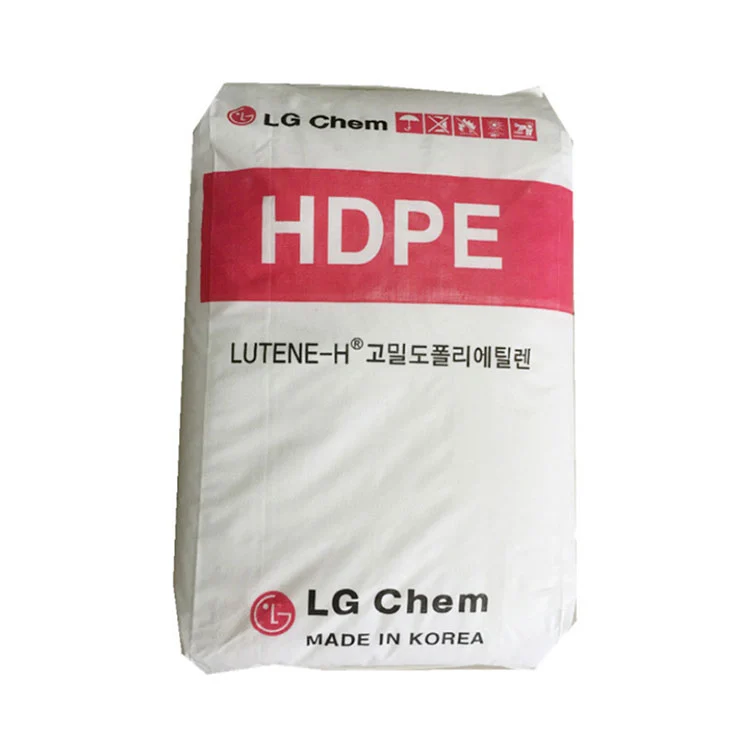
HDPE resin is available in different grades for pipe extrusion, blow molding, injection molding, film production, and monofilament applications. Nianjing provides sourcing options based on the required HDPE grade, producer, application, quantity, and delivery requirements.

HDPE grades differ mainly in melt flow rate, density, molecular weight, molecular weight distribution, stiffness, impact performance, and environmental stress crack resistance. The suitable grade depends on both the processing method and the finished product requirements.
| Application | Typical Processing | Main Selection Factors |
| Pipe | Extrusion | MRS, ESCR, long-term hydrostatic strength, MFR |
| Blow Molding | Extrusion Blow Molding | Melt strength, ESCR, stiffness, impact resistance |
| Injection Molding | Injection | MFR, stiffness, impact resistance, cycle requirements |
| Film | Film Extrusion | Stiffness, tensile properties, thickness, processability |
| Monofilament / Tape | Extrusion & Drawing | Tensile strength, elongation, drawability |
| Caps & Closures | Injection | Stiffness, toughness, ESCR, dimensional stability |
The technical data sheet for the specific grade should be used when confirming material suitability.
HDPE generally has a relatively linear molecular structure with limited branching. This structure contributes to its higher density and crystallinity compared with lower-density polyethylene grades.
Typical HDPE properties are shown below for general reference. Actual values vary by grade and test method.
| Property | Typical Reference | Notes |
| Density | 0.940–0.970 g/cm³ | Grade-dependent |
| Water Absorption | Typically <0.01% | Low moisture absorption |
| Tensile Yield Strength | Approximately 21–38 MPa | Grade-dependent |
| Elongation at Break | Approximately 600–1500% | Test-condition dependent |
| Flexural Modulus | Approximately 690–1800 MPa | Related to stiffness |
| Melting Temperature | Approximately 120–140°C | Varies by grade |
| Chemical Resistance | Generally good | Check the specific chemical, concentration, and temperature |
| Electrical Resistivity | High | Suitable for selected insulation applications |
| MFR / MI | Grade-dependent | Always compare using the same test condition |
These values are general material references rather than specifications for every HDPE grade. For purchasing and processing decisions, the producer's TDS should take priority.
The following grades are representative examples from the available HDPE product information and are organized by their typical application.
| Application | Grade | Producer / Brand | Typical Use |
| Pipe | 23050 | Satellite Chemical | Pipe extrusion |
| Pipe | HHMTR480AT | Shanghai Jinfei | Pipe applications |
| Pipe | P600 | Korea producer | Pipe applications |
| Blow Molding | BL3M | Satellite Chemical | Hollow products |
| Blow Molding | 5502 | Daelim / Korea producer | Blow molding |
| Blow Molding | DMDA-6200 | Dow | Blow molding |
| Injection Molding | 7260 | Satellite Chemical | Injection molding |
| Injection Molding | ME9180 | LG Chem | Injection molding |
| Injection Molding | 5306J | Yangzi Petrochemical | Injection molding |
| Film | FS7000 | Satellite Chemical | Film extrusion |
| Film | FS1460H | Satellite Chemical | Film extrusion |
| Film | 7000F | Korea / Japan producer | Film applications |
| Film | F600 | Korea producer | Film processing |
| Monofilament | 7750M | Satellite Chemical | Monofilament |
| Monofilament | 5000S | LG Chem / Yangzi Petrochemical | Monofilament applications |
| Monofilament | E308 | Korea producer | Drawing applications |
| Caps | 5331H | Satellite Chemical | Caps and closures |
Grade availability, producer, origin, packaging, and technical specifications should be confirmed before ordering.
HDPE pipe grades are used for water supply, gas distribution, drainage, sewage, and industrial fluid transportation.
For pressure pipe applications, material selection may involve MRS classification, pressure rating, ESCR, slow crack growth resistance, operating temperature, pipe dimensions, and the applicable standard.
PE80 and PE100 are commonly used classifications for polyethylene pressure pipe materials. PE80 corresponds to an MRS of 8.0 MPa, while PE100 corresponds to an MRS of 10.0 MPa under the relevant classification system.
Blow molding grades are used for bottles, drums, jerry cans, tanks, and other hollow products.
Material selection normally considers melt strength, ESCR, stiffness, impact resistance, wall thickness, container size, and the properties of the contents.
Injection molding grades are used for caps, closures, crates, boxes, household products, packaging components, and industrial parts.
MFR, stiffness, impact performance, mold design, cycle requirements, and dimensional requirements should be considered when selecting the grade.
HDPE film grades are used for shopping bags, garbage bags, liners, industrial packaging, and other film products.
The appropriate grade depends on film thickness, tensile requirements, stiffness, extrusion equipment, processing conditions, and the intended application.
Selected HDPE grades can be processed into monofilaments and tapes for fishing nets, safety nets, ropes, woven products, and related industrial applications.
Tensile strength, elongation, drawability, and processing stability are important selection factors.
HDPE grades for caps and closures require an appropriate balance of stiffness, toughness, dimensional stability, and environmental stress crack resistance.
The required grade depends on the closure design, molding process, product requirements, and contents of the package.
The processing method is the first factor to identify when sourcing HDPE. The required producer and grade can then be matched with the product specifications.
| Requirement | Information to Provide |
| Processing | Pipe extrusion, blow molding, injection molding, film, monofilament, etc. |
| Existing Material | Current producer and grade, if available |
| Product | Finished product type and main dimensions |
| Performance | Stiffness, impact, ESCR, tensile properties, or other required properties |
| Quantity | Required quantity per order |
| Packaging | Standard bags, pallets, or other requirements |
| Destination | Delivery country or location |
| Certification | Required market or application-specific compliance |
For grade replacement, providing the existing TDS or material specification is useful because two HDPE grades with similar density may still have different processing and mechanical properties.
Nianjing can check sourcing options for specified HDPE producers and grades according to the application, required quantity, packaging, and destination.
A sourcing request can include:
Producer / Brand → Grade → Application → Processing Method → Quantity → Packaging → Destination
For a specific grade, the exact product name and technical data sheet should be used to confirm whether the material matches the intended application.
Actual availability and delivery conditions depend on the current supply situation and should be confirmed before ordering.
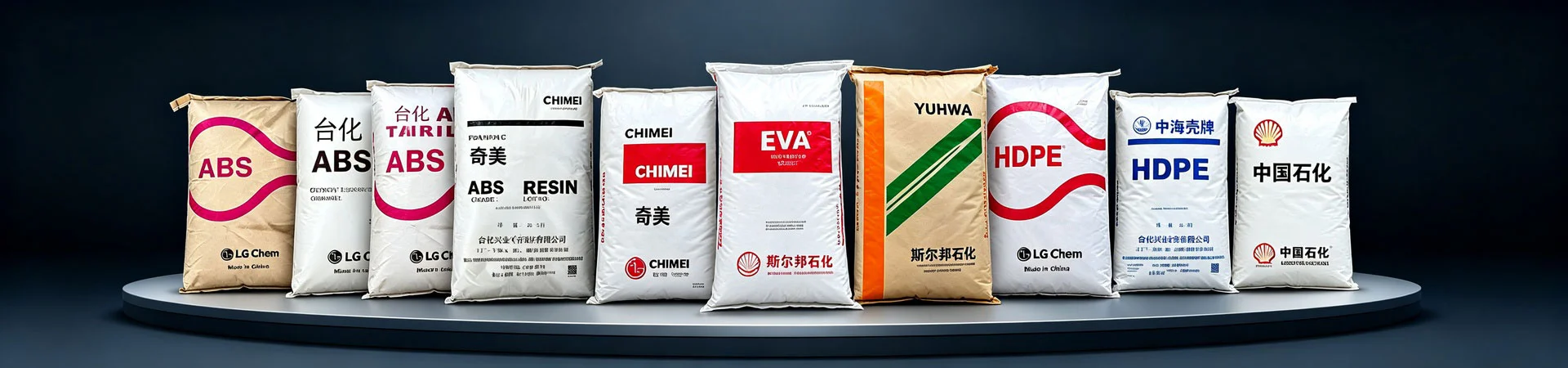
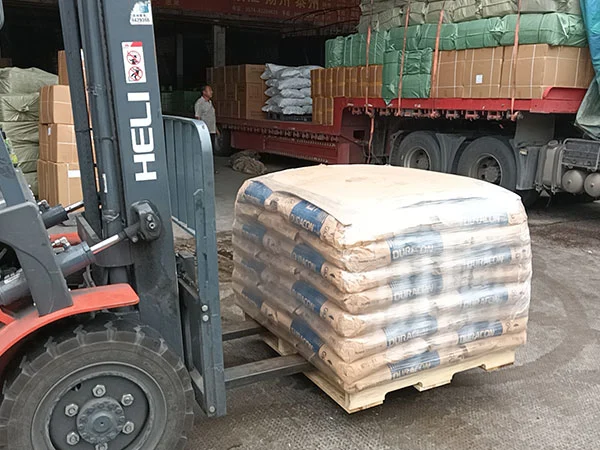
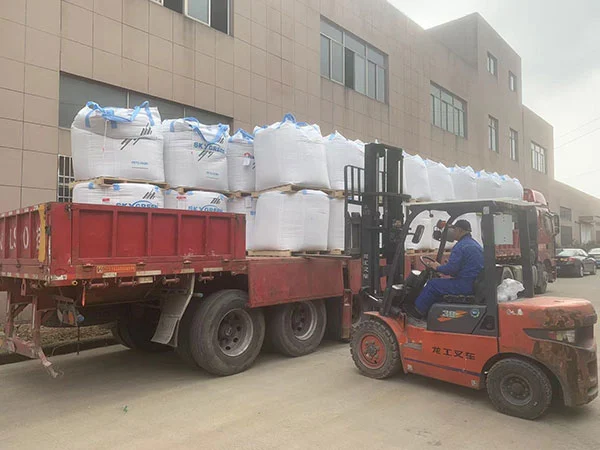
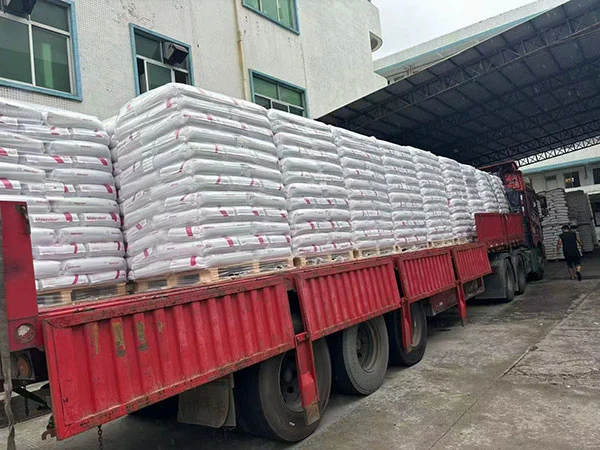
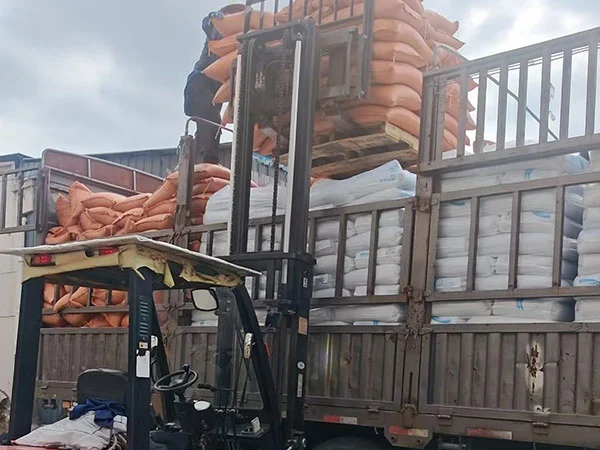
HDPE resin is normally supplied in pellet form and packed according to the producer's standard packaging and shipment requirements.
Before shipment, the following details can be confirmed:
Actual warehouse, packaging, and loading photographs can be placed in this section to show the material handling process.
HDPE resin is commonly used for pipes, blow-molded containers, injection-molded products, films, caps, closures, monofilaments, tapes, and selected industrial applications. The appropriate grade depends on the processing method and product requirements.
HDPE grades can differ in MFR, density, molecular weight, stiffness, impact performance, ESCR, melt strength, and additives. These differences determine whether a grade is better suited to pipe extrusion, blow molding, injection molding, film production, or another process.
Pipe production normally requires a grade specifically intended for pressure or non-pressure pipe applications. PE80 and PE100 classifications may apply to pressure pipe materials. The required standard, pressure rating, dimensions, temperature, and operating conditions should be confirmed before selecting the resin.
Blow molding grades generally require suitable melt strength for maintaining the parison during processing, while injection molding grades are selected more strongly according to flow behavior, mold filling, cycle time, stiffness, and finished-part requirements.
MFR, or Melt Flow Rate, describes the amount of polymer flowing through a specified test apparatus under defined temperature and load conditions. It is useful when comparing processing characteristics, but MFR values should only be compared when the test conditions are the same.
HDPE has very low moisture absorption and generally does not require routine drying like hygroscopic engineering plastics. However, surface moisture can occur during storage or handling. The processing recommendation for the specific grade should be followed.
Some HDPE grades are manufactured to meet specific food-contact or potable-water requirements, but general-purpose HDPE should not automatically be considered suitable. The exact grade, additives, producer documentation, and applicable regulations must be verified for the target market.
Nianjing can check sourcing options for specified producers and grades according to current supply conditions. Providing the exact grade, quantity, application, destination, and technical requirements helps with grade and supply confirmation.
Address
China Plastics City, Yuyao City, Ningbo City, Zhejiang Province, China
Tel
Looking for a specific plastic material, brand, grade or quantity? Send your requirements to Nianjing for sourcing and availability confirmation.
Please include the material name, manufacturer or brand, grade, quantity, application and delivery requirements when available. If you are unsure about the grade, simply describe your application and requirements.
Nianjing will review your inquiry and check suitable sourcing options based on your requirements.