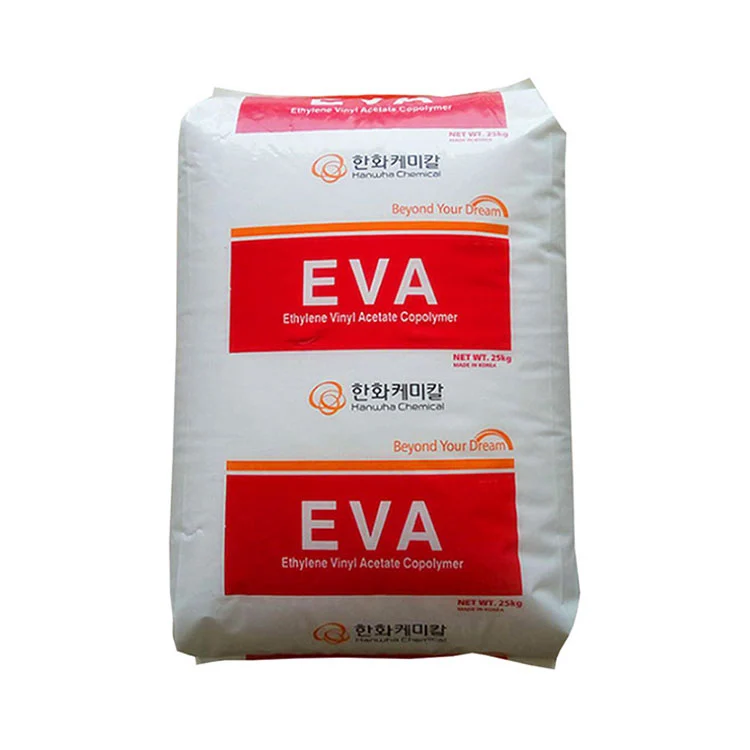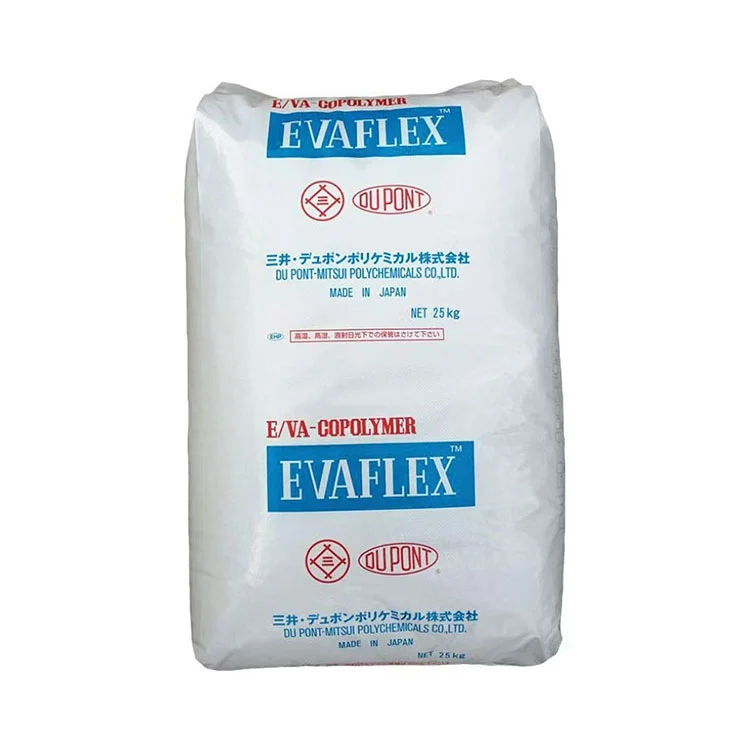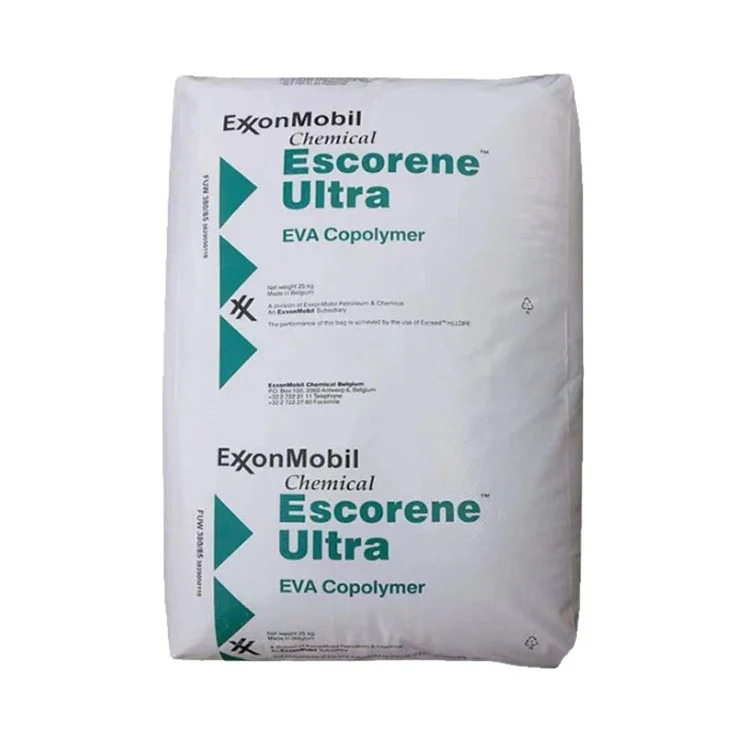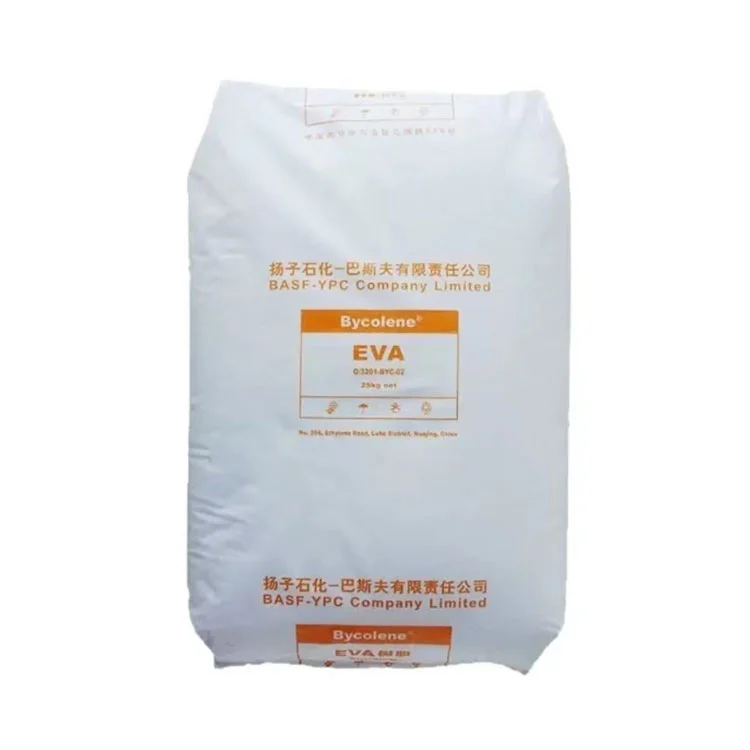
EVA Resin, or ethylene vinyl acetate copolymer, is a thermoplastic material used for products requiring flexibility, softness, cushioning and good melt processability. Its properties vary with vinyl acetate (VA) content, molecular structure and grade, making these factors important when matching a resin to a finished product and production process.
EVA is processed by extrusion, injection molding, calendering and foaming. Typical uses include footwear soles, foam products, flexible films, cable compounds, hot-melt adhesives and molded components. For manufacturers sourcing EVA from China, the application and processing method provide useful starting points for identifying the required material range.
In footwear and foam products, EVA is used for its flexibility, cushioning and low-density characteristics. The formulation and foaming process influence density, resilience and compression behavior, so the resin grade needs to be considered together with the intended production process.
For films and flexible packaging, EVA can provide flexibility, toughness and adhesion. VA content has a significant effect on flexibility and polarity, making it an important consideration for sealing, multilayer structures and other film applications.
EVA is also used as a component in hot-melt adhesive formulations and compound systems. Melt behavior, adhesion requirements and compatibility with other formulation components are relevant when selecting a grade for these applications.
VA content is a major factor when comparing EVA grades. Increasing VA content generally increases flexibility and polarity while reducing crystallinity. The required range depends on the balance of softness, flexibility, adhesion and mechanical properties needed in the finished product.
Melt flow rate provides a reference for processing behavior. Extrusion, molding, film production and foaming processes may require different flow characteristics. When replacing an existing material, the current grade and production conditions can help identify a comparable range.
The balance between softness, stiffness and resilience varies by application. A footwear sole, flexible film and molded industrial component may require different EVA characteristics even when they use the same base polymer.
Processing temperature, equipment, screw conditions and foaming parameters should be checked against the manufacturer's processing recommendations, particularly when changing from an existing grade. Additives and the intended service environment may also need to be considered for specific applications.
EVA is often considered for flexible, lightweight and foam-based products. TPU Resin is more relevant where abrasion resistance, elastic recovery and mechanical strength are priorities, while TPV Resin can be considered for applications requiring rubber-like elasticity together with thermoplastic processing.
These materials can overlap in some applications, but their processing behavior and performance profiles are different. Existing material specifications and production data are useful when comparing an alternative material system.
When contacting a China plastic raw material supplier, the following information can help narrow the available grades and supply options:
| Requirement | Useful Information |
|---|---|
| Application | Footwear, foam, film, cable, adhesive, molding or other end use |
| VA Content | Required VA percentage or current material specification |
| Melt Flow Rate | Existing grade value or required processing range |
| Processing | Extrusion, injection molding, foaming, film production or other process |
| Manufacturer / Grade | Current brand, grade number or equivalent material requirement |
| Quantity | Trial quantity, monthly consumption or regular order volume |
| Delivery | Destination, required delivery schedule and shipping arrangement |
Nianjing supplies plastic raw materials from Yuyao, Zhejiang, China, covering commodity plastics, engineering plastics, specialty materials and elastomers. Based in China Plastics City, the company works with different material sources and grades according to application and supply requirements.
For EVA Resin, Nianjing can check specified manufacturers and grades or source available options according to application, VA content, processing method and quantity. Related materials such as TPU and TPV can also be checked when the required performance calls for a different material system.
Manufacturers, distributors and other sourcing customers can provide a material specification, brand, grade, quantity or application requirement for supply checking and delivery coordination in China.