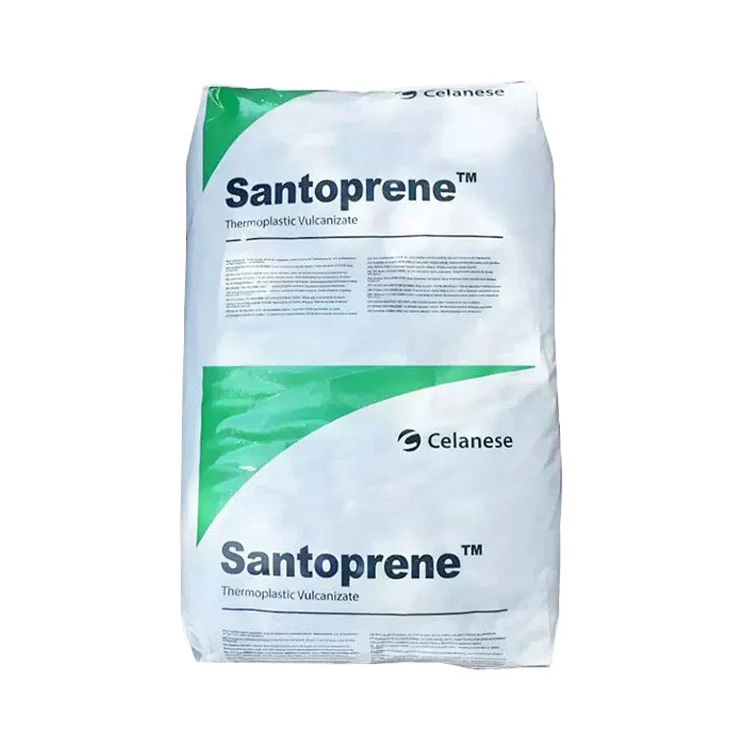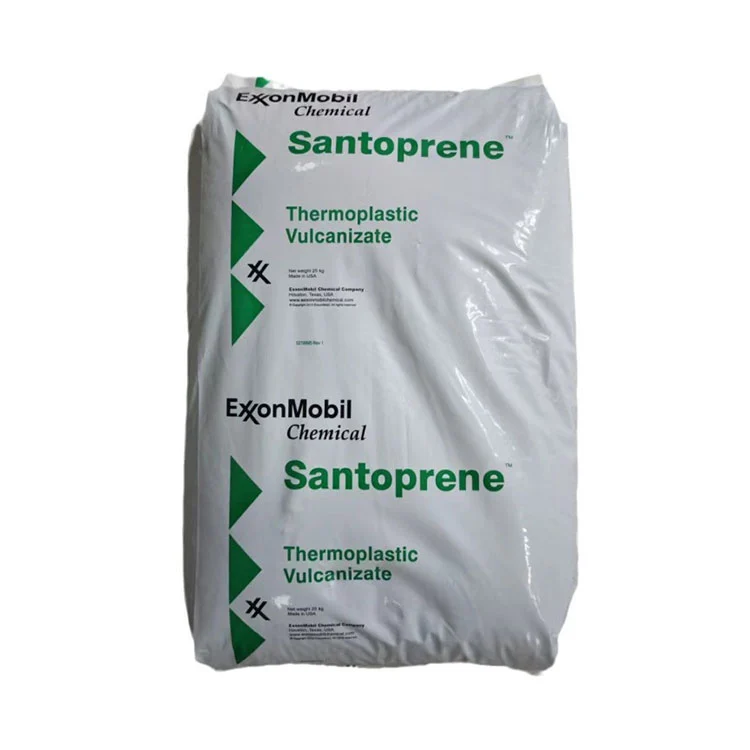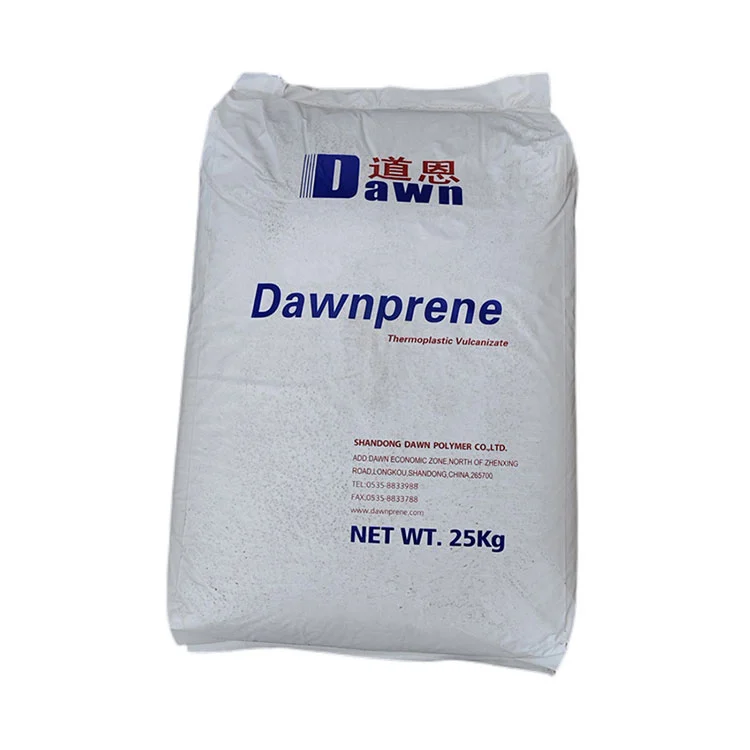
TPV Resin is used for molded and extruded parts that need rubber-like elasticity with thermoplastic processing. Typical applications include seals, gaskets, hoses, protective profiles and other flexible components exposed to repeated movement, temperature changes or outdoor conditions.
TPV combines an elastomeric phase with a thermoplastic matrix, allowing it to be processed by injection molding or extrusion. The grade is normally selected around the finished part, processing method and service conditions rather than flexibility alone.
Automotive sealing is a major application area. TPV can be used for weather seals, grommets, ducts and protective profiles that encounter vibration, moisture, heat and outdoor exposure.
The material is also used in window and door seals, appliance components, electrical parts, flexible profiles, grips and soft-touch components. Indoor and outdoor applications can have very different requirements, particularly when heat, weathering or oil contact is involved.
Hardness is an important starting point because it affects flexibility, compression behavior and the feel of the finished part. For sealing applications, however, compression set and elastic recovery may be more important than hardness alone.
Processing also matters. Injection molding and extrusion can require different melt flow characteristics and processing conditions. Other specifications may include tensile strength, elongation, density, heat resistance, weathering resistance, oil resistance, chemical resistance and abrasion performance.
When replacing an existing material, the current manufacturer, grade and technical data are useful references. For a new application, the finished part and its operating conditions provide a better starting point for comparing grades.
TPV, TPU Resin and EVA Resin are used for different types of flexible products. TPV is commonly associated with seals and profiles exposed to weather or repeated deformation. TPU is often selected for higher abrasion resistance, mechanical strength and tear resistance, while EVA is widely used for foam, footwear, flexible film and cushioning products.
Material choice can change with the operating conditions. Temperature, compression, abrasion, chemical contact and processing method should be considered alongside hardness when comparing these materials.
For sourcing TPV from China, the following information helps suppliers identify suitable grades and check availability:
| Requirement | Details to Provide |
|---|---|
| Application | Finished part or product |
| Hardness | Target Shore hardness or current material specification |
| Processing Method | Injection molding, extrusion or another process |
| Performance | Compression set, tensile properties, elongation, abrasion or elastic recovery as required |
| Service Conditions | Temperature, weather exposure, oil, chemicals and other relevant conditions |
| Manufacturer / Grade | Existing material, preferred manufacturer or grade if known |
| Quantity | Trial quantity, regular order volume or estimated annual demand |
Nianjing has been engaged in plastic raw material trading and sourcing since 2008. Based in China Plastics City, Yuyao, Zhejiang, the company handles commodity plastics, engineering plastics, elastomers and specialty materials from different manufacturers and grades.
TPV is included in Nianjing's elastomer range alongside TPU and EVA. The company handles both specified-grade sourcing and material sourcing based on application requirements.
Its location in China Plastics City also provides access to local plastic raw material supply channels and market information. Nianjing's related services include material sourcing, basic technical consultation, supply checking, customized purchasing and logistics coordination.