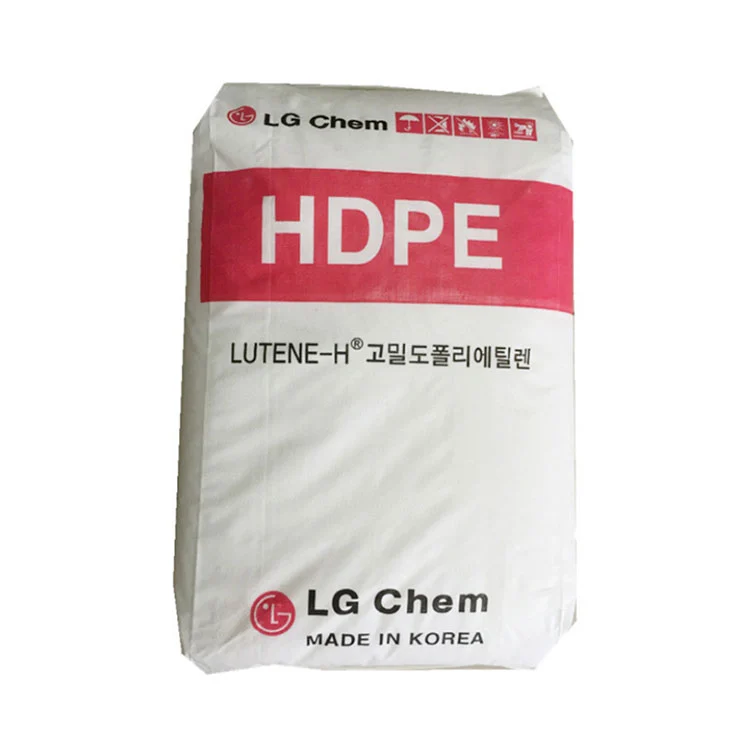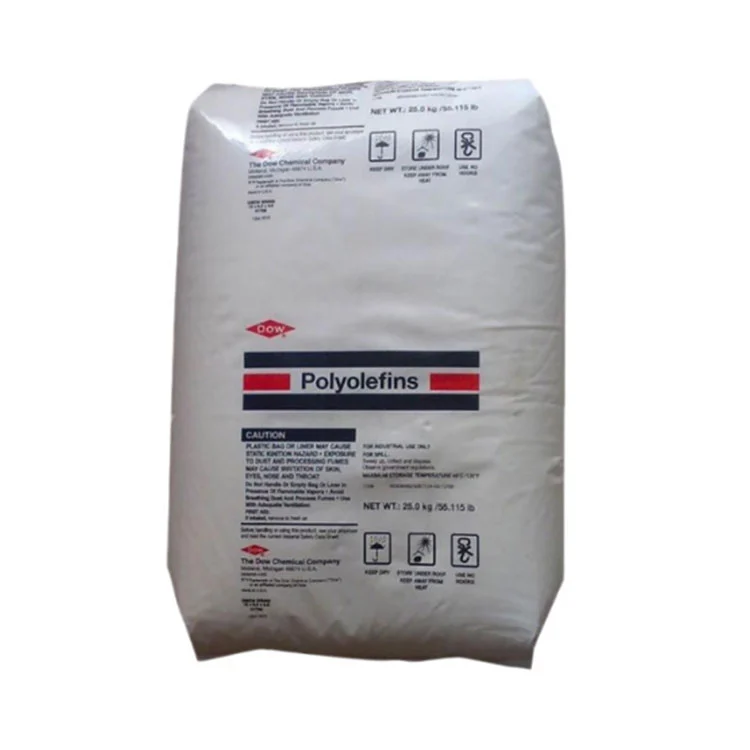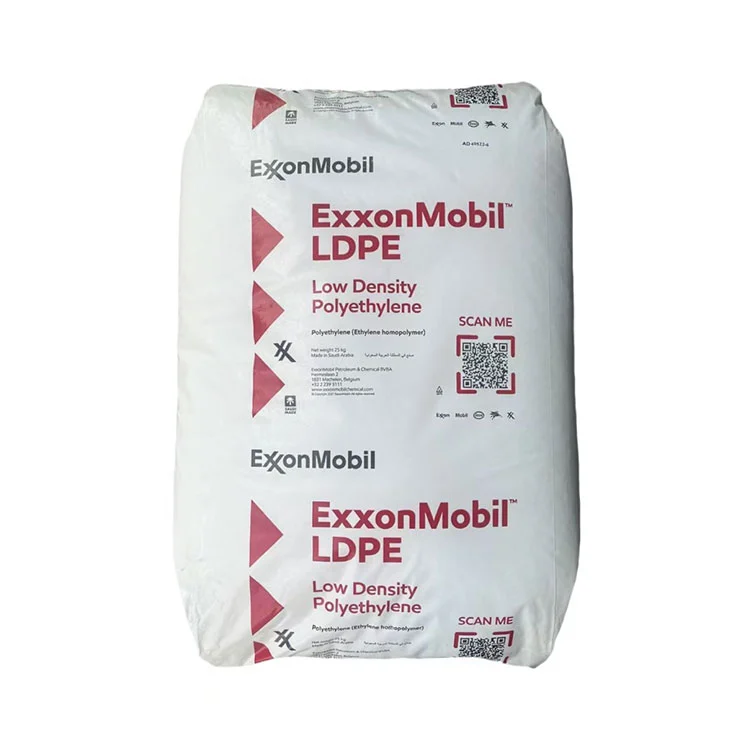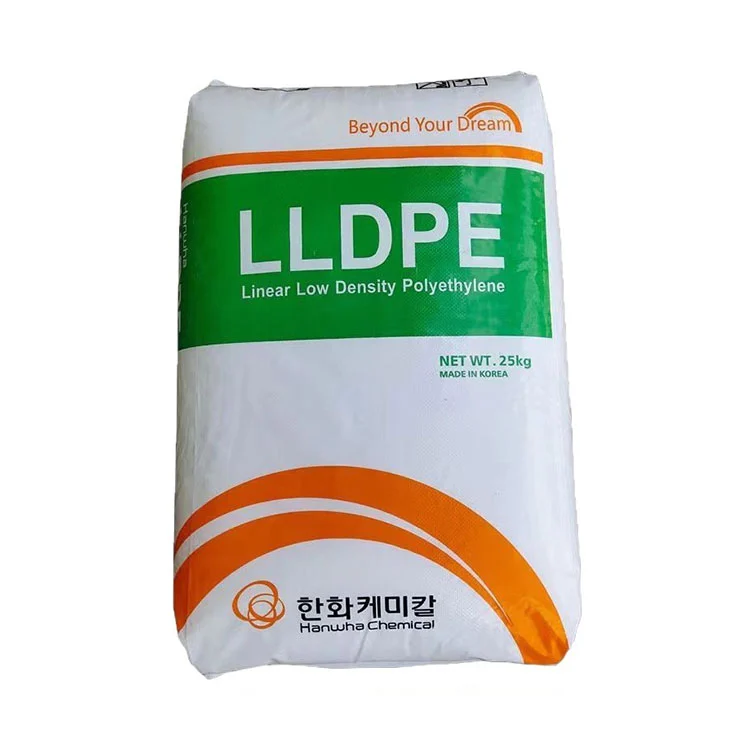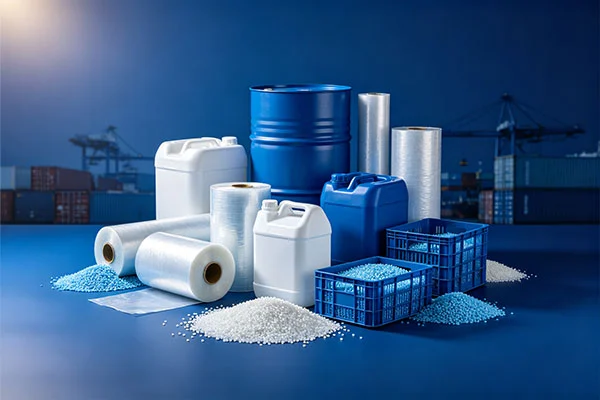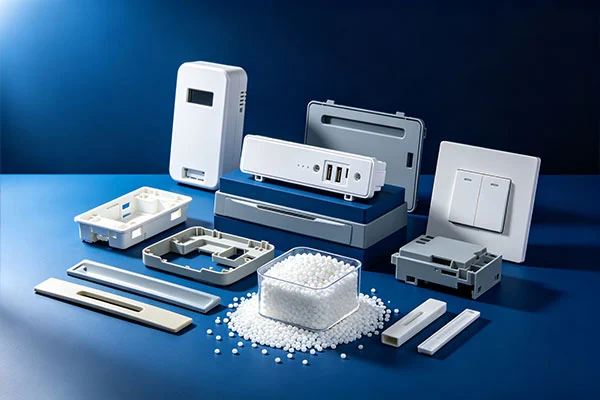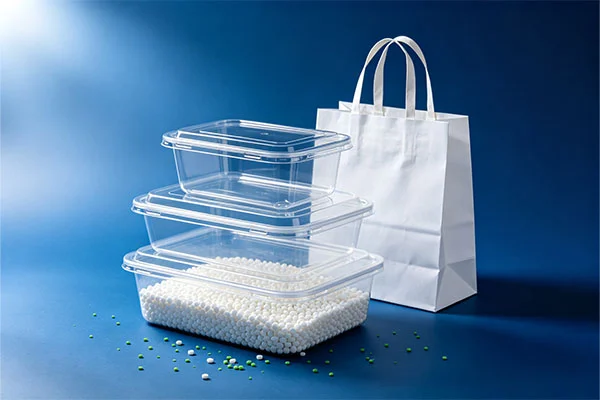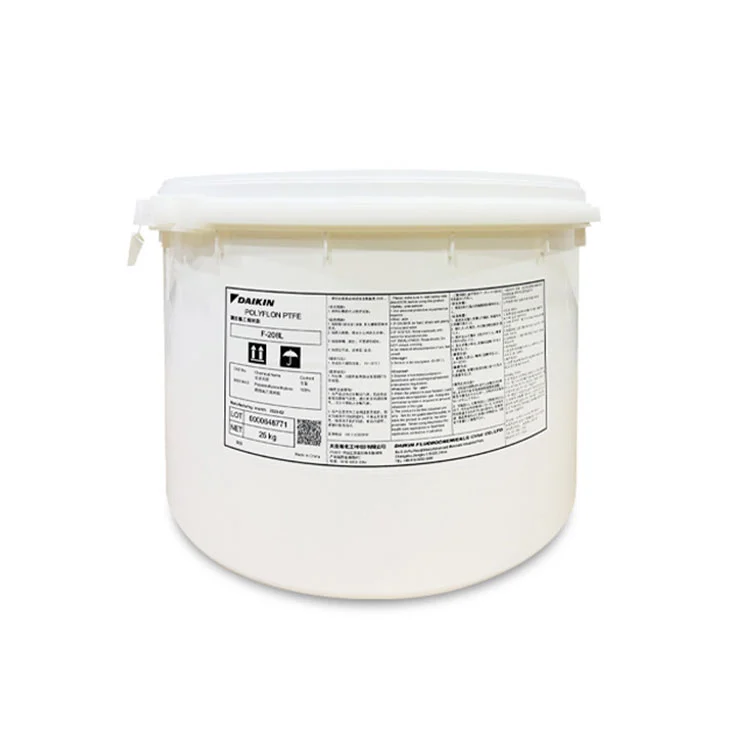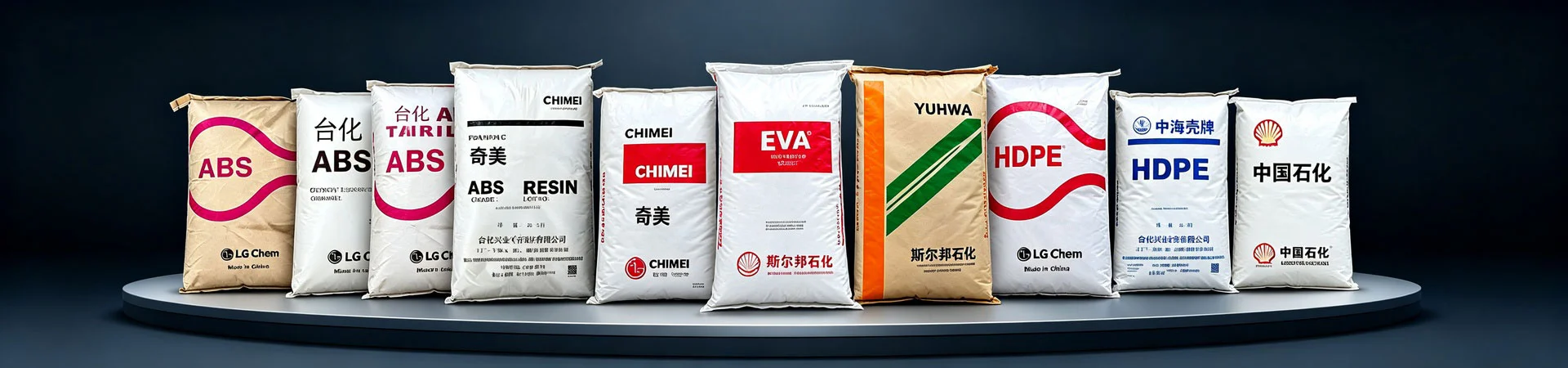
PE Plastics, or polyethylene resin, are used for films, packaging, containers, pipes and molded products. Common grades include HDPE, MDPE, LDPE and LLDPE, with differences in density, stiffness, toughness, flexibility and processing behavior.
Nianjing supplies PE resin based on grade, manufacturer, application, processing method and quantity. Existing grades can be sourced by specification. For new applications, product and processing information can be used to define the material requirement.
Polyethylene covers several material types rather than one standard grade.
HDPE provides relatively high stiffness together with good toughness, moisture resistance and chemical resistance. Common applications include rigid containers, caps, closures, pipes and industrial products.
MDPE offers a balance of stiffness, toughness and flexibility for selected applications.
LDPE is relatively flexible and is commonly used for films, bags, packaging and other flexible products. It is also processed through extrusion for suitable applications.
LLDPE is widely used for films and flexible packaging. Its tensile strength, puncture resistance and processing behavior vary by grade and formulation.
| Application | Common grades | Main considerations |
|---|---|---|
| Flexible film | LDPE, LLDPE | Flexibility, film strength, melt behavior |
| Rigid containers | HDPE | Stiffness, toughness, chemical resistance |
| Caps and closures | HDPE, selected PE grades | Flow, rigidity, molding conditions |
| Pipes | HDPE, MDPE | Toughness, pressure requirements, processing |
| Industrial molded parts | HDPE, MDPE | Impact performance, stiffness, part design |
| Packaging products | LDPE, LLDPE, HDPE | Product structure and flexibility |
PE resin is commonly processed by extrusion, injection molding, blow molding and film production.
For film and extrusion applications, melt flow and processing behavior are important. Blow molding grades are used for hollow products, while injection molding grades need flow characteristics appropriate for the part design.
When sourcing an existing material, the manufacturer and grade provide useful reference information. For a new requirement, Nianjing can work from:
●Finished product or component
●Processing method
●PE type or required grade
●Required stiffness, flexibility or toughness
●Quantity
●Existing manufacturer or grade, if applicable
PE Plastic, PP Plastic and ABS Plastic are common thermoplastics, but their typical material requirements are different.
PE Plastic is commonly selected for toughness, moisture resistance and flexibility, with grades ranging from flexible films to relatively rigid molded products.
PP Plastic is often used where low density, stiffness, chemical resistance or repeated flexing is required.
ABS Plastic is commonly used for rigid molded parts where impact performance, dimensional characteristics and surface appearance are important.
A material change between PE, PP and ABS requires evaluation of the specific grade, product requirements and processing conditions.
For an existing PE specification, provide the manufacturer, grade, quantity and delivery requirement.
When the grade has not been determined, provide the product, application, processing method and required material properties. Technical information such as melt flow, density, color or additive requirements can also be included when relevant.
Nianjing can organize PE sourcing according to the available material specification or application requirements.
The common types are HDPE, MDPE, LDPE and LLDPE. They differ in density, stiffness, toughness, flexibility and processing behavior.
LDPE and LLDPE are widely used for film production. The appropriate grade depends on film requirements and processing conditions.
HDPE generally provides higher stiffness, while MDPE offers a different balance of stiffness, toughness and flexibility. The suitable grade depends on the product requirements.
Yes. Selected PE grades are used for injection-molded containers, caps, closures and industrial parts. Grade selection depends on the part design and molding conditions.
In some applications, substitution may be possible, but PE, PP and ABS have different mechanical and processing characteristics. The specific grade and production conditions should be evaluated before substitution.
Yes. Nianjing can source according to an existing manufacturer, grade, specification and quantity. For new applications, product and processing information can be used to define the material requirement.