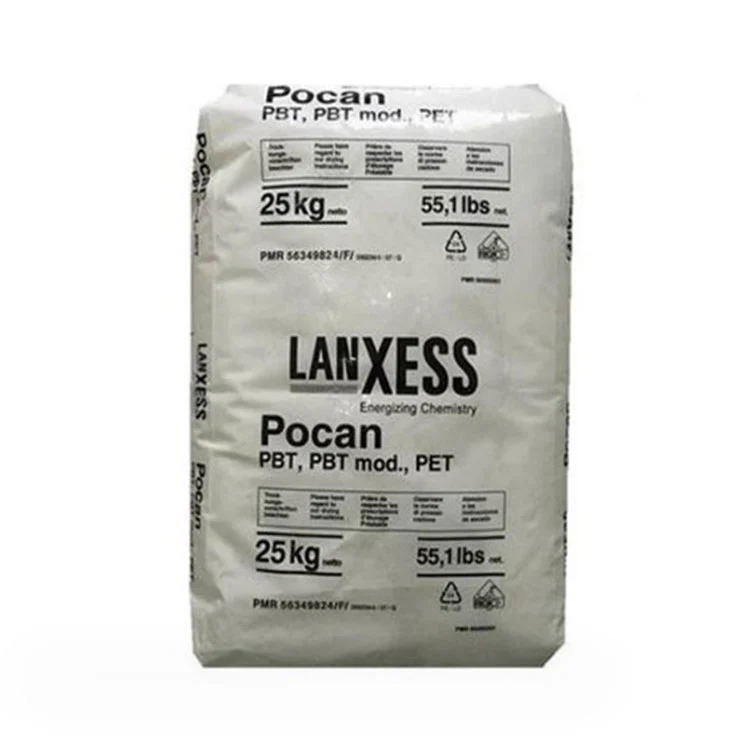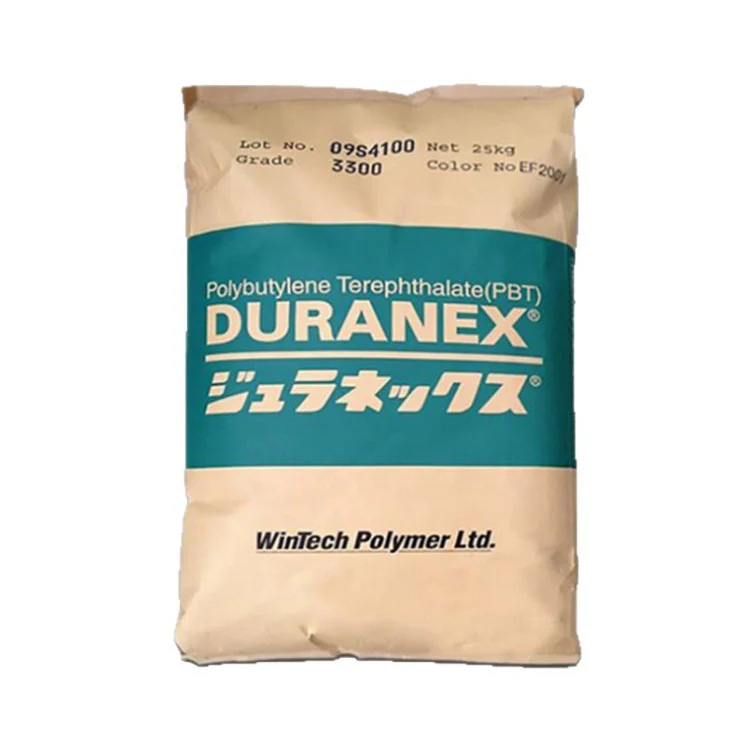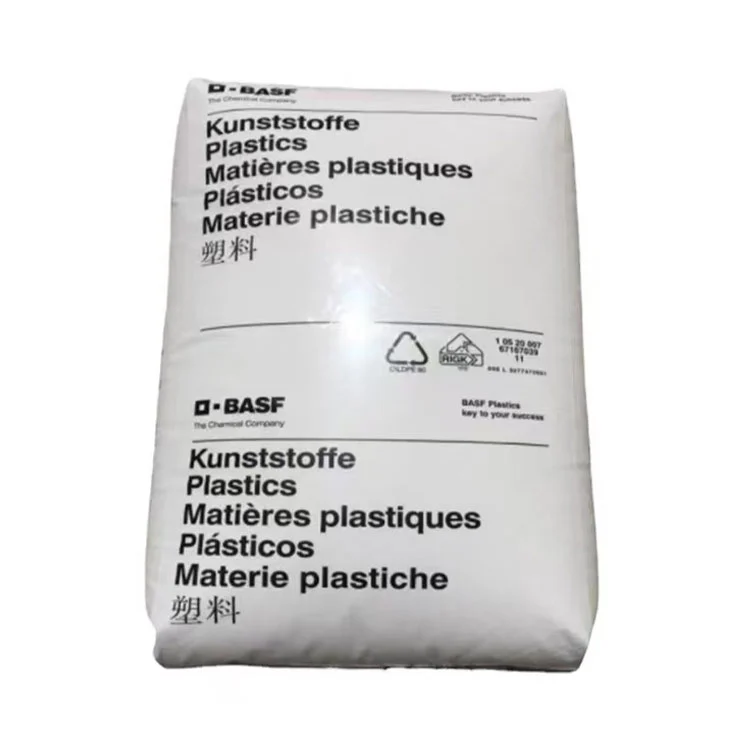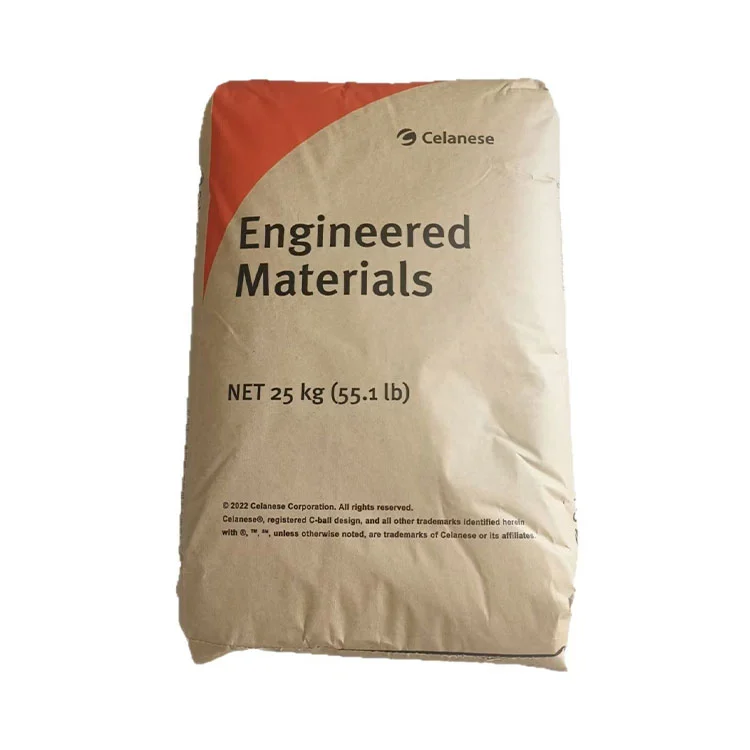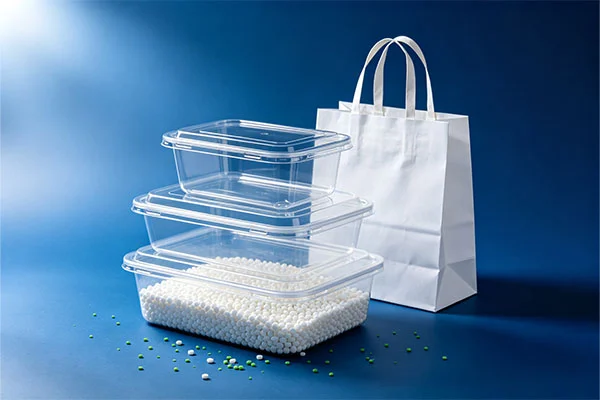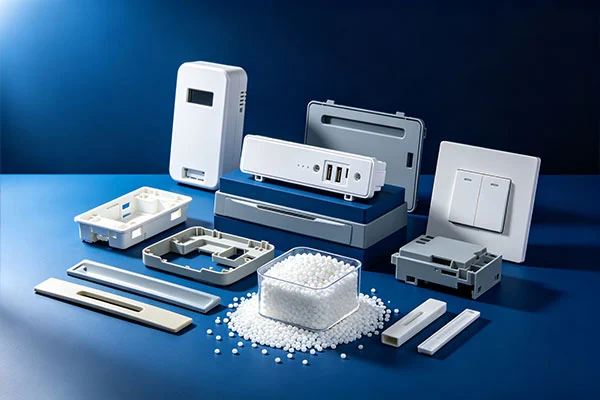
Engineering Plastics are thermoplastic resins used for components where mechanical strength, dimensional stability, heat resistance or chemical resistance needs to be considered together with processing requirements. They are used in automotive parts, electrical and electronic components, machinery, appliances and industrial equipment, with the required resin grade depending on the conditions of the finished product.
Nianjing supplies engineering plastic resin for different manufacturing requirements, covering PA66, PBT, POM, PMMA and PC. As a plastic raw material supplier in China, the company handles sourcing according to the material, manufacturer, grade, application, processing method and required quantity rather than treating each polymer as a single standardized material.
PA66 / Nylon is commonly specified for components that require strength, stiffness and wear resistance. Applications include automotive parts, electrical components, mechanical components and molded products exposed to repeated loads or elevated temperatures. Since PA66 absorbs moisture, material storage, drying conditions and the influence of humidity on the finished part should also be considered when selecting a grade.
PBT combines rigidity, dimensional stability, electrical properties and chemical resistance, making it suitable for electrical connectors, housings, automotive components and precision molded parts. Reinforced and flame-retardant grades may be selected where the application requires higher mechanical performance or specific thermal and electrical characteristics.
POM / Acetal is suited to moving and precision components where low friction, wear resistance, stiffness and dimensional stability are important. Gears, bushings, rollers and other mechanical parts are typical applications. When sourcing POM resin, the existing grade, processing method, dimensional requirements and service conditions can help determine whether a particular grade is appropriate.
PMMA / Acrylic is generally used where optical clarity and surface appearance are important. Depending on the grade, weather resistance and impact performance may also influence material selection. Common applications include lighting components, displays, transparent covers and optical or decorative molded parts.
PC / Polycarbonate combines impact resistance, transparency and relatively high heat resistance. It is used for housings, protective components, electrical and electronic parts, automotive applications and transparent molded products. The required balance of impact performance, heat resistance, optical properties and molding behavior can vary according to the application and grade.
Engineering plastic selection should be based on the actual working conditions of the finished component. Operating temperature, mechanical load, moisture exposure, chemical contact, dimensional tolerances and processing method can all affect the suitability of a material.
For injection molding, processing considerations may include melt flow, material drying, melt temperature, mold temperature and processing stability. Moisture-sensitive resins such as PA66 require particular attention to storage and pre-drying before molding, especially where dimensional consistency or mechanical performance is important.
The polymer family alone is therefore not enough to define a material specification. Two engineering plastic grades based on the same polymer can differ in reinforcement, additives, flame retardancy, impact modification, processing behavior and specified mechanical properties. This is particularly relevant when replacing an existing resin or evaluating an equivalent material.
When working with an engineering plastics supplier, providing the existing manufacturer and grade can make material identification and availability checking more precise. If the grade has not yet been determined, information about the finished product, processing method, operating conditions and required properties can be used to narrow the material options.
Nianjing's engineering plastic resin sourcing covers specified materials, manufacturers, grades and quantities according to individual requirements. Representative materials in its supply range have included PC IR2200 from Idemitsu, POM FM090 from Taiwan Hsing and PA66 R530H from Ascend. Other grades can be checked according to current supply conditions.
For an engineering plastics sourcing inquiry, useful information normally includes the polymer or existing grade, manufacturer, processing method, application, estimated quantity and key performance requirements. This information provides a practical basis for comparing grades and checking suitable supply options.
Nianjing's broader plastic raw material range also covers General Plastics, Elastomer Materials and Fluoropolymer Materials, with material selection determined by the processing requirements and performance characteristics of the finished product.