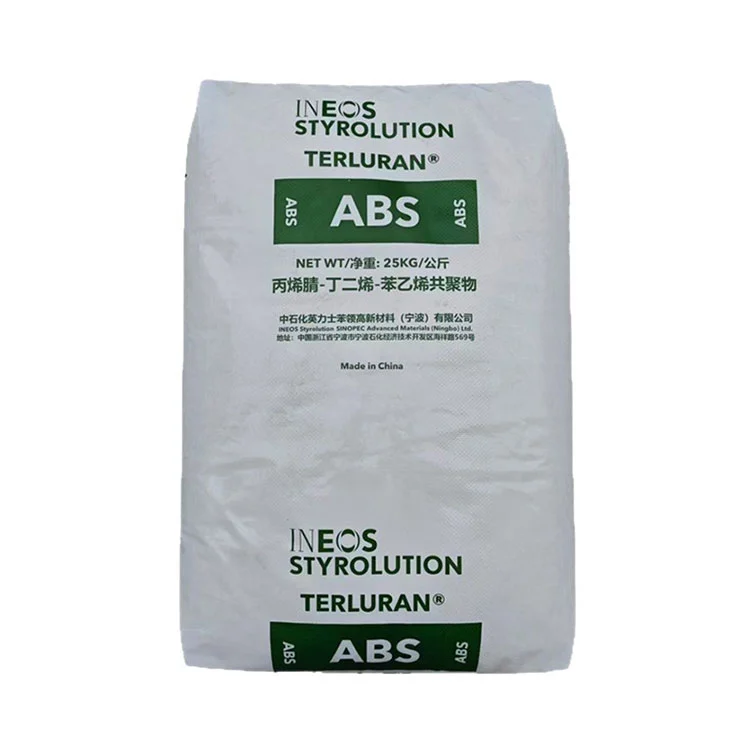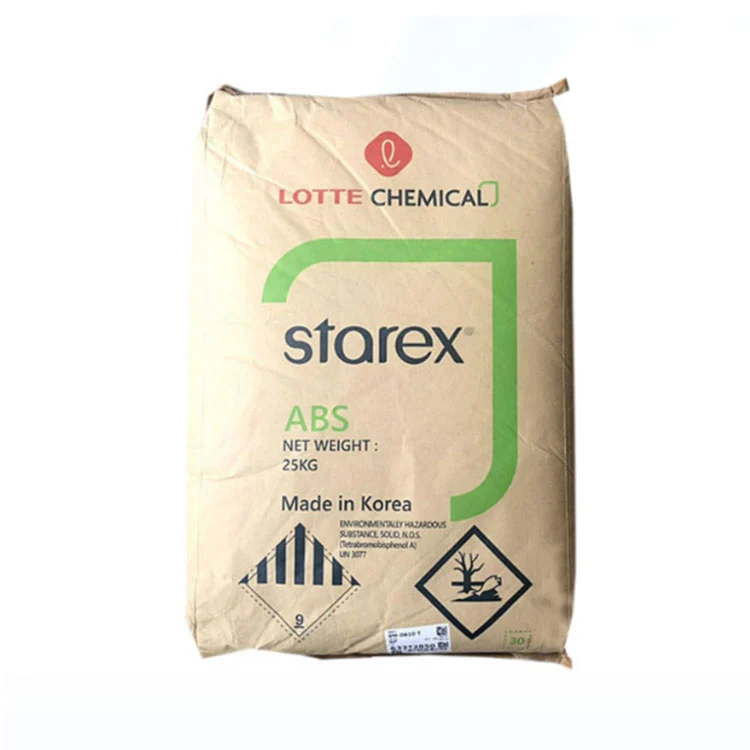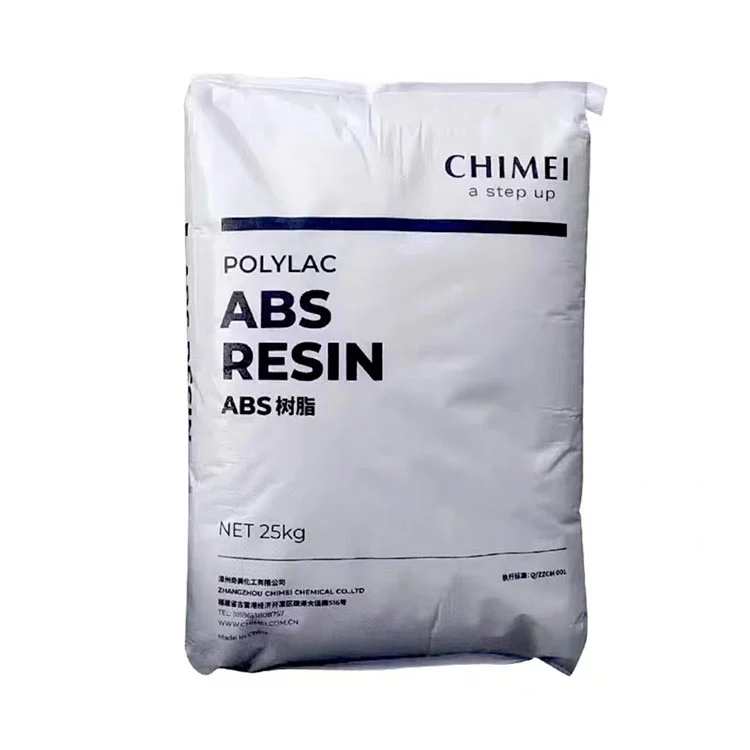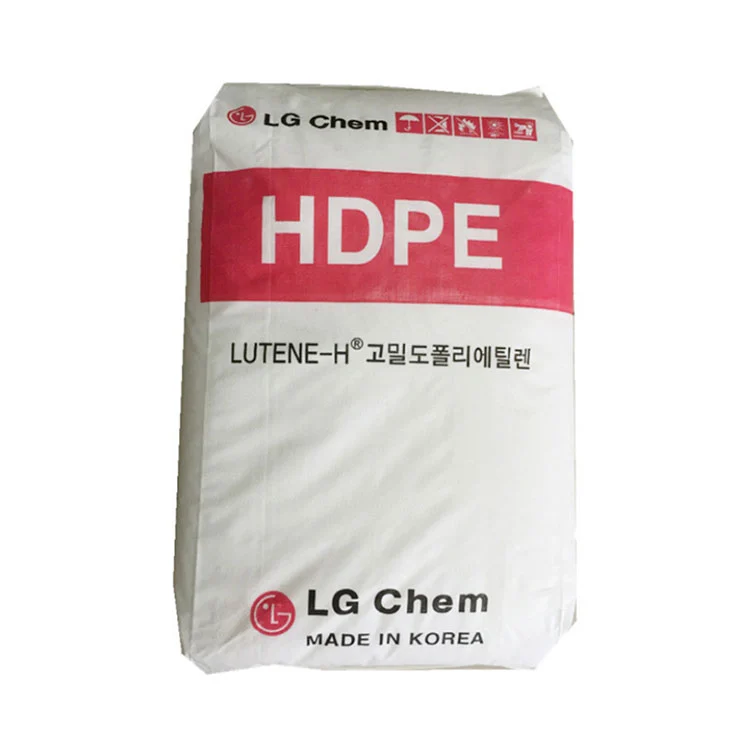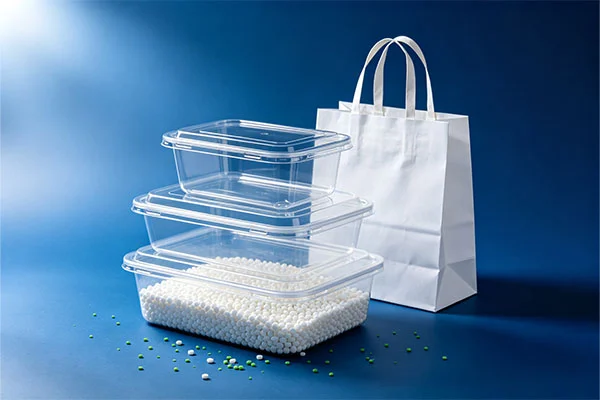
General Plastics covers widely used thermoplastic materials for packaging, molded products, household goods and general industrial components. Common processing methods include injection molding, extrusion, blow molding and film production.
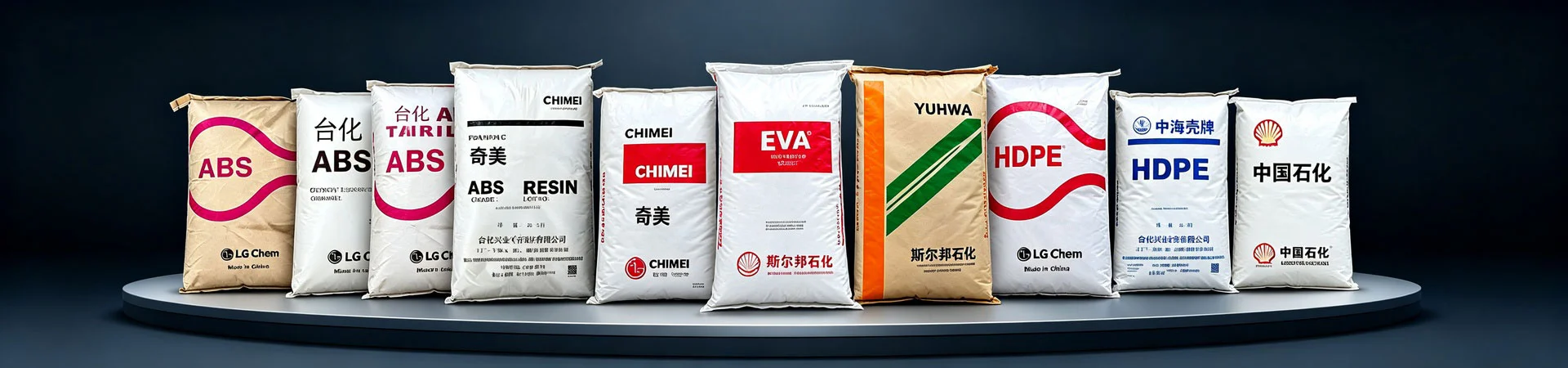
Nianjing supplies commonly traded materials such as polypropylene (PP Plastic), polyethylene (PE Plastic) and ABS Plastic. Each polymer has its own processing behavior and performance characteristics. Grade selection should be based on the finished product and manufacturing process, not only on the material name.
Polypropylene (PP) is widely used for molded and extruded products. Its low density, chemical resistance and balance of stiffness and toughness make it suitable for packaging, containers, caps, household products, automotive components and general industrial parts.
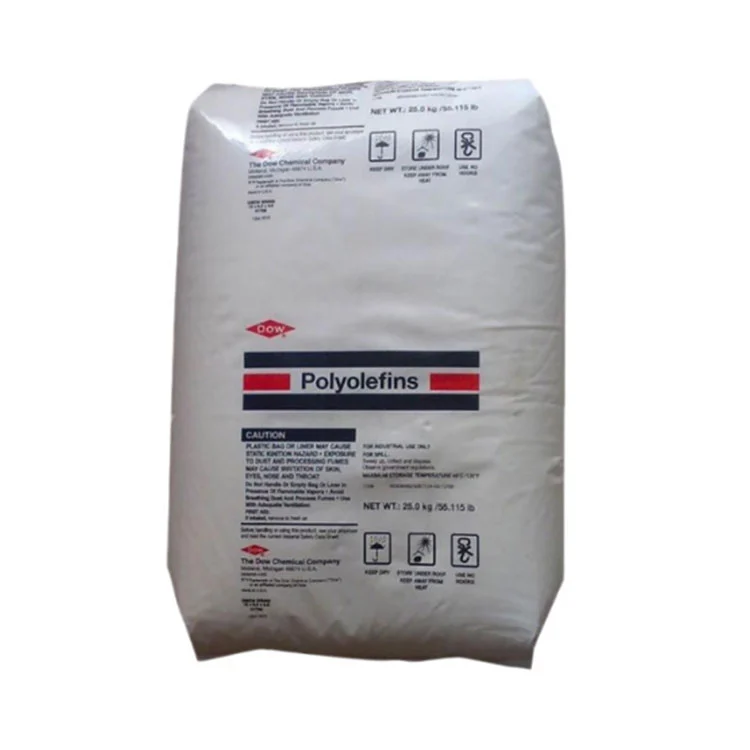
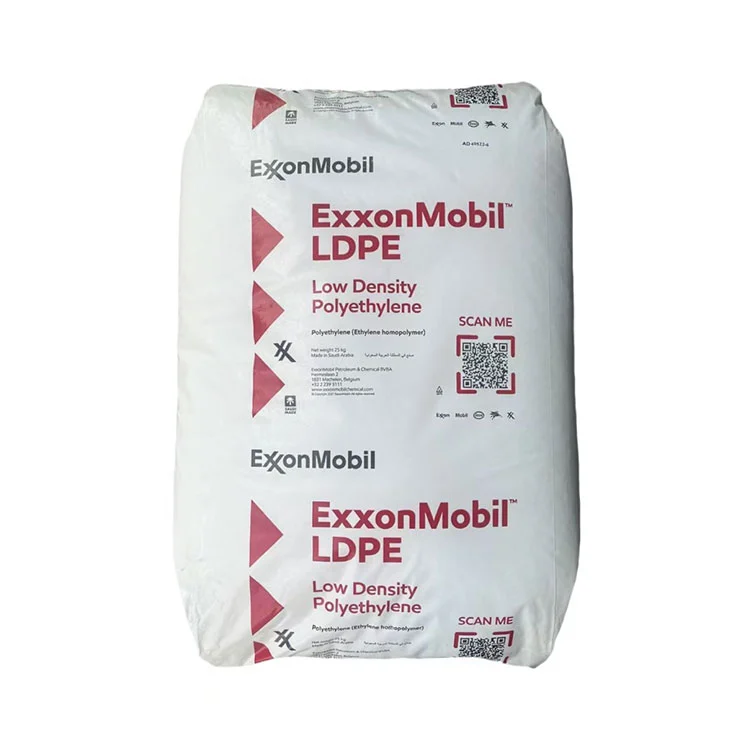
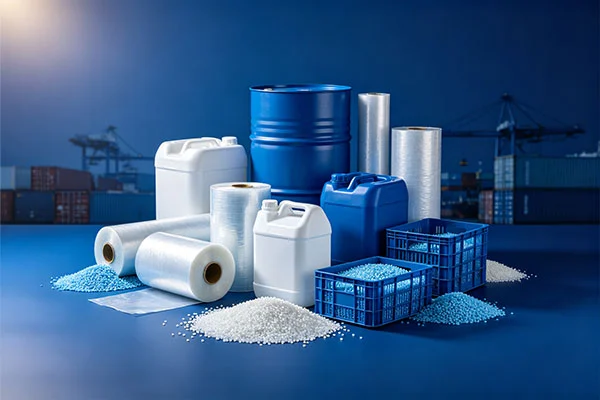
Polyethylene (PE) covers materials with different density and molecular structures, including HDPE and MDPE. It is used for containers, packaging, pipes and molded products where moisture resistance, chemical resistance and impact performance are required.
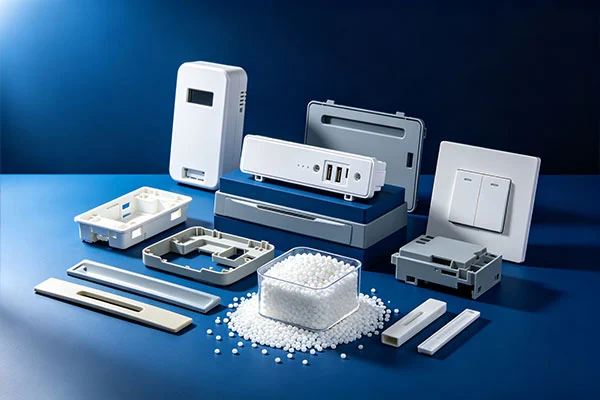
ABS Plastic is often selected when rigidity, impact resistance and surface appearance need to be considered together. Typical applications include appliance housings, electrical components, automotive parts and consumer products. Different grades can vary in flow, impact performance, heat resistance and surface characteristics.
The same polymer family can contain grades with noticeably different properties. The grade specification matters when the material is going into an established production process.
The manufacturing process is one of the first points to check. Injection molding, extrusion and blow molding place different demands on melt flow, melt strength and processing temperature.
The finished product matters just as much. Depending on the application, manufacturers may need to consider stiffness, impact resistance, chemical resistance, shrinkage, surface finish, transparency, operating temperature or color.
As a result, the polymer name alone is rarely enough to define a sourcing requirement. The manufacturer, grade, processing method and application can all affect the final material choice.
Grades from different manufacturers may have similar descriptions but different melt flow, mechanical properties, additives or processing recommendations. This is particularly important when replacing an existing resin.
Nianjing operates in China Plastics City, Yuyao, Zhejiang, where plastic raw material trading and supply channels are concentrated. Sourcing can be arranged according to material type, manufacturer, grade, quantity, application and delivery conditions.
Have an existing grade? Providing the manufacturer and grade makes availability checking more direct. If the grade is not yet fixed, information about the product and processing method can be used as the starting point for material comparison.
General Plastics forms part of Nianjing's broader plastic raw material range. Specific grades and availability depend on current supply conditions.
Common materials include PP, PE and ABS. The specific grades available depend on current supply conditions and sourcing requirements.
Start with the finished product and processing method. PP is often considered for its low density and chemical resistance, PE for moisture resistance and impact performance, and ABS when rigidity, impact resistance and surface appearance need to be balanced.
Yes. You can provide the material name, manufacturer, grade or existing specification. Nianjing can then check the corresponding sourcing and supply conditions.
The most useful information includes the material type, manufacturer or grade, application, processing method and required quantity. If the grade is not known, product details and required properties can also be provided.
An alternative may be possible, but grades should not be compared by polymer name alone. Melt flow, mechanical properties, additives and processing recommendations should be checked against the existing material and production conditions.
Yes. Nianjing is based in Yuyao, Zhejiang, China, and sources plastic raw materials according to material, grade, manufacturer, application and quantity. Specific materials and availability are subject to current supply conditions.