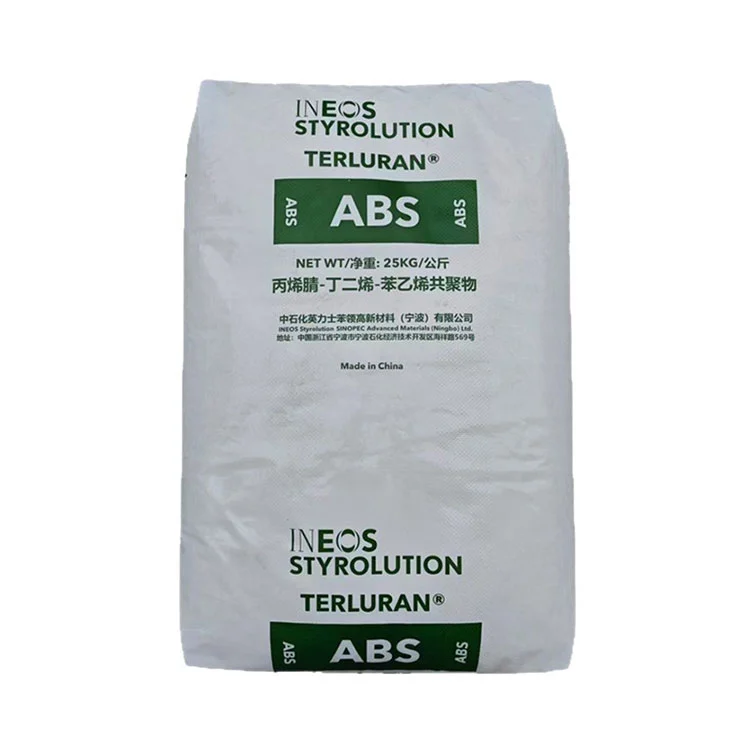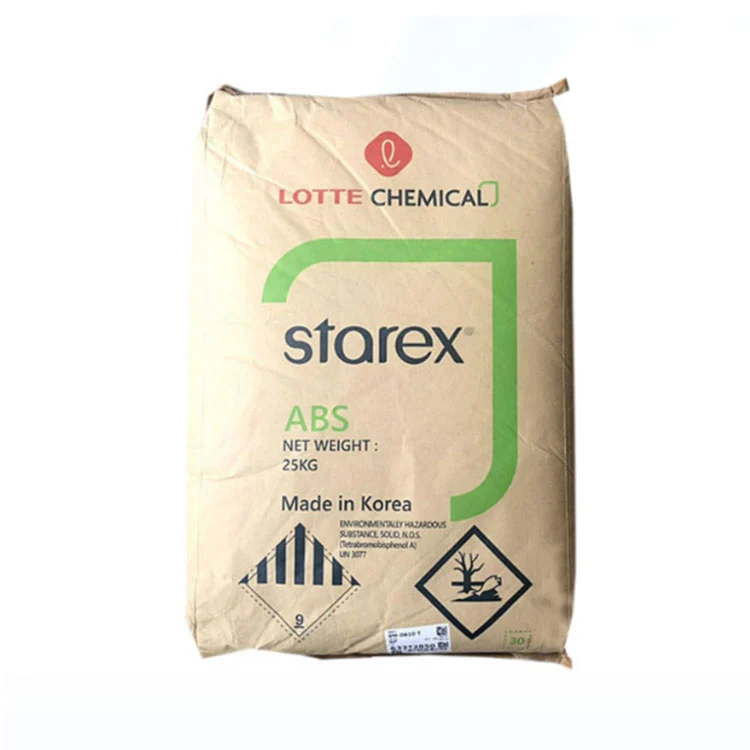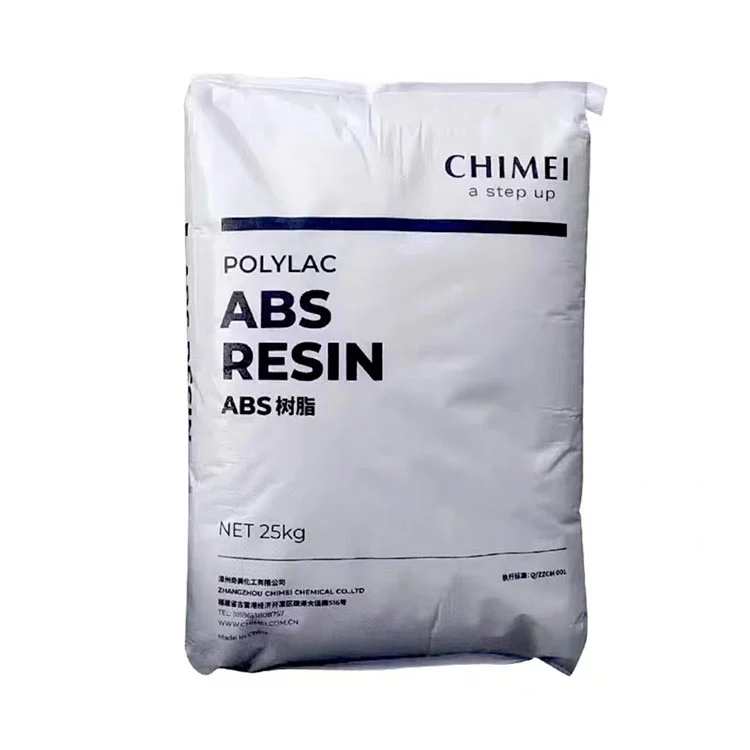
ABS Plastics are a thermoplastic resin used mainly for injection-molded parts that require a combination of rigidity, impact resistance, dimensional stability and surface finish. Typical applications include automotive interior parts, appliance housings, electronic enclosures and consumer products.
Different ABS grades provide different melt flow, impact, heat resistance and surface characteristics. Nianjing sources ABS resin in China based on the manufacturer, grade, application, processing method and required quantity.
ABS is suited to molded components where mechanical properties and appearance need to be considered together.
Impact resistance is important for housings, covers, bezels and interior components that may be exposed to handling or mechanical impact. The required level depends on the part design and service conditions.
Rigidity and dimensional stability help molded parts maintain their shape during assembly and use. These properties are relevant to panels, enclosures, structural covers and other dimension-sensitive components.
Surface finish is particularly relevant to visible parts. Depending on the grade and molding conditions, ABS can be used for parts that require painting, coating or plating after molding.
These properties vary between grades. A general-purpose grade may not provide the same impact or heat resistance as a grade developed for more demanding conditions.
ABS is used across several molded-product sectors.
Automotive: Interior trims, bezels, covers and other molded components where impact resistance, dimensional accuracy and surface finish are required.
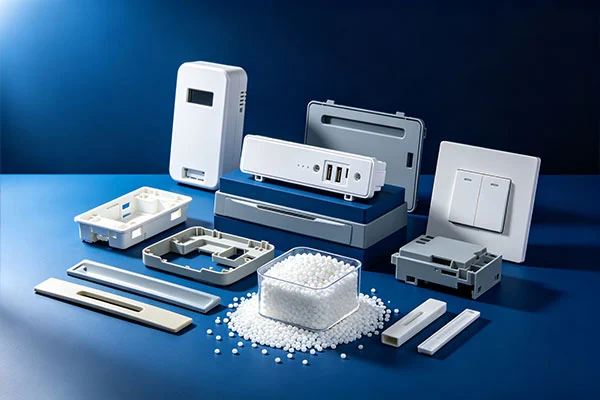
Electrical and electronics: Enclosures, covers and control components where rigidity, moldability and appearance are relevant.
Appliances: Housings, panels, handles and other molded parts that require shape retention and a consistent surface.
Consumer products: Equipment housings, tools and other injection-molded components where mechanical performance and appearance need to be balanced.
The required ABS grade depends on factors such as wall thickness, molding conditions, operating temperature, impact requirements and finishing process.
ABS is mainly processed by injection molding. The material grade should match both the part design and production conditions.
For thin-wall parts, melt flow affects mold filling and can influence surface quality. Parts exposed to impact may require a higher-impact grade, while components operating at elevated temperatures may require heat-resistant ABS.
Color and secondary finishing can also affect grade selection. A visible component intended for painting or plating may require different material characteristics from an internal structural part.
When specifying ABS, useful information includes:
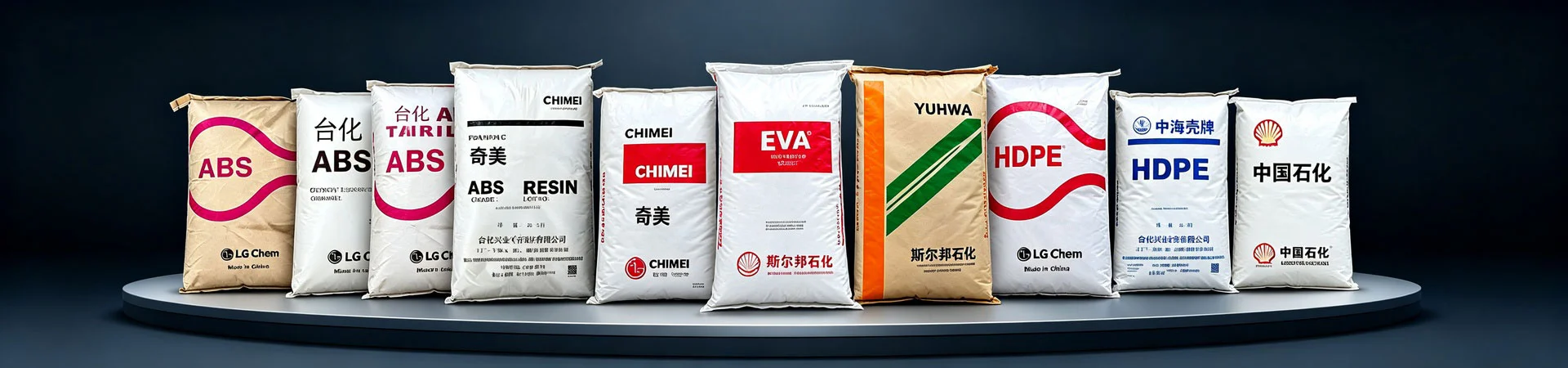
●Existing manufacturer and grade
●Injection molding process
●Finished product or component
●Part thickness and approximate dimensions
●Impact or rigidity requirements
●Operating temperature
●Color and surface treatment
●Required quantity
For an existing material, the manufacturer and grade provide a clear starting point. For a new application, the product design, molding process and required properties help narrow the material specification.
ABS Plastic, PP Plastic and PE Plastic are common General Plastics, but they serve different material requirements.
ABS Plastic is generally used for rigid molded parts where impact resistance, dimensional stability and surface finish are important.
PP Plastic is often selected for its low density, chemical resistance, stiffness and resistance to repeated flexing.
PE Plastic covers HDPE, MDPE, LDPE and LLDPE grades, with applications ranging from flexible films to rigid molded products. Toughness, moisture resistance, flexibility and chemical resistance vary by grade.
When comparing these materials, the finished part, processing method and service conditions should be considered rather than comparing the resin names alone.
ABS grades can differ significantly in melt flow, impact strength, heat resistance and surface characteristics.
General-purpose grades are used for conventional injection-molded parts with balanced processing and mechanical requirements.
Impact grades are intended for components where resistance to knocks and mechanical stress is more important.
Heat-resistant grades are considered for parts exposed to temperatures above the range of standard ABS applications.
Other grades may be specified for particular flow requirements, surface appearance, color matching or downstream finishing processes.
The manufacturer's TDS should be checked for melt flow, impact strength, tensile properties, heat resistance, density and recommended processing conditions before a grade is approved for production.
Nianjing sources ABS according to an existing material specification or a new application requirement.
For an existing grade, the manufacturer, grade, quantity and delivery requirement are normally sufficient to define the sourcing request. When no specific grade has been selected, information about the finished product, injection molding process, required properties and operating conditions can be used to identify suitable material options.
ABS grades and inventory depend on current supply conditions. Manufacturer and grade information should therefore be confirmed against the required specification before an order is arranged.
ABS can produce a suitable surface finish when the resin grade, mold design and processing conditions are properly matched. Mold temperature, injection conditions, cooling and material selection can all affect the final appearance.
ABS is used for parts that undergo painting, coating or plating after molding. The resin grade, molded surface and preparation process need to be compatible with the intended finishing method.
Cracking may result from impact, part design, residual stress, molding conditions or unsuitable material selection. Where impact is a major requirement, an appropriate impact grade should be evaluated.
ABS can absorb moisture during storage and handling. Excess moisture may cause molding defects and affect surface quality. Drying should follow the conditions specified by the resin manufacturer for the particular grade.
Standard ABS is suitable for many general-purpose applications. Where the part is exposed to higher operating temperatures, a heat-resistant grade may be required. The actual temperature and exposure duration should be considered when selecting the material.
Relevant data may include melt flow, impact strength, tensile properties, heat resistance, density and recommended molding conditions. These values should be compared with the requirements of the finished part and production process.