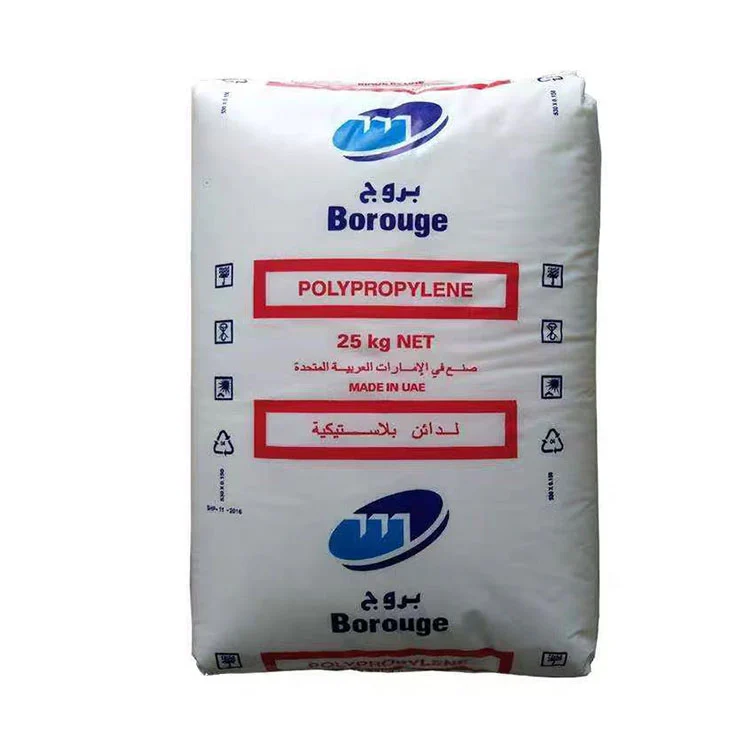
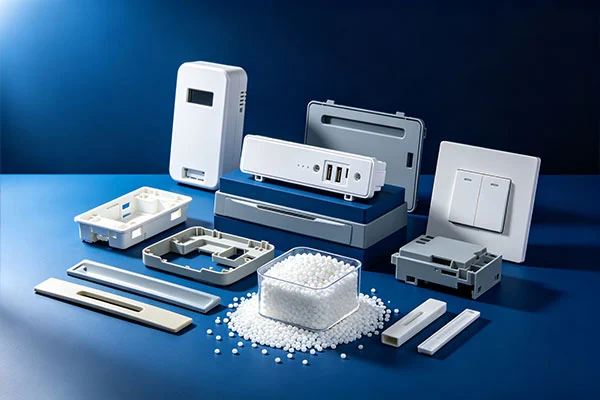
On August 15, 2026, the Ecological Environment Code of the People's Republic of China officially came into effect. The new plastic restriction order has been upgraded from voluntary guidance to legally binding enforcement, with penalties of up to 100,000 yuan reshaping the rules across the entire plastic industry chain. As a core category of commodity plastics, polypropylene has carved out a differentiated trajectory amid the policy shake-up, leveraging its recyclability, ease of modification, and broad substitution potential.
The new regulations precisely target low-value, hard-to-degrade, and highly polluting single-use plastic products, focusing on banning the production and sale of ultra-thin plastic bags and disposable foamed plastic lunch boxes. Such low-end products barely involve mainstream polypropylene materials, so the new rules have not suppressed overall polypropylene capacity. Instead, they have eliminated low-end, inefficient plastic capacity, freeing up market space for compliant modified products.
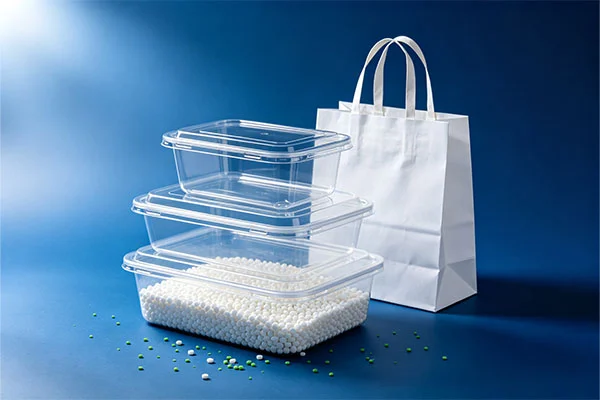
On the demand side, the plastic restriction policy is forcing downstream industries to upgrade their material substitution. After traditional non-degradable disposable plastics became restricted, the catering packaging, supermarket consumables, and daily necessities sectors have accelerated their shift toward environmentally friendly modified polypropylene materials. Drawing-grade materials, copolymer materials, and high-transparency materials—known for being non-toxic, odorless, tough, heat-resistant, and recyclable—have become core raw materials for food containers, eco-friendly meal bowls, and compliant shopping bags, directly driving a recovery in end-user procurement demand.
Market segmentation is further intensifying. Competition in low-end commodity products is becoming increasingly fierce, while high-value-added modified materials, transparent materials, and heat-resistant copolymer materials are in tight supply, continuously strengthening their pricing power. Meanwhile, the new regulations are promoting the improvement of plastic recycling systems, expanding compliant application scenarios for recycled materials and creating new profit growth points for the industry. Looking ahead, compliance, premiumization, and green development will become the core competitive barriers for polypropylene enterprises.
We use cookies to offer you a better browsing experience, analyze site traffic and personalize content. By using this site, you agree to our use of cookies. Privacy Policy