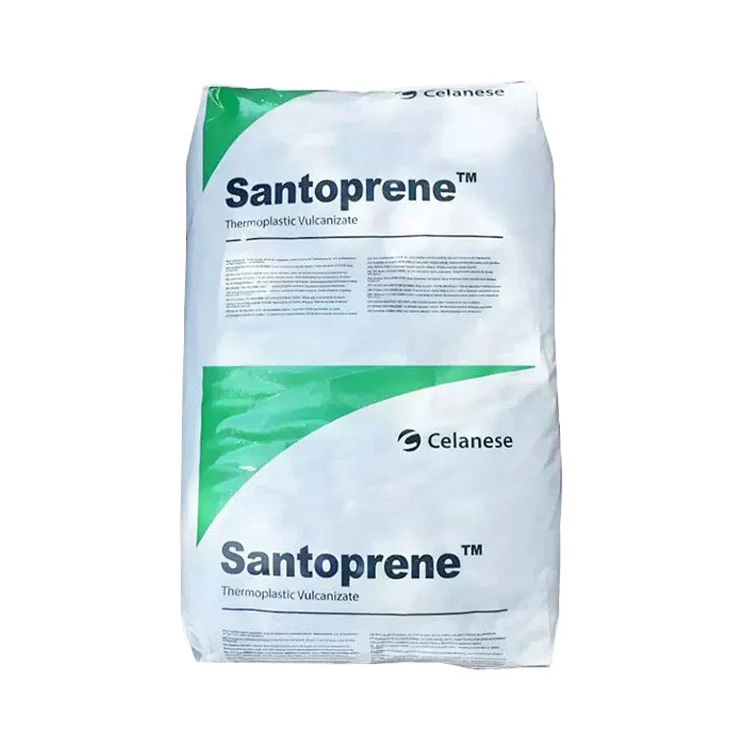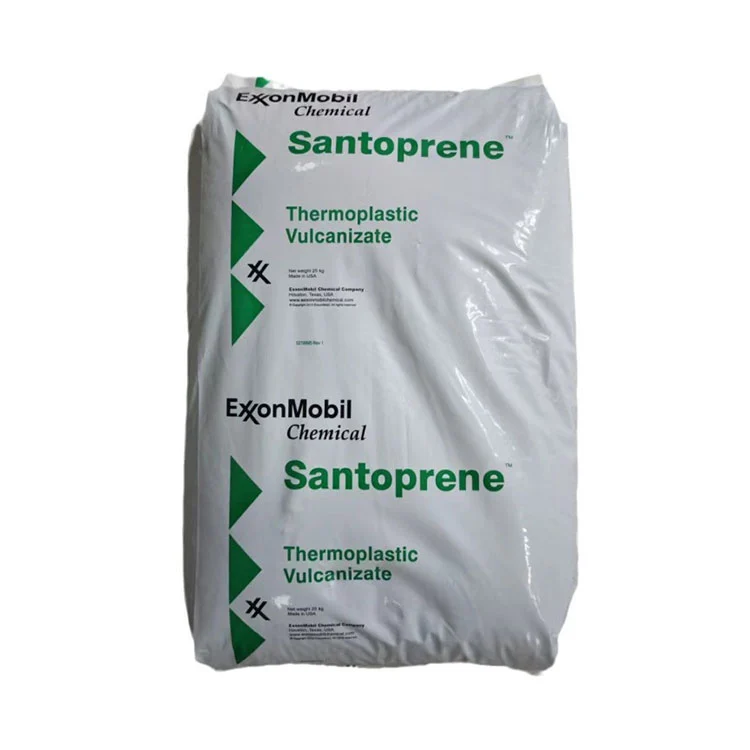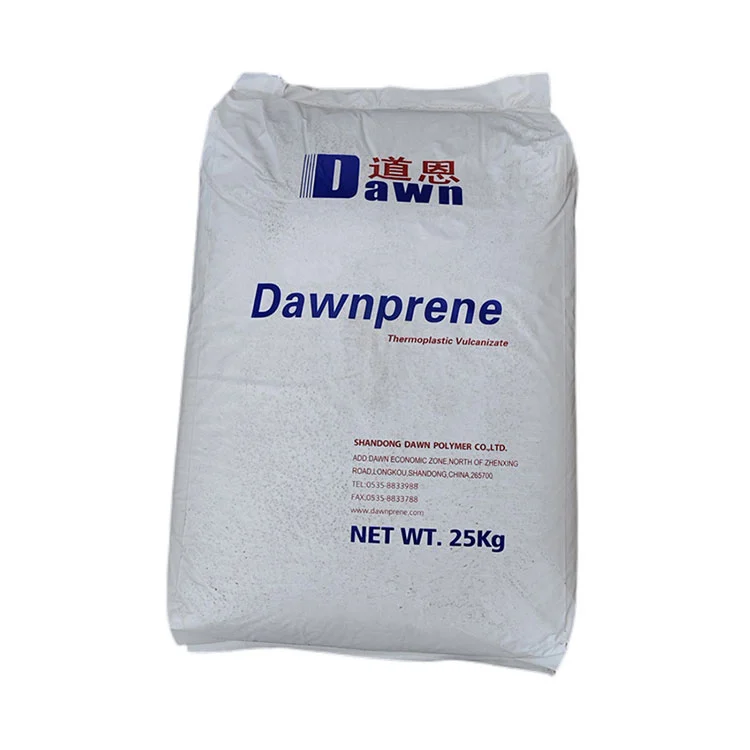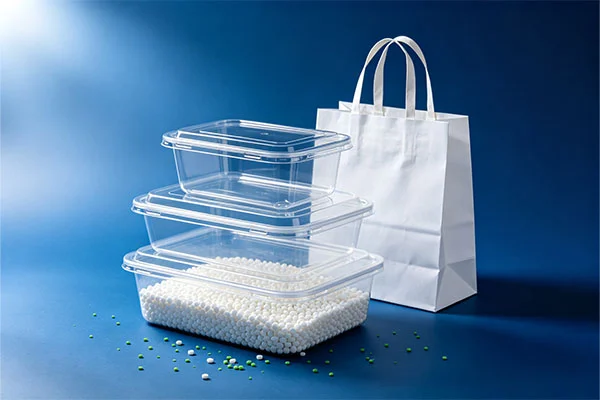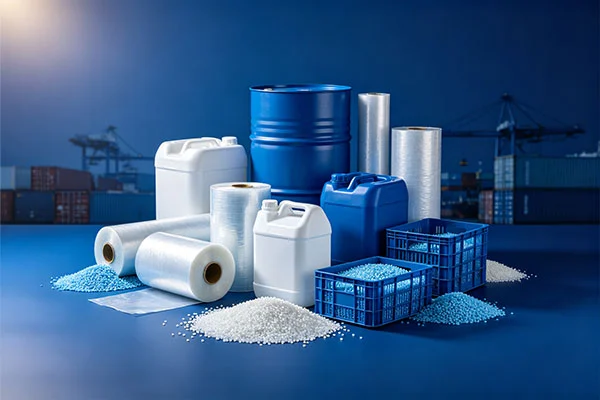
Elastomer Materials are used for products that require flexibility, resilience, impact absorption or a softer feel rather than the rigidity of conventional thermoplastics. Depending on the polymer and grade, they can be processed into films, molded parts, flexible components and modified polymer systems where elasticity, recovery and durability affect the finished product.
Nianjing's elastomer range includes EVA, POE and TPU, covering different combinations of flexibility, toughness, chemical resistance and processing behavior. As a plastic raw material supplier in China, Nianjing sources materials according to the product application, processing method, required grade, manufacturer and quantity.
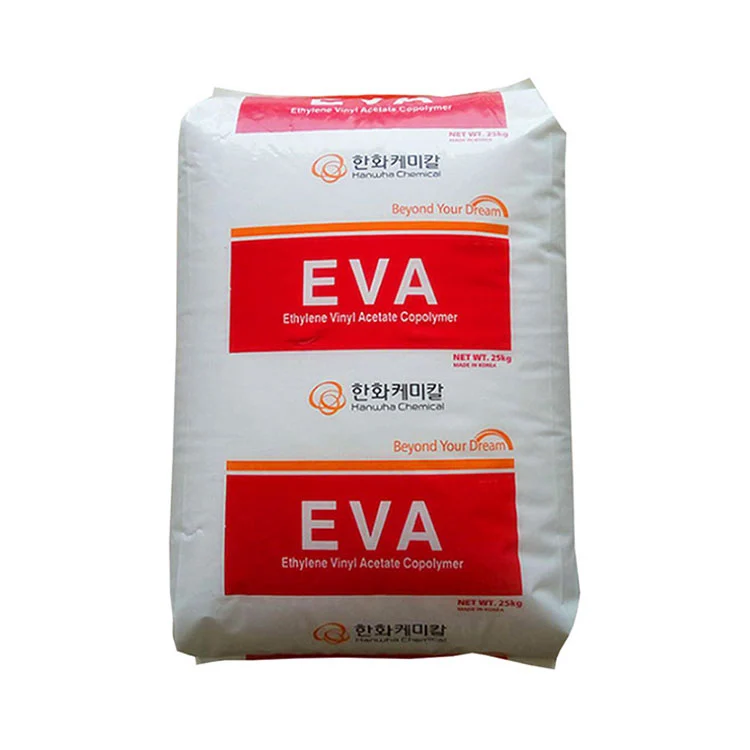
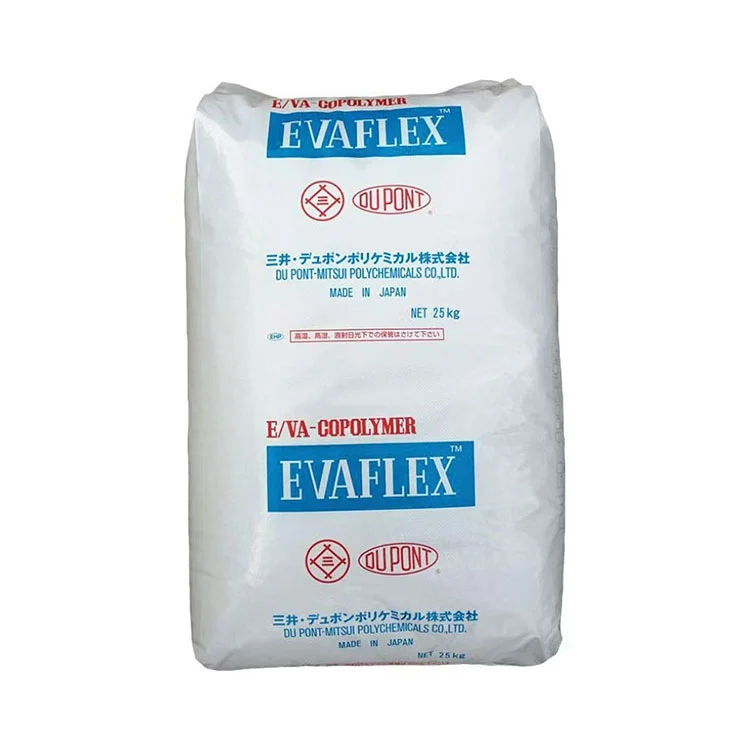
EVA (Ethylene Vinyl Acetate) is used where flexibility, impact resistance and processability are important. Its properties vary with vinyl acetate content and grade, allowing different materials to be used for films, sheets, footwear components, wire and cable applications, packaging materials and molded products. The required balance of flexibility, toughness and processing behavior should be considered when selecting an EVA grade.
POE (Polyolefin Elastomer) is a flexible polyolefin-based material used where elasticity, impact modification and compatibility with polyolefin systems are required. It can be used in automotive components, flexible molded products and polymer modification. When combined with polypropylene or other polyolefins, the appropriate POE grade depends on the required flexibility, impact performance and processing conditions.
TPU (Thermoplastic Polyurethane) combines elasticity with thermoplastic processing characteristics. It is used for flexible molded parts, seals, tubes, films, cables and protective components where flexibility, abrasion resistance and mechanical strength need to be balanced. TPU grades can vary in hardness and other performance characteristics, so the intended service conditions and processing method are important considerations.
Elastomers are selected according to how the finished product needs to behave during use. A material may need to recover after deformation, absorb impact, withstand repeated bending, provide grip or maintain a softer surface.
EVA is often considered when flexibility and processability are central to the product design. POE is useful where flexibility or impact modification is required within a polyolefin-based system. TPU is suitable for products that need elasticity together with mechanical strength and abrasion resistance.
The manufacturing process also influences material selection. Injection molding, extrusion and film production place different requirements on melt flow, temperature control and material behavior. A suitable grade therefore needs to be considered together with the intended processing method.
For an elastomer material sourcing inquiry, the finished product and manufacturing process provide a practical starting point. Depending on the application, selection may also involve hardness or flexibility, operating temperature, chemical exposure, outdoor conditions, repeated deformation and required mechanical performance.
Grade differences become particularly important when replacing an existing resin. Materials from different manufacturers may have similar general descriptions but differ in formulation, hardness, melt flow, additives and processing recommendations. An existing manufacturer and grade can therefore provide a useful reference when comparing alternatives.
Nianjing can source elastomer materials according to material type, manufacturer, grade, application, processing method and quantity. Where a specific grade has not yet been selected, information about the product and its required properties can help narrow the available options.
Nianjing supplies EVA, POE and TPU as part of its wider plastic raw material range. Specific grades and availability depend on current supply conditions, while sourcing can be based on an existing material specification or the requirements of a new application.
For customers looking for an elastomer material supplier, providing the required grade or manufacturer can make availability checking more precise. If the material specification is not yet fixed, details such as the application, processing method, required properties and estimated quantity can be used to establish a suitable sourcing specification.
Elastomer Materials form one part of Nianjing's broader product range, alongside General Plastics, Engineering Plastics and Fluoropolymer Materials. General Plastics are commonly used for general-purpose thermoplastic applications, while Engineering Plastics are selected when more defined mechanical, thermal or dimensional properties are required. Fluoropolymer Materials are used where chemical resistance or temperature resistance is a more important consideration.
Nianjing handles these material groups according to the requirements of the finished product, with individual grades considered at the level of application, processing conditions and required properties.