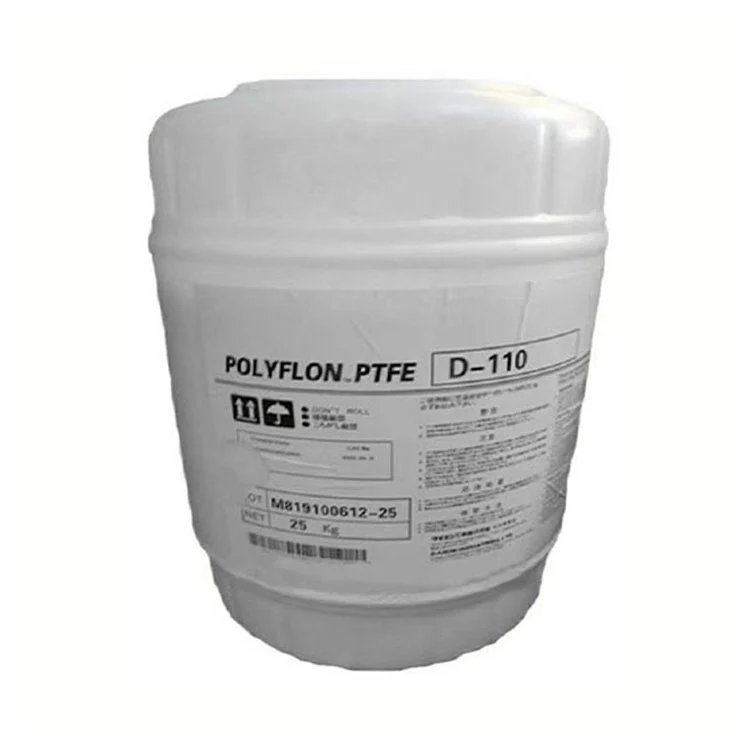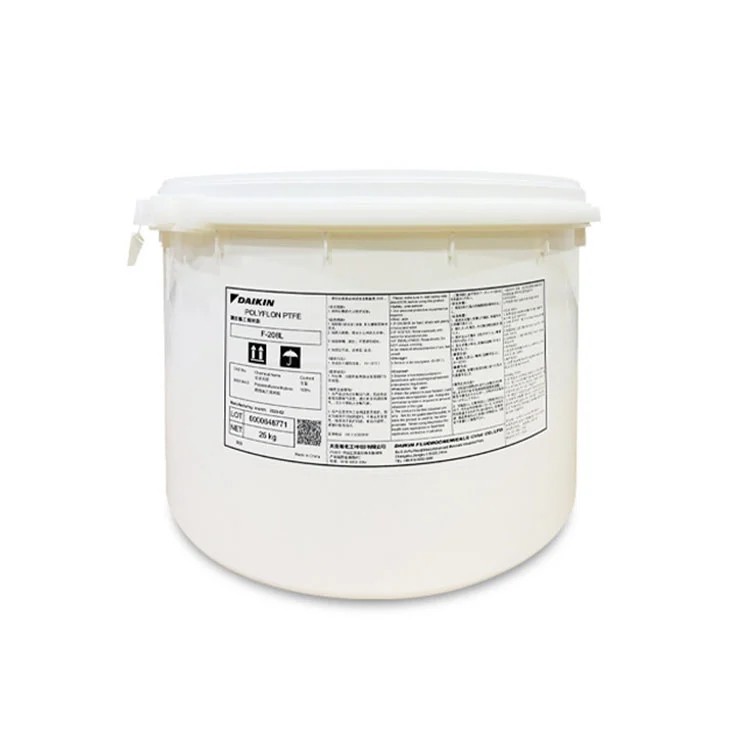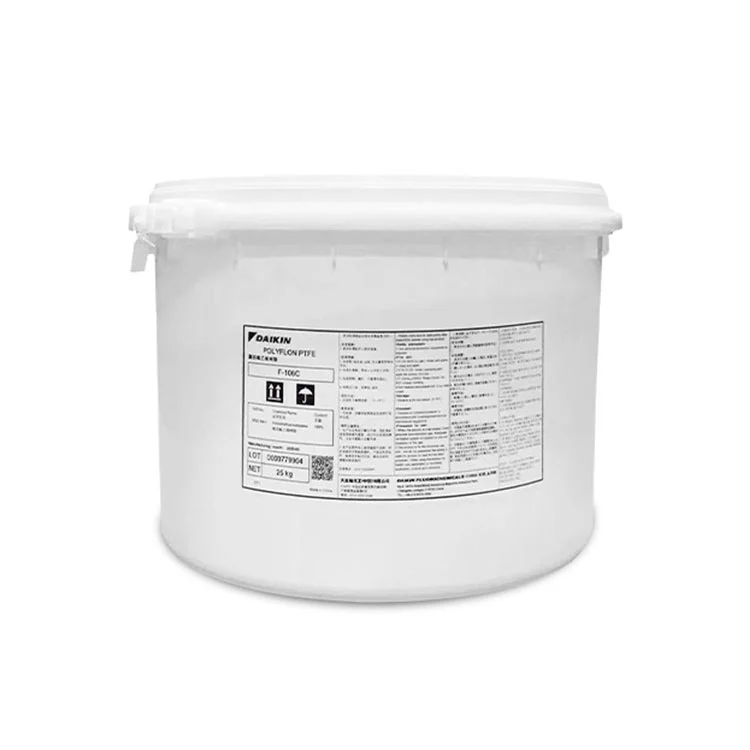
PTFE Resin is used for components requiring very low friction, high chemical resistance and stable performance across a wide temperature range. It is found in seals, gaskets, bearings, linings, electrical insulation and fluid-handling components where conventional plastics may wear, react with chemicals or lose performance under demanding conditions.
The material is not normally processed like standard thermoplastics. Its processing method, grade form and application requirements therefore need to be considered together when selecting material for a particular component.
PTFE is particularly useful when a component must slide, seal or isolate without creating significant friction or reacting with the surrounding medium. Its low surface energy also helps reduce adhesion, which can be useful where contact surfaces need to release easily or remain relatively clean.
Seals and gaskets: PTFE is used for static and dynamic sealing components exposed to chemicals, heat or demanding operating conditions. It can provide a stable sealing interface where elastomers or conventional plastics may not offer sufficient resistance.
Bearings and sliding parts: Low friction makes PTFE suitable for bushings, bearings, guide components and other sliding surfaces. These parts can be considered where lubrication is limited or where reducing friction between mating surfaces is an important design requirement.
Chemical equipment: PTFE can be used for linings, valve components, pump parts and other equipment exposed to aggressive media. It provides a chemically resistant contact surface for systems where long-term exposure to process chemicals is a primary concern.
Electrical insulation: Its dielectric properties and resistance to heat and chemicals make PTFE suitable for wire and cable insulation and other electrical components operating in demanding environments.
One important difference between PTFE Resin and melt-processable fluoropolymers such as PFA Resin is the way the material is converted into finished parts. Conventional injection molding and extrusion are generally not used for standard PTFE grades. Depending on the grade and component design, processing may involve compression molding, ram extrusion or paste extrusion, followed by sintering where applicable.
This distinction matters when selecting material. A grade intended for paste extrusion may not be suitable for a molded seal or machined component. The required material form, processing method and finished part should therefore be identified before confirming a grade.
Where conventional thermoplastic processing is required, PFA or PVDF Resin may be evaluated as alternatives. The appropriate material depends on the required combination of chemical resistance, temperature performance, mechanical properties and manufacturing method.
Grade and form: Different grades and material forms are intended for different processing routes, including molding, ram extrusion and paste extrusion. The intended manufacturing method should be stated when requesting a specific material.
Virgin or modified material: Some applications require virgin material, while others may use modified or filled grades to obtain different wear, dimensional or mechanical characteristics. If a specific material type is required, the grade designation and relevant material details should be confirmed before purchase.
Operating conditions: The chemical medium, working temperature, pressure, load, sliding speed and exposure time can all affect material suitability. The selected grade should be evaluated against the actual service conditions rather than the resin family alone.
Purity and documentation: Semiconductor, laboratory, food-contact or other controlled applications may have additional requirements for purity, packaging, traceability and technical documentation. These requirements should be confirmed for the specified manufacturer and grade.
Manufacturer, quantity and delivery: When sourcing from China, providing the manufacturer, grade, required material form, quantity and destination allows available supply to be checked more accurately. For repeat orders, retaining the original grade designation and packaging requirements can also help avoid unintended substitutions.
Nianjing is a China plastic raw material supplier located in China Plastics City, Yuyao, Zhejiang. Its product range covers commodity plastics, engineering plastics, elastomers and specialty materials, including PTFE, PFA and PVDF grades sourced according to application and supply requirements.
For manufacturers, distributors and industrial users looking for a specific fluoropolymer grade, Nianjing can check supply according to the required manufacturer, grade, processing method, specification and quantity. This is useful when a production requirement has already been defined but the available China supply still needs to be confirmed.
Where conventional PTFE processing does not match the required production method, PFA or PVDF may be evaluated according to the processing route and performance requirements of the finished component.