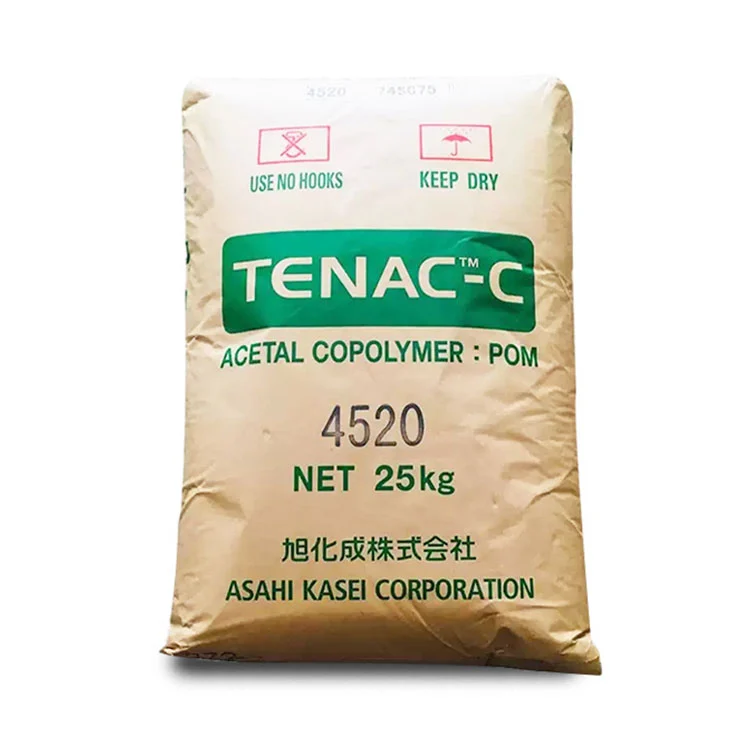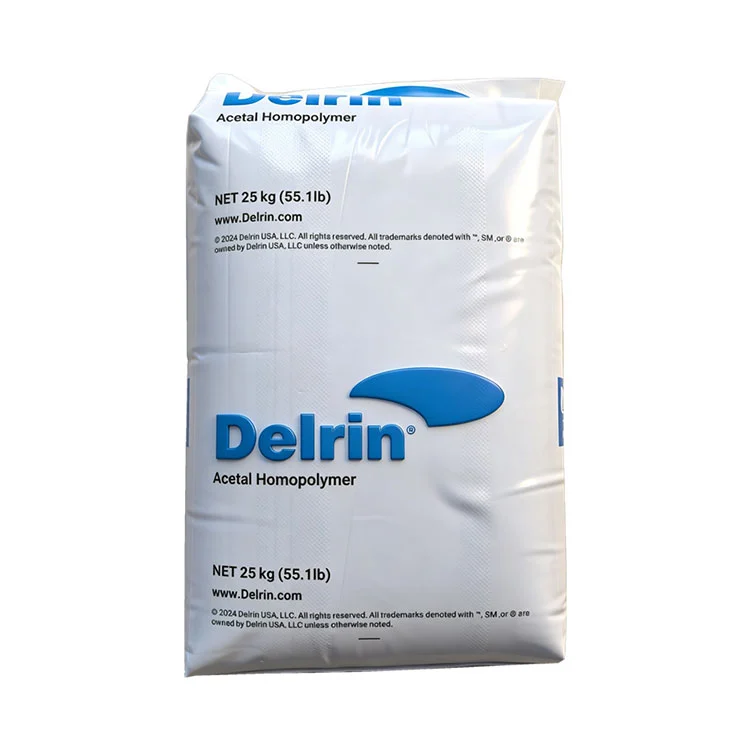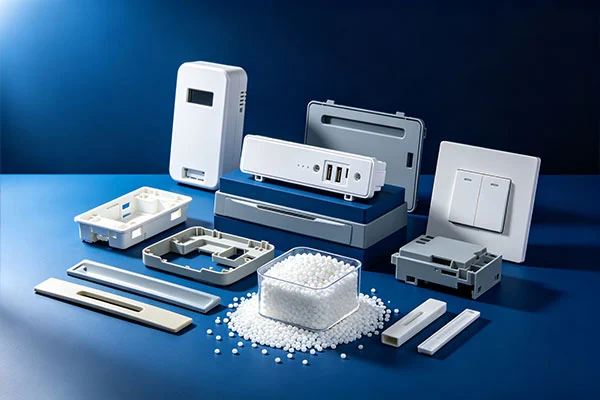
POM Plastics are commonly selected for molded mechanical parts that need to maintain their shape during repeated movement or contact. Gears, bushings, rollers, guides and similar components are typical applications, particularly where friction, wear and dimensional accuracy affect part performance.
Also known as acetal or polyoxymethylene, POM offers a combination of stiffness, wear resistance and dimensional stability for mechanical applications. Nianjing sources POM resin from China according to the required manufacturer, grade, application, quantity and delivery conditions.
POM is used in components that slide, rotate or engage with other parts during operation. In gears, dimensional consistency helps maintain tooth engagement. Bushings and guides may place greater emphasis on surface contact and wear, while clips, fasteners and precision fittings can require a balance of stiffness and dimensional accuracy.
Typical applications include automotive components, industrial equipment, appliances, pumps, valves and other products containing mechanical or motion-related parts. The required material grade depends on the load, movement, temperature and working environment of the finished component.
POM grades differ in flow behavior, molecular structure, additives and reinforcement. These differences can affect molding characteristics as well as the properties of the finished part, so the grade should be selected according to the component rather than the resin name alone.
For moving components, load, sliding or rotation speed, contact pressure and mating material are important considerations. Lubrication and surface conditions can also affect the service behavior of the part. For precision components, dimensional tolerance, shrinkage and deformation during service may require closer attention.
Temperature and chemical exposure should also be reviewed. Prolonged exposure to strong acids, strong oxidizing agents or unsuitable temperatures can restrict the use of POM. The manufacturer's technical data should be checked against the actual operating conditions.
Part geometry, wall thickness, mold design and melt flow can affect filling and final dimensions during injection molding. These factors should be considered together with the mechanical requirements when comparing POM grades.
A grade with suitable flow and predictable molding behavior may be more appropriate for a small precision component than a grade selected only for higher mechanical strength. For more demanding parts, the required balance between stiffness, wear behavior, dimensional performance and processing characteristics may lead to a different formulation.
Unfilled, modified and reinforced POM grades are available for different mechanical and processing requirements. The specific formulation and recommended molding conditions should be confirmed from the manufacturer's technical documentation before production.
POM Plastic overlaps with several engineering plastics, but each material is normally selected for a different combination of performance requirements.
| Material | Main Selection Considerations | Typical Applications |
|---|---|---|
| POM | Repeated movement, wear, friction and dimensional consistency | Gears, bushings, guides and precision mechanical parts |
| PA66 Nylon | Mechanical strength, stiffness and wear performance | Automotive and mechanical components |
| PBT Plastic | Electrical performance, dimensional stability and molding characteristics | Electrical, automotive and precision components |
| PC Plastic | Impact resistance, transparency and heat-related requirements | Housings, lighting and automotive components |
Material substitution should be based on the requirements of the finished part. A moving mechanism may require closer evaluation of load, speed and contact conditions, while an electrical component may place greater emphasis on insulation and thermal performance.
A manufacturer and grade provide a useful starting point when the material has already been specified. If the grade is still under evaluation, information about the component and its operating conditions helps narrow the available options.
| Item | Information to Provide |
|---|---|
| Application | Gear, bushing, guide, roller, valve part, clip or other component |
| Manufacturer | Specified manufacturer or acceptable alternatives |
| Grade | Required grade number or target specification |
| Operating Conditions | Load, speed, temperature, moisture, chemicals and lubrication |
| Part Requirements | Dimensional tolerance, stiffness, friction, wear or other requirements |
| Processing | Injection molding and relevant processing conditions |
| Quantity | Sample, trial, regular production or bulk requirement |
| Delivery | Destination, packaging and required schedule |
For a specified grade, the technical data should be reviewed for properties relevant to the application, including melt flow, tensile strength, flexural performance, impact resistance and thermal characteristics. When the grade is not yet fixed, the component function and operating conditions provide a practical basis for comparing available materials.
Nianjing operates from China Plastics City in Yuyao, Zhejiang, an established trading area for plastic raw materials. The company sources POM according to specified manufacturers, grades and purchasing requirements.
As a China plastic raw material supplier, Nianjing handles POM together with General Plastics, engineering plastics, elastomers and specialty materials. Its engineering plastics range includes PA66, PBT, PMMA and PC, while ABS, PP and PE form part of its General Plastics range.
Manufacturers, distributors and industrial material users can provide the required grade, manufacturer, application, quantity and destination when requesting POM resin. If the grade has not yet been determined, the component's function and required performance can be used as the starting point for sourcing POM Plastics.