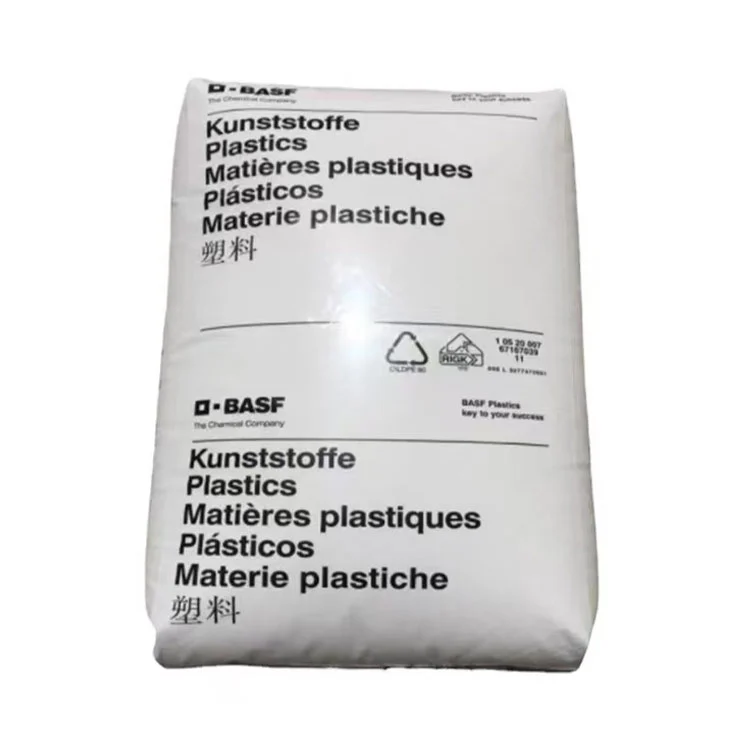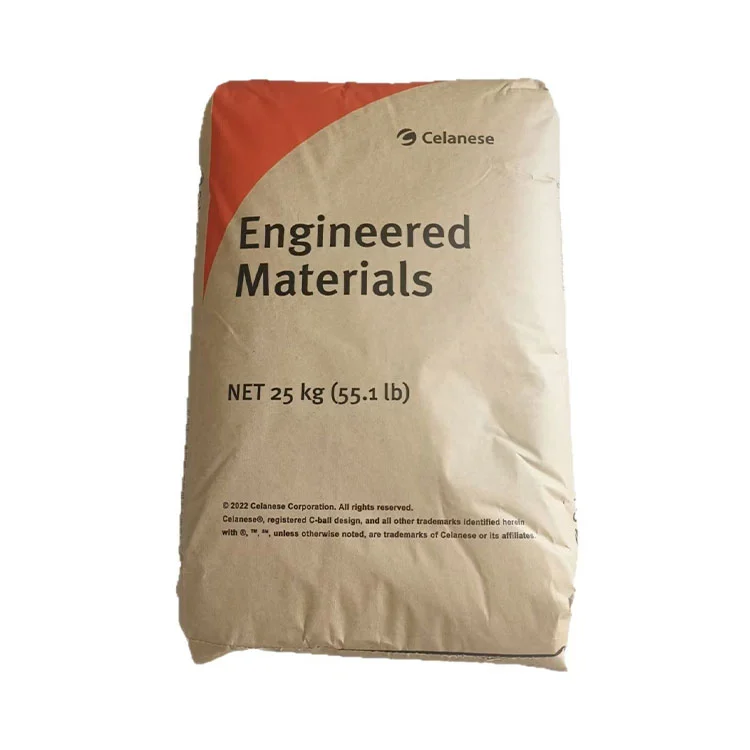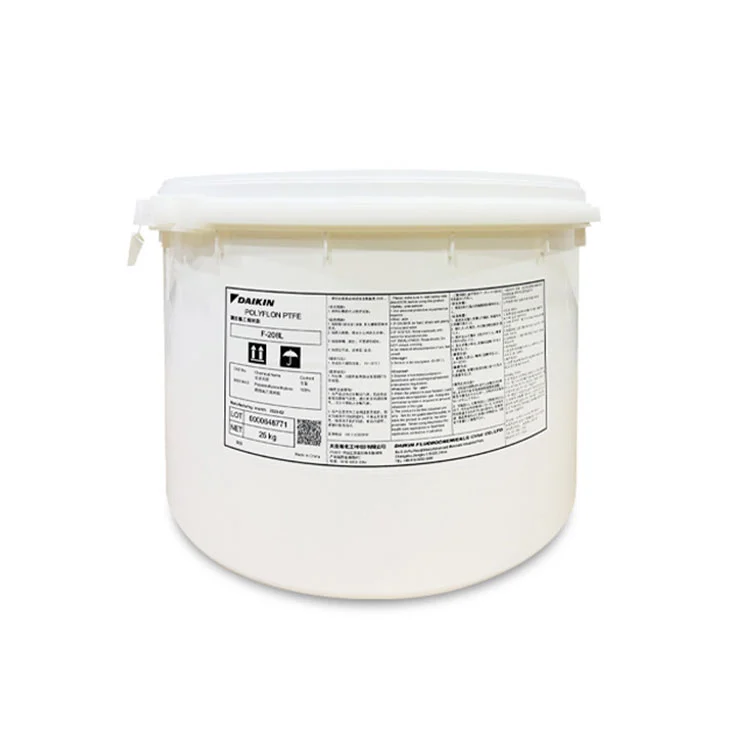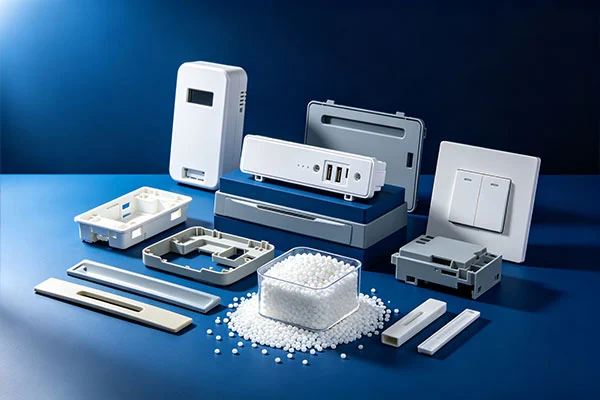
PA66 Nylon, also known as Nylon 66, is used for molded engineering components that require a combination of strength, stiffness and heat resistance. It is commonly found in automotive, electrical and industrial parts where the material needs to maintain its mechanical performance under load and elevated service temperatures.
Nianjing sources PA66 resin from China according to the required manufacturer, grade, application, quantity and delivery conditions. Unfilled and reinforced grades may be available for general engineering parts as well as components requiring higher stiffness, strength or heat resistance.
PA66 is used in automotive, electrical, industrial and mechanical components such as brackets, housings, fasteners, gears and connectors. Grade requirements vary with the component: structural parts may require higher stiffness, while electrical components may place greater importance on insulation, flame behavior or dimensional stability. Thin-wall parts also require suitable flow characteristics for injection molding.
Unfilled PA66 is commonly used for general engineering parts, while glass-fiber or mineral-reinforced grades are selected when higher stiffness, strength or dimensional stability is required. Modified grades may also be available for heat aging, flame resistance or specific processing requirements.
When comparing materials, the manufacturer's technical data should be reviewed for tensile strength, flexural modulus, impact performance, heat resistance, moisture condition and recommended molding parameters. Grade selection should reflect the part design, operating temperature, moisture exposure and required mechanical performance.
For applications where PA66 is not the only option, other engineering plastics may provide a different balance of properties. POM Plastic is commonly considered for parts requiring low friction, wear resistance and dimensional consistency, while PBT Plastic is used in applications requiring dimensional stability, electrical performance and resistance to heat and chemicals.
PA66 absorbs moisture from the surrounding environment, which can affect processing, dimensions and mechanical properties. Before injection molding, the resin should be dried according to the conditions specified for the selected grade.
Moisture exposure can also affect the performance of the finished component. For parts with tight dimensional tolerances or service in humid conditions, material performance should be evaluated under the expected operating environment rather than only from dry-state data.
PA66 can be injection molded into mechanical, automotive and electrical components. Part geometry, wall thickness, mold design and melt flow behavior can affect filling, shrinkage, surface appearance and final dimensions.
Glass-fiber and mineral-reinforced grades require particular attention to flow and dimensional behavior because reinforcement can influence shrinkage and part geometry. Molding conditions should follow the manufacturer's recommendations for the selected grade.
PA6 and PA66 are both nylon engineering plastics and are used in many similar applications, but their properties are not identical. PA66 is often considered where higher heat resistance is required, while PA6 is widely used for applications requiring a balance of strength, toughness and processing characteristics.
| Consideration | PA66 | PA6 |
|---|---|---|
| Heat Resistance | Often chosen where higher heat resistance is required | Suitable for a wide range of engineering applications |
| Mechanical Properties | High strength and stiffness, depending on grade and moisture condition | Good strength and toughness, depending on grade and moisture condition |
| Moisture | Moisture can affect dimensions and mechanical properties | Also moisture-sensitive and should be evaluated under service conditions |
| Typical Uses | Automotive, electrical and mechanical components | Automotive, industrial and consumer components |
The choice between PA6 and PA66 depends on the required temperature range, mechanical performance, moisture conditions, processing method and specifications of the finished component.
When a grade has already been approved, the manufacturer, grade number and required quantity provide the main sourcing information. If material selection is still open, details about the application and service conditions help narrow the suitable grades.
| Selection Point | Details to Confirm |
|---|---|
| Application | Automotive, electrical, industrial, mechanical or other end use |
| Grade | Required grade number or target specification |
| Manufacturer | Specified manufacturer or acceptable alternatives |
| Reinforcement | Unfilled, glass-fiber reinforced, mineral reinforced or other formulation |
| Service Conditions | Temperature, humidity, load, chemicals and expected operating environment |
| Processing | Injection molding and relevant part or molding requirements |
| Performance | Strength, stiffness, impact, dimensional or electrical requirements |
| Quantity | Sample, trial production or regular production volume |
Nianjing sources PA66 from China according to specified manufacturers, grades and purchasing requirements. The company operates from China Plastics City in Yuyao, Zhejiang, where plastic raw materials across engineering and commodity categories are traded.
As a China plastic raw material supplier, Nianjing supplies PA66 together with other engineering resins, including POM Plastic, PBT Plastic and PC Plastic. The range also covers ABS, PP, PE, elastomers and specialty materials for different processing and application requirements.
For a PA66 sourcing request, manufacturers, distributors and industrial material users can provide the required manufacturer, grade, application, quantity and destination. If the grade is not fixed, Nianjing can use the application and material requirements as the basis for sourcing suitable options.