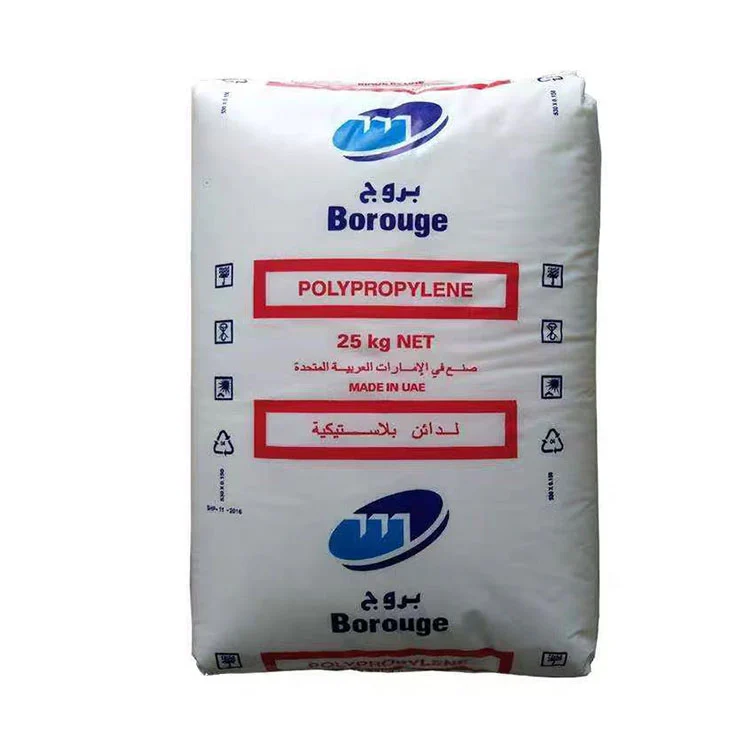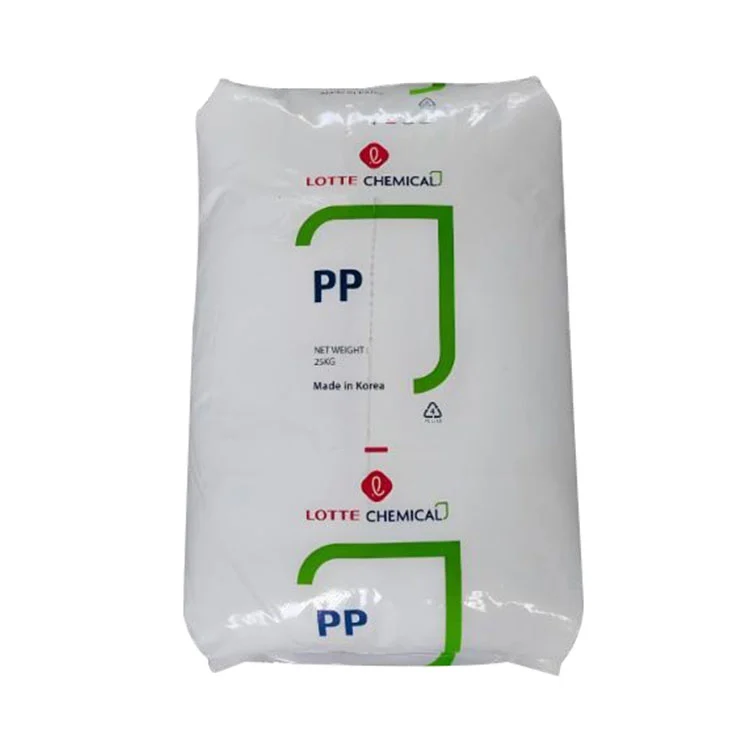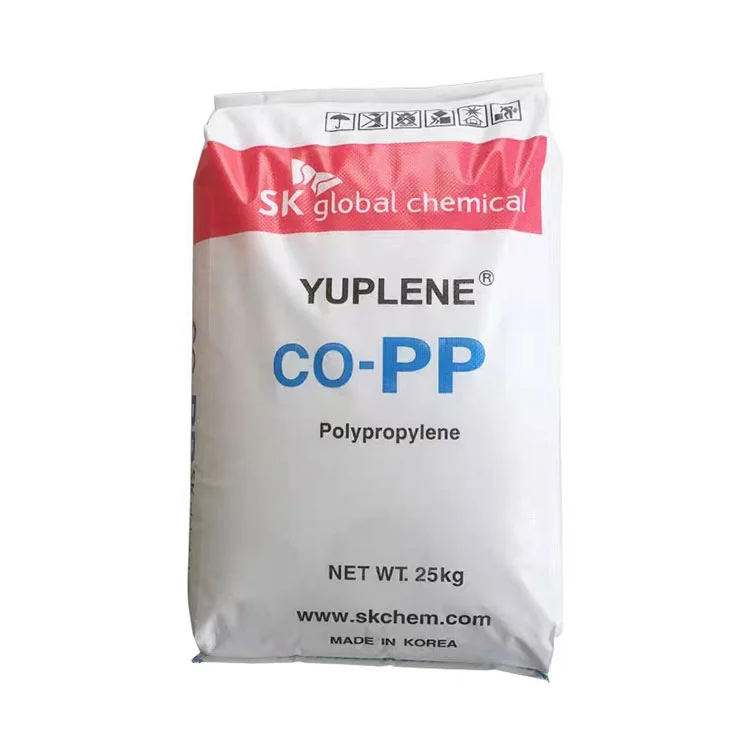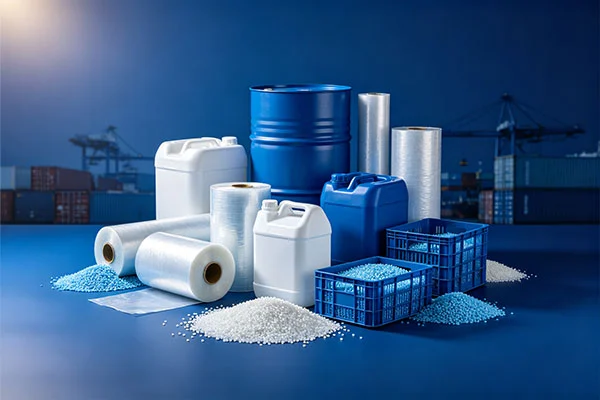
PP Plastics, also known as polypropylene resin or PP resin, are a thermoplastic material used for injection molding, extrusion, blow molding and film production. Its low density, moisture resistance, chemical resistance and processing flexibility make it suitable for packaging, household products, automotive components and general industrial parts.
Nianjing supplies PP materials according to grade, manufacturer, application, processing method and quantity. For manufacturers sourcing polypropylene from China, these details help define a material requirement that fits the intended production process.
PP has a relatively low density, making it useful for products where material weight needs to be controlled. It also resists moisture and many common chemicals, which supports its use in packaging, household products and industrial components.
Suitable grades can provide a useful balance of stiffness and toughness. PP also withstands repeated flexing in certain applications, making it suitable for components such as caps, closures and living hinges.
Material properties vary by grade and manufacturer. Melt flow, stiffness, impact behavior, additives and processing characteristics should be checked when a specific performance requirement is involved.
PP is used across several manufacturing sectors.
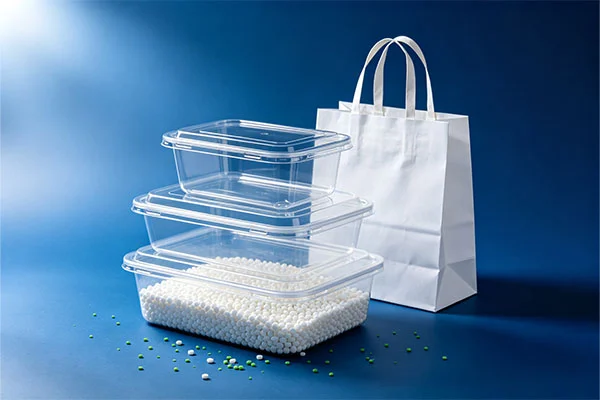
Packaging: Containers, caps, closures and films can use PP where low weight, moisture resistance and chemical resistance are required.
Automotive: PP grades are used for molded components where low density and practical mechanical performance are relevant.
Household Products: Storage containers, kitchenware, appliance components and other daily-use products are commonly produced from PP.
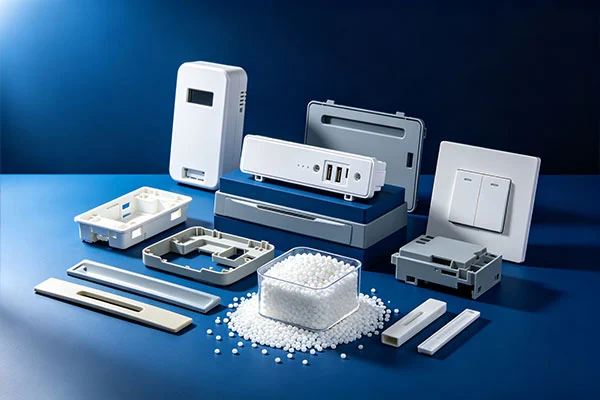
Industrial Products: Depending on the grade, PP can be processed into molded parts, sheets, films, profiles and other components.
A finished product can therefore require a different PP grade even when the basic material is the same. Processing conditions and required properties need to be considered together.
PP can be processed by injection molding, extrusion, blow molding and film production. The processing method is an important part of grade selection.
For injection molding, melt flow and filling behavior can affect how the resin performs in different part geometries and wall thicknesses. Extrusion and film production may require different melt characteristics and processing stability. Blow molding also requires a grade suited to the forming process.
When sourcing PP, the processing method and finished-product application are useful starting points. If a resin is already in use, its manufacturer and grade can be provided when sourcing the same material or a comparable option.
PP is available in homopolymer and copolymer grades, with differences in stiffness, toughness and impact performance.
Homopolymer grades are often considered where rigidity is important. Copolymer grades may be more suitable when greater toughness or impact resistance is required, depending on the specific formulation.
Technical data and processing conditions should be reviewed alongside the finished-product requirements when selecting a grade.
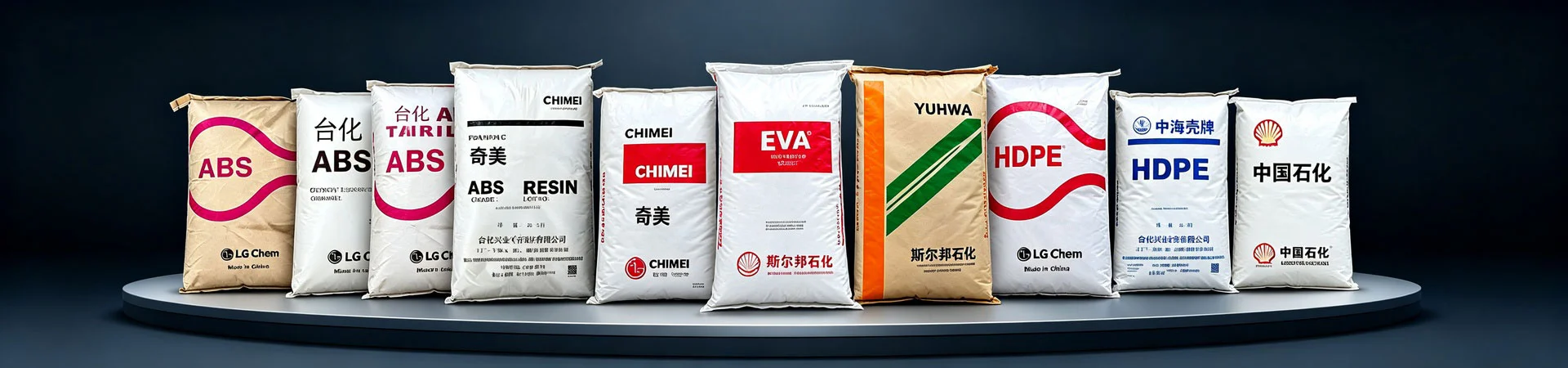
PP is one of the commonly used commodity thermoplastics. PE Plastic and ABS Plastic may serve some overlapping applications, but their properties and processing behavior are different.
PP is often used for lightweight products where moisture resistance, chemical resistance, stiffness and practical processing characteristics are required.
PE Plastic includes materials such as HDPE and MDPE. Depending on the grade, PE can provide toughness, moisture resistance or flexibility for applications including containers, pipes, films and packaging.
ABS Plastic is commonly used for molded products where rigidity, impact performance and surface appearance need to be considered together.
These materials can sometimes be evaluated for a similar product, but substitution should be based on the specific grade and processing requirements rather than the material name alone.
A clear material specification makes PP sourcing easier to evaluate. The following information is useful when requesting a grade:
Manufacturer or grade: Provide the existing brand and grade if the material has already been specified.
Processing method: Injection molding, extrusion, blow molding or film production can affect the suitable grade.
Application: The finished product provides context for the required material properties.
Quantity: Required order quantity or estimated regular demand helps define the sourcing requirement.
Technical requirements: Melt flow, stiffness, impact performance, chemical resistance or other known requirements can be included.
Nianjing can source PP resin based on an existing grade specification. When the grade has not been selected, the application, processing method and material requirements can be used to organize the sourcing request.
PP Plastic is commonly used for packaging, containers, caps, household products, automotive components, films and molded or extruded parts. The suitable grade varies according to the product and manufacturing process.
PP and PE are both widely used commodity thermoplastics, but they differ in density, stiffness, flexibility and processing behavior. PP is often used for lightweight and relatively rigid products, while different PE grades can provide higher toughness or flexibility.
ABS Plastic is commonly considered where rigidity, impact performance and surface appearance are important. PP is often selected where lower density, moisture resistance, chemical resistance and processing flexibility are more relevant.
Consider the product design, wall thickness, processing conditions and required mechanical properties. Melt flow and the manufacturer's processing recommendations should also be reviewed.
Yes. An existing manufacturer, grade or technical specification can be provided for sourcing confirmation. Application and processing information can also be supplied when the exact grade has not been determined.
The main information includes the manufacturer or grade, processing method, application and required quantity. Known technical requirements can also be provided to help identify a suitable material.