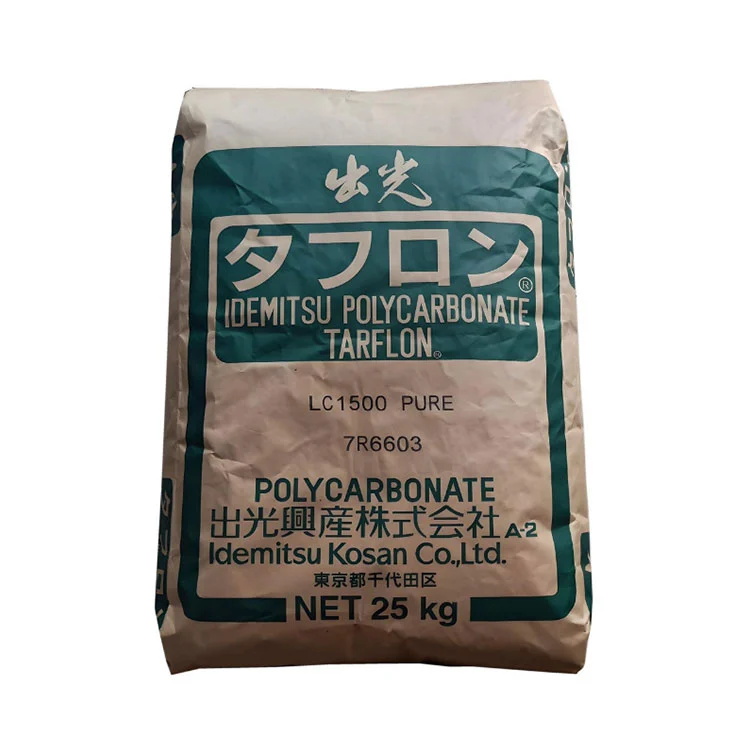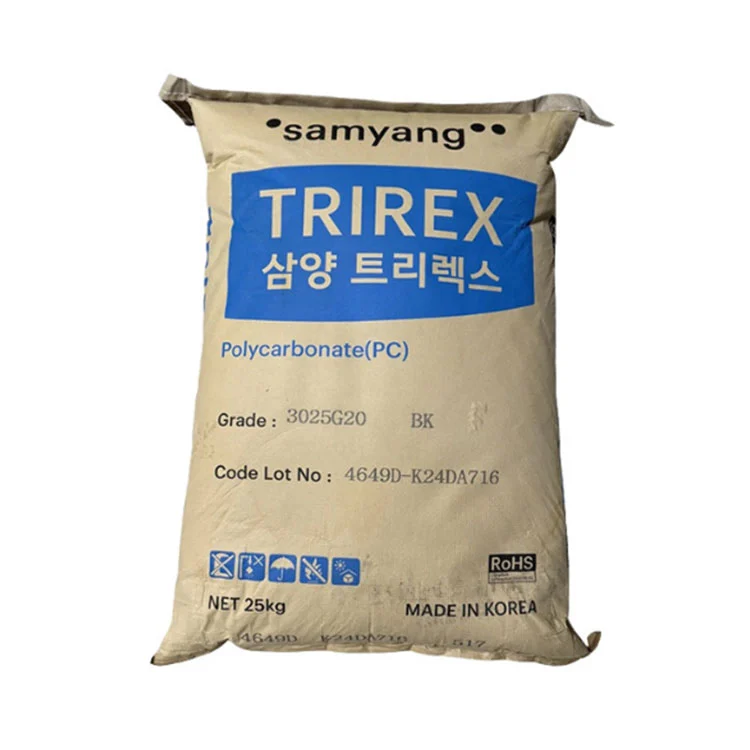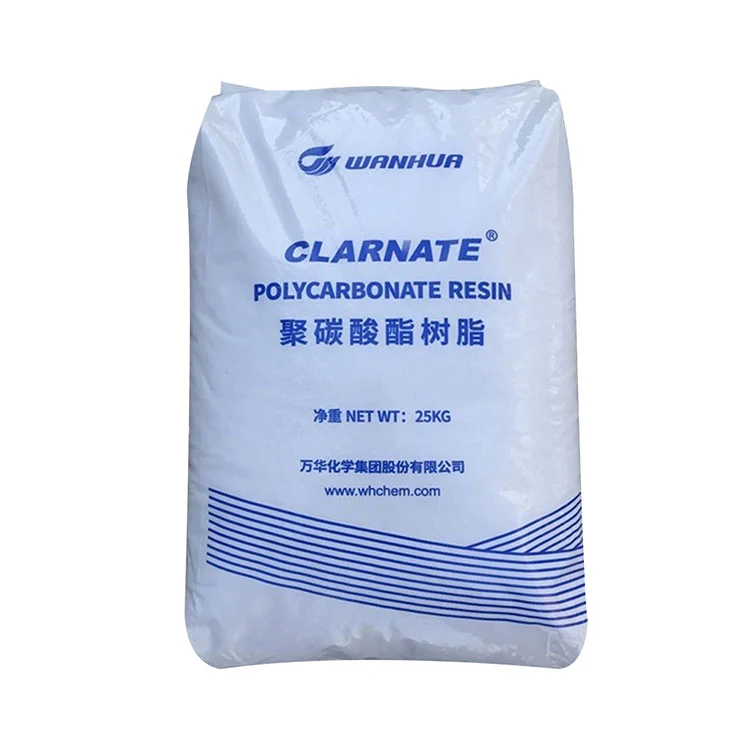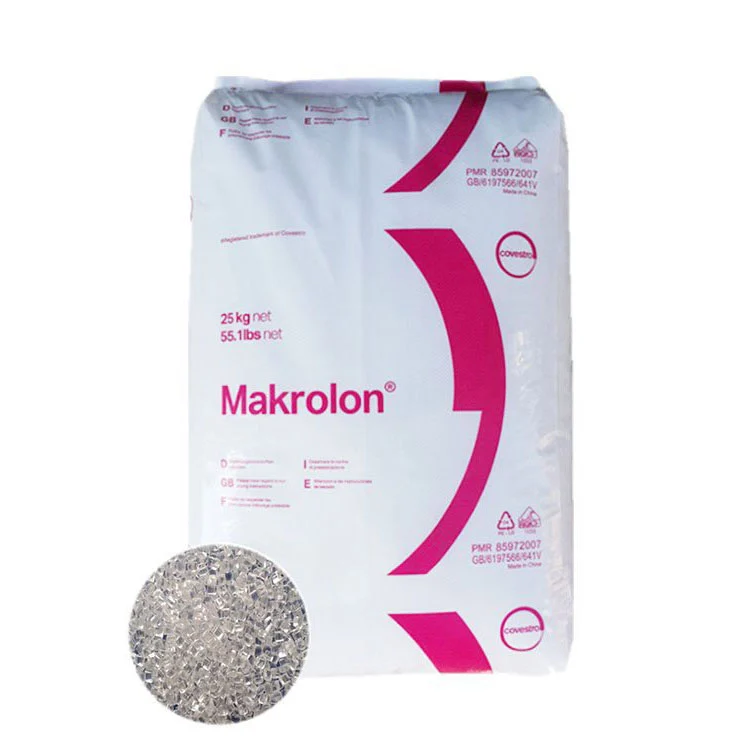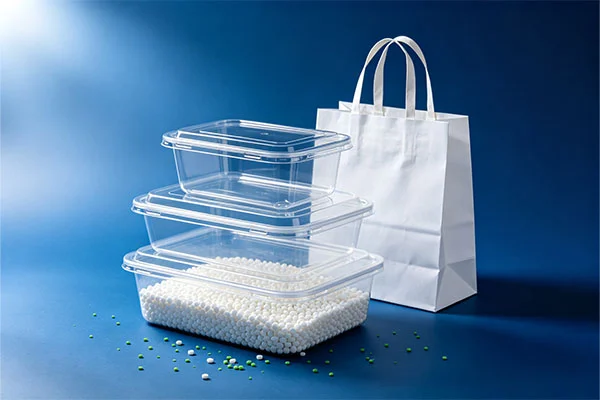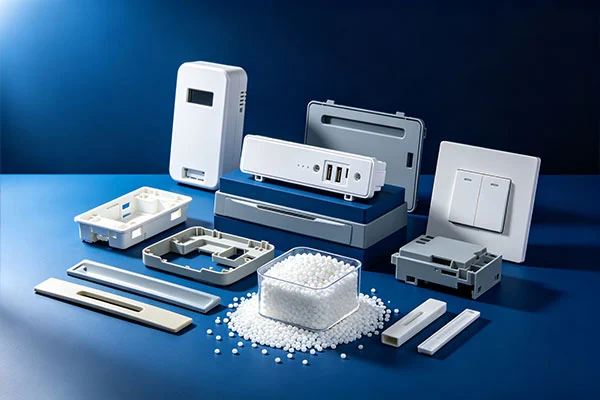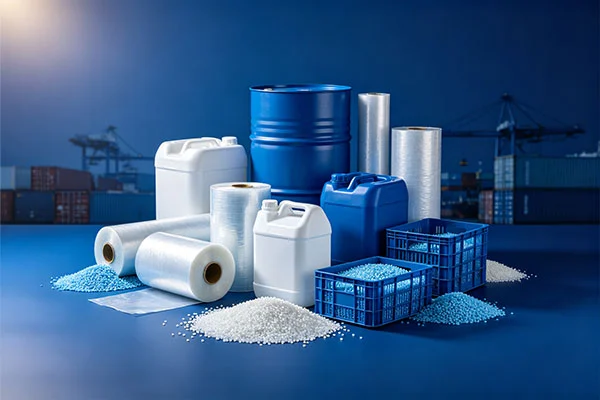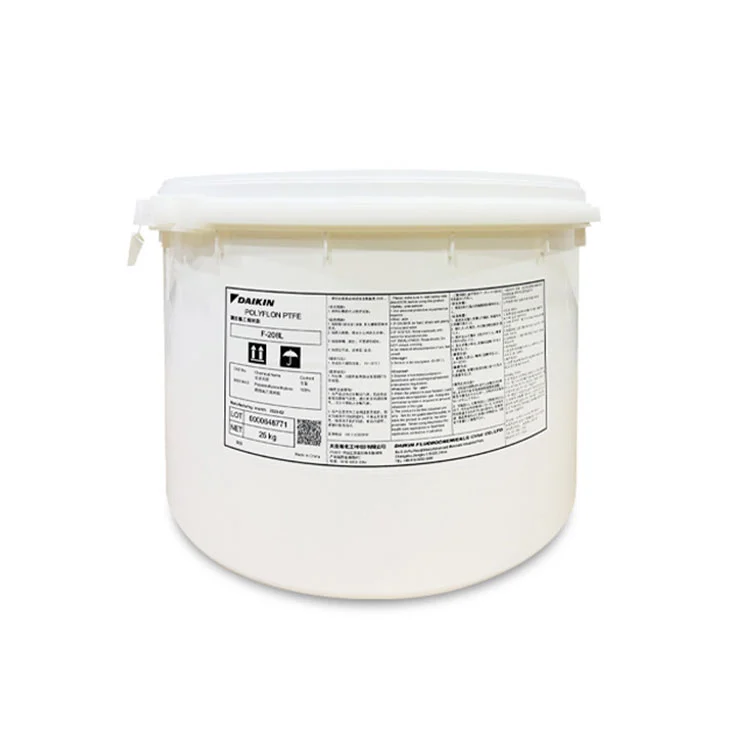
PC Plastics are polycarbonate engineering resin used for molded parts where impact resistance, dimensional stability and heat performance are important. Depending on the grade, it can also be selected for transparent parts, electrical components and applications with specific processing or compliance requirements.
Nianjing supplies PC resin from China for injection molding and other processing requirements. Material sourcing can be based on the required manufacturer, grade, application, quantity and delivery conditions, helping manufacturers identify a suitable resin rather than treating all PC grades as interchangeable.
PC is often chosen for parts exposed to handling, vibration or occasional impact during use. Its impact resistance can help reduce the risk of brittle failure, while its dimensional stability supports molded parts that require consistent fitting or assembly.
Common applications include electrical and electronic housings, automotive components, appliance parts, lighting components, protective covers, industrial equipment and consumer products. Selected grades are also used for transparent or translucent molded parts where optical properties and surface appearance are part of the material requirement.
The required grade depends on the actual working conditions. An electronic housing may require flame-retardant performance, while an automotive component may place greater emphasis on impact strength and heat resistance. For a transparent part, optical properties and surface appearance become more important than they would be for a conventional structural component.
PC grades are developed for different processing conditions and end-use requirements, so the material name alone is not enough for grade selection. Before ordering, manufacturers should consider the molding process, part geometry, required mechanical properties, operating temperature, appearance and any regulatory or application-specific requirements.
Melt flow is particularly relevant to injection molding because it affects how the resin fills the mold and how processing conditions are established. Higher-flow grades may be considered for complex geometries or thinner sections, while other grades may be preferred when mechanical performance or heat resistance has greater importance. The manufacturer's technical data should be used to verify the suitability of a specific grade.
For applications with additional requirements, such as flame retardancy, transparency or specific compliance documentation, the exact grade and supporting technical information should be confirmed before production.
PC is not necessarily the best choice for every engineering plastic application. POM Plastic is often considered for components requiring low friction, wear resistance and dimensional precision, such as gears, bushings and moving parts. PA66 Nylon is commonly evaluated for mechanical components where strength, stiffness and wear performance are important. PBT Plastic is frequently used for electrical, automotive and precision molded components where dimensional stability and processing characteristics are relevant.
The comparison should therefore be based on the working conditions of the finished part rather than on the material category alone. Temperature, mechanical load, movement, moisture exposure, appearance and processing requirements can all influence the final material choice.
A clear material specification helps reduce errors when sourcing PC resin, particularly when the same material family is available in grades from different manufacturers. For a sourcing inquiry, Nianjing can check the relevant supply conditions based on the following information:
| Specification | What to Provide | Why It Matters |
|---|---|---|
| Material | PC or a PC-based resin | Defines the basic material required for the application. |
| Manufacturer | Required brand or acceptable alternatives | Helps identify the appropriate supply source and available grades. |
| Grade | Specific grade number, if already selected | Allows the required technical specifications and current availability to be checked. |
| Processing | Injection molding or other intended process | Processing requirements can affect the suitable grade and melt flow range. |
| Application | Automotive, electronics, appliances, industrial parts, transparent components or other end use | Provides the basis for evaluating the required mechanical, thermal, optical or other properties. |
| Quantity | Trial quantity, regular production volume or bulk requirement | Helps determine the appropriate supply and purchasing arrangement. |
| Delivery | Destination, packaging requirements and expected delivery schedule | Supports availability confirmation and delivery coordination. |
If the exact grade has already been specified, the technical data sheet can be used to verify melt flow, impact strength, tensile properties, heat resistance and other relevant values. Where the grade has not yet been selected, the intended application and required performance provide a practical starting point for material screening.
Nianjing operates in China Plastics City, Yuyao, Zhejiang, where plastic raw material suppliers, distributors and related trading resources are concentrated. For PC sourcing, this local supply network provides access to different manufacturers, grades and current availability, which is useful when a specified material needs to be checked against actual supply conditions.
As a China plastic raw material supplier, Nianjing handles PC together with General Plastics, engineering plastics and specialty materials. Customers can provide a known manufacturer and grade for availability checking, or describe the application and required properties when the exact grade has not yet been determined.
For manufacturers, distributors and industrial material users sourcing PC resin from China, providing the grade, manufacturer, required quantity and intended application at the inquiry stage helps Nianjing identify the appropriate supply option and confirm current availability more efficiently.
Yes. PC is widely processed by injection molding, but the suitable grade and processing conditions depend on melt flow, part geometry, required mechanical performance and surface requirements. Before production, the selected grade should be matched with the molding equipment, mold design and finished-part specifications.