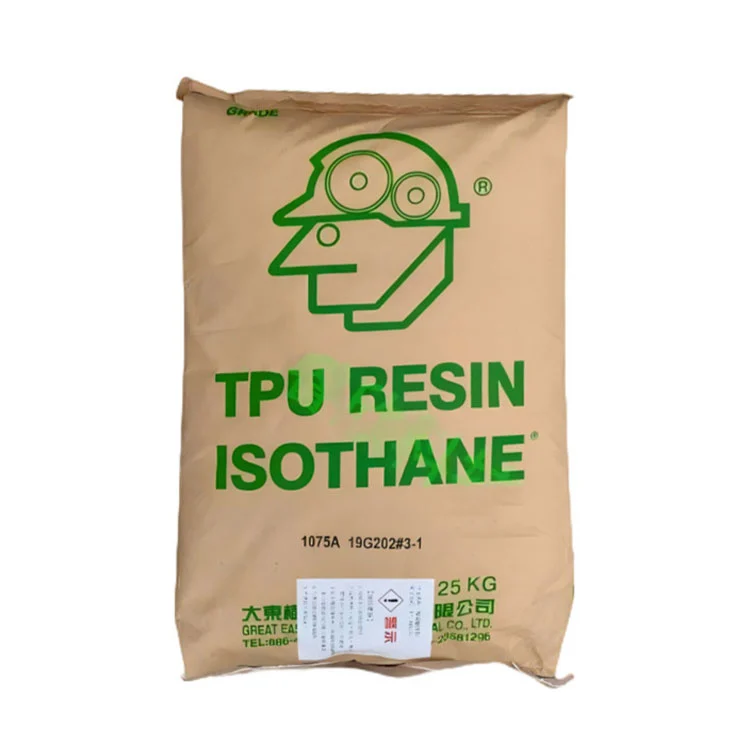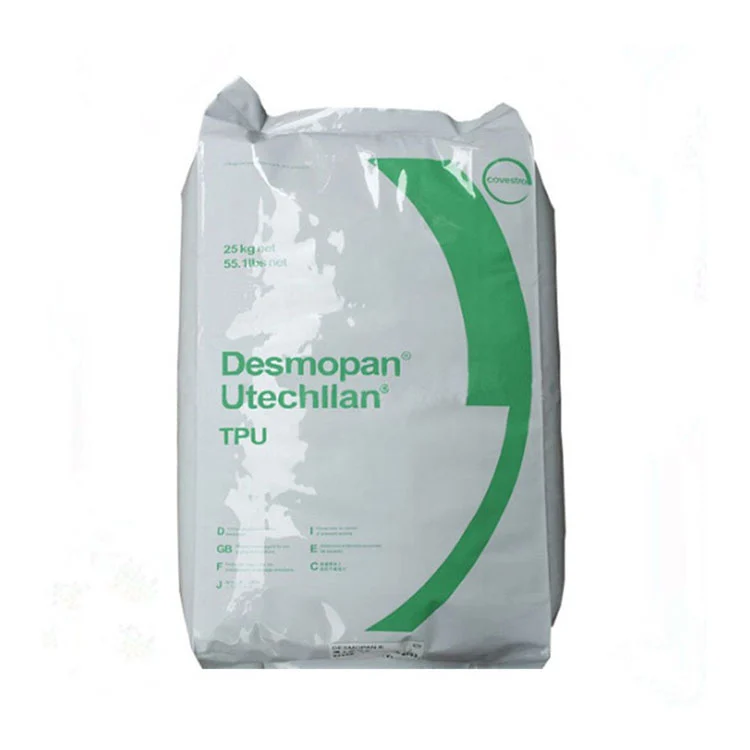
TPU Resin, or thermoplastic polyurethane, is a thermoplastic elastomer used for flexible parts that require elastic recovery, abrasion resistance and resistance to repeated deformation. It can be processed by injection molding and extrusion and is available in different hardness levels and grades.
Common applications include seals, flexible tubing, rollers, wheels, cable components, protective parts and footwear components. Grade selection is mainly related to hardness, polymer type, processing method, part design and service conditions.
TPU is used for components that need to bend, compress or recover during use. Softer grades are suited to more flexible parts, while harder grades can provide greater stiffness and mechanical strength.
Seals and tubing generally require elasticity and recovery. Rollers and wheels place more emphasis on abrasion resistance and mechanical load. Cable components may require flexibility and resistance to the surrounding environment. Automotive, footwear and consumer applications can also have requirements for surface characteristics and processing consistency.
Hardness affects the balance between flexibility and stiffness. The required Shore hardness should be considered together with part thickness, geometry, deformation and mechanical load. A softer grade may not provide sufficient support for a rigid molded component.
TPU is commonly available in polyester-based and polyether-based grades. Their resistance to hydrolysis, abrasion, oils and certain chemicals can differ. The choice should reflect the moisture, chemical and service conditions of the application.
Injection molding and extrusion are common processing methods for TPU. Drying requirements, processing temperature and melt behavior vary between grades and should be checked against the manufacturer's technical data. For material replacement, the existing grade and production process are useful references.
Temperature, moisture, oils, chemicals, abrasion and repeated flexing can affect TPU performance. These conditions are particularly relevant for industrial components and parts subject to continuous movement.
TPU is one of several thermoplastic elastomer materials used for flexible and resilient components. EVA Resin can be considered for applications requiring flexibility, low-temperature performance or lightweight construction. TPV Resin can be considered where rubber-like elasticity, thermoplastic processing and resistance to heat or certain chemicals are required.
Existing material specifications and the current production process can be useful when evaluating a replacement grade.
When sourcing TPU Resin from a China supplier, the following information can be provided to help check suitable grades and supply availability.
| Information | What to Provide |
|---|---|
| Current grade | Existing grade number or equivalent requirement |
| Manufacturer | Current or preferred material manufacturer |
| Hardness | Required Shore hardness, if specified |
| Processing | Injection molding, extrusion or other process |
| Application | Part name and intended use |
| Quantity | Required order quantity or estimated consumption |
| Delivery | Destination and required delivery arrangement |
Nianjing supplies plastic raw materials from China Plastics City in Yuyao, Zhejiang, covering commodity plastics, engineering plastics, specialty materials and thermoplastic elastomers. Its sourcing work covers different manufacturers and grades according to the material requirements of each application.
For TPU Resin, Nianjing can work with specified grades or check available material options when a grade has not yet been selected. The same sourcing approach is applied to related elastomer materials such as EVA Resin and TPV Resin, with availability depending on manufacturer, grade and current supply conditions.
Nianjing matches specified material requirements with available supply options in China based on manufacturer, grade and quantity.