Glass Fiber Reinforced PA66 is a nylon 66 resin modified with glass fibers to increase stiffness, strength, creep resistance, and dimensional stability compared with unreinforced PA66. Common reinforcement levels include PA66 GF15, PA66 GF30, PA66 GF35, and higher glass-fiber grades for structural and mechanically loaded injection molded parts.
Nianjing sources these reinforced nylon 66 grades for automotive, electrical, industrial, and engineering applications. Sourcing can be based on a specified producer and grade or on the required mechanical, thermal, electrical, and environmental conditions.
This material consists of a PA66 polymer matrix combined with glass-fiber reinforcement. The fibers improve the resin's response to mechanical loads and can also affect heat resistance, shrinkage, dimensional stability, and molding behavior.
Glass-fiber content is an important specification, but it does not fully define the material. Fiber length and orientation, polymer formulation, heat stabilization, impact modification, lubrication, moisture condition, molding conditions, and test methods can all influence the final properties.
For example, PA66 GF30 indicates a PA66 formulation with a nominal 30% glass-fiber reinforcement level. This designation alone does not define tensile strength, impact performance, flame rating, heat aging, or dimensional stability.
For material qualification, the current technical data sheet (TDS) for the exact grade should be used.
Glass-fiber reinforcement increases the flexural modulus and mechanical strength of PA66. It can also reduce deformation when a molded part is subjected to continuous or intermittent loads.
These characteristics make reinforced grades suitable for brackets, housings, supports, gears, and other components where structural rigidity is important.
The actual strength and stiffness depend on the reinforcement level, fiber orientation, resin formulation, moisture condition, and test method.
Reinforced nylon 66 generally provides better resistance to long-term deformation than the unreinforced resin. Glass fibers can also reduce molding shrinkage and improve dimensional stability.
However, fibers tend to align with the melt-flow direction during injection molding. This can create differences in shrinkage and mechanical properties between the flow and transverse directions.
For parts with tight dimensional requirements, fiber orientation, gate location, cooling conditions, and mold design should be evaluated together.
Glass-fiber reinforcement can improve heat deflection performance compared with unreinforced PA66. The actual result varies with the grade, reinforcement level, test load, and test method.
For components exposed to elevated temperatures over long periods, the base resin formulation is also important. A heat-stabilized grade may be more appropriate when long-term thermal aging is a key requirement.
Increasing the glass-fiber content generally improves rigidity and load-bearing capability, but its effect on impact toughness and flow behavior depends on the formulation.
A higher reinforcement level is therefore not automatically the better choice. Selection should balance stiffness, toughness, processability, part geometry, service load, operating temperature, and environmental exposure.
The selected producer's TDS and processing recommendations should be used when determining whether a particular grade is suitable for production.
Glass-fiber content provides a useful starting point when comparing reinforced grades. The appropriate level depends on mechanical load, dimensional requirements, processing method, and service environment.
| Reinforcement Level | General Selection Direction |
| GF15 | Moderate reinforcement for increased stiffness and strength |
| GF20–25 | Intermediate reinforcement for mechanical applications |
| GF30 | Balanced reinforcement for structural components |
| GF35 | Higher reinforcement for increased stiffness and load-bearing requirements |
| GF40–50 | Higher reinforcement for demanding structural applications |
These ranges are general reference categories rather than standardized property classes or universal grade designations. Two PA66 GF30 grades from different producers may have different tensile strength, impact resistance, flow behavior, heat aging, electrical properties, or shrinkage characteristics.
When replacing an existing material, the original producer, grade number, and TDS are more useful starting points than the glass-fiber percentage alone.
PA66 GF30 is a commonly specified reinforced grade category when unreinforced PA66 does not provide enough rigidity or load-bearing capability for the application.
It can be considered for automotive brackets and housings, electrical components, industrial mechanical parts, appliance components, structural supports, and selected equipment housings.
The required formulation depends on the operating environment. Automotive parts exposed to hot water or coolant may require hydrolysis resistance, while electrical components may require a defined flame rating, CTI, or other electrical properties.
The GF30 designation should therefore be treated as a reinforcement level rather than a complete performance specification. The exact producer grade and TDS should be checked before substitution.
The length and structure of the reinforcement also influence material behavior.
Short-glass-fiber compounds are widely used for conventional injection molding. They provide a practical balance of stiffness, strength, processability, and reinforcement.
During mold filling, fibers tend to orient along the melt-flow direction. Gate location, flow length, wall thickness, and cooling conditions can therefore influence shrinkage, warpage, and mechanical properties.
Long-glass-fiber compounds are used for applications where higher structural performance, impact resistance, creep resistance, or fatigue performance is required.
Their reinforcement structure differs from conventional short-fiber compounds. Pellet design, screw configuration, mold filling, and processing conditions may therefore require different considerations.
Long-fiber material should not simply be selected as a higher-reinforcement version of a standard short-fiber grade.
Glass fiber provides structural reinforcement, while additional modifications can address specific service conditions.
Heat-stabilized formulations are intended for components exposed to prolonged elevated temperatures. They may be considered for automotive under-hood components and other applications where long-term thermal aging is important.
The required stabilization system and temperature capability depend on the specific grade and exposure conditions.
PA66 can lose mechanical performance during prolonged exposure to hot water or water-glycol fluids. Hydrolysis-resistant formulations are used when retention of properties under wet-heat conditions is an important requirement.
This is particularly relevant to selected automotive cooling, thermal-management, and fluid-contact components.
Flame-retardant formulations are used where defined fire performance is required, particularly for electrical and electronic components.
The UL 94 classification should always be confirmed for the exact grade and test thickness. A GF30 designation alone does not specify a flame rating.
Glass fiber increases rigidity, but some reinforced formulations can have lower impact toughness than unreinforced PA66. Impact-modified grades may be considered where structural stiffness and toughness are both required.
The balance between reinforcement and impact performance should be evaluated using the producer's data for the intended grade.
The resin specification is only one part of the final performance of an injection molded component.
| Factor | Effect on the Part | What to Check |
| Glass-Fiber Content | Affects stiffness, strength, and shrinkage | Required load and dimensions |
| Fiber Orientation | Creates directional differences in properties | Gate location and flow path |
| Moisture | Can affect mechanical properties and processing | Resin moisture before molding |
| Temperature | Influences strength, creep, and aging | Continuous and peak temperature |
| Chemical Exposure | Can affect long-term material performance | Water, coolant, oil, and chemicals |
| Molding Conditions | Affect crystallization and fiber distribution | Grade-specific processing data |
| Part Geometry | Influences filling, cooling, and warpage | Wall thickness and critical dimensions |
| Surface Requirement | Glass fiber can affect surface appearance | Visible or cosmetic surfaces |
This is why material selection should be based on actual application conditions rather than a single value from a general material table.
Gears, brackets, housings, rollers, guides, and structural supports can use reinforced PA66 where stiffness and resistance to mechanical loading are important.
For moving components, wear and friction should be evaluated under the actual load, speed, temperature, mating material, and lubrication conditions.
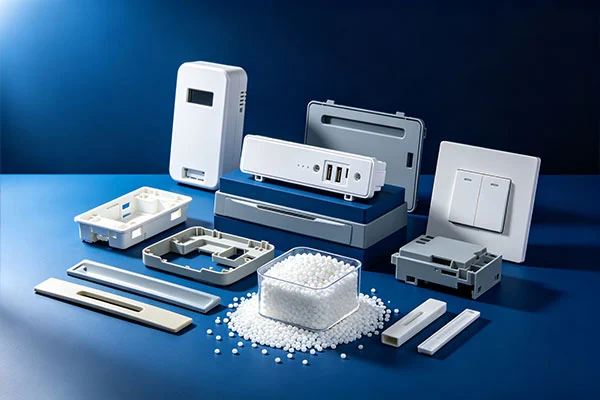
Connectors, terminal components, relay housings, switches, and circuit-protection components may require mechanical strength together with dimensional stability, insulation performance, CTI, or flame resistance.
Electrical properties should be confirmed against the exact grade rather than inferred from the reinforcement designation.
Selected grades are used in automotive brackets, housings, air-management components, electrical parts, and fluid-management systems.
Where hot water or water-glycol exposure is expected, hydrolysis resistance and long-term heat aging should be evaluated together with temperature, pressure, vibration, and mechanical loading.
Reinforced grades can be used for parts with dimensional requirements, but fiber orientation can affect shrinkage and warpage.
For tight tolerances, mold design, gate position, cooling balance, processing conditions, and the selected material grade should be considered together.
PA6 and PA66 can both be reinforced with glass fiber, but their base polymers have different characteristics. Direct replacement should therefore be based on specific grades rather than polymer family alone.
| Material | General Characteristics | Typical Selection Direction |
| PA6 GF | Good balance of toughness and processing behavior | General structural and mechanical parts |
| PA66 GF | Higher stiffness and thermal performance in many comparable grades | More demanding mechanical and thermal applications |
Performance can overlap between individual grades. Producer TDS data and application testing should be used when evaluating a replacement.
PA66 is moisture sensitive. Resin that has absorbed moisture during storage should be dried according to the producer's recommended conditions before molding.
Drying temperature, drying time, and allowable moisture content are grade dependent.
Melt and mold temperatures should be selected according to the specific grade, part geometry, filling behavior, and surface requirements.
The producer's processing guide should take priority over general processing ranges.
Glass fibers tend to align with the melt-flow direction. This can affect mechanical strength, shrinkage, and thermal expansion in different directions.
Gate location and flow path are therefore important when designing molds for dimensionally demanding parts.
Glass fibers are abrasive and can increase wear on injection-molding equipment and tooling. Tool material, gate design, runner design, and maintenance should be considered when processing highly reinforced grades.
Glass fiber can reduce molding shrinkage but does not eliminate warpage. Differences in fiber orientation and cooling can produce anisotropic shrinkage.
For dimensionally demanding parts, mold-flow analysis and dimensional testing may be useful during material and mold qualification.
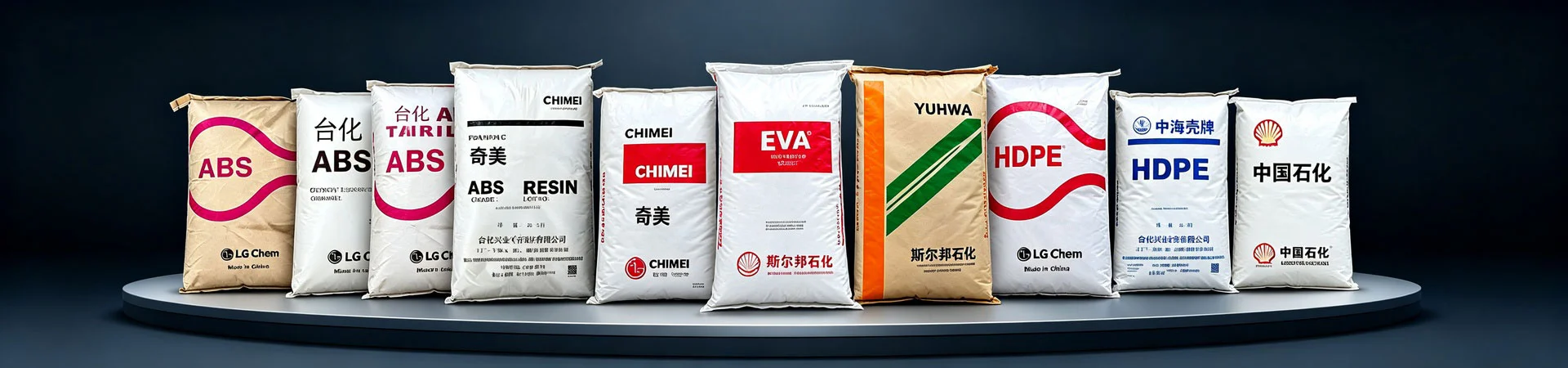
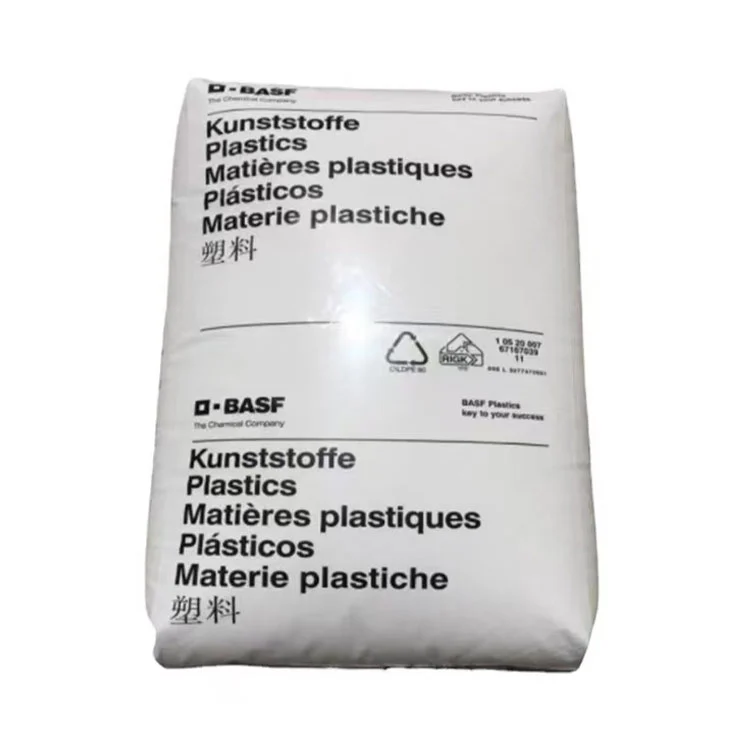
Glass fiber reinforced PA66 is produced by multiple international and regional resin suppliers. Product families and grade numbers vary, so the exact producer and grade should be confirmed before sourcing.
| Producer | Product Family | Material Scope |
| BASF | Ultramid® A | PA66 and reinforced PA66 grades |
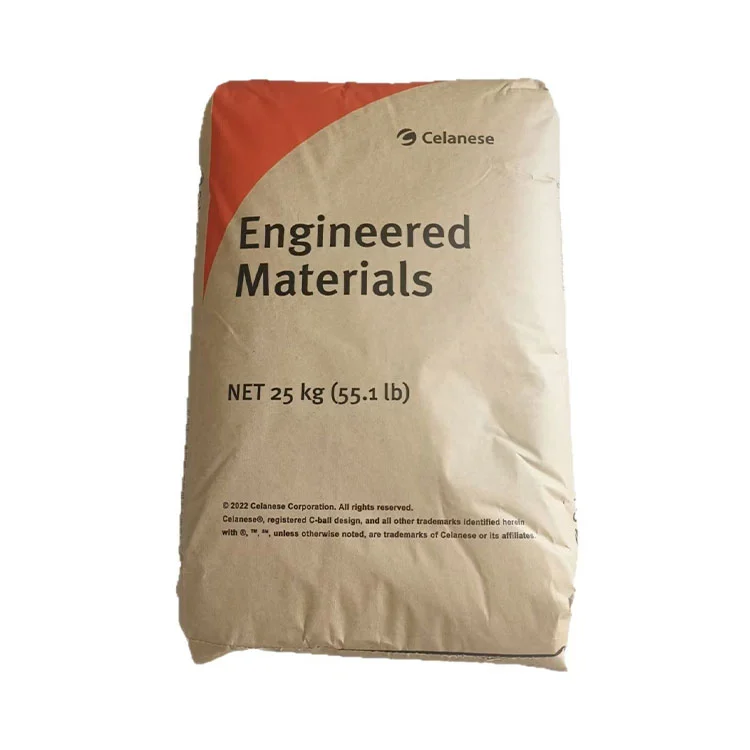
| Celanese | Zytel® | PA66 and reinforced polyamide grades |
| Other Regional Producers | Various reinforced grades | Application-specific formulations |
When sourcing branded resin, confirm the producer, exact grade number, polymer base, glass-fiber content, modification, color, and current TDS and SDS.
PA46 and PPA materials may be considered as alternatives for applications with different thermal or dimensional requirements, but they should not be classified as PA66 grades.
Before purchasing reinforced PA66, confirm the specifications that directly affect the intended application.
| Specification | Information to Confirm |
| Polymer | PA66 |
| Reinforcement | GF15, GF30, GF35, GF40, GF50, etc. |
| Mechanical Requirements | Tensile, flexural, creep, fatigue, and impact performance |
| Temperature | Continuous and peak service temperature |
| Environment | Water, coolant, oil, humidity, chemicals, or other exposure |
| Flame Performance | UL 94 rating and test thickness where required |
| Electrical Requirements | CTI, dielectric properties, and insulation requirements |
| Processing | Injection molding conditions and equipment |
| Appearance | Natural, black, colored, or surface requirements |
| Dimensions | Shrinkage, warpage, and tolerance requirements |
| Documents | TDS, SDS, COA, and applicable compliance documents |
| Quantity | Estimated purchase requirement |
For replacement sourcing, the original resin grade and TDS are the best starting point. If the original material is unavailable, application requirements should be translated into measurable mechanical, thermal, electrical, and environmental criteria before selecting an alternative.
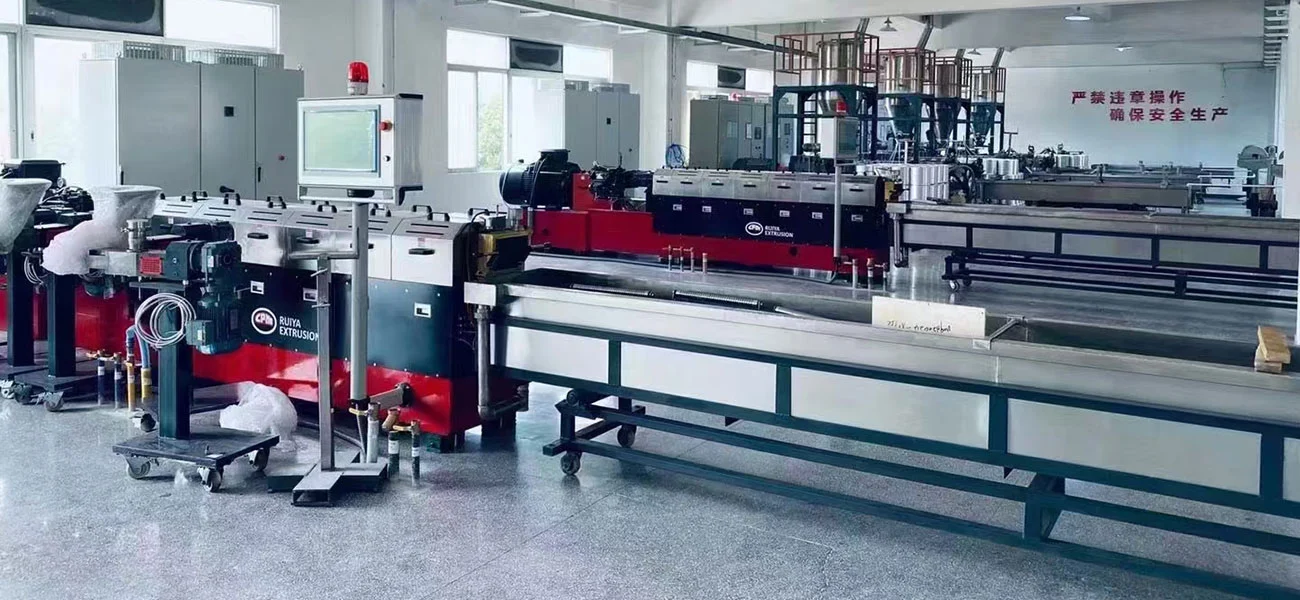
Nianjing is a plastic raw material trading and sourcing company based in Yuyao, Zhejiang, China. We source these grades according to a specified producer and grade or according to required material characteristics.
Useful information for a sourcing inquiry includes the target glass-fiber content, application, required properties, operating temperature, exposure conditions, processing method, estimated quantity, destination, and documentation requirements.
For automotive, electrical, and industrial applications, providing the actual service environment can help narrow the material selection because different grades may have significantly different performance profiles.
It is nylon 66 reinforced with glass fibers to increase stiffness, strength, creep resistance, and dimensional stability. Different grades may also include heat stabilization, hydrolysis resistance, flame retardancy, or impact modification.
PA66 GF30 refers to a PA66 formulation with a nominal 30% glass-fiber reinforcement level. It is commonly considered for components requiring greater rigidity and structural performance than unreinforced PA66.
Many GF30 grades provide higher tensile and flexural strength and substantially higher stiffness than unreinforced PA66. Actual performance depends on the formulation, fiber orientation, moisture condition, test method, and molding process.
No. Higher glass-fiber content can increase stiffness and creep resistance, but it can also affect impact toughness, melt flow, surface appearance, shrinkage, and mold wear. The appropriate reinforcement level depends on the application.
Both are glass-fiber reinforced nylon materials, but their base polymers differ. PA66 GF grades are often selected for applications requiring higher mechanical or thermal performance, while PA6 GF grades can provide a useful balance of toughness and processing behavior. Individual grades should be compared using their TDS data.
In some applications, reinforced PA66 can be considered as an alternative to metal where lower weight, electrical insulation, corrosion resistance, or injection molding is beneficial. Load, temperature, creep, fatigue, wear, dimensional stability, and service conditions should be evaluated before making a material substitution.
Confirm the producer, exact grade, glass-fiber content, modification, mechanical and thermal requirements, service environment, electrical or flame requirements, color, processing method, quantity, and technical documentation.
PA66 Nylon Resin · PA6 Resin · PA12 Resin · PPA Resin · PBT Resin · POM-C Resin · PC Resin
Address
China Plastics City, Yuyao City, Ningbo City, Zhejiang Province, China
Tel
Looking for a specific plastic material, brand, grade or quantity? Send your requirements to Nianjing for sourcing and availability confirmation.
Please include the material name, manufacturer or brand, grade, quantity, application and delivery requirements when available. If you are unsure about the grade, simply describe your application and requirements.
Nianjing will review your inquiry and check suitable sourcing options based on your requirements.