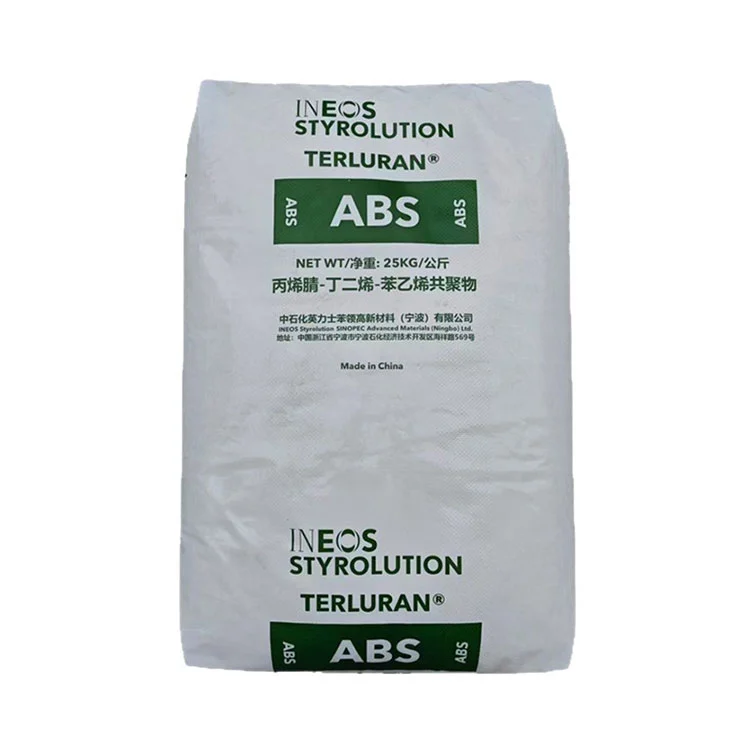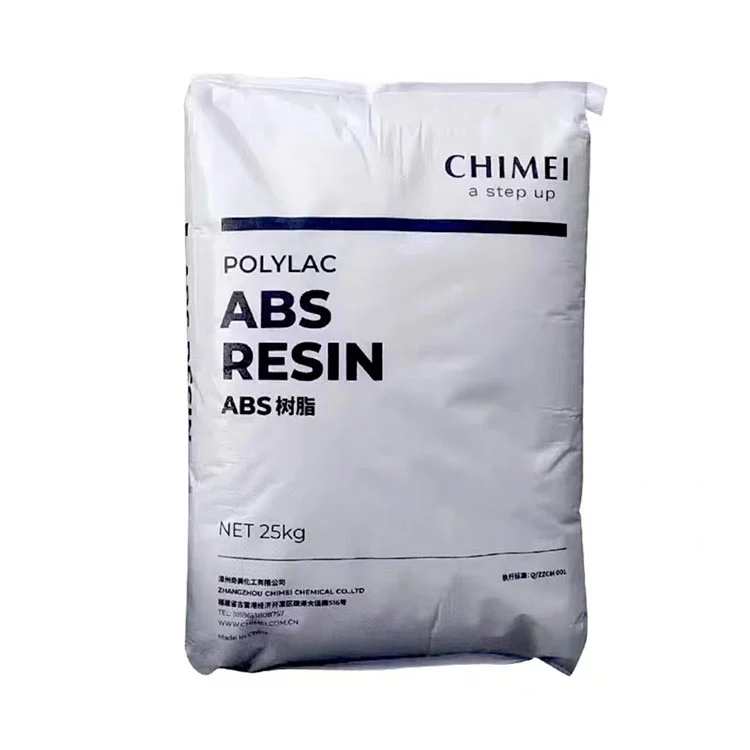
ABS extrusion grade is developed for continuous processing where stable melt behavior, dimensional control, surface quality, and mechanical performance are important. Compared with materials selected primarily for injection molding, extrusion-oriented ABS grades are evaluated according to their behavior during continuous passage through the die and subsequent cooling.
ABS is based on acrylonitrile, butadiene, and styrene. Acrylonitrile contributes hardness and chemical resistance, butadiene provides toughness and impact resistance, while styrene contributes processability and surface appearance. Different formulations and molecular structures result in grades with different processing and performance characteristics.
Nianjing provides sourcing options for customers requiring specific ABS grades or producers, with material selection based on the intended application, processing method, required properties, quantity, and delivery requirements.
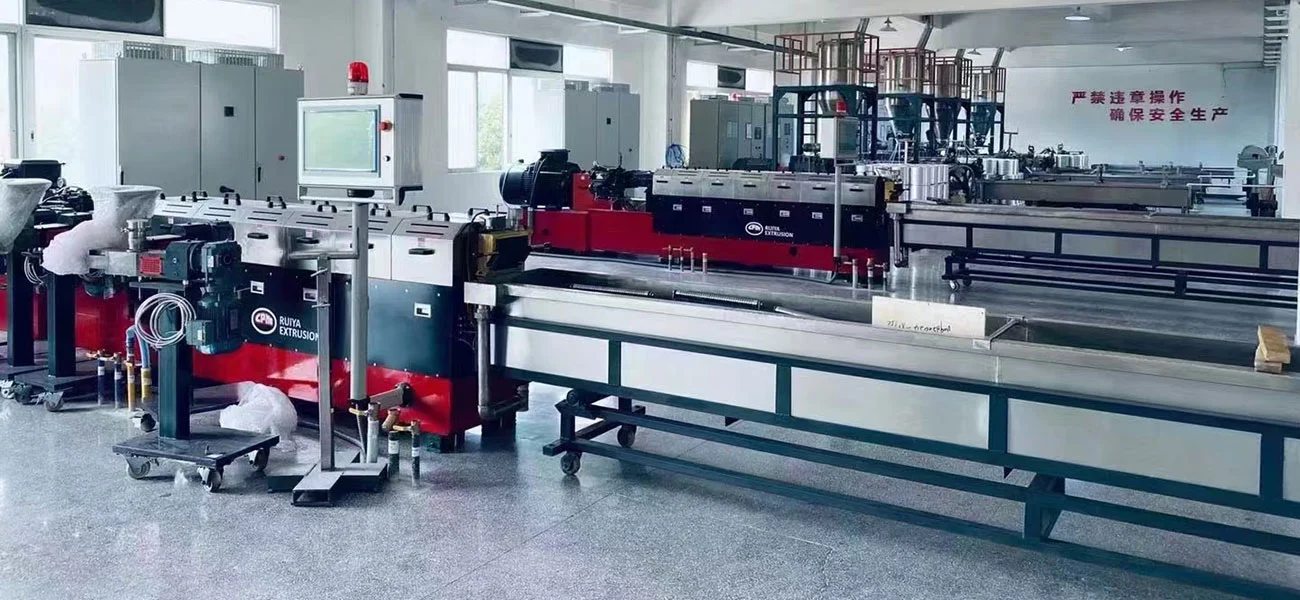
Extrusion places different demands on the polymer melt from those encountered in injection molding. During continuous processing, the material needs to maintain stable flow through the die and sufficient melt strength to retain the required shape before cooling.
The following properties are commonly considered when evaluating a material:
| Property | Relevance |
| Melt Flow Rate (MFR) | Indicates melt flow behavior under specified test conditions |
| Melt Strength | Important for maintaining shape after leaving the die |
| Impact Strength | Relevant to products exposed to mechanical stress or impact |
| Tensile Strength | Used to evaluate the mechanical performance of the finished product |
| Flexural Modulus | Indicates stiffness |
| Heat Resistance | Important for components exposed to elevated temperatures |
| Shrinkage | Relevant to dimensional control |
| Surface Quality | Important for visible sheets and profiles |
MFR should not be used as the sole basis for material selection. The appropriate flow characteristics depend on the grade, extrusion equipment, die design, product geometry, and processing conditions.
Material requirements vary according to the type of product being produced.
| Application | Important Requirements | Typical Products |
| Sheet and Plate | Melt stability, surface quality, dimensional control | Sheets, panels, interior components |
| Profile | Consistent flow, dimensional stability, surface appearance | Trim, sections, decorative profiles |
| Tube and Technical Sections | Impact strength, rigidity, dimensional stability | Selected tubes and technical components |
| High-Impact Applications | Toughness and impact performance | Luggage sheets, automotive components |
| Heat-Exposed Applications | Thermal performance and dimensional stability | Selected appliance and automotive parts |
| Modified Grades | Additional performance according to formulation | Flame-retardant or specialty applications |
The processing method and final product should be considered together. A material suitable for sheet extrusion may not provide the same results in a complex profile or tube application.
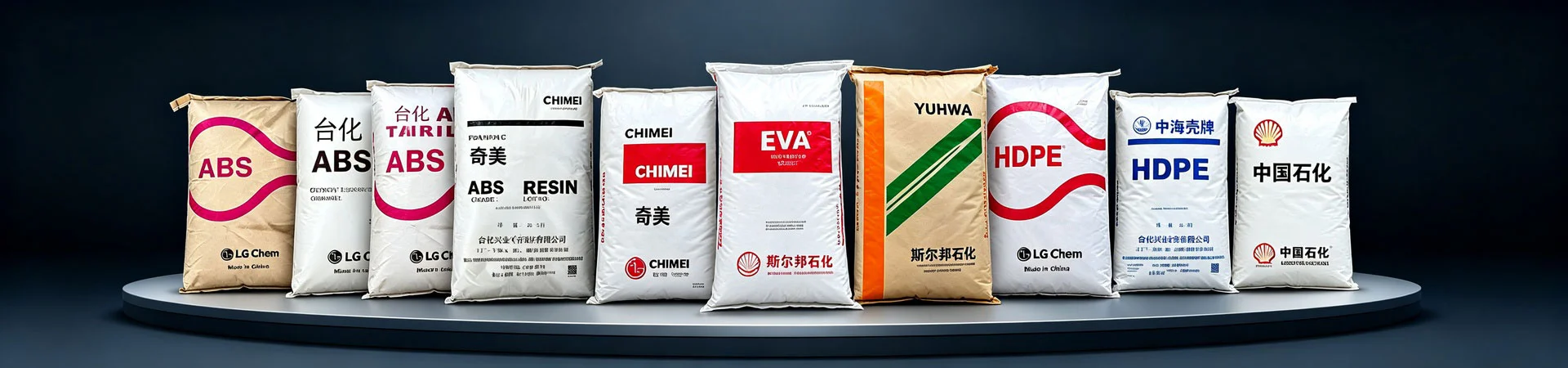
Several producers offer ABS materials for extrusion, sheet processing, or related applications. The following examples can be used as references when identifying a specific material.
| Producer | Product Family / Grade | General Application or Positioning |
| Toray | TOYOLAC® 600-X52 | Extrusion-oriented applications, including sheet processing |
| JINFA | KF-718 | High-impact applications associated with ABS sheet |
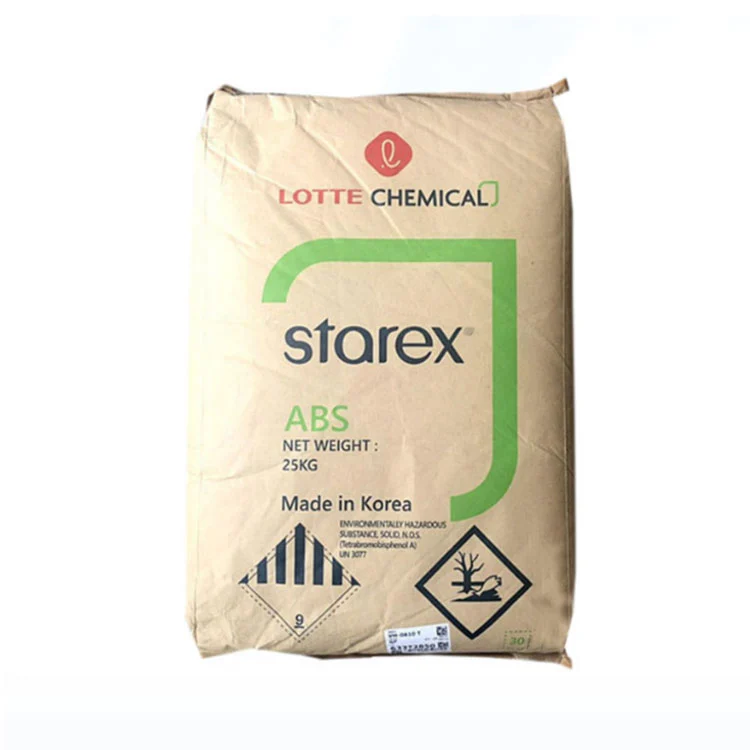
| Lotte Chemical | SP-0180 | Extrusion-related applications |
| Taiwan Prosperity / GPPC | D-120S | Extrusion and thermoforming applications |
| KUMHO | HZ-330 | Heat-resistant ABS for selected applications |
These entries are reference information rather than a statement that all listed grades are continuously available. Product specifications, recommended processing methods, and availability should be confirmed against the current producer documentation.
When a specific producer or grade is required, Nianjing can check the corresponding sourcing options and available material information.
The material should be selected according to the finished product and extrusion process rather than by grade name alone.
Sheet thickness, profile shape, wall thickness, flow length, and dimensional tolerances all influence material requirements. More complex profiles may require closer attention to melt stability and die behavior.
Impact resistance and stiffness should be evaluated according to how the finished product will be handled and used. High-impact grades may be considered for applications involving drops, mechanical loading, or impact.
For visible sheets, panels, and profiles, surface appearance can be as important as mechanical properties. Material selection should consider gloss, surface defects, die lines, and the required finish of the final product.
For applications exposed to elevated temperatures, the relevant thermal properties of the selected grade should be compared with the actual service conditions.
Some applications may require additional characteristics such as flame retardancy, weather resistance, electroplating performance, or modified impact properties. These requirements should be specified at the grade level.
ABS extrusion requires control of material moisture, melt temperature, extrusion speed, die conditions, and cooling.
ABS can absorb moisture during storage. Excess moisture may contribute to silver streaks, bubbles, surface defects, and unstable processing.
Drying conditions depend on the specific material and storage history. Many grades are dried at approximately 80–90°C for several hours, but the producer's technical data sheet should be followed for the actual drying temperature and time.
There is no single melt temperature suitable for every ABS formulation. Many grades are processed within an approximate range of 200–250°C, but the recommended temperature profile should be taken from the producer's processing instructions.
Excessive temperature or prolonged residence time may result in discoloration or thermal degradation.
Extrusion speed affects output, melt pressure, surface quality, and dimensional stability. If the speed is too high for the selected material and die configuration, surface defects or unstable dimensions may occur.
Die condition and cooling control have a direct effect on the dimensions and surface quality of the finished product. Consistent cooling is particularly important for sheets and profiles with tighter dimensional requirements.
The material is used in applications where toughness, rigidity, appearance, and processing performance need to be balanced.
Sheet products may include luggage shells, appliance components, automotive interior panels, sanitary products, and other formed parts, depending on the selected grade and product design.
ABS can be processed into continuous profiles and sections where consistent dimensions and surface appearance are required.
Selected materials can be used for tubes and technical profiles when their mechanical, chemical, and dimensional requirements are met.
Certain grades are used in automotive interior panels, trim-related components, and other sheet or profile applications. Automotive use requires grade-specific evaluation of mechanical, thermal, appearance, and environmental requirements.
Standard ABS has limited resistance to prolonged UV exposure. Long-term outdoor exposure can result in discoloration, loss of surface quality, and reduced impact performance.
For outdoor applications, material options may include weather-resistant ABS, UV-stabilized grades, ABS/ASA formulations, or an ASA surface layer or coextruded structure where appropriate.
The suitable approach depends on the expected exposure, required service life, appearance, and product construction.
Nianjing supports sourcing of ABS extrusion materials from specified producers and grades according to customer requirements. Providing detailed application and processing information helps narrow the available options.
| Information | Example |
| Material | ABS |
| Processing | Extrusion |
| Product | Sheet, profile, tube, panel, etc. |
| Producer | Preferred producer, if specified |
| Grade | Exact grade number, if known |
| Main Requirement | Impact, flow, heat resistance, surface quality, etc. |
| Quantity | Required volume |
| Packaging | Required packaging |
| Destination | Delivery country or region |
If an existing grade is being replaced or sourced from another supplier, providing the original producer and grade number is preferable. This allows the material to be compared against the correct technical specification.

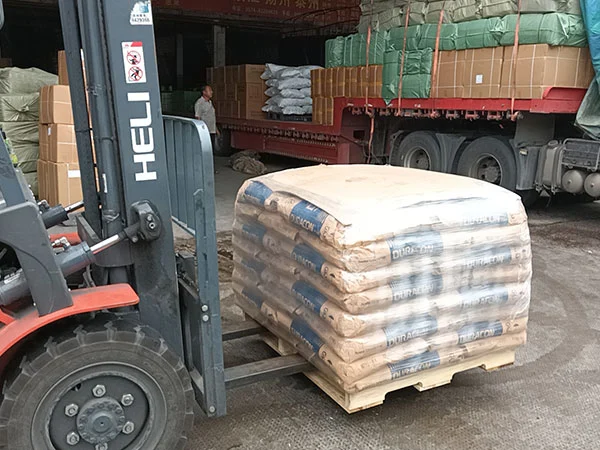
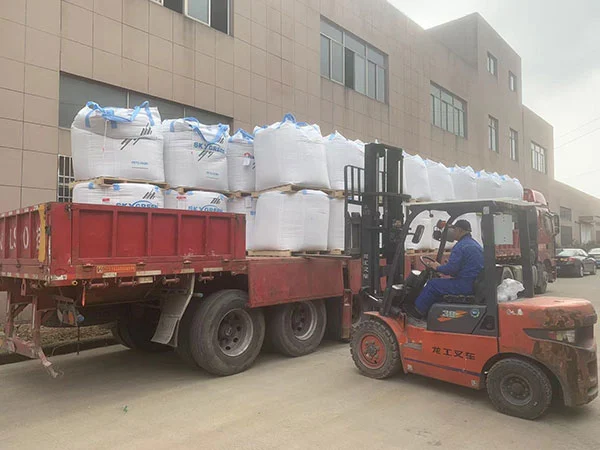
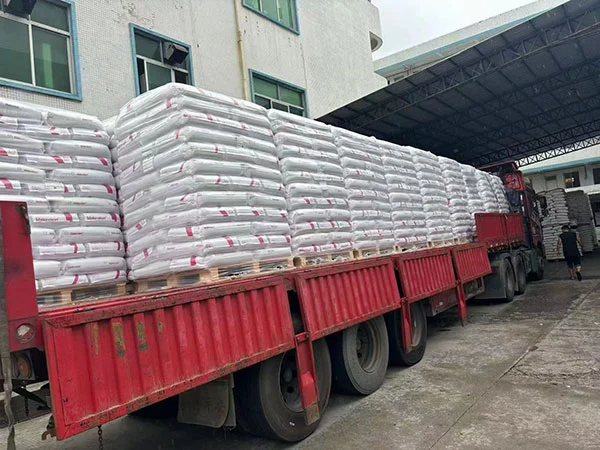
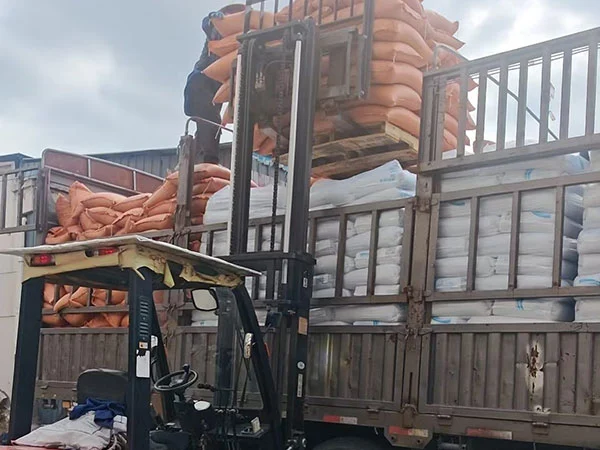
Packaging arrangements depend on the selected producer, grade, quantity, and destination.
Before shipment, the following information should be confirmed:
Actual packaging and logistics conditions should be confirmed for each order.
It refers to an ABS material specified or formulated for extrusion processing. The selection focuses on stable melt behavior, melt strength, surface quality, dimensional control, and the mechanical requirements of the finished product.
Not every injection molding grade is suitable for extrusion. However, suitability cannot be determined from the grade label alone. The producer's processing recommendations, melt characteristics, equipment, die design, and product requirements should be considered.
No. A lower MFR may indicate different melt-flow behavior, but it does not by itself determine extrusion performance. Melt strength, die design, extrusion speed, temperature profile, and product geometry also affect the result.
Possible causes include excessive extrusion speed, unsuitable temperature settings, moisture, die contamination, poor die condition, or an unsuitable material grade. Troubleshooting should consider the complete processing system.
ABS can absorb moisture, and drying may be required before processing. The actual drying conditions depend on the selected grade and storage condition and should follow the producer's technical recommendations.
Standard ABS has limited long-term UV resistance. For prolonged outdoor exposure, a weather-resistant ABS grade, UV-stabilized formulation, ASA-based solution, or another weather-resistant material may be more appropriate.
The most useful information includes the product type, extrusion process, required producer or grade, key technical properties, quantity, packaging, and destination. If an existing material is being replaced, the original grade number is particularly useful.
Not automatically. Grades from different producers can differ in melt flow, impact strength, rigidity, heat resistance, shrinkage, surface characteristics, and processing behavior. Substitution should be based on technical data and, where necessary, production trials.
Address
China Plastics City, Yuyao City, Ningbo City, Zhejiang Province, China
Tel
Looking for a specific plastic material, brand, grade or quantity? Send your requirements to Nianjing for sourcing and availability confirmation.
Please include the material name, manufacturer or brand, grade, quantity, application and delivery requirements when available. If you are unsure about the grade, simply describe your application and requirements.
Nianjing will review your inquiry and check suitable sourcing options based on your requirements.