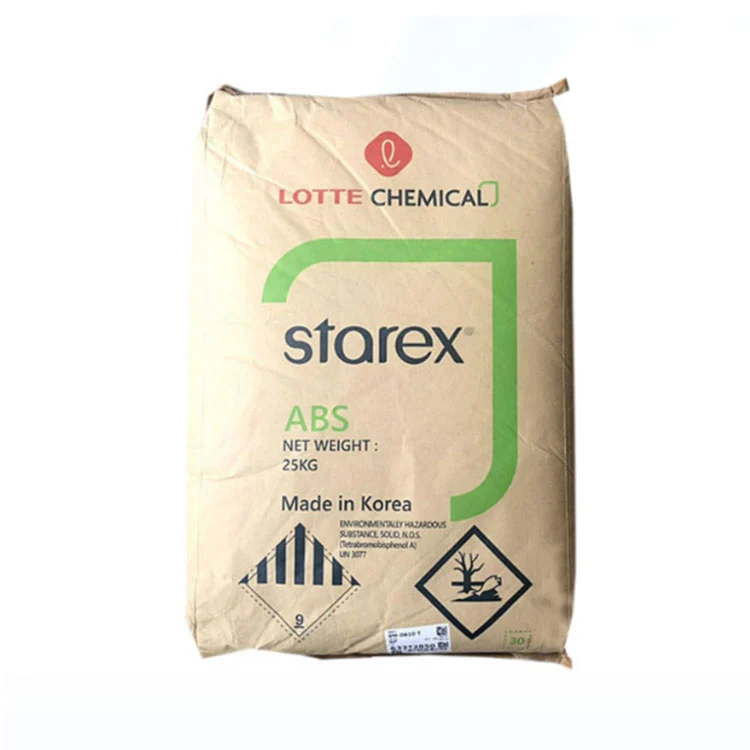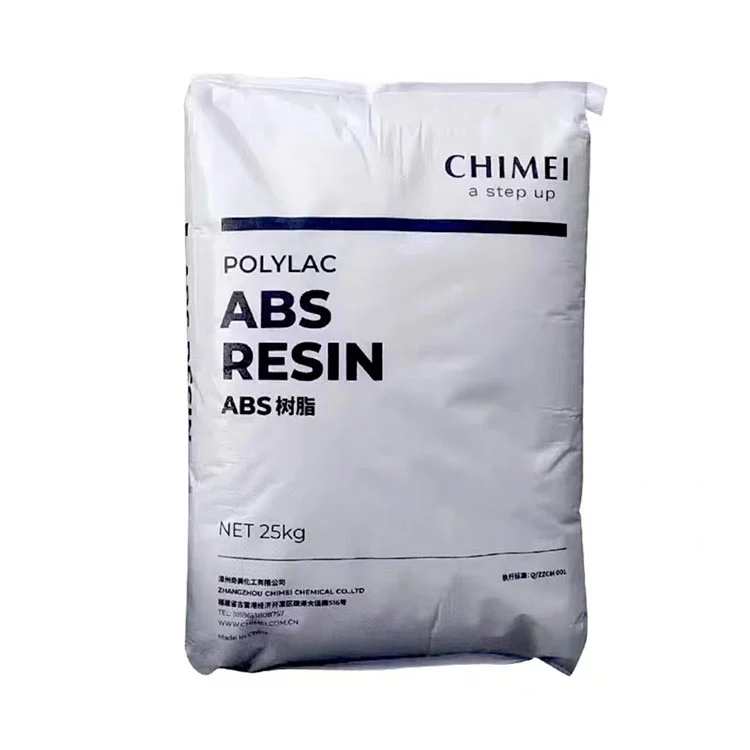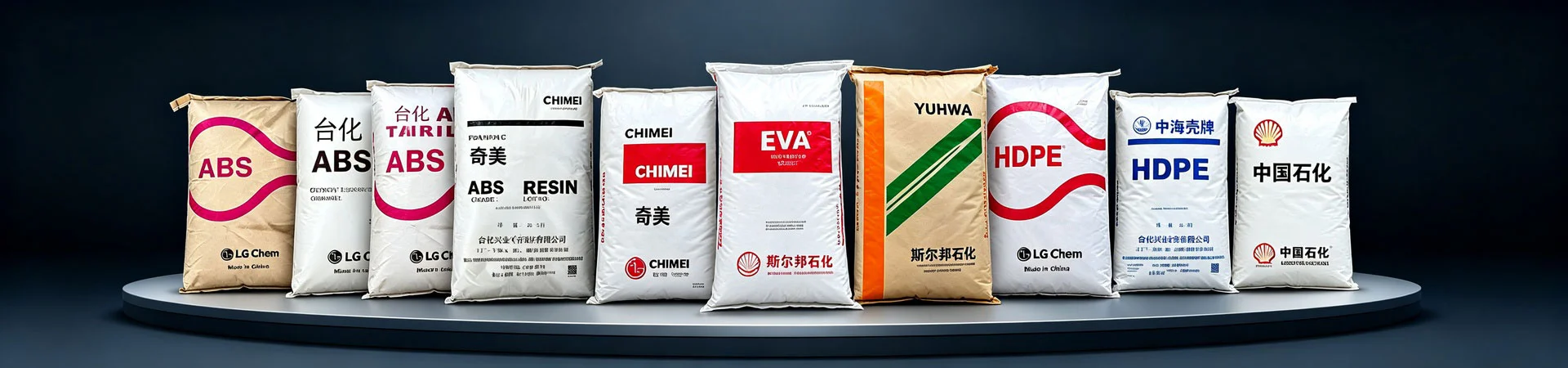
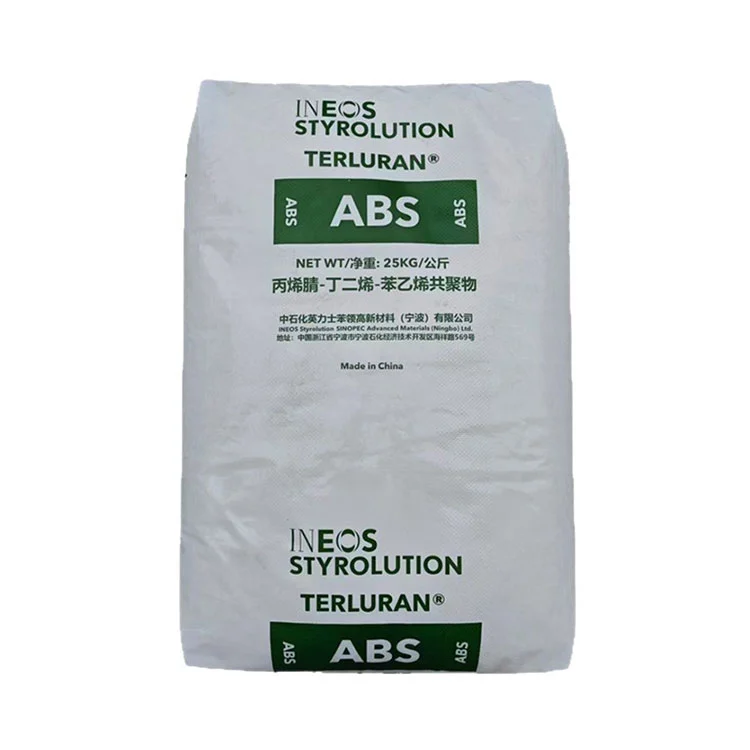
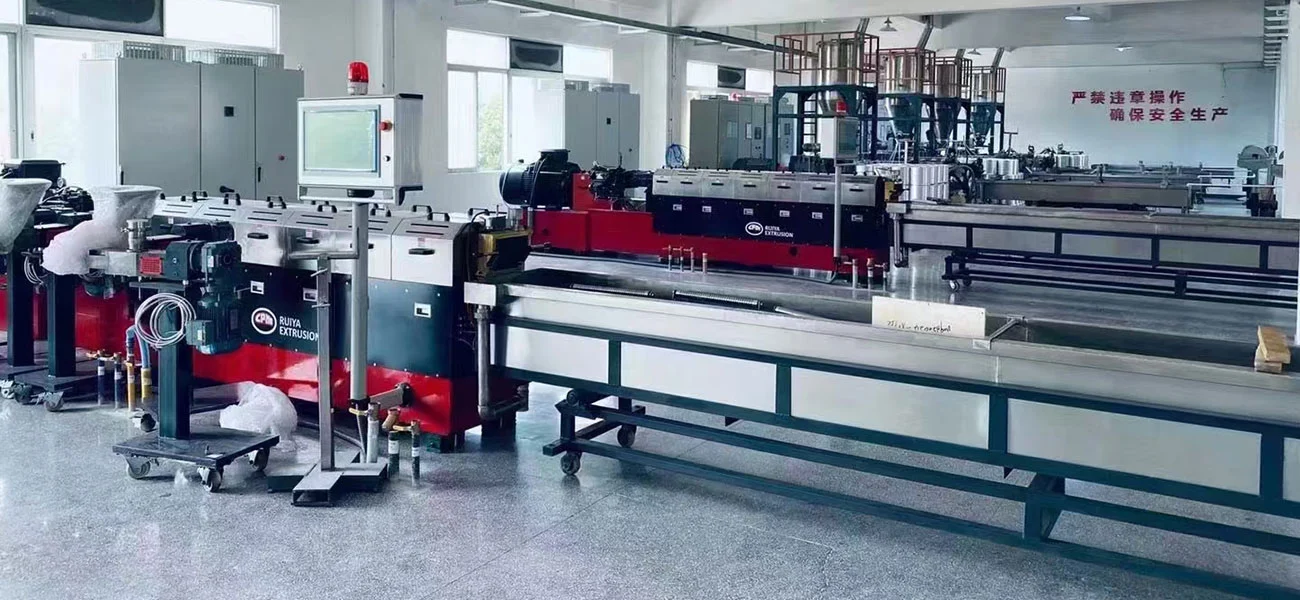
ABS Blow Molding Grade is used for hollow products where the molten resin needs to maintain a stable parison during extrusion and inflation. Compared with ABS materials mainly developed for injection molding, this material places greater emphasis on melt strength, melt stability, elongation, impact resistance, and wall-thickness control. Nianjing supplies and sources ABS resin from specified producers and grades according to processing method, product requirements, quantity, and destination.


During blow molding, the resin is first extruded as a molten parison and then expanded inside the mold. The melt therefore needs to maintain enough strength to support the parison before inflation.
| Property | Importance in Blow Molding |
| Melt Strength | Helps reduce parison sag during extrusion |
| Melt Stability | Supports consistent extrusion and material distribution |
| Melt Extensibility | Affects expansion during inflation |
| Impact Strength | Important for parts exposed to mechanical impact |
| Heat Resistance | Relevant to elevated-temperature use and post-processing |
| Surface Quality | Important for visible and painted components |
| Dimensional Stability | Affects finished-part dimensions after cooling |
Melt flow rate can be useful when comparing different grades, but it should not be used as the only selection criterion. The producer's TDS, melt behavior, equipment, die design, and product geometry should also be considered.
The required material properties vary with product size, wall thickness, mechanical requirements, and service conditions.
| Application | Main Considerations |
| Large hollow components | Melt strength, parison stability, wall-thickness control |
| Automotive components | Impact strength, heat resistance, dimensional stability |
| Housings and covers | Surface appearance, stiffness, impact resistance |
| Technical parts | Mechanical properties, chemical resistance, dimensional requirements |
| Painted components | Heat resistance and dimensional stability during post-processing |
| Outdoor components | UV and weathering resistance |
The same resin grade should not automatically be used for different products. Product geometry and processing conditions can change the material requirements significantly.
The main difference between blow molding and injection molding is the behavior required from the molten resin.
Injection molding relies on pressure to fill a closed mold. Blow molding first forms a molten parison, which must remain stable before it is inflated. A material with insufficient melt strength may therefore experience excessive sag or stretching during parison formation.
For this reason, an injection-oriented ABS grade should not automatically be substituted for an ABS Blow Molding Grade. At the same time, suitability should not be judged only by the processing label. The specific grade, producer recommendation, equipment, product dimensions, and processing trial should be evaluated together.
ABS can absorb moisture, and excessive moisture may contribute to silver streaks, bubbles, surface defects, or unstable processing.
Drying conditions vary between grades. Some ABS materials are dried at approximately 80–90°C for several hours, but the actual temperature, drying time, and moisture requirement should follow the producer's TDS.
There is no single melt temperature suitable for all ABS grades or machines. The required setting depends on the material, extruder, die design, extrusion rate, and product geometry.
A temperature range around 195–220°C may be applicable to some materials, but it should only be used as a process reference when supported by the relevant grade documentation.
Extrusion rate, die gap, parison length, and melt temperature can affect parison stability and wall-thickness distribution.
For large or irregular products, parison programming may be used to control material distribution during inflation. Cooling conditions and mold design also influence the final dimensions and wall thickness.
Residual material in the extruder or die can affect color, surface appearance, and melt stability, particularly when changing resin grades or colors.
The extrusion system and die should be cleaned according to the equipment and material supplier's recommendations before processing a different material.
Parison sag occurs when the molten material stretches excessively under its own weight. It can be influenced by melt strength, melt temperature, extrusion output, parison length, die design, and processing time.
If sagging occurs, both the resin grade and processing conditions should be checked rather than changing the material immediately.
Shark skin, roughness, or flow marks can have several causes, including excessive shear, unsuitable temperature, unstable extrusion, moisture, die contamination, or problems within the flow channel.
Adjusting temperature or extrusion speed may help in some cases, but the appropriate correction depends on the actual processing condition.
Wall-thickness variation can result from unstable parison formation, die-gap variation, parison programming, mold design, cooling conditions, or uneven material distribution.
Material selection is therefore only one part of wall-thickness control.
Standard ABS has limited resistance to prolonged UV exposure. For outdoor applications, the material needs to be selected according to the expected UV exposure, temperature, color, and service conditions.
Depending on the application, weather-resistant ABS, UV-stabilized grades, ABS/ASA systems, or an ASA surface layer may be considered.
Nianjing can check sourcing options for specified producers and grades. The following names can be used as market references, but the current technical data and recommended processing method should be confirmed with the producer before selection.
| Producer | Grade / Series | Reference |
| SABIC | CYCOLAC® EX Series | Selected extrusion and hollow-part applications |
| Shanghai Kumho Sunny | BM Series | Blow molding-oriented ABS for selected applications |
| Trinseo | MAGNUM™ Series | Selected extrusion and thermoforming applications |
| INEOS Styrolution | ABS Series | Different processing and performance requirements |
| Toray | TOYOLAC® Series | ABS materials for different processing applications |
Specific grades, technical specifications, and availability may vary by market. For a specified grade, the latest producer TDS should be used to confirm its suitability.
Nianjing is a plastic raw material trading company based in Yuyao, Zhejiang, China. For customers sourcing ABS Blow Molding Grade, Nianjing can check available material options according to the required producer, grade, application, quantity, packaging, and destination.
The following information helps when requesting a sourcing quotation:
| Requirement | Information |
| Processing Method | Blow molding |
| Product | Hollow component, housing, automotive part, etc. |
| Product Dimensions | Length, width, height, or approximate volume |
| Wall Thickness | Target or existing wall thickness |
| Mechanical Requirements | Impact strength, stiffness, etc. |
| Thermal Requirements | Operating or post-processing temperature |
| Appearance | Color, gloss, texture, surface requirements |
| Outdoor Exposure | Indoor, outdoor, or UV exposure |
| Producer / Grade | Preferred producer or specified grade |
| Quantity | Required volume |
| Destination | Country or port |
If the specified grade is unavailable, alternative materials should be compared based on processing behavior and required properties rather than substituted simply because they belong to the same ABS resin family.
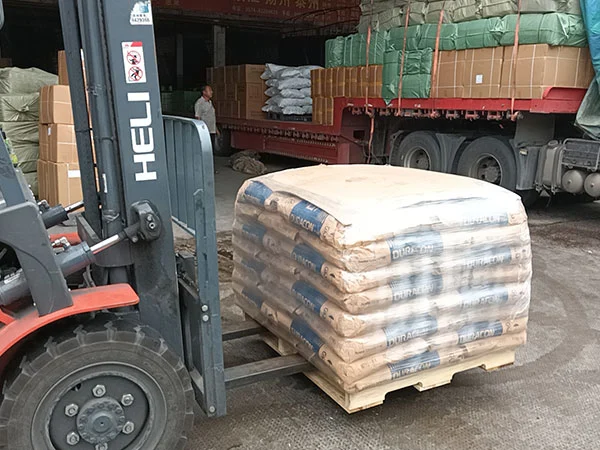
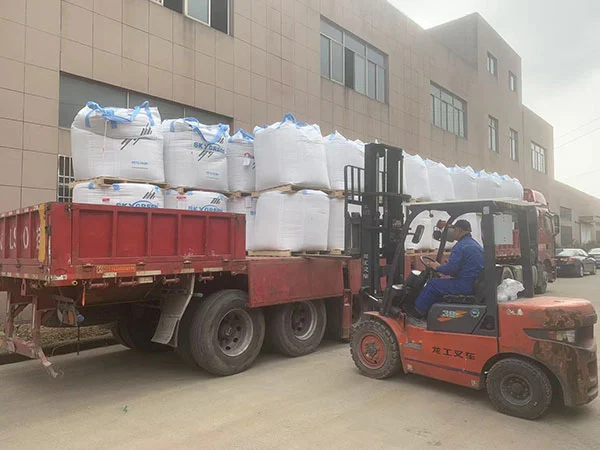
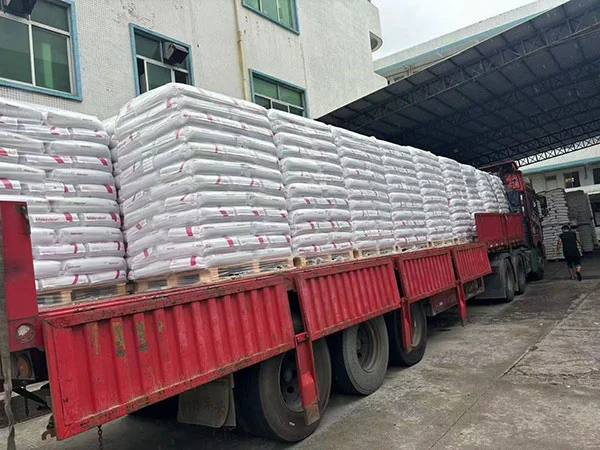
ABS resin is normally supplied in producer-standard packaging. Bag weight, pallet configuration, loading method, lead time, and delivery arrangements depend on the producer, grade, quantity, and destination.
Actual availability should be confirmed when placing an inquiry because different grades and producers may have different supply conditions.

It is selected for hollow products that require stable parison formation, controlled inflation, and suitable mechanical performance. Applications can include selected automotive components, housings, protective parts, and other hollow technical products.
The molten parison must maintain its shape before inflation. If melt strength is insufficient for the product and process, the parison may sag or stretch excessively, making wall-thickness control more difficult.
Not automatically. An injection-oriented grade may not have the melt behavior required for stable parison formation. The specific grade and producer processing recommendations should be checked before use.
ABS is commonly dried before processing when moisture control is required. The drying temperature and time depend on the grade and should follow the producer's technical recommendations.
Possible causes include excessive shear, unsuitable melt temperature, unstable extrusion, moisture, die contamination, or flow-channel problems. The actual process should be checked before changing the material.
Standard ABS has limited long-term UV resistance. Weather-resistant ABS, ABS/ASA, or other weather-resistant material systems may be considered for prolonged outdoor exposure.
Clean production scrap can potentially be reground and reused, but the acceptable amount depends on the specific grade, processing history, contamination, appearance requirements, and required mechanical properties. A fixed regrind percentage should not be applied to every ABS grade.
Address
China Plastics City, Yuyao City, Ningbo City, Zhejiang Province, China
Tel
Looking for a specific plastic material, brand, grade or quantity? Send your requirements to Nianjing for sourcing and availability confirmation.
Please include the material name, manufacturer or brand, grade, quantity, application and delivery requirements when available. If you are unsure about the grade, simply describe your application and requirements.
Nianjing will review your inquiry and check suitable sourcing options based on your requirements.