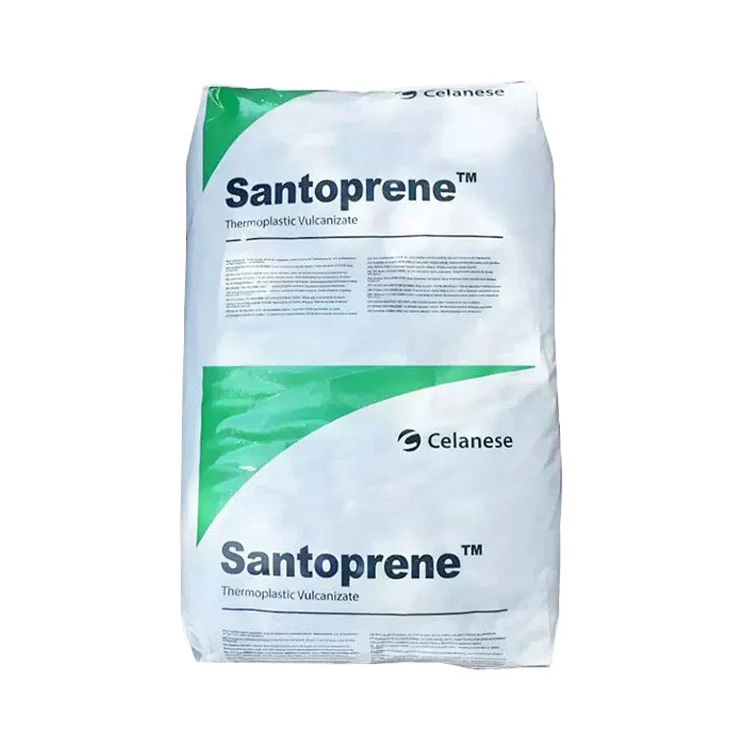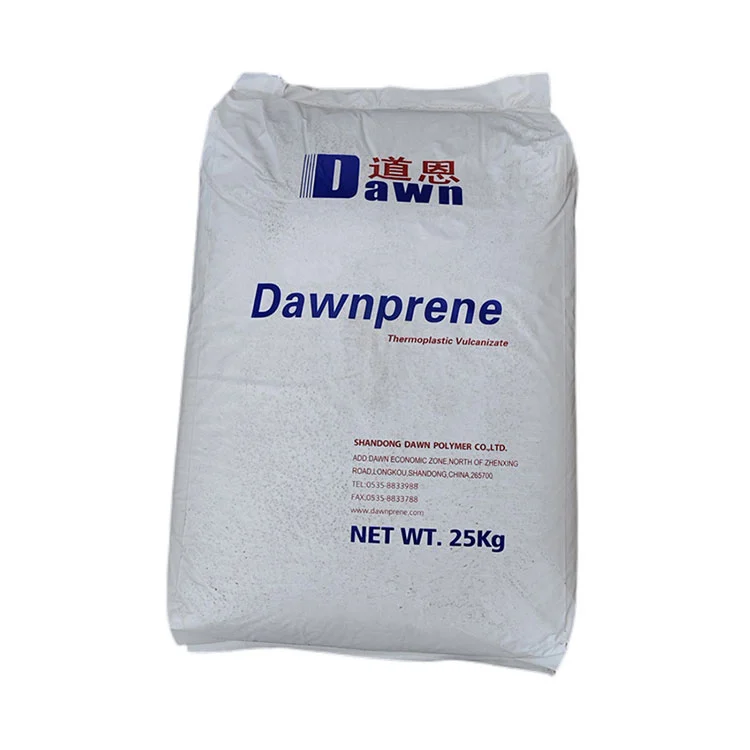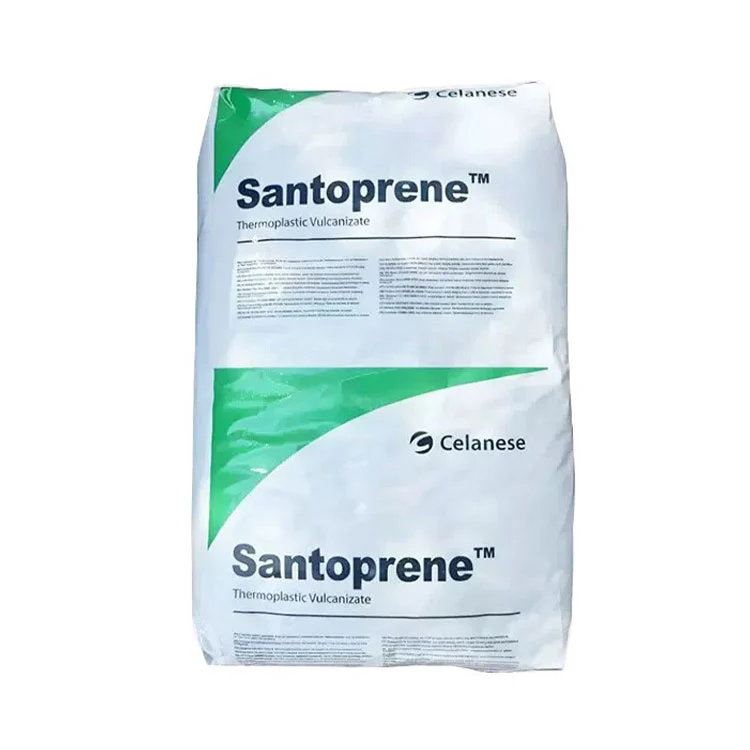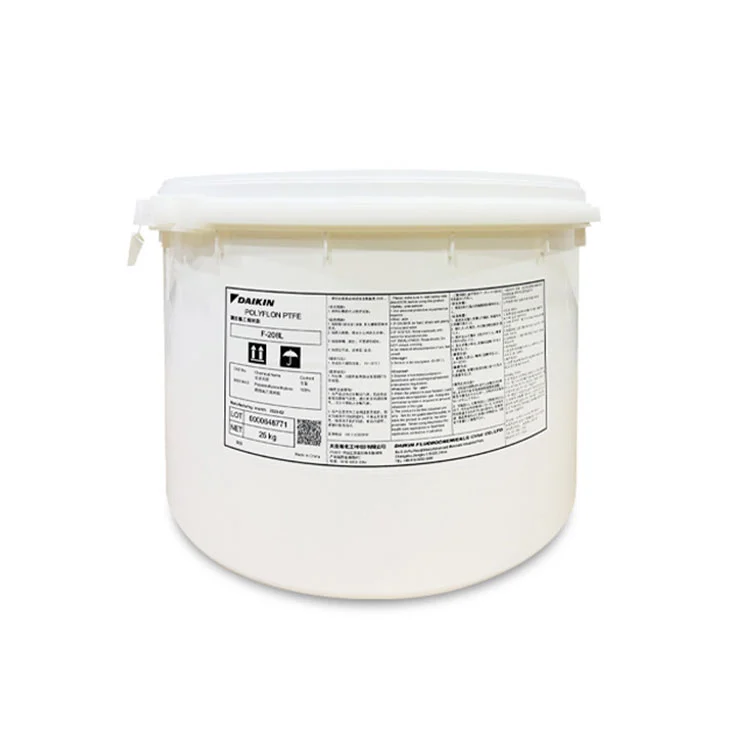
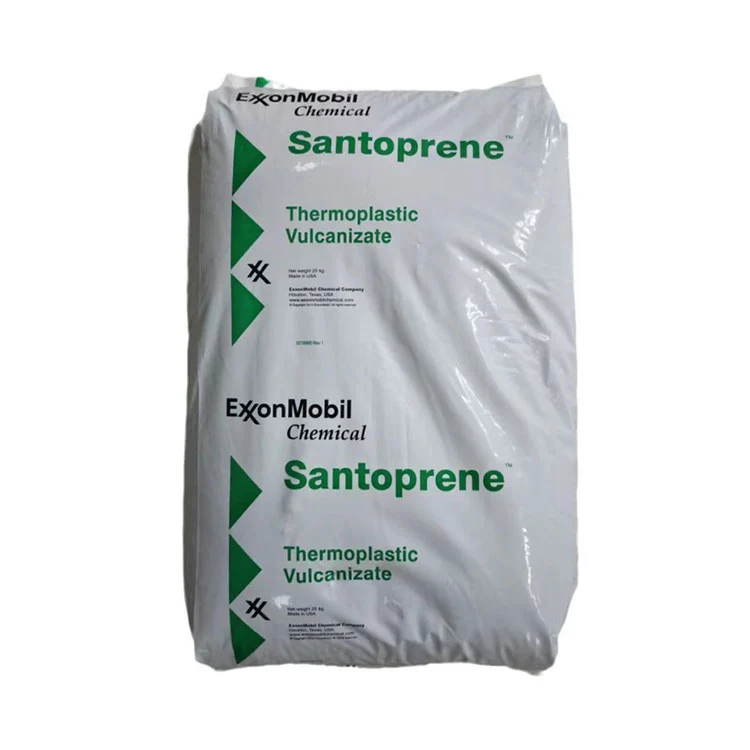
Food-Grade TPV is a thermoplastic elastomer developed for applications requiring elasticity, sealing performance and thermoplastic processing. Many grades use a dynamically vulcanized rubber phase within a thermoplastic matrix, with EPDM/PP being a common formulation system.
For food-contact applications, material selection depends on more than hardness or temperature resistance. Formulation, additives, food type, contact conditions, cleaning processes and applicable market requirements should be considered before a grade is approved.
Nianjing supports food-contact TPV sourcing based on manufacturer, grade, hardness, processing method, application and order quantity, with TDS, SDS and relevant compliance documentation available for grade verification.

TPV performance varies between grades, so material selection should be based on the requirements of the finished component rather than a single general specification.
Elasticity and sealing performance
TPV is commonly considered for seals, gaskets, closures and flexible components where elastic recovery is required. Compression set is an important reference for sealing applications because it indicates recovery after compression under a defined test condition.
Hardness and flexibility
Hardness selection depends on the required flexibility, compression force and dimensional stability of the finished part. Softer grades may suit flexible seals and interfaces, while harder grades can provide greater resistance to deformation.
Temperature and heat aging
Temperature performance is grade-specific. For hot filling, repeated washing, heating or other elevated-temperature conditions, the manufacturer's heat-aging data should be reviewed together with the actual service temperature and exposure time.
Chemical resistance
Resistance to oils, detergents, cleaning agents and other media depends on the formulation and exposure conditions. For reusable food-processing components, the cleaning medium, concentration, temperature and cycle duration should be considered during grade selection.
Thermoplastic processing
Suitable grades can generally be processed by injection molding and extrusion. Selected formulations may also support other thermoplastic processes. Processing temperatures and machine settings should follow the manufacturer's recommendations.
| Property | Selection Basis | Reference |
| Polymer system | EPDM/PP or specified TPV formulation | Manufacturer specification |
| Hardness | Grade dependent | ISO 868 / ASTM D2240 |
| Density | Grade dependent | ISO 1183 |
| Tensile strength | Grade dependent | ISO 37 / ASTM D412 |
| Elongation at break | Grade dependent | ISO 37 / ASTM D412 |
| Tear strength | Grade dependent | ISO 34 / ASTM D624 |
| Compression set | Grade and test condition dependent | ISO 815 / ASTM D395 |
| Melt flow rate | Grade and process dependent | ISO 1133 / ASTM D1238 |
| Heat aging | Grade and test condition dependent | Manufacturer specification |
| Food-contact status | Market and application dependent | Applicable regulation / test report |
These are selection references rather than universal specifications. The current manufacturer's TDS should be used when comparing individual grades.
Food-contact suitability should be verified for the specific material grade and intended use. A TPV should not be described as compliant simply because its polymer system contains PP or EPDM.
Depending on the destination market and finished application, documentation may include a food-contact declaration, migration or extraction test report, regulatory statement and other supporting technical documents. Requirements should be assessed according to the material classification, food type, contact conditions and finished article.
For the United States, certain repeated-use rubber articles are subject to requirements under FDA 21 CFR 177.2600. For the European market, the applicable food-contact legislation depends on the material classification and intended use rather than automatically applying one regulation to every TPV grade. In China, the relevant GB 4806 requirements and associated migration testing should be confirmed for the specific material and finished article.
Selected grades can be considered for:
The suitability of a grade depends on the required hardness, temperature, compression recovery, chemical exposure, processing method and food-contact conditions.
Processing conditions should be established from the selected grade rather than from a general TPV processing range.
Injection molding is commonly used for seals, closures and flexible molded components. Melt temperature, injection speed, holding pressure, mold temperature and cooling conditions should be adjusted according to the grade and equipment.
Extrusion can be used for continuous tubes, strips and profiles. Die design, melt temperature and line speed should be matched to the material and required profile dimensions.
Production scrap and regrind may be reusable when the material is clean and the grade permits reprocessing. However, a fixed 100% regrind ratio should not be assumed. Thermal history, contamination, color consistency and finished-part performance should be controlled, particularly for food-contact products.
Material preparation and storage should follow the selected grade's processing recommendations. Drying is not necessarily required under the same conditions for every TPV grade, so the manufacturer's current processing data should be used instead of applying one standard drying schedule.
For colored products, pigments and additives should also be suitable for the intended food-contact application and compatible with the selected TPV formulation.
The most reliable selection process starts with the finished component rather than a generic material name.
For an existing product, the manufacturer's name, current grade, TDS and sample can be used as the starting reference. For a new application, the following information helps define the material specification:
| Requirement | Information to Confirm |
| Application | Seal, gasket, tube, profile, closure or molded component |
| Hardness | Required Shore hardness or flexibility |
| Processing | Injection, extrusion, co-extrusion or other process |
| Temperature | Normal and peak operating conditions |
| Food contact | Food type, contact time and temperature |
| Cleaning | Detergent, washing, sterilization or repeated cleaning |
| Mechanical performance | Compression set, tensile properties, elongation or heat aging |
| Chemical exposure | Oils, fats, detergents or other media |
| Color | Natural, black or specified color |
| Quantity | Trial quantity and regular order volume |
| Documentation | TDS, SDS, food-contact declaration and test reports |
Nianjing can support both grade-based and specification-based sourcing. Grade-based sourcing starts from a known manufacturer and material grade, while specification-based sourcing starts from the application, hardness, processing method, environmental conditions and food-contact requirements.
Before procurement, the selected material should be checked against the latest TDS and applicable food-contact documentation.
No. Food-contact status depends on the specific formulation, applicable requirements, intended food contact and conditions of use. The manufacturer's regulatory statement and supporting documentation should be reviewed for the actual grade.
Some grades may be suitable, but this depends on the material and finished product. Temperature, cleaning chemicals, exposure time and repeated-use conditions should be verified before selection.
It can be considered for selected applications, particularly where thermoplastic processing and the required sealing performance are important. It is not a universal replacement because TPV and silicone have different material characteristics and processing requirements.
An existing material grade and TDS are the best starting point. For a new application, provide the intended use, hardness, processing method, temperature, food-contact conditions, chemical exposure, required quantity and documentation requirements.
Address
China Plastics City, Yuyao City, Ningbo City, Zhejiang Province, China
Tel
Looking for a specific plastic material, brand, grade or quantity? Send your requirements to Nianjing for sourcing and availability confirmation.
Please include the material name, manufacturer or brand, grade, quantity, application and delivery requirements when available. If you are unsure about the grade, simply describe your application and requirements.
Nianjing will review your inquiry and check suitable sourcing options based on your requirements.