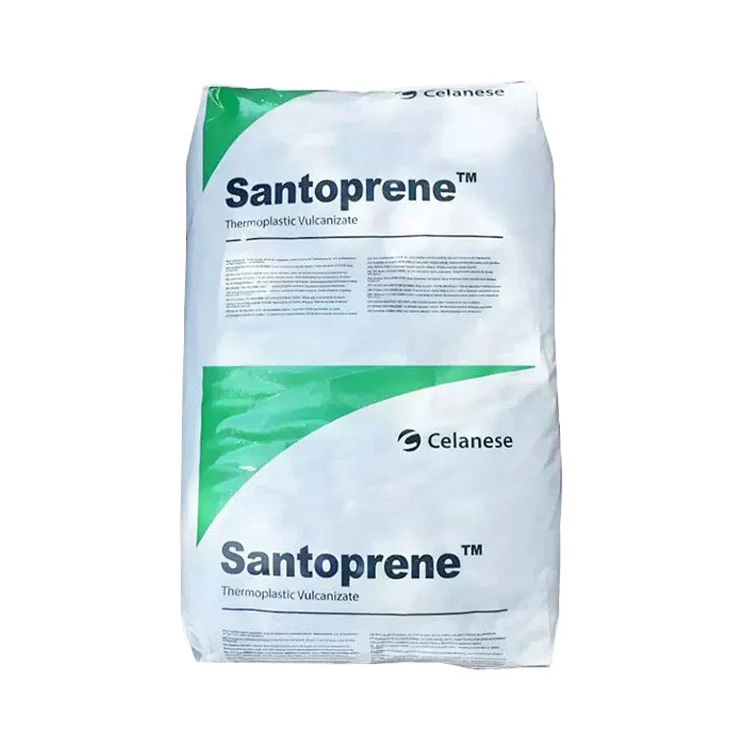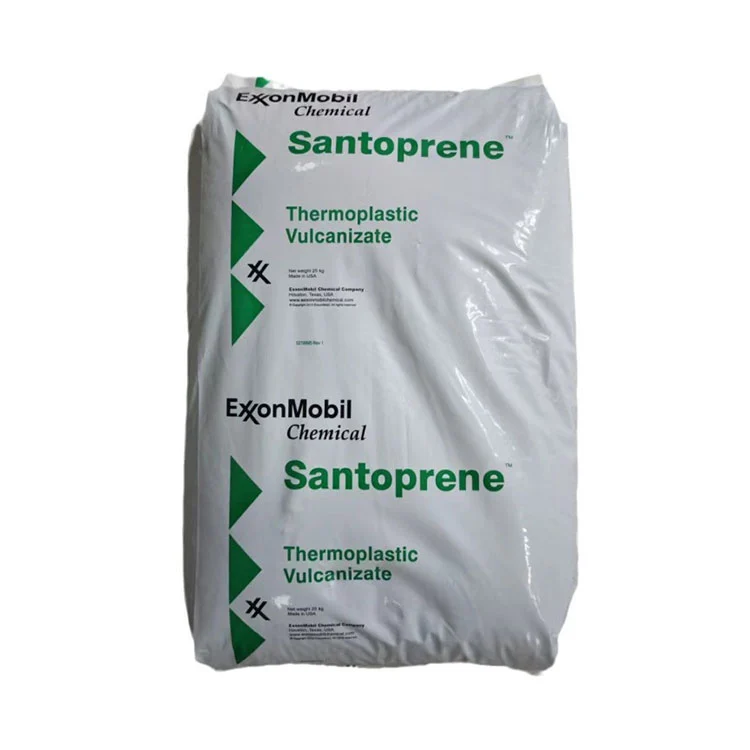
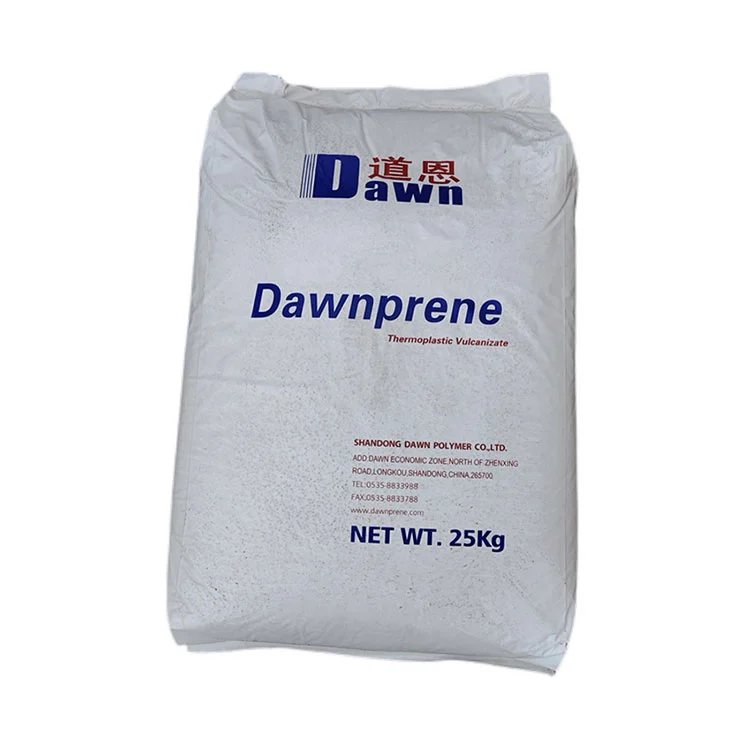
High-Temperature TPV is a thermoplastic vulcanizate developed for applications that require elastic recovery and dimensional stability under elevated temperatures. It combines the processing characteristics of thermoplastics with the resilience of vulcanized rubber, making selected grades suitable for seals, automotive components, hoses, profiles and other flexible parts exposed to heat and repeated deformation.
Compared with conventional thermoset rubber, TPV can be processed by thermoplastic methods such as injection molding and extrusion. For suitable applications, this eliminates the separate vulcanization step required by many conventional rubber processes. When selecting a grade for elevated-temperature service, heat aging, compression set, chemical resistance and mechanical properties should be evaluated together rather than relying on a nominal maximum temperature.
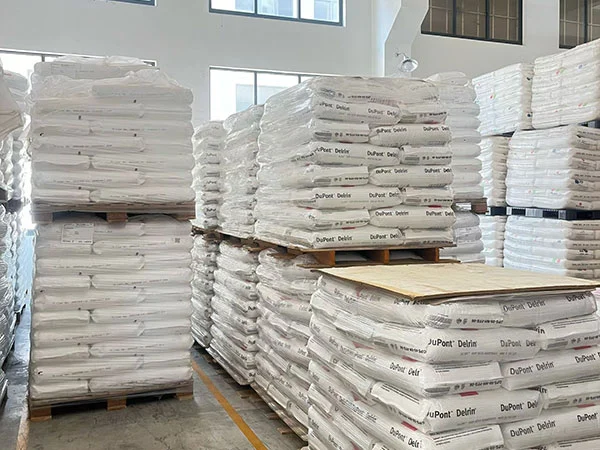
Nianjing provides sourcing support for commercial TPV grades from established manufacturers. Materials can be matched according to hardness, processing method, operating conditions, application requirements and order quantity.
TPV is generally selected when an elastic material needs to retain its functional properties under heat and repeated deformation. The actual performance depends on the polymer system, formulation and commercial grade.
Heat Resistance
Service temperature varies with formulation, hardness, loading conditions and exposure time. Some grades are designed for continuous elevated-temperature service, while their short-term temperature capability may be different. Manufacturer heat-aging data is therefore important when evaluating long-term use.
Compression Set
Compression set is particularly relevant to seals, gaskets and other continuously compressed components. A lower compression set generally indicates better recovery after prolonged compression under a defined temperature and test condition. Values should be compared using the same test method and conditions.
Hardness
TPV is available in different hardness levels, ranging from softer elastomeric grades to harder materials with greater support and rigidity. Hardness affects flexibility, compression force, recovery and the behavior of the finished component.
Density
TPV generally has a relatively low density compared with many conventional rubber materials. The actual density varies by grade and should be considered together with the mechanical properties required for the finished part.
Heat Aging
For elevated-temperature applications, heat-aging results can provide a more useful indication of long-term suitability than a maximum-temperature figure alone. Changes in tensile strength, elongation, hardness and compression set after defined aging conditions can be used to evaluate property retention.
PP/EPDM-based TPV is one of the most widely used TPV systems. It combines a thermoplastic PP phase with dynamically vulcanized EPDM rubber to provide a balance of elasticity, processability and environmental resistance.
Other TPV formulations may be developed for requirements such as improved oil resistance, flame performance, adhesion or specific processing behavior. As a result, material selection should be based on the commercial grade and its technical data rather than the TPV classification alone.
Selected grades are used for automotive sealing profiles, gaskets, dust covers, air-management components and other flexible parts exposed to elevated temperatures.
In engine-compartment applications, the material may be exposed to heat together with engine oil, lubricants, coolants or other fluids. Heat aging, compression set and chemical resistance therefore need to be considered alongside hardness and mechanical requirements.
TPV is also used for continuous profiles and molded sealing components where elastic recovery, dimensional stability and thermoplastic processing are required. The suitable grade depends on the sealing geometry, compression conditions, service temperature and environmental exposure.
Selected grades can be processed into hoses, tubes and other flexible components that require a combination of elasticity, heat resistance and processability. For fluid-contact applications, compatibility with the actual medium should be verified using manufacturer data or application testing.
Certain grades are developed for electrical and industrial parts requiring specific combinations of heat resistance, flexibility, insulation or flame-retardant performance. These characteristics are grade-specific and should be verified against the technical requirements of the finished component.
TPV can be processed using several thermoplastic methods. Injection molding and extrusion are the most common, while selected grades may also be suitable for blow molding, co-extrusion or multi-material processing.
Injection Molding
Used for molded seals, automotive components and other three-dimensional parts. Melt-flow characteristics, mold design, wall thickness, processing temperature and cycle requirements should be considered when selecting a grade.
Extrusion
Suitable for continuous profiles, seals, tubes and hoses. Melt strength, die design, cooling conditions and dimensional stability can influence the finished profile.
Blow Molding and Co-Extrusion
Certain TPV grades may be suitable for blow molding or co-extrusion, depending on the formulation, equipment and product design. The manufacturer's processing recommendations should be checked before production.
TPV can be combined with compatible thermoplastic substrates through two-shot molding, insert molding or co-extrusion.
PP-based grades are generally compatible with PP substrates because of their related material characteristics. Adhesion to PA, PBT, PC or other engineering plastics should not be assumed from the material category alone. Bonding performance depends on the specific TPV formulation, substrate, surface condition and processing parameters.
For multi-material components, adhesion should be verified through application-specific testing before full-scale production.
For TPV procurement, the most useful starting point is the actual application and the conditions under which the finished component will operate. Nianjing can screen commercial grades using information such as:
For automotive and sealing applications, compression set and heat-aging performance may be more important than a nominal maximum temperature. For fluid-contact components, resistance to the actual medium should be confirmed rather than inferred from the general TPV material category.
When replacing an existing material, the original grade number and current manufacturer TDS are useful reference points. When no specific grade has been selected, the material can instead be screened from the application, processing conditions and required properties.
Nianjing provides sourcing support for commercial TPV materials from established manufacturers rather than manufacturing a single standardized formulation.
For grade-based sourcing, an existing manufacturer, grade number or TDS can be used as the starting reference. This approach is suitable when replacing an existing material, maintaining an established production specification or looking for a commercially available equivalent.
For specification-based sourcing, Nianjing can work from the required hardness, operating temperature, processing method, application, chemical exposure and order quantity to identify suitable commercial options.
When sourcing High-Temperature TPV, current manufacturer documentation such as TDS, SDS and COA can be used to verify the selected grade before procurement. Keeping the sourcing process tied to the actual grade and technical requirements helps avoid selecting material based only on a general TPV classification.
Address
China Plastics City, Yuyao City, Ningbo City, Zhejiang Province, China
Tel
Looking for a specific plastic material, brand, grade or quantity? Send your requirements to Nianjing for sourcing and availability confirmation.
Please include the material name, manufacturer or brand, grade, quantity, application and delivery requirements when available. If you are unsure about the grade, simply describe your application and requirements.
Nianjing will review your inquiry and check suitable sourcing options based on your requirements.