Medical-Grade PP is a polypropylene resin developed for medical and healthcare applications where controlled material properties, cleanliness, chemical resistance, and sterilization performance are required. Yuyao Nianjing Import & Export Co., Ltd. supplies selected medical-grade PP materials from established manufacturers, with sourcing support based on grade, application, processing method, sterilization requirements, and required quantity.
Depending on the grade, medical PP can be used for syringe components, diagnostic consumables, medical packaging, laboratory products, sterilization trays, and other healthcare-related molded parts. The suitability of a grade should be verified against the manufacturer's technical documentation and the requirements of the intended medical application.
Important: "Medical grade" is not a universal property of all polypropylene. The specific resin grade, formulation, manufacturing controls, regulatory documentation, and intended use should be confirmed before material selection.
For medical applications, the resin should be evaluated according to the requirements of the finished product.
A syringe component, for example, may require controlled flow, dimensional consistency, clarity, and suitable extractables performance, while a reusable sterilization tray may place greater emphasis on rigidity, heat resistance, and retention of properties after repeated sterilization.
Key selection factors normally include:
| Requirement | Why It Matters |
| Melt Flow Rate (MFR) | Influences filling behavior and suitability for different molding processes |
| Rigidity | Important for containers, trays, closures, and structural components |
| Impact Strength | Relevant for products exposed to handling or mechanical shock |
| Clarity | Useful where the contents or internal components need to be visually inspected |
| Chemical Resistance | Important for contact with pharmaceuticals, disinfectants, or laboratory chemicals |
| Heat Resistance | Relevant to elevated-temperature use and sterilization |
| Dimensional Stability | Helps maintain component dimensions during processing and service |
| Sterilization Compatibility | Determines whether the selected grade is suitable for the intended sterilization process |
| Extractables / Leachables | Important for products contacting drugs, fluids, or other sensitive contents |
| Regulatory Documentation | Provides evidence for evaluating the material against the requirements of the intended market and application |
The actual specification should always be based on the manufacturer's current TDS and applicable compliance documentation.
Different PP structures provide different balances of stiffness, clarity, and impact performance.
Homopolymer PP generally offers higher stiffness and good heat resistance. Depending on the grade, it can be considered for rigid medical components, laboratory products, containers, closures, and equipment parts.
Random copolymer grades generally provide better clarity and flexibility than many homopolymer grades. They may be considered for transparent containers, diagnostic products, and medical packaging components where visibility is important.
Impact copolymer grades are designed to improve impact performance while maintaining useful stiffness. They can be considered for molded medical containers and components exposed to handling loads.
The polymer structure is only one part of grade selection. MFR, additives, formulation, sterilization requirements, compliance documentation, and the final application also need to be evaluated.
Selected medical-use PP grades are used for syringe components and other fluid-handling products. Depending on the product design, manufacturers may evaluate flowability, clarity, dimensional control, chemical resistance, extractables, and sterilization compatibility.
PP is widely considered for laboratory consumables and equipment components such as centrifuge tubes, laboratory containers, cultureware, and related molded products. Chemical resistance and compatibility with the intended cleaning or sterilization process can be important selection criteria.
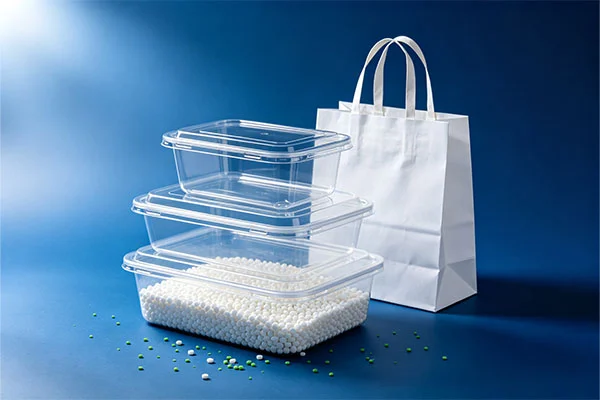
Suitable grades may be used for containers, closures, trays, packaging components, and other products where material consistency and compatibility with the packaged contents are required.
Diagnostic applications can require a combination of clarity, dimensional accuracy, chemical resistance, processability, and controlled material composition. The appropriate PP grade depends on the specific component and test conditions.
Some PP grades are used for sterilization trays, instrument boxes, and related equipment components where rigidity, dimensional stability, and resistance to repeated sterilization are required. For reusable products, the expected number of sterilization cycles should be evaluated using manufacturer data and, where necessary, finished-product testing.
The sterilization method should be defined before finalizing the resin grade.
Depending on the specific formulation and application, medical-use PP may be considered for:
These processes do not affect every PP grade in the same way. Steam exposure may influence dimensions, appearance, and mechanical properties after repeated cycles. Radiation can cause discoloration or changes in mechanical performance depending on the material formulation and irradiation conditions.
For a sterilized product, customers should confirm:
Sterilization method + operating conditions + exposure frequency + required property retention
Do not use a general PP temperature rating as evidence of sterilization compatibility. The relevant information should come from the specific grade's technical documentation and application data.
Medical resin purchasing should be supported by documentation that corresponds to the actual grade and intended use.
Depending on the product and destination market, relevant documents may include:
ISO 10993 is a series of standards for the biological evaluation of medical devices. The applicable evaluation depends on factors such as the nature and duration of contact with the body. A resin supplier's ISO 10993-related information should therefore be evaluated together with the finished device and its intended use.
USP Class VI testing is used to evaluate the biological response of materials under specified test conditions. Whether it is required depends on the application and customer or regulatory requirements.
A resin that has food-contact compliance documentation should not automatically be treated as a medical-use material. Likewise, a medical-use grade should be evaluated according to the requirements of the actual medical application. For regulated products, customers should obtain and review the manufacturer's current documentation before material approval.
The following grades are included in Nianjing's current sourcing information.
| Manufacturer | Grade / Series | Material Type / Main Feature | Application Direction |
| LyondellBasell | PURELL® Series | PP grades developed for healthcare applications; properties vary by grade | Medical components, packaging, laboratory products |
| ExxonMobil | PP1013H1 / PP1014H1 | Homopolymer PP grades | Containers, closures, molded components |
| ExxonMobil | PP9074MED | Medical-use random copolymer grade | Syringe and diagnostic-related components |
| Ensinger | TECAPRO MT Series | PP-based medical material with high heat and dimensional stability | Instrument boxes and reusable medical equipment |
| SABIC | SABIC® PP PCGH19 | Medical-use PP with high stiffness and flow characteristics | Closures, syringe components, thin-wall parts |
| Borealis | Bormed™ HD800CF | Medical-use PP homopolymer | Pharmaceutical and medical packaging |
Note: The table is intended as a sourcing reference. Grade specifications, compliance status, availability, and application recommendations should be confirmed against the manufacturer's latest technical and regulatory documents.
Instead of selecting a material only by the term "medical PP," customers can start with the finished product.
| Application | Important Selection Factors |
| Syringe components | MFR, clarity, dimensional accuracy, extractables, sterilization |
| Laboratory containers | Chemical resistance, rigidity, clarity, heat resistance |
| Medical containers | Impact strength, stiffness, processability, chemical resistance |
| Closures | Flowability, dimensional control, stiffness, sealing requirements |
| Sterilization trays | Rigidity, heat resistance, dimensional stability, repeated sterilization |
| Diagnostic components | Clarity, dimensional accuracy, chemical resistance, processability |
| Medical packaging | Clarity, processability, sealing requirements, material compatibility |
This table should be used as an initial selection guide. Final material approval requires evaluation of the specific product and processing conditions.
Medical PP does not have one universal processing window. Injection temperature, mold temperature, injection speed, holding pressure, and cooling conditions should be established according to the selected grade and manufacturer's TDS.
For medical production, material handling is also important. Manufacturers should control:
For critical medical products, the resin specification should be linked to the manufacturer's documentation and the customer's quality-control requirements.
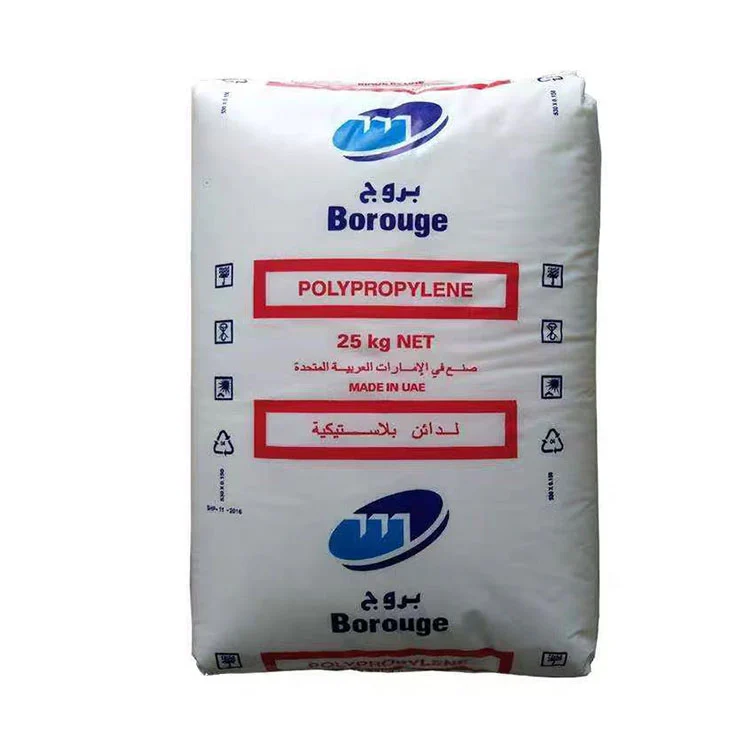
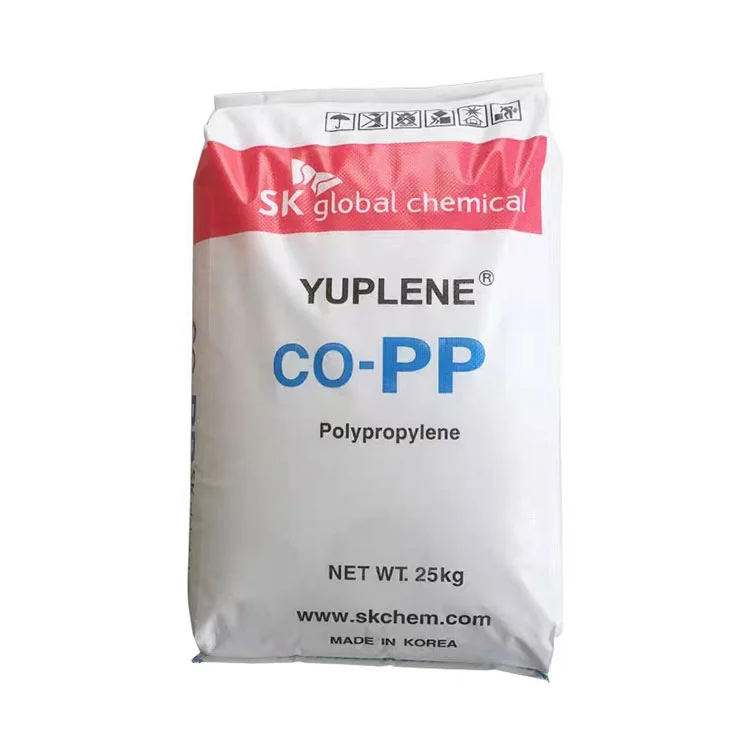
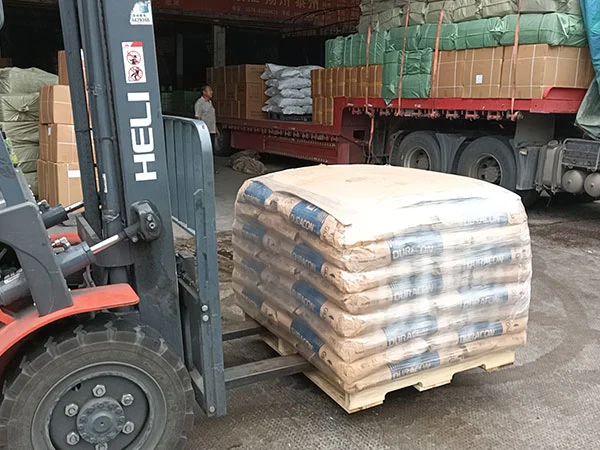
Medical-use PP is generally supplied in sealed resin bags, with packaging specifications determined by the manufacturer.
Before shipment, the order should be checked against:
Grade → Manufacturer → Lot / Batch → Quantity → Packaging Condition → Shipping Documents
For export orders, Nianjing can coordinate material preparation, order handling, and logistics according to the confirmed grade, quantity, destination, and delivery requirements.
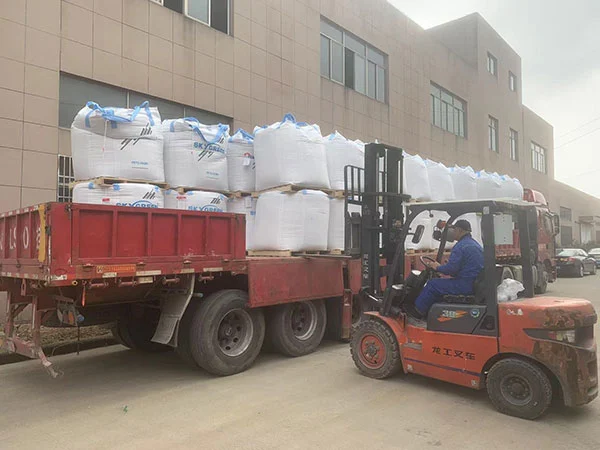
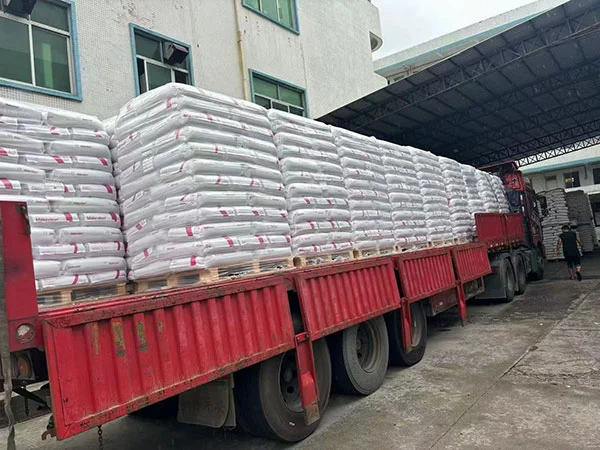
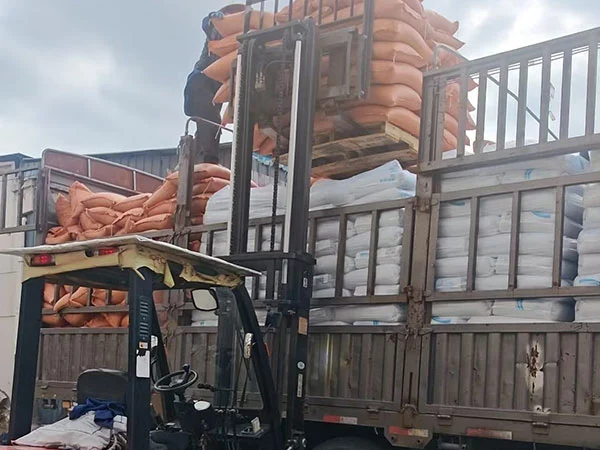
Nianjing works with plastic resin suppliers and distributors in China Plastics City, Yuyao.
For a quotation or availability check, customers can provide:
If the grade is not yet determined, providing the product type and key technical requirements gives the sourcing team a basis for checking possible materials.
Nianjing can assist with grade sourcing, manufacturer matching, availability checking, supplier information, order coordination, and logistics arrangements.
A: No. Medical suitability depends on the specific PP grade, formulation, intended use, processing conditions, sterilization requirements, and applicable documentation.
A: Some grades are suitable for steam sterilization, but performance depends on the grade and sterilization conditions. Repeated cycles should be evaluated using manufacturer data and, where necessary, finished-product testing.
A: They are different evaluation frameworks. ISO 10993 addresses the biological evaluation of medical devices, while USP Class VI provides specified biological testing for materials. The applicable requirement depends on the product, contact conditions, market, and customer specifications.
A: Important factors can include MFR, clarity, dimensional stability, extractables, chemical resistance, sterilization compatibility, and applicable medical-use documentation. The exact requirements depend on the syringe design and manufacturing process.
A: No. A grade suitable for a syringe component may not be the appropriate choice for a reusable sterilization tray or pharmaceutical container. Material selection should be based on the specific product and service conditions.
A: Depending on the application, customers may need the TDS, SDS, medical-use compliance documentation, biological evaluation information, sterilization data, extractables/leachables information, and batch or lot records.
A: Yes. Customers can provide the manufacturer, grade, quantity, destination, or application requirements, and Nianjing can check the available sourcing options.
If you already have a specified material, send the manufacturer, grade, quantity, and destination.
For a new medical product, provide the application, processing method, sterilization method, and key material requirements. The available PP grades can then be evaluated against the technical and compliance requirements of the project.
Address
China Plastics City, Yuyao City, Ningbo City, Zhejiang Province, China
Tel
Looking for a specific plastic material, brand, grade or quantity? Send your requirements to Nianjing for sourcing and availability confirmation.
Please include the material name, manufacturer or brand, grade, quantity, application and delivery requirements when available. If you are unsure about the grade, simply describe your application and requirements.
Nianjing will review your inquiry and check suitable sourcing options based on your requirements.