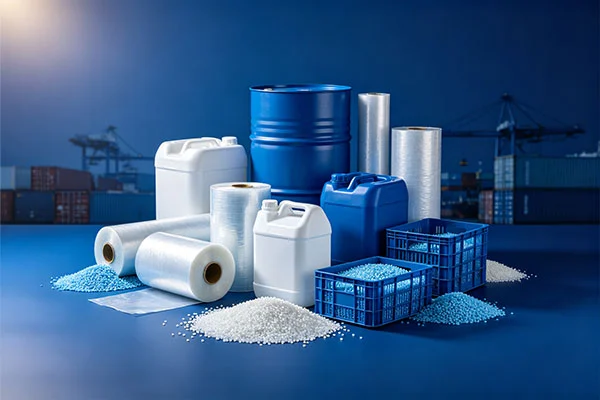
Industrial-Grade PP (Polypropylene) is a thermoplastic resin available in homopolymer, random copolymer, impact copolymer, and modified grades. Different grades are selected according to processing method, melt flow, stiffness, impact resistance, chemical resistance, heat performance, and dimensional requirements.
Yuyao Nianjing Import & Export Co., Ltd. supplies PP resin from established manufacturers and supports customers with brand and grade sourcing, material comparison, availability checking, documentation, and export shipment coordination.
Based in Yuyao, Zhejiang, Nianjing operates in China Plastics City, where a wide range of plastic raw materials and suppliers are available. This local sourcing environment allows the company to check different PP grades according to the required application, quantity, destination, and delivery requirements.
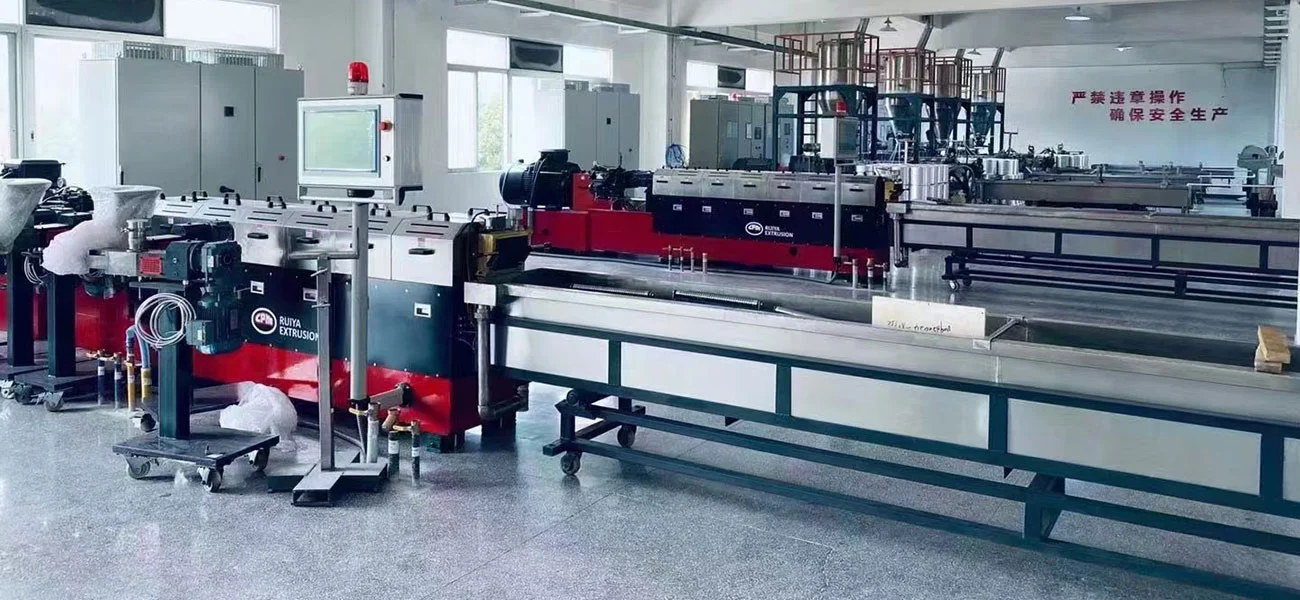
The performance of PP varies significantly between grades, so the following values are provided only as general references. For purchasing and production, the TDS of the selected grade should be used as the technical reference.
| Property | General Reference | Why It Matters |
| Density | Approx. 0.90–0.91 g/cm³ | Affects product weight and material consumption |
| Melting Point | Approx. 160–170°C | Relevant to processing and temperature exposure |
| Water Absorption | Low | Helps limit moisture-related dimensional changes |
| Chemical Resistance | Good against many acids and alkalis | Useful for selected industrial applications |
| Stiffness | Grade dependent | Important for rigid components |
| Impact Strength | Grade and temperature dependent | Important for parts exposed to impact |
| MFR | Grade dependent | Influences filling, extrusion and processing |
| Shrinkage | Grade and process dependent | Important for dimensional control |
Actual values such as MFR, tensile strength, flexural modulus, impact strength, heat resistance, and shrinkage should be checked against the manufacturer's current TDS.
The basic PP structure provides a useful starting point for material selection.
| Grade Type | Main Performance | Typical Applications |
| Homopolymer PP | Higher stiffness and heat resistance | Fibers, films, woven products, rigid molded parts |
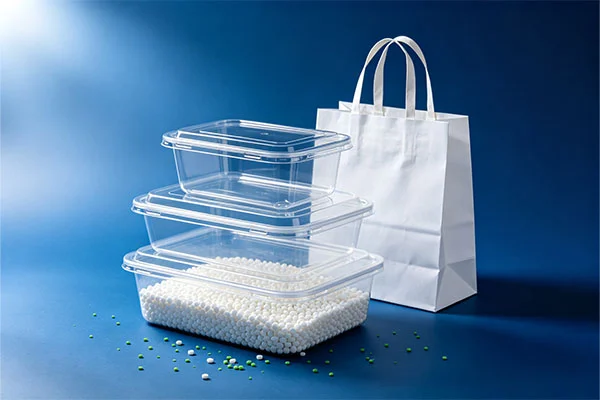
| Random Copolymer PP | Better clarity and flexibility | Transparent containers, packaging, pipes, molded products |
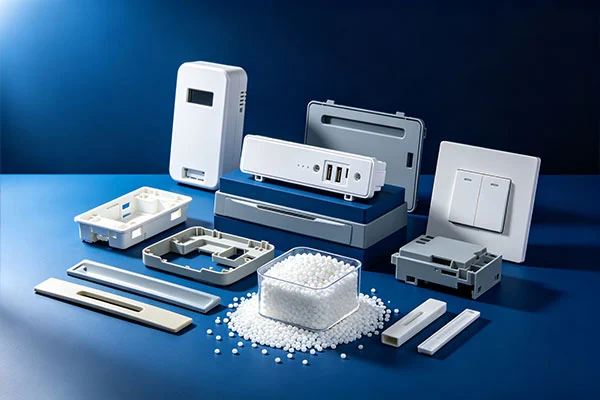
| Impact Copolymer PP | Higher toughness and impact resistance | Automotive parts, housings, industrial containers |
| Modified PP | Enhanced specific properties | Reinforced, flame-retardant, UV-resistant or dimension-sensitive parts |
The final grade should be selected according to the finished product, processing equipment, operating environment, and required properties, rather than polymer type alone.
Processing method is one of the most useful starting points when comparing PP grades.
| Processing Method | Grade Selection Focus | Key Parameters |
| Injection Molding | General, high-flow, high-stiffness or impact grades | MFR, stiffness, impact, shrinkage |
| Film Extrusion | Film-specific grades | MFR, optical properties, stiffness |
| Fiber / Nonwoven | Fiber grades | MFR, spinning stability, tensile performance |
| Extrusion | Extrusion grades | MFR, melt strength, processing stability |
| Thin-Wall Molding | High-flow grades | MFR, filling behavior, cycle time |
| Reinforced Components | Glass/mineral-filled PP | Modulus, shrinkage, fiber content |
For dimension-sensitive products, resin selection should also be evaluated together with wall thickness, mold design, cooling conditions, and processing parameters.
Industrial PP grades are used across several manufacturing sectors where low density, chemical resistance, processability, stiffness, or impact performance are required.
| Application | Typical Products |
| Automotive | Interior parts, trims, housings, battery-related components |
| Chemical Equipment | Tanks, pipes, fittings, ventilation components |
| Packaging | Containers, trays, caps, closures and packaging components |
| Film | BOPP, CPP and other PP-based film structures |
| Fiber & Woven Products | Woven bags, ropes, straps, nonwovens |
| Industrial Products | Housings, trays, storage products and molded components |
Chemical resistance should always be checked against the actual chemical medium, concentration, temperature, exposure time, and mechanical load.
When standard PP does not provide the required performance, modified grades can be considered.
Glass fiber reinforcement increases stiffness, strength and dimensional stability and is commonly used for automotive, electrical and industrial molded components.
Talc, calcium carbonate and other fillers can improve rigidity and dimensional control while modifying material cost and processing behavior.
Elastomer modification improves toughness and impact resistance, particularly where the finished product may experience impact or lower-temperature conditions.
UV stabilizers can improve resistance to outdoor exposure and slow material degradation caused by ultraviolet radiation.
The required formulation depends on the actual operating environment and should be confirmed through the grade's technical documentation.
PP generally has good processability, but the recommended processing window varies between grades.
For injection molding, important variables include:
Melt Temperature → Injection Speed → Injection Pressure → Holding Pressure → Mold Temperature → Cooling Time
Incorrect processing conditions may contribute to warpage, sink marks, weld lines, incomplete filling, surface whitening, or dimensional variation.
Because PP is semi-crystalline, cooling conditions can have a noticeable effect on shrinkage and final dimensions. For precision components, resin selection and mold/process design should therefore be evaluated together.
PP has low moisture absorption and normally does not require routine drying before processing. However, proper storage remains important.
Keep the resin:
Damaged or contaminated bags should be inspected before production.
For commercial PP procurement, the grade name alone is not enough to evaluate material suitability. The manufacturer's current technical documentation should be reviewed before material approval.
| Document / Data | Purchasing Purpose |
| TDS | Grade-specific technical properties |
| SDS | Handling, storage and safety information |
| COA | Batch-specific quality information, when supplied |
| MFR | Melt-flow and processing reference |
| Density | Material consumption and weight calculation |
| Impact Strength | Toughness evaluation |
| Flexural Modulus | Stiffness comparison |
| Heat Performance | Evaluation for elevated-temperature use |
| Shrinkage Data | Dimensional control |
For performance-critical applications, the manufacturer's current TDS and batch documentation should take priority over general values published online.
Nianjing can check different manufacturers and grades according to the required application, quantity, destination and current availability.
| Manufacturer | Representative Grades | Grade Direction | Typical Applications |
| Formosa Plastics | 1005, 1009, 1020, 1040 | Homopolymer / processing grades | Film, fiber, woven products |
| Prime Polymer | J707EG, J105G | Injection grades | Industrial and household molded parts |
| SK | BX3800, BX3500, BM3900, BX3920 | Different PP processing grades | Molded and industrial products |
| ExxonMobil | PP6936G2 | High-flow, high-stiffness | Industrial and automotive-related applications |
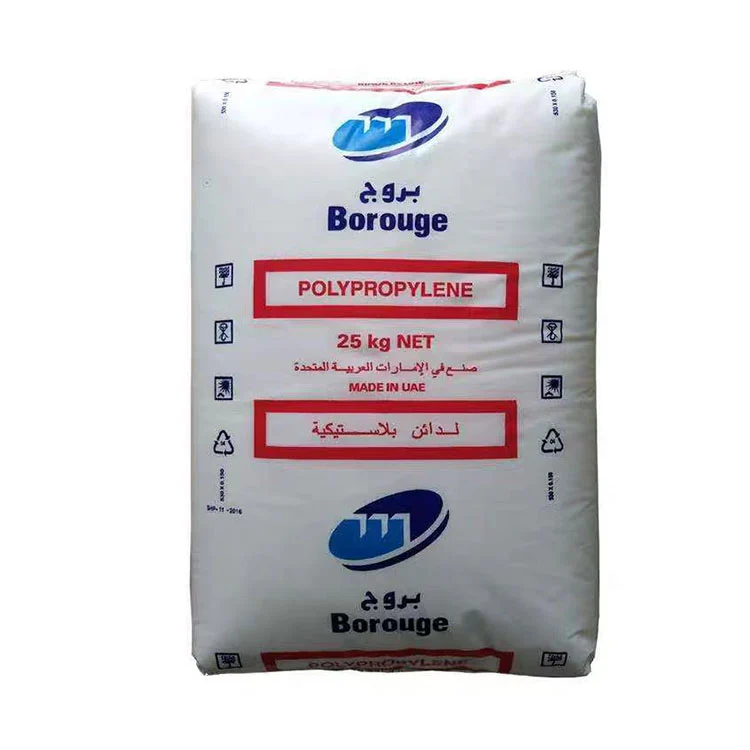
| Borouge | HC402BF, HC116FB, BD265MO, BE961MO, BH975MO | Film, fiber and impact grades | Packaging, containers and industrial products |
| NAN YA | 3117A, 3210G4, 3210G6, 3307 Series | Heat-resistant and reinforced grades | Electrical, automotive and industrial |
The listed grades are representative examples rather than a complete product range. Availability, specifications and manufacturer supply conditions should be confirmed before ordering.
Nianjing can work from either a specific grade requirement or a finished-product specification.
If the grade is already known, provide:
Brand / Manufacturer → Grade → Quantity → Application → Destination
For example, if Prime Polymer J105G is required, Nianjing can check the current sourcing situation and relevant supplier information.
If the grade has not yet been selected, provide:
Product → Processing Method → Required Properties → Quantity → Destination
This gives the sourcing team a basis for comparing possible grades.
Nianjing supports PP resin sourcing based on the required brand, grade, application, quantity, and destination. The company can assist with specific grade sourcing, alternative grade comparison, supplier coordination, availability checking, TDS/SDS collection, packaging and quantity confirmation, order coordination, and export shipment arrangements. Final material selection should be verified by the technical team against the manufacturer's current documentation and actual production requirements.
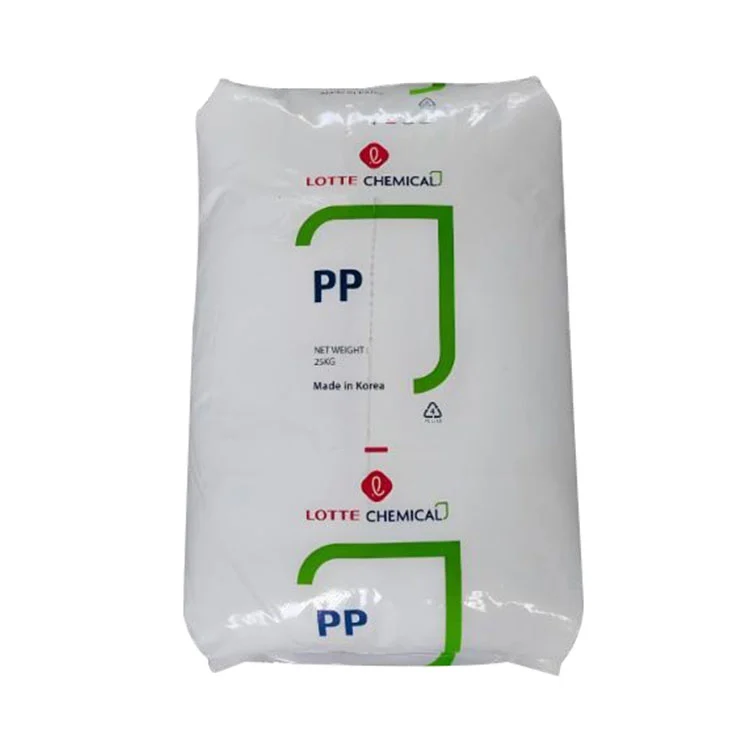
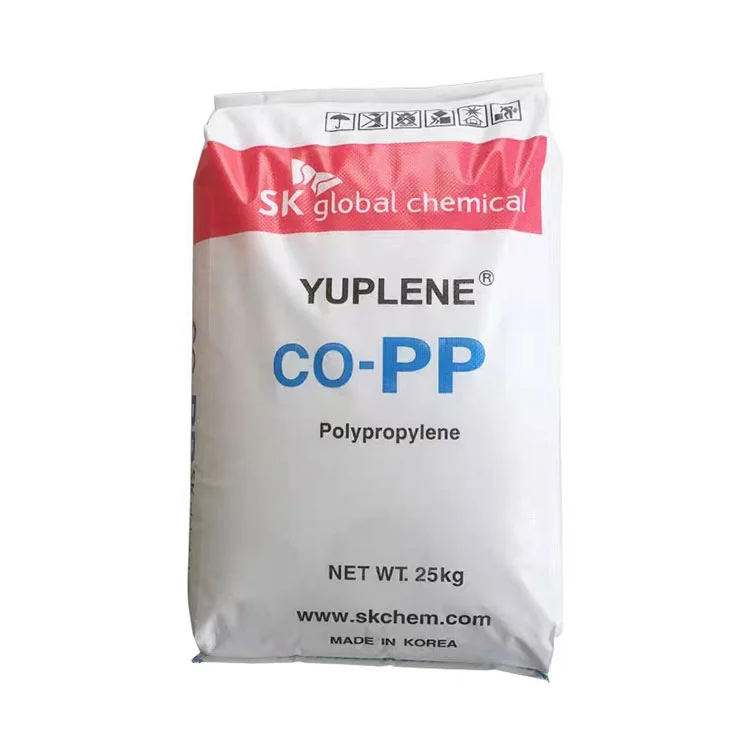
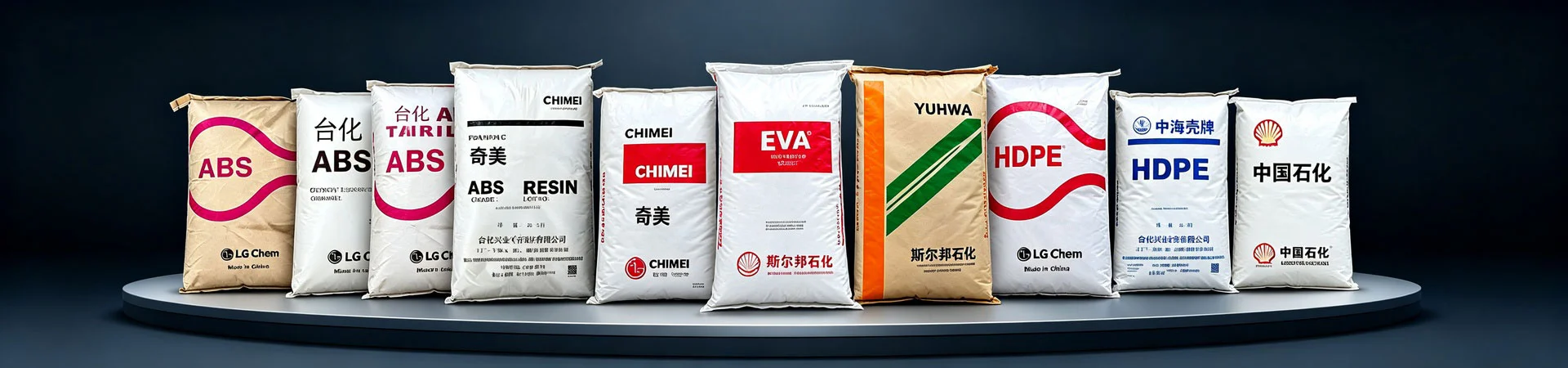
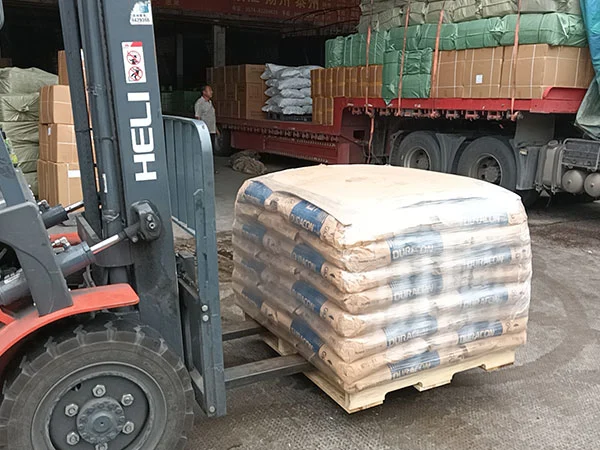
PP resin is normally supplied in sealed manufacturer-standard bags, with the packaging format and loading method depending on the selected manufacturer, grade, order quantity, and shipping requirements. Before dispatch, Nianjing checks the confirmed brand, grade, quantity, packaging, and shipping requirements to ensure the cargo is prepared according to the order.
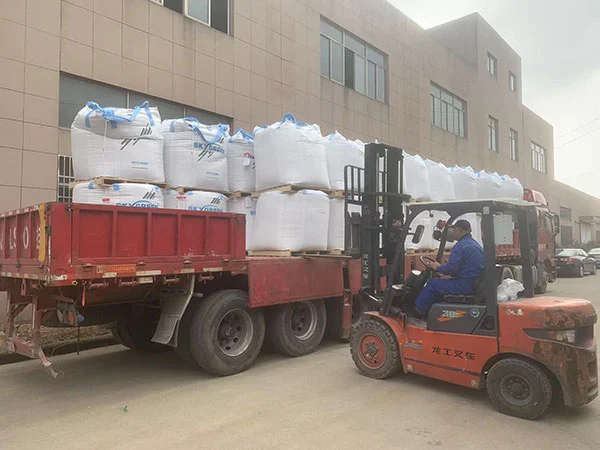
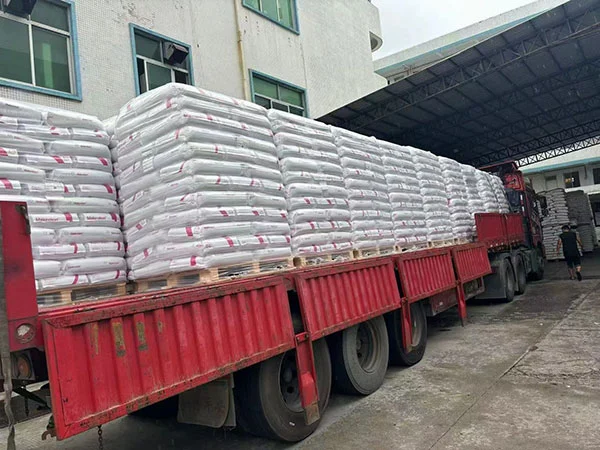
Real packaging photos can be added to show the PP resin bags, manufacturer and grade markings, bag weight, palletized goods, and cargo prepared for dispatch. These photos should come from actual orders whenever possible, allowing customers to see the packaging condition and product identification before shipment.
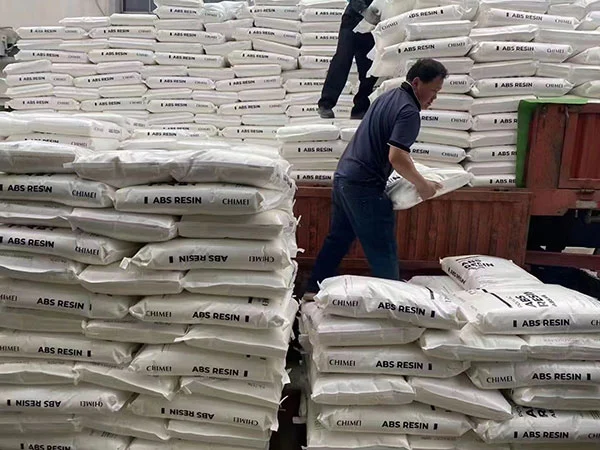
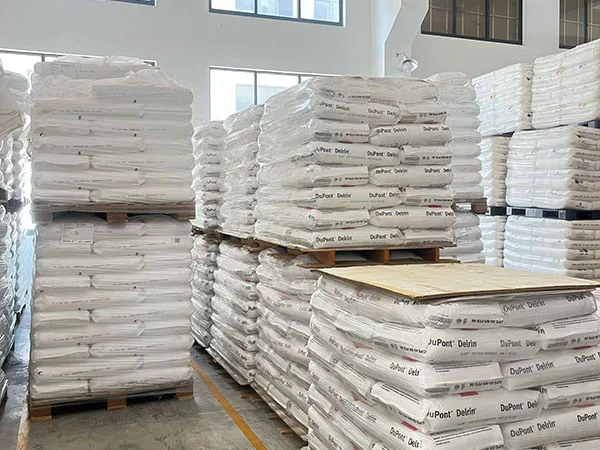
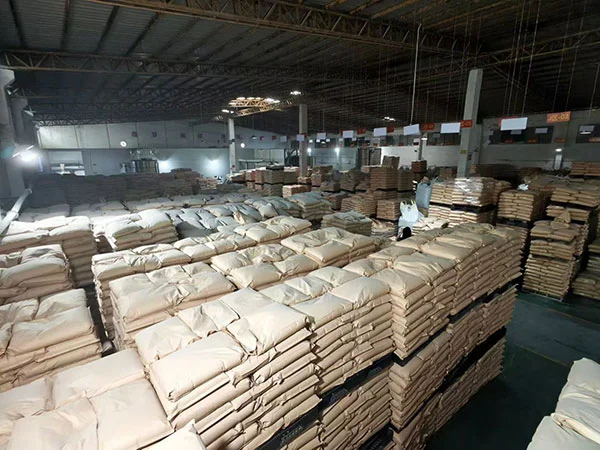
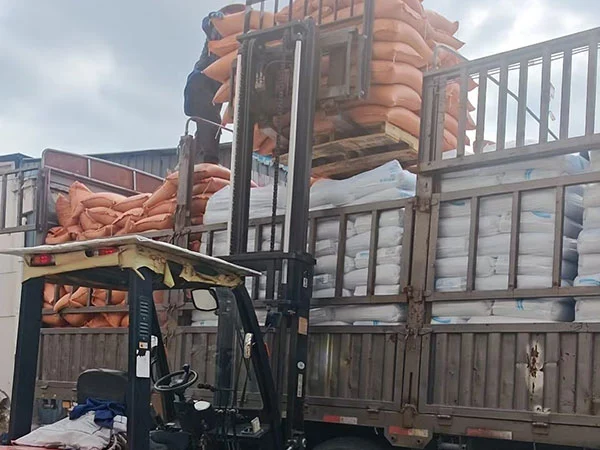
For export orders, actual loading photos can document the cargo preparation and container loading process, including the goods before loading, bag arrangement inside the container, completed loading, and container sealing where applicable. Shipment records such as the loading date, quantity, destination, or container information can also be displayed when customer confidentiality permits.
Where customer confidentiality permits, completed shipment information can be presented in a simple format:
| Item | Shipment Information |
| Product | Industrial-Grade PP |
| Brand / Grade | Actual shipped grade |
| Quantity | Actual order quantity |
| Packaging | Actual packaging |
| Shipment Method | FCL / LCL |
| Destination | Actual destination market |
| Shipment Date | Actual dispatch date |
Only actual shipment information should be published. Customer names, order numbers and other confidential information can be removed or blurred.
For export orders, Nianjing can coordinate transportation according to the shipment volume, destination and delivery requirements.
| Transportation | Suitable For |
| FCL Sea Freight | Larger PP resin orders and full-container shipments |
| LCL Sea Freight | Smaller quantities that do not require a full container |
| Other Logistics Options | Selected destinations or specific delivery requirements |
The final transportation method, container arrangement, shipping schedule and freight terms should be confirmed according to the actual order.
A: No. PP grades differ significantly in stiffness, impact resistance, flowability, heat performance and chemical resistance. The material should be matched to the actual application and processing method.
A: Homopolymer is generally preferred when stiffness and heat performance are priorities, while impact copolymer is considered when toughness and impact resistance are more important.
A: Not necessarily. Higher MFR generally provides easier melt flow, but the suitable range depends on the product, equipment, processing method and required mechanical properties.
A: PP has low moisture absorption, so routine pre-drying is generally unnecessary. Proper storage and clean handling are still required.
A: Yes. Customers can provide the manufacturer, grade, quantity and destination, and Nianjing can check available sourcing options.
A: The most useful information includes brand or grade, application, processing method, quantity, destination and key technical requirements. If the grade is unknown, the finished product and manufacturing process can be provided for initial grade comparison.
A: Yes. When the original grade is unavailable or another option is required, Nianjing can check potential alternatives based on the required processing characteristics and technical properties. Final substitution should be confirmed through the relevant TDS and production testing.
For a specific Industrial-Grade PP requirement, provide the brand or grade, quantity, application, processing method and destination.
If you are still selecting the material, provide the finished product and key performance requirements. Nianjing can check available grades and provide the relevant technical information for further evaluation.
Address
China Plastics City, Yuyao City, Ningbo City, Zhejiang Province, China
Tel
Looking for a specific plastic material, brand, grade or quantity? Send your requirements to Nianjing for sourcing and availability confirmation.
Please include the material name, manufacturer or brand, grade, quantity, application and delivery requirements when available. If you are unsure about the grade, simply describe your application and requirements.
Nianjing will review your inquiry and check suitable sourcing options based on your requirements.