Food-Grade PP (Polypropylene) refers to polypropylene resin grades intended for specified food-contact applications and supplied with the relevant information and documentation for their intended use.
Yuyao Nianjing Import & Export Co., Ltd. supplies Food-Grade PP from established resin manufacturers and supports customers with grade sourcing, material selection, availability checks, and purchasing arrangements.
Based in Yuyao, Zhejiang, Nianjing operates from China Plastics City, a major trading center for plastic raw materials. The company's local supply network provides access to different PP grades and manufacturers, allowing customers to source polypropylene resin according to application, processing method, specification, quantity, and destination market.
Not every PP grade is suitable for food contact. The compliance of the specific grade, formulation, intended application, and target market should be confirmed before purchase.
Polypropylene is a widely used thermoplastic resin characterized by low density, good chemical resistance, low moisture absorption, and useful heat resistance. Suitable food-contact PP grades are commonly used for food containers, packaging components, household foodware, closures, and other molded products.
For food-contact applications, material selection involves more than choosing polypropylene as the base resin. The following factors should be considered:
The appropriate Food-Grade PP should therefore be selected according to the complete application rather than the PP material designation alone.
The following values are general reference characteristics for polypropylene. Actual properties depend on the manufacturer and individual grade.
| Property | Typical PP Range / Characteristic | Relevance to the Application |
| Density | Approximately 0.90–0.91 g/cm³ | Helps reduce the weight of containers and molded products |
| Melting Point | Approximately 160–170°C | Relevant when evaluating processing and heat exposure |
| Chemical Resistance | Good resistance to many acids, alkalis, oils, and alcohols | Useful for containers exposed to different food contents |
| Moisture Absorption | Low compared with many engineering plastics | Suitable for packaging and food storage applications |
| Stiffness | Varies according to polymer structure and grade | Important for containers, lids, trays, and molded parts |
| Impact Performance | Depends on grade and copolymer structure | Important for products subject to handling or impact |
| Melt Flow Rate | Grade dependent | Influences filling behavior and processing performance |
These figures are general material references only. For purchasing decisions, the manufacturer's Technical Data Sheet (TDS) for the specific grade should be reviewed.
Polypropylene grades differ in polymer structure and processing characteristics, so the appropriate type should be selected according to the required stiffness, impact performance, transparency, MFR, processing method, and finished-product design.
PP homopolymer generally provides higher stiffness and good heat resistance. Depending on the individual grade, it is commonly considered for food containers, trays, lids, household foodware, and other injection-molded packaging components. For food-contact applications, suitability should be verified through the manufacturer's documentation for the selected grade and intended conditions of use.
Random copolymer PP generally provides improved clarity and flexibility compared with conventional homopolymer grades. Depending on the grade, it may be used for transparent food containers, packaging products, bottles, containers, packaging components, and thermoformed products. The actual transparency, stiffness, impact performance, and temperature resistance should be evaluated from the technical data of the selected grade rather than assumed from the polymer type alone.
Impact copolymer PP is formulated to provide improved impact performance while retaining useful stiffness. Depending on the grade, it can be considered for molded containers and packaging products where resistance to impact during handling and use is an important requirement.
Suitable polypropylene grades are used in a range of food-contact products, provided that the selected material and finished article comply with the requirements applicable to the intended use. Grade selection may take into account stiffness, impact strength, transparency, MFR, processing method, and temperature requirements.
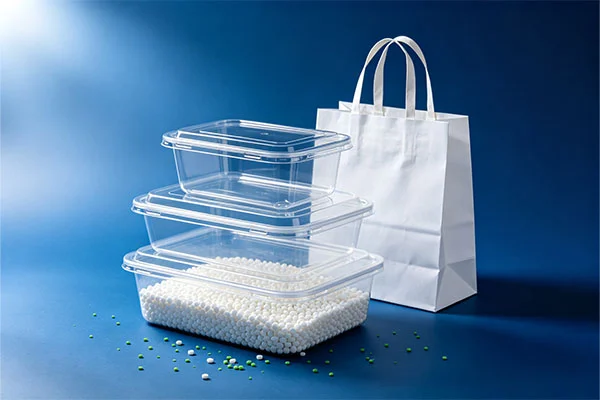
PP is commonly processed into food storage containers, trays, boxes, and other molded packaging products. Depending on the product design and processing method, the selected grade may need to balance rigidity, impact strength, transparency, melt flow, and temperature performance.
Food-contact polypropylene can be used for caps and closures, lids, food trays, packaging containers, thin-wall molded packaging, and other components that come into contact with food. The suitable grade depends on the molding process, part geometry, required mechanical properties, and applicable food-contact requirements.
Depending on the grade and applicable requirements, polypropylene is used for reusable food containers, kitchenware, storage products, and other household food-contact articles. Material selection should consider the intended use, processing conditions, and regulatory requirements for the destination market.
Certain PP grades are used in microwaveable food containers because polypropylene has useful temperature performance among commodity thermoplastics. However, microwave suitability should be confirmed for the specific resin grade and finished product, since product design, processing, labeling, and intended heating conditions can all affect suitability.
For food-contact applications, compliance should be evaluated according to the specific material grade, finished article, intended use, and destination market. Regulatory requirements can differ depending on where the finished product is manufactured, distributed, or sold, so the applicable requirements should be confirmed for the actual market and conditions of use.
Applicable FDA food-contact requirements should be checked for the specific material, formulation, and intended conditions of use rather than treating the resin as universally approved for food contact.
Food-contact plastic materials and articles may need to comply with GB 4806.7 and other applicable Chinese food-contact standards, depending on the material, finished article, and intended use.
Materials and finished products entering the EU market should be evaluated against applicable EU food-contact regulations, restrictions, and conditions of use for the intended application.
Depending on the application and destination market, customers may request a Technical Data Sheet (TDS), Safety Data Sheet (SDS), food-contact compliance declaration, migration test information, and other regulatory documentation issued or supported by the manufacturer. The term "food grade" should not be treated as a universal certification, because the relevant compliance status depends on the specific grade, formulation, conditions of use, and applicable regulations.
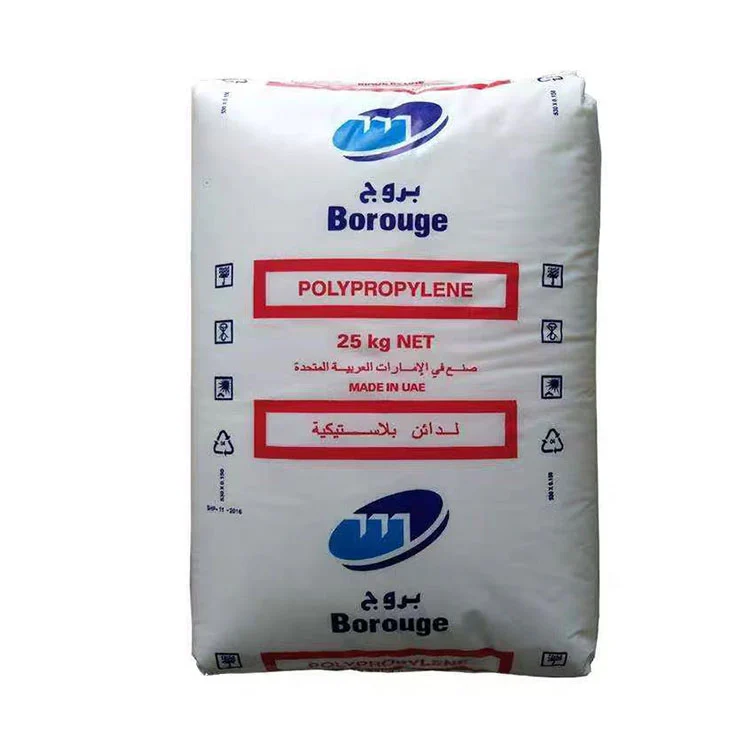
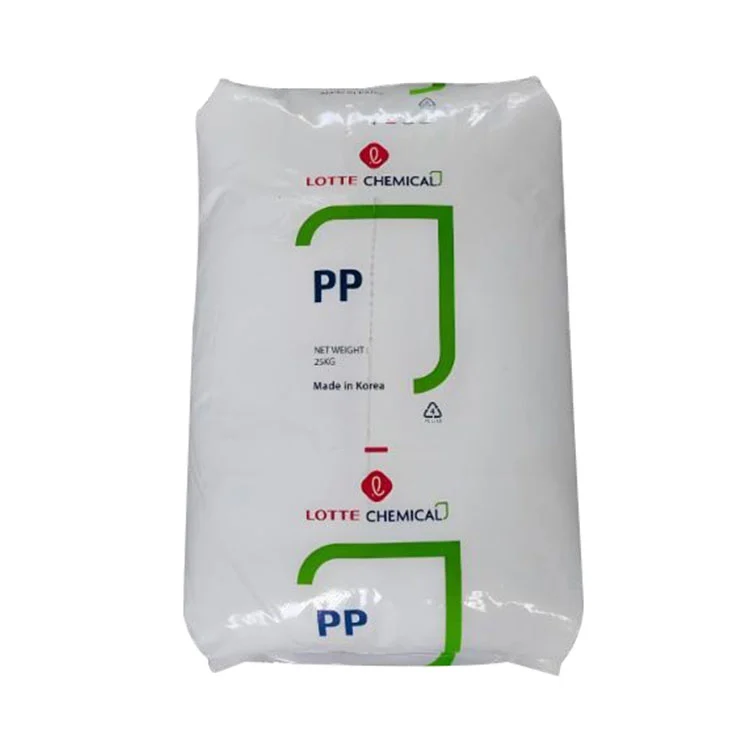
Nianjing's sourcing range includes Food-Grade PP grades from established manufacturers and suppliers. Representative grades include:
| Manufacturer / Brand | Grade | Grade Type / Characteristics | Typical Application |
| LyondellBasell | HP500N | High-stiffness homopolymer injection grade | Food containers and molded packaging components |
| Chambroad | M800E Series | Transparent PP grades | Food packaging and transparent containers |
| Sinopec | HT9025NX | Impact copolymer with a balance of stiffness and toughness | Containers requiring higher impact performance |
| Sinopec | K1011 / K1108 | Homopolymer injection grades | Food containers and molded products |
| Tairipro | K8009 | High-flow, impact-resistant, semi-transparent grade | Food containers and molded products |
| Tairipro | K1011 | High-flow homopolymer injection grade | Food containers and household foodware |
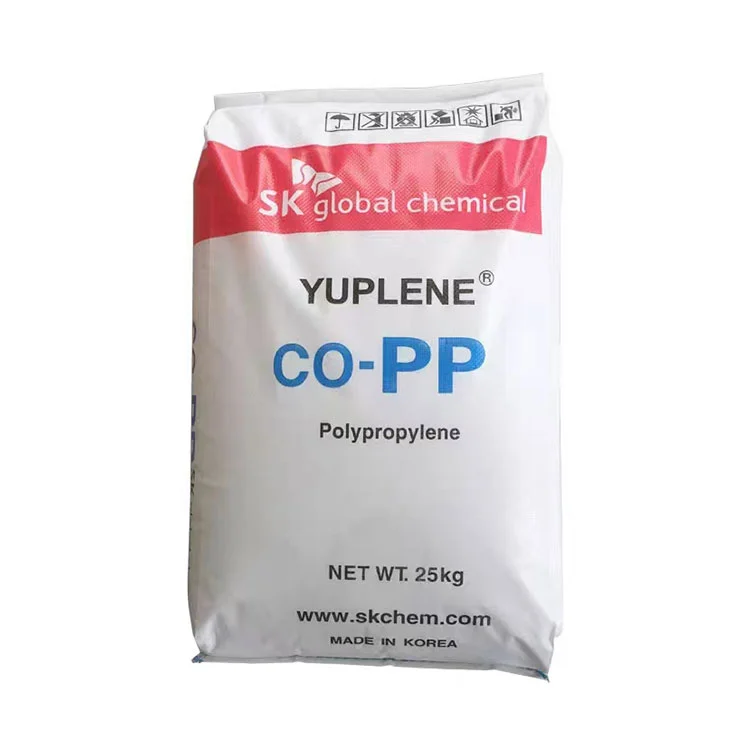
| SK | HX3800 / R370Y | High-flow PP grades | Thin-wall packaging and molded containers |
Availability, technical specifications, and food-contact compliance may vary according to manufacturer, production batch, destination market, and intended application. Current TDS and applicable compliance documentation should be confirmed before purchase.
Selecting a suitable PP resin should begin with the finished product and its manufacturing conditions. The material grade should then be matched with the required properties, food-contact requirements, and practical sourcing conditions.
First identify the intended product, such as a food container, tray, lid or closure, household foodware, thin-wall package, reusable storage container, or another food-contact article. The product structure and intended use provide the basis for determining the required material characteristics.
The suitable grade can vary with the manufacturing process. Injection molding, blow molding, thermoforming, and other applicable processes place different requirements on melt flow, processing behavior, and finished-part performance, so the process should be confirmed before comparing specific grades.
Depending on the product design, the grade comparison may include melt flow rate (MFR), stiffness, impact strength, transparency, heat resistance, chemical resistance, and overall processing performance. Not every property carries the same importance for every application, so the selection should focus on the characteristics that affect the finished product.
The selected grade should be checked against the regulations applicable to the target market and intended conditions of use. Relevant documents may include the TDS, SDS, food-contact declaration, migration test information, and other manufacturer documentation required for technical and regulatory evaluation.
Once the technical requirements have been defined, the manufacturer, grade, required quantity, current availability, and delivery requirements can be checked before purchase. For replacement materials, the existing grade and technical documentation can also be used as references when comparing alternative options.
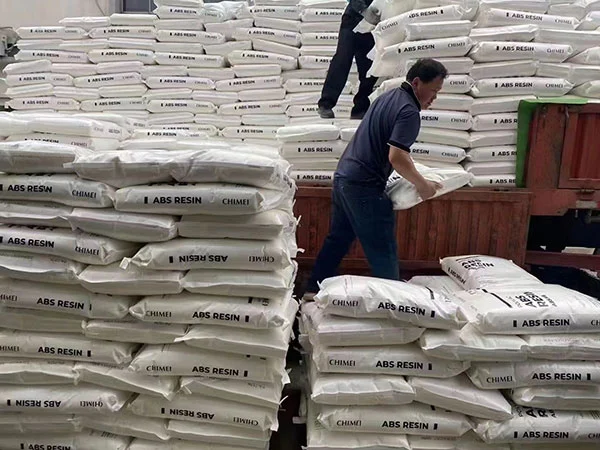
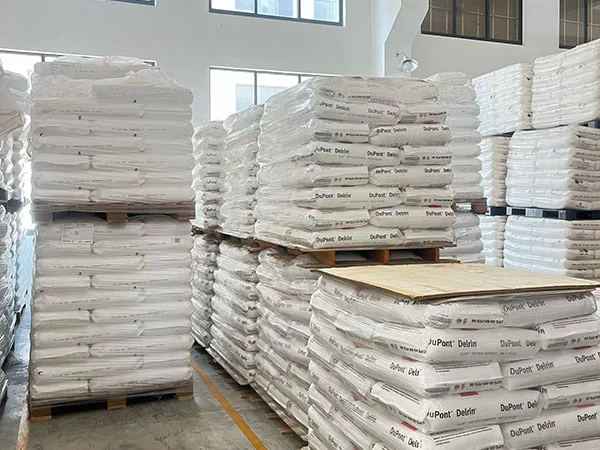
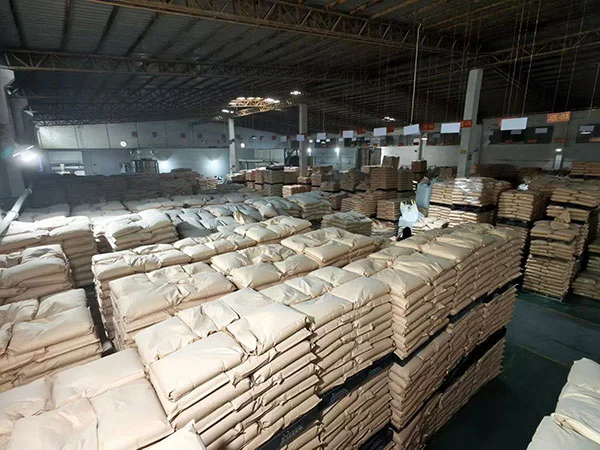
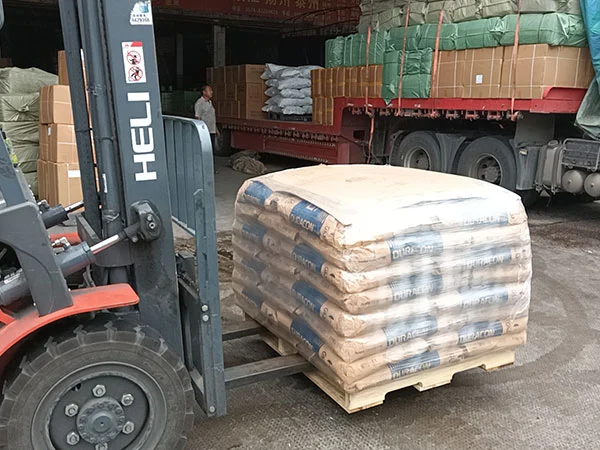
The resin is packed in standard bags, palletized, and prepared for shipment according to the order requirements. Each package is properly labeled with the material grade and relevant product information.
Before shipment, the goods are checked, securely loaded, and arranged for delivery to help ensure the resin arrives in good condition.
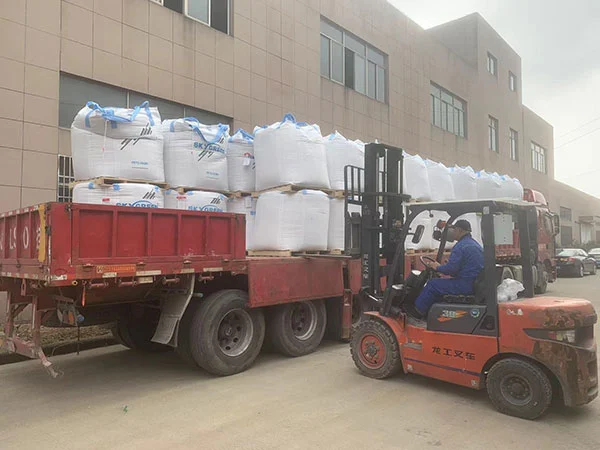
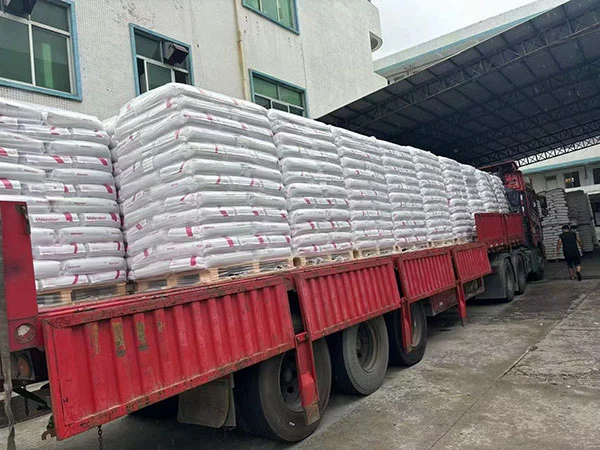
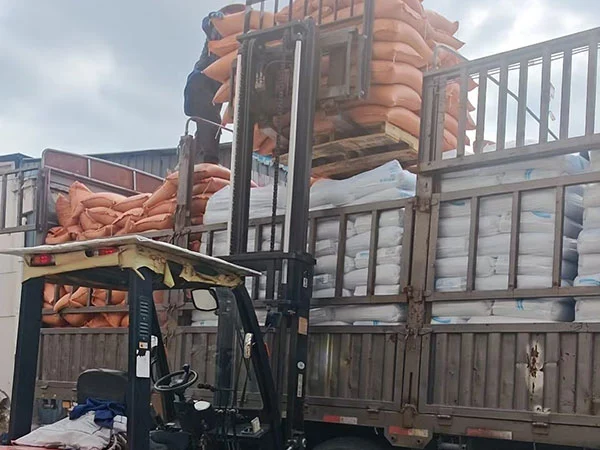
Based in China Plastics City, Yuyao, Nianjing works with local plastic raw material suppliers and distributors and provides sourcing support for different PP requirements.
For a Food-Grade PP inquiry, customers can provide:
Application → Processing Method → Required Properties → Manufacturer / Brand → Grade → Quantity → Destination
If a specific grade has already been selected, Nianjing can check current sourcing and availability according to the required quantity and delivery conditions.
For customers who have not yet selected a grade, the application, processing method, and required properties can be provided for an initial material and grade review.
Services include:
A: No. Polypropylene is widely used for food-contact products, but not every PP resin grade is automatically suitable. The specific grade, formulation, intended application, processing conditions, and applicable regulations need to be evaluated.
A: The difference is not simply the base polymer. A grade intended for food-contact use needs to be evaluated according to its formulation, manufacturer documentation, intended conditions of use, and the requirements of the target market.
A: Certain polypropylene grades are suitable for microwaveable food containers. However, microwave suitability must be confirmed for the specific resin and finished product, including product design and intended heating conditions.
A: Random copolymer PP is commonly considered when improved clarity is required. The final selection depends on transparency, stiffness, impact performance, processing method, and the specific grade.
A: For a faster sourcing check, provide the manufacturer or brand, grade, application, processing method, required quantity, destination market, and technical requirements. If the grade is not known, provide the product application and processing conditions so that possible grades can be reviewed.
A: Yes. Nianjing can check specific manufacturers and grades according to current market availability, required quantity, and delivery requirements.
A: Depending on the application and destination market, customers may need to review the TDS, SDS, food-contact compliance declaration, migration test information, and other applicable manufacturer documentation.
If you already have a manufacturer, grade, or specification, send the details together with the required quantity and destination.
If you are still comparing materials, provide the application, processing method, and required properties so that suitable PP grades can be reviewed.
Address
China Plastics City, Yuyao City, Ningbo City, Zhejiang Province, China
Tel
Looking for a specific plastic material, brand, grade or quantity? Send your requirements to Nianjing for sourcing and availability confirmation.
Please include the material name, manufacturer or brand, grade, quantity, application and delivery requirements when available. If you are unsure about the grade, simply describe your application and requirements.
Nianjing will review your inquiry and check suitable sourcing options based on your requirements.