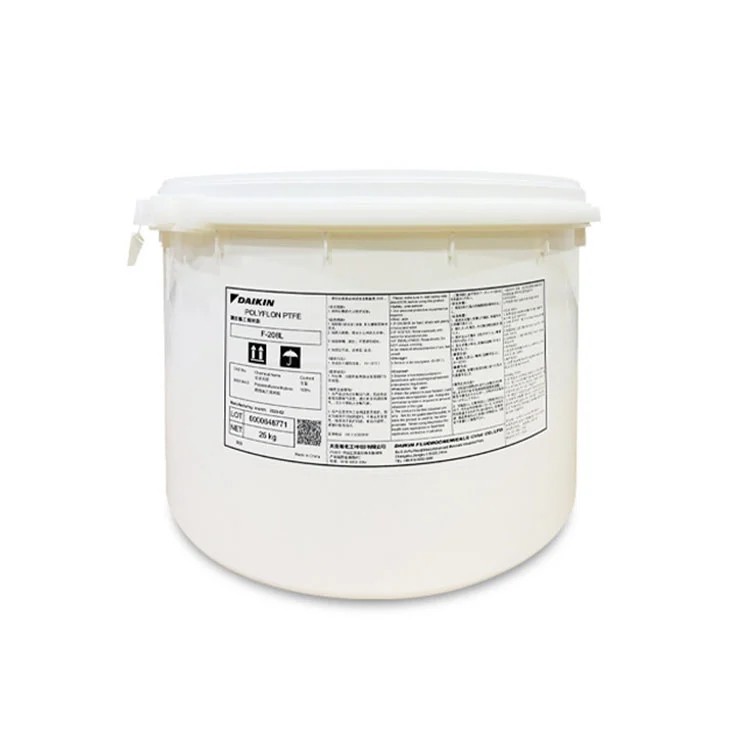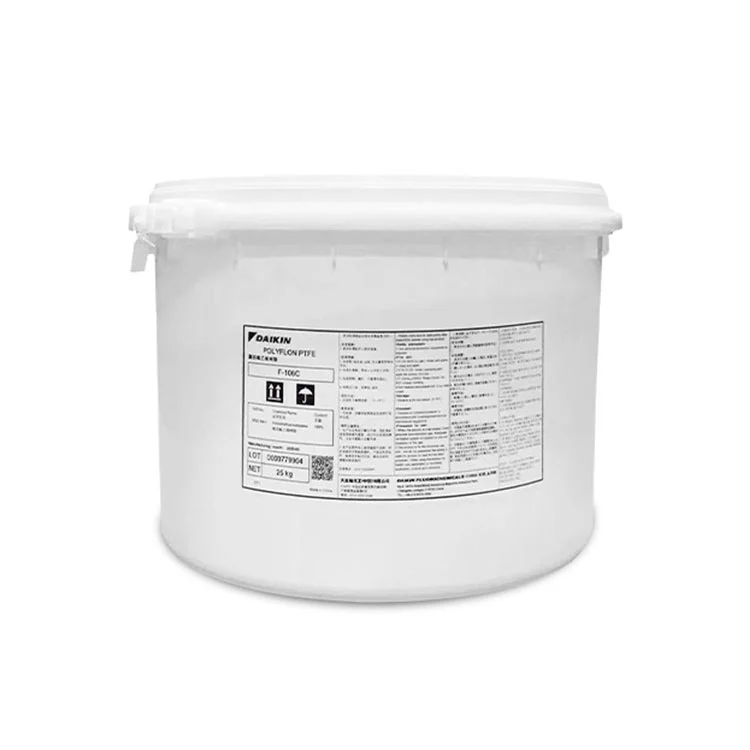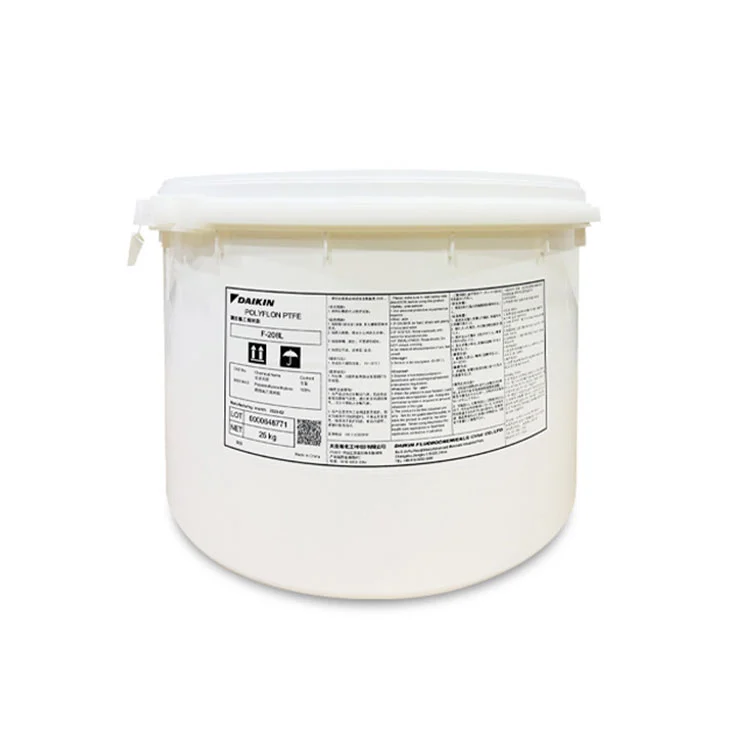
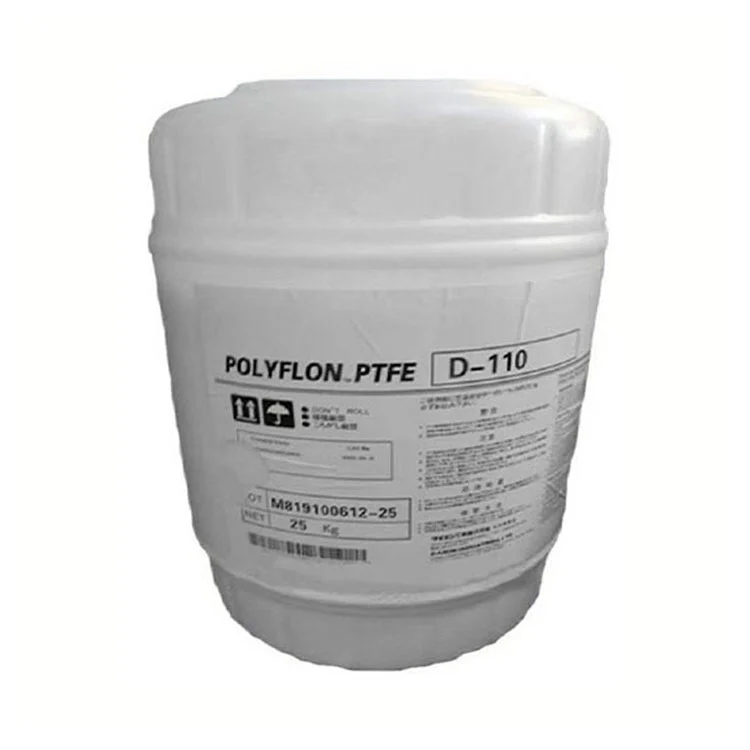
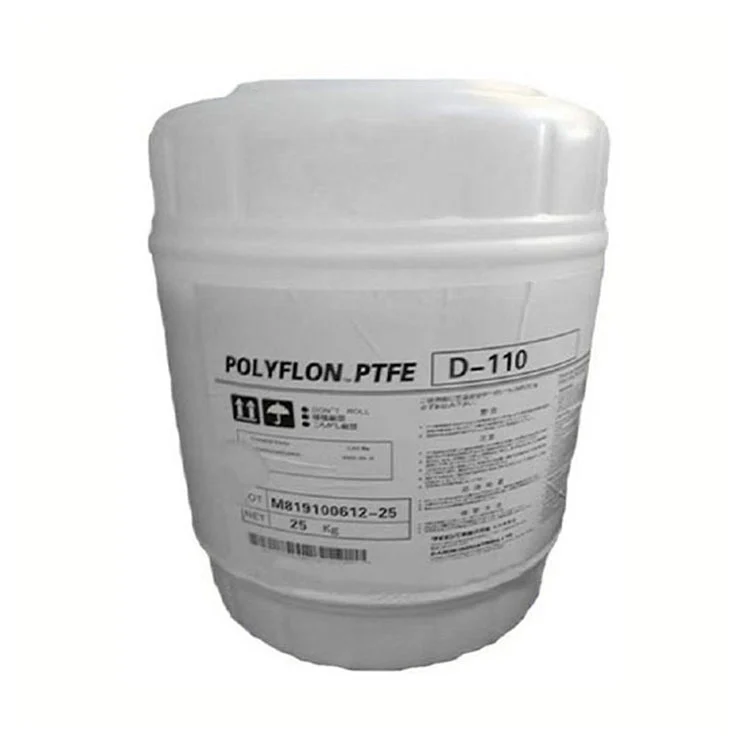
PTFE Emulsion, also known as PTFE dispersion, is an aqueous dispersion of fine polytetrafluoroethylene particles used mainly for coating, impregnation and selected formulation applications. Nianjing can source suitable grades from established fluoropolymer manufacturers according to solids content, particle characteristics, processing method, application and required quantity.

PTFE is supplied in this form when the material needs to be introduced through a coating, impregnation or other wet-processing route. Unlike granular PTFE molding resin, the dispersion can be applied to a substrate or incorporated into a formulation before the water phase is removed.
Common applications include glass-fiber impregnation, release coatings, industrial surface treatments and selected polymer-modification systems.
Commercial grades are not identical. Solids content, particle size, surfactant system, pH, viscosity and dispersion stability can vary between manufacturers and grades. These differences can affect handling, coating behavior, penetration, drying and subsequent thermal treatment.
Grade selection should therefore start with the intended application and processing method rather than PTFE content alone.
PTFE materials are commonly used in applications involving elevated temperatures and chemically aggressive media. Selected dispersion grades are used where the resulting coating or impregnated material needs to maintain its properties under these conditions.
PTFE is commonly associated with continuous service temperatures around 260°C, depending on grade and service conditions. The actual temperature limit of a finished coated product also depends on the substrate, coating structure and thermal exposure.
PTFE has low surface energy and a low coefficient of friction. These characteristics are useful where reduced friction, release behavior or resistance to sticking is required.
Selected dispersion grades are therefore used for release coatings, conveyor materials, cooking equipment and other industrial surfaces. The appropriate grade depends on the substrate, coating system and final-use conditions.
PTFE provides good electrical insulation and stable dielectric properties. Selected dispersion grades can be used for electrical coatings, impregnated structures and high-frequency applications.
For electrical applications, the finished material should be evaluated according to its required dielectric performance, coating thickness, substrate and thermal processing conditions.
PTFE has good resistance to weathering and environmental exposure. Selected dispersion-based coatings and coated fabrics are therefore used in outdoor applications.
The weatherability of a finished product depends on the complete material structure, including the substrate, coating thickness and processing method.
Unlike solid PTFE molding resin, PTFE dispersion is supplied in a water-based form. This allows it to be handled through processes such as spraying, dipping, roll coating, knife coating and impregnation, subject to the requirements of the selected grade.
The aqueous form does not make different PTFE dispersions interchangeable. Stabilizers, surfactants and other formulation components vary between products and can affect processing and final coating properties.
The relevant parameters depend on the application and production process.
Solids content indicates the amount of PTFE contained in the dispersion and affects coating build-up, drying requirements and formulation calculations.
Particle size can influence dispersion stability, penetration into a substrate and coating behavior. Commercial PTFE dispersions generally use fine particles, but the actual particle-size specification is grade-dependent.
pH is relevant to dispersion stability, storage and compatibility with other formulation components.
Viscosity affects pumping, spraying, dipping, rolling and other application processes.
Surfactant system can influence dispersion stability, wetting, drying and the properties of the resulting film.
Density is useful for material handling and formulation calculations and should be compared under consistent test conditions.
A practical sourcing specification can follow:
Manufacturer → Grade → Solids Content → Particle Size → Surfactant System → pH → Viscosity → Application → Processing Method → Quantity
This provides a more useful basis for grade matching than specifying PTFE dispersion by solids content alone.
The following table is intended as a reference for material evaluation rather than a universal specification. Actual values should be confirmed using the current TDS for the selected grade.
| Parameter | Typical / Grade-Dependent Information | Selection Consideration |
| Appearance | Milky white or opalescent liquid | May vary slightly between grades |
| PTFE solids | Grade-dependent; commercial products are available at different solids levels | Match to coating or formulation requirements |
| Particle size | Generally submicron | Check the manufacturer's specified value and test method |
| pH | Grade-dependent, often alkaline | Relevant to stability and formulation compatibility |
| Viscosity | Grade-dependent | Important for pumping and application equipment |
| Density | Depends on solids content and formulation | Compare under the same test conditions |
| Surfactant system | Grade-specific | Can affect stability and final processing |
| Storage conditions | Grade-specific | Follow the manufacturer's TDS and SDS |
A commercial PTFE dispersion should therefore be identified by its manufacturer and grade rather than by a general solids-content range.
PTFE dispersion is used to impregnate glass cloth and other high-performance fabrics. After drying and appropriate thermal treatment, PTFE forms a continuous functional layer around and within the substrate.
Typical products include PTFE-coated glass fabric, conveyor belts, release materials and selected industrial fabrics.
Selected dispersion grades are used on surfaces where low adhesion and release behavior are required.
Applications can include industrial release surfaces, molds, cooking equipment and processing components. Grade selection depends on the substrate, coating method, required film properties and thermal treatment.
Selected PTFE-coated fabrics are used in architectural and industrial applications where the PTFE layer forms part of a larger composite structure.
The dispersion should be selected together with the fabric, coating process, coating weight and finished-product requirements.
Selected dispersion grades can be used to produce insulating coatings or impregnated structures where dielectric properties are important.
The appropriate material depends on electrical requirements, coating uniformity, substrate compatibility and the thermal conditions used during processing.
Certain grades are used in specialized formulations where PTFE serves as a functional component or binder. These applications are highly grade-specific and should be evaluated against the manufacturer's technical documentation.
PTFE can also be used in selected polymer modification systems, including anti-dripping formulations.
A general PTFE dispersion should not automatically be treated as a dedicated anti-dripping additive. Specific grades may be designed for particular polymer matrices, and the PTFE form, dispersion characteristics and required flame-retardant performance need to be evaluated together.
PTFE dispersion is generally applied through a wet process, followed by water removal and, where required, thermal treatment.
The substrate should be clean and compatible with the coating system. Oil, dust, rust and other contaminants can interfere with wetting and adhesion.
Metal substrates may require mechanical or chemical surface preparation depending on the coating system. The appropriate treatment should be established through application testing rather than using one preparation method for every substrate.
Some grades can be diluted with water when required by the application. The permitted dilution level and mixing conditions are grade-dependent.
Gentle agitation is generally preferred. Excessive shear may affect dispersion stability or formulation performance, so the manufacturer's handling instructions should be followed.
Depending on the grade and formulation, PTFE dispersion can be applied by:
The appropriate method depends on substrate geometry, target coating weight, solids content, viscosity and production speed.
Water must be removed after application before the PTFE layer can develop its final structure.
Drying temperature and heating rate depend on the formulation, substrate and equipment. Subsequent thermal treatment may be required to allow the PTFE particles to coalesce into a continuous film.
A fixed temperature such as 380–420°C should not be treated as a universal processing specification for PTFE dispersion. The actual temperature profile should be taken from the manufacturer's TDS or the coating system specification.
PTFE dispersions should be protected from freezing, excessive heat and contamination during storage. Containers should remain properly closed, and any required mixing or agitation should follow the manufacturer's instructions.
Storage temperature, shelf life and handling requirements vary by grade and formulation. The current TDS or SDS should therefore be used as the primary reference.
For industrial material sourcing, the following documents may be required:
Important quality-control parameters may include solids content, pH, viscosity, density, particle size and other grade-specific characteristics.
Meeting the nominal specification does not necessarily guarantee performance in a particular coating or impregnation process. Application trials may still be required to confirm wetting, coating uniformity, adhesion, drying, thermal treatment and final properties.
Nianjing can work with specified manufacturers or compare alternative grades according to the required material characteristics.
Chemours offers aqueous PTFE dispersion grades with different solids contents, particle characteristics and application profiles. Individual grades should be evaluated using the manufacturer's current technical documentation.
Daikin's POLYFLON PTFE dispersion range includes grades for applications such as coating and impregnation. The appropriate grade depends on the intended process and finished-product requirements.
AGC supplies fluoropolymer materials including PTFE products for coating and related applications. Grade selection should be based on the current product specification and processing requirements.
Other fluoropolymer manufacturers also offer PTFE dispersion products. When replacing an existing material, Nianjing can compare the relevant technical parameters rather than relying only on product-family names.
A clear sourcing request should include the following information where available:
Manufacturer / Brand: Preferred manufacturer or acceptable alternatives
Grade: Existing grade number, if available
Solids Content: Required or target PTFE concentration
Particle Size: Required range where applicable
Application: Coating, impregnation, release treatment, binder or polymer modification
Processing Method: Spraying, dipping, roll coating, impregnation or other process
Substrate: Glass fabric, metal, polymer, textile or other material
Critical Properties: Release, adhesion, dielectric performance, abrasion resistance or other requirements
Quantity: Trial quantity, monthly demand or annual requirement
Delivery Requirement: Destination and required delivery schedule
For a replacement project, the existing manufacturer's name, grade number and TDS provide a useful reference for comparison. If no specific grade has been selected, Nianjing can screen suitable materials according to the application and processing requirements.
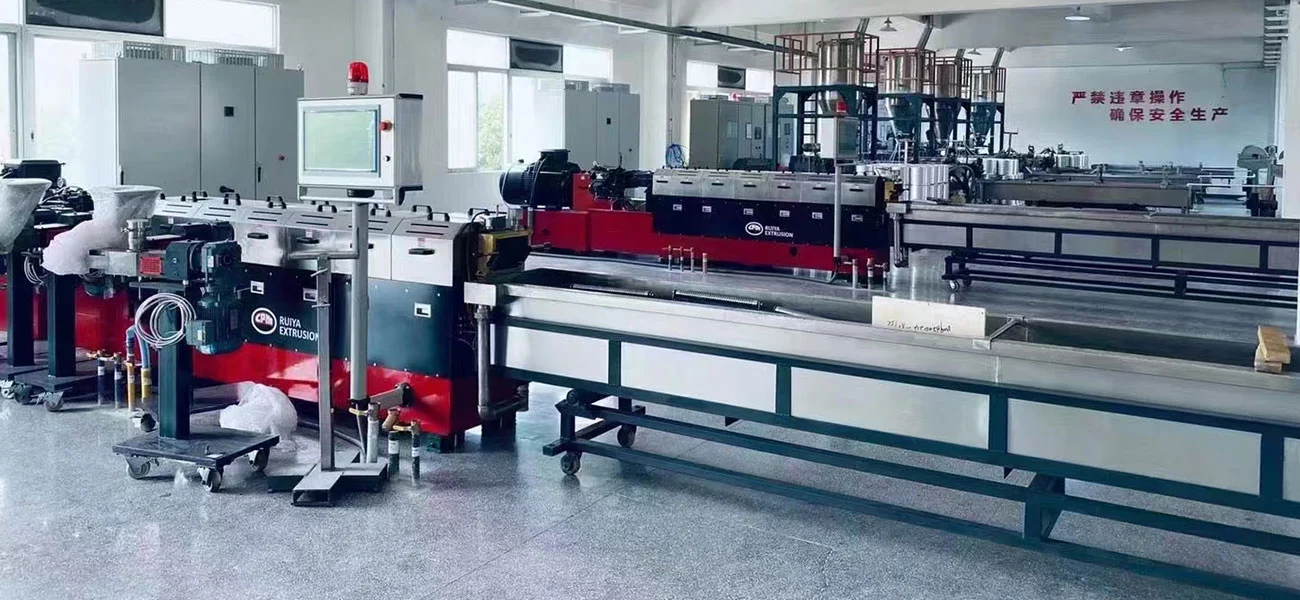
PTFE Emulsion and PTFE Dispersion are commonly used to describe aqueous systems containing finely dispersed PTFE particles. The exact product designation depends on the manufacturer and grade.
Commercial grades are available at different solids levels. The appropriate level depends on the coating, impregnation or formulation process rather than a single standard value.
Yes. Selected grades are designed for glass-cloth impregnation and related coating processes. The grade should be matched to the fabric, application equipment and required finished-product properties.
Selected PTFE materials can be used in anti-dripping formulations, but a general PTFE dispersion should not automatically be treated as a dedicated anti-dripping grade. The polymer matrix, PTFE form, dispersion characteristics and required flame-retardant performance should be evaluated together.
The most useful information includes the manufacturer or existing grade, solids content, application, processing method, substrate, critical properties and required quantity. An existing TDS can make grade matching more precise.
Nianjing can check PTFE dispersion grades according to manufacturer, grade, solids content, application, processing method and required quantity. For an existing material replacement, provide the current grade number and TDS so that potential alternatives can be compared on the same technical basis.
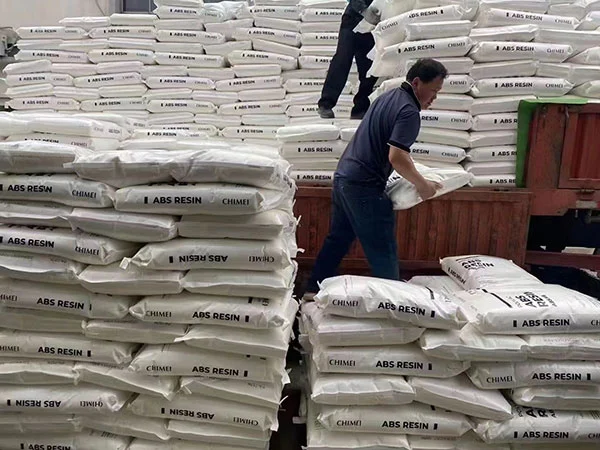
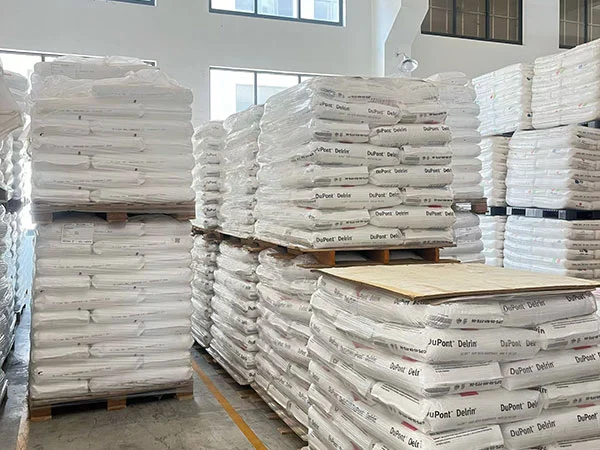
Address
China Plastics City, Yuyao City, Ningbo City, Zhejiang Province, China
Tel
Looking for a specific plastic material, brand, grade or quantity? Send your requirements to Nianjing for sourcing and availability confirmation.
Please include the material name, manufacturer or brand, grade, quantity, application and delivery requirements when available. If you are unsure about the grade, simply describe your application and requirements.
Nianjing will review your inquiry and check suitable sourcing options based on your requirements.