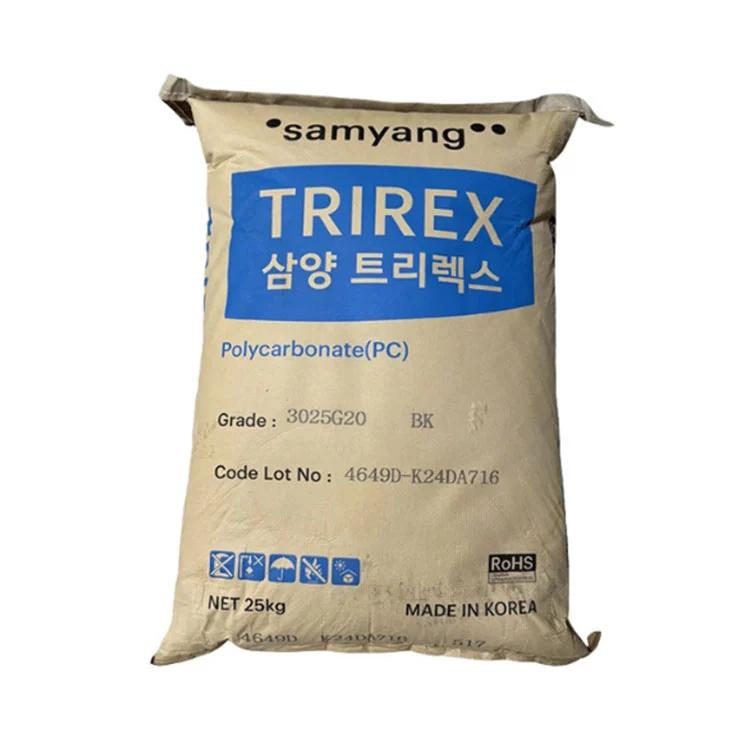
Glass Fiber Reinforced PC is a polycarbonate compound containing short glass fibers to increase stiffness, tensile and flexural modulus, heat resistance, and dimensional stability. Compared with unreinforced PC, reinforced grades generally have lower molding shrinkage and better resistance to deformation under load. As fiber content increases, impact performance and flow behavior can change, so the appropriate grade depends on the required balance of rigidity, toughness, heat resistance, and processing performance.
Nianjing is a plastic raw material supplier and trading company in China, based in China Plastics City, Yuyao. The company sources virgin polycarbonate grades from producers including SABIC LEXAN™, Teijin, Samyang, and domestic manufacturers such as Shanghai Yuebei. Available options include 10%, 20%, and 30% glass-fiber grades, flame-retardant reinforced grades, and selected carbon-fiber reinforced PC grades, subject to current producer and supply conditions.
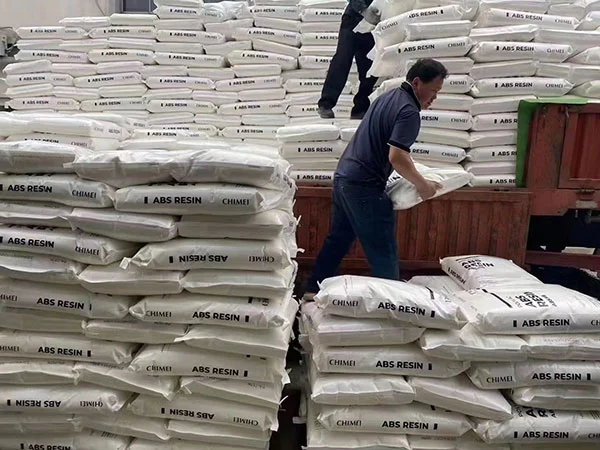
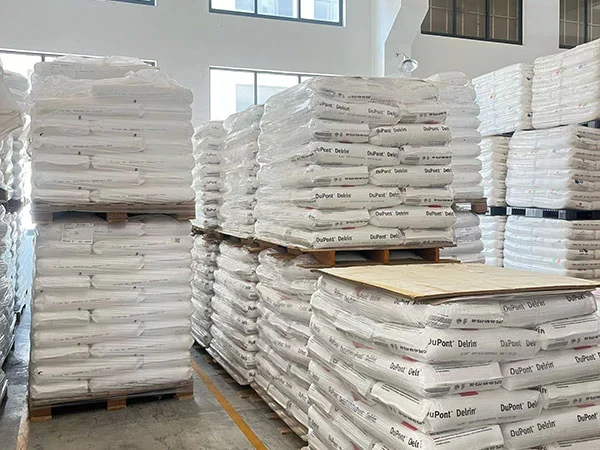
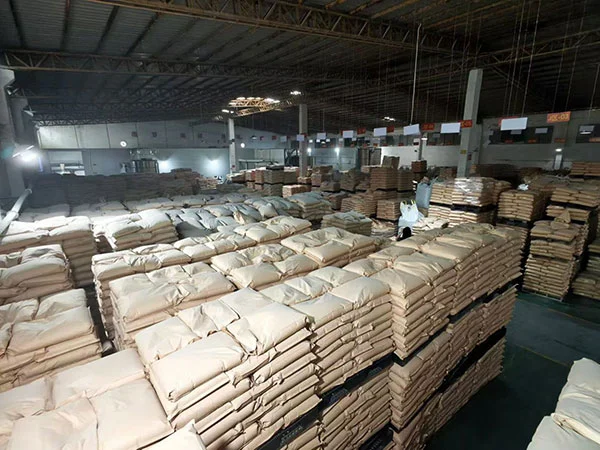
Glass-fiber content is one of the main factors affecting the balance between rigidity, toughness, flow, and dimensional stability.
| Material Option | Typical Fiber Content | Main Characteristics | Typical Use |
| Glass-fiber reinforced PC | 10% | Increased stiffness with a relatively balanced toughness and processing profile | Housings, brackets, electrical components |
| Glass-fiber reinforced PC | 20% | Higher rigidity and dimensional stability | Structural housings, automotive and industrial parts |
| Glass-fiber reinforced PC | 30% | Higher modulus and lower molding shrinkage | Rigid structural and precision-molded components |
| Flame-retardant reinforced PC | Grade-dependent | Combines reinforcement with a specified flame classification | Electrical and electronic components |
| Carbon-fiber reinforced PC | Around 20% in selected grades | High stiffness-to-weight performance | Lightweight structural components |
These percentages represent commonly sourced options rather than universal formulations. Mechanical, thermal, flow, and shrinkage properties vary by producer and grade.
The figures below provide general comparison data for selected reinforced polycarbonate grades. They are not guaranteed specifications for every 10%, 20%, or 30% formulation.
| Property | Typical Reference | Unit | Test Method |
| Tensile modulus | 3,900–6,860 | MPa | ISO 527 / ASTM D638 |
| Heat deflection temperature, 1.8 MPa | 136–147 | °C | ISO 75 / ASTM D648 |
| Mold shrinkage | 0.1–0.6 | % | ASTM D955 |
| Density | 1.27–1.43 | g/cm³ | ISO 1183 |
| Notched Izod impact, 23°C | 10–20 | kJ/m² | ISO 180 |
| Glass-fiber content | 10 / 20 / 30 | % | Grade-dependent |
Actual values should be confirmed against the current TDS for the specific material being sourced.
The main purpose of glass-fiber reinforcement is to increase rigidity and dimensional performance. It does not improve every property at the same time.
| Performance Area | Unreinforced PC | Reinforced PC |
| Tensile / flexural modulus | Moderate | Higher |
| Heat deflection resistance | Good | Generally higher |
| Mold shrinkage | Higher | Generally lower |
| Dimensional stability | Good | Improved |
| Impact toughness | Higher | Can decrease with higher fiber loading |
| Melt flow | Better | Can become more difficult |
| Surface appearance | Smoother | Fiber orientation may be visible |
| Anisotropy | Lower | More significant |
For precision-molded parts, these trade-offs should be considered together rather than selecting the highest fiber content simply for maximum stiffness.
Nianjing can check specified producers and grades according to material requirements, quantity, destination, and current availability.
| Manufacturer | Grade | General Description |
| SABIC | LEXAN™ 500R | Glass-fiber reinforced PC with flame-retardant properties |
| SABIC | LEXAN™ 503RS | Reinforced PC with high rigidity and impact performance |
| SABIC | LEXAN™ 3412ECR-739 | Reinforced flame-retardant PC |
| Teijin | B-8110R | 10% glass-fiber reinforced PC |
| Samyang | 3025G20 | 20% glass-fiber reinforced PC |
| Shanghai Yuebei | YPG810 / YPG820 / YPG830 | 10%, 20%, and 30% glass-fiber reinforced PC |
| Shanghai Yuebei | CP120 (Yuenatai®) | Carbon-fiber reinforced PC |
The descriptions are provided for sourcing reference. Current mechanical properties, flame classifications, processing conditions, and availability should be verified against the applicable manufacturer's documentation.
Reinforced PC can be considered for brackets, housings, lamp-related components, electrical parts, and other non-structural automotive components where rigidity, heat resistance, and dimensional stability are required.
Switch housings, relay enclosures, connectors, and electrical housings may use reinforced grades. Where fire performance is required, a specific flame-retardant grade should be selected and its UL 94 classification verified at the applicable thickness.
Machine housings, equipment components, camera bodies, brackets, and other molded parts can benefit from increased rigidity and reduced molding shrinkage.
Selected reinforced and flame-retardant grades can be considered for electrical and structural components in EV and energy-storage systems. The appropriate material depends on temperature, mechanical loading, flammability, electrical, and application-specific requirements.
Glass fiber reinforced PC is mainly processed by injection molding. Polycarbonate is sensitive to moisture and should be properly dried before processing. Glass fibers can also affect melt flow and create fiber orientation, which may influence shrinkage, warpage, and dimensional stability.
| Processing Factor | General Reference |
| Pre-drying | Commonly around 110–120°C |
| Drying time | Often several hours |
| Melt temperature | Grade and equipment dependent; many grades are processed around 280–310°C |
| Mold temperature | Commonly around 80–100°C |
| Injection pressure | Determined by grade, part geometry, and mold design |
| Injection speed | Adjusted according to filling behavior, part design, and fiber orientation |
These figures are general starting references rather than universal processing specifications. The processing guide for the selected producer and grade should take priority.
Glass fibers tend to align with the melt flow direction during injection molding. This can create differences in shrinkage and mechanical properties between the flow and transverse directions. Gate location, flow length, wall thickness, packing pressure, and cooling conditions can therefore influence dimensional stability and part warpage.
Proper drying is also important for reinforced PC materials. Insufficient drying may lead to silver streaks, bubbles, hydrolytic degradation, and reduced mechanical performance. Excessive melt temperature or prolonged residence time may affect color, surface appearance, and material properties.
For customers sourcing Glass Fiber Reinforced PC, fiber percentage is only one part of the selection process.
Rigidity and dimensional stability: Higher glass-fiber loading generally increases modulus and reduces molding shrinkage, making higher-loading grades suitable for rigid or precision-molded components.
Impact performance: If the part experiences impact or repeated mechanical loading, a lower fiber loading or specifically toughened grade may provide a better balance.
Temperature resistance: HDT, Vicat softening temperature, and actual operating temperature should be compared with the selected grade's specification.
Flame performance: Electrical and electronic applications may require a defined UL 94 classification at a specified test thickness.
Surface requirements: Fiber orientation can affect surface appearance, especially at higher reinforcement levels.
Nianjing sources material according to the confirmed manufacturer, grade, specification, quantity, and destination. Producer documentation such as a TDS or batch COA can be requested where applicable.
For procurement, customers can provide:
| Requirement | Information to Provide |
| Manufacturer | Preferred producer or brand |
| Grade | Exact grade, if known |
| Fiber content | 10%, 20%, 30%, or other |
| Flame rating | Required UL 94 classification, if applicable |
| Color | Natural, black, white, or specified color |
| Application | Automotive, electrical, industrial, etc. |
| Processing | Injection molding or other process |
| Quantity | Required order volume |
| Destination | Country or port |
| Documentation | TDS, COA, compliance documents, if required |
If the exact grade has not been selected, the application, required stiffness, operating temperature, impact requirement, wall thickness, and molding process can be used to identify suitable sourcing options.
It mainly increases stiffness, modulus, heat deflection performance, and dimensional stability while reducing molding shrinkage. Higher fiber loading can also reduce impact toughness and affect flow and surface appearance.
No. Higher loading can provide greater rigidity and dimensional stability, but it may reduce toughness and make processing more demanding. The appropriate level depends on the part requirements.
Yes. Reinforcement generally reduces molding shrinkage, but fiber orientation can create directional differences. Mold design and processing conditions therefore affect the final dimensions.
Yes, selected grades are used for electrical and electronic housings. If a flame classification is required, the UL 94 result and test thickness of the exact grade should be confirmed.
Glass fiber is widely used to increase stiffness and dimensional stability. Carbon fiber can provide high stiffness-to-weight performance and may be selected when weight reduction or specific mechanical properties are important.
Yes. Customers can provide the manufacturer, grade, fiber content, required properties, quantity, and destination. Nianjing can check the corresponding sourcing and supply conditions.
General-Purpose PC
Flame Retardant PC
Optical PC
PC/ABS
Address
China Plastics City, Yuyao City, Ningbo City, Zhejiang Province, China
Tel
Looking for a specific plastic material, brand, grade or quantity? Send your requirements to Nianjing for sourcing and availability confirmation.
Please include the material name, manufacturer or brand, grade, quantity, application and delivery requirements when available. If you are unsure about the grade, simply describe your application and requirements.
Nianjing will review your inquiry and check suitable sourcing options based on your requirements.