The growing adoption of 3D printing in consumer markets is creating new opportunities for material innovation, product customization, and more flexible manufacturing processes. The long-standing collaboration between Arkema and Carbon demonstrates how advanced polymer chemistry and digital manufacturing technologies can work together to transform the development of footwear, sporting goods, and other consumer products.
Over the past 13 years, the two companies have continued to explore the potential of additive manufacturing, combining expertise in specialty materials and digital production technologies. Their collaboration highlights an important development in the plastics industry: material performance is becoming increasingly important as manufacturers move toward more complex product designs and application-specific solutions.
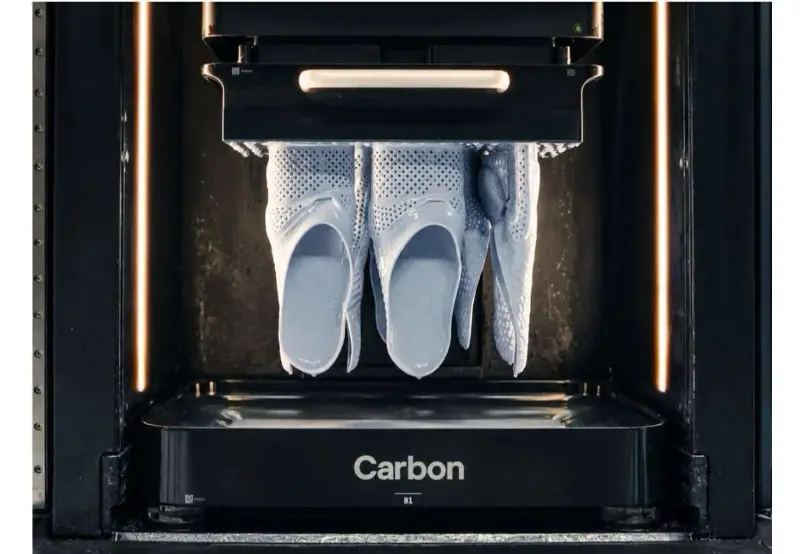
One of the key areas of collaboration between Arkema and Carbon is the development of high-performance elastomer resins specifically designed for Carbon's Digital Light Synthesis (DLS) technology.
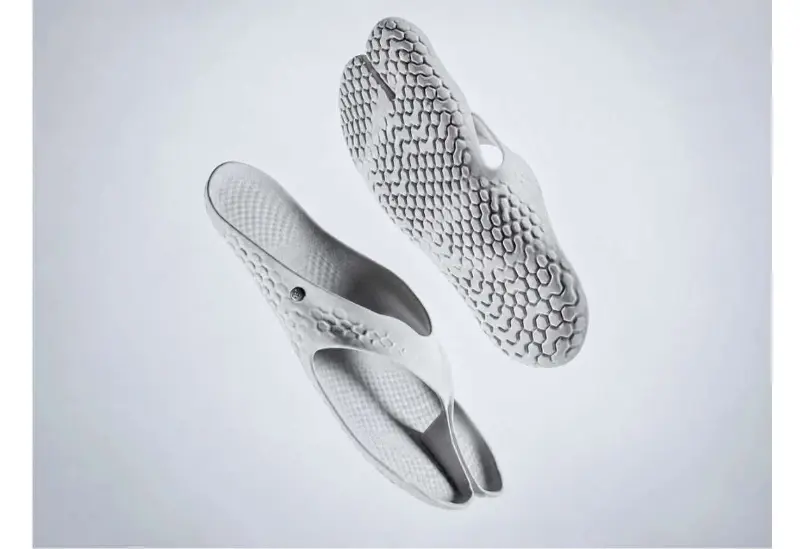
Drawing on Arkema's expertise in UV-curable specialty materials, the companies have developed elastomeric materials that support the production of flexible, durable, and highly customized components. These materials allow product designers to explore complex lattice structures that are difficult to manufacture using conventional production methods.
By adjusting the geometry and density of these structures, manufacturers can influence important product characteristics, including cushioning, support, flexibility, and energy return. Such design flexibility is particularly valuable in applications where comfort and functional performance need to be balanced.
For example, footwear manufacturers can use 3D-printed lattice structures to develop midsoles and other components with different cushioning zones. Sporting goods manufacturers can also explore customized structures that respond to specific mechanical requirements.
This development illustrates why material selection is an essential part of successful additive manufacturing. A suitable polymer must not only support the printing process but also deliver the mechanical properties, flexibility, and durability required by the finished product.
Traditional manufacturing methods often require dedicated molds, tooling investments, and relatively standardized product designs. Although these processes remain essential for large-scale production, they can make highly customized products more difficult or expensive to manufacture.
Digital manufacturing offers an alternative approach. With 3D printing, manufacturers can produce complex geometries directly from digital designs, reducing the need for conventional tooling and allowing design adjustments to be incorporated more efficiently.
In consumer product manufacturing, this flexibility creates several potential advantages:
These advantages are particularly relevant to footwear, sports equipment, wearable products, and lifestyle accessories, where manufacturers increasingly need to balance product performance, appearance, comfort, and individual preferences.
The footwear industry provides a clear example of how advanced materials and digital manufacturing can work together.
Vivobarefoot's customized 3D-printed sandal innovation demonstrates how digital foot scanning and additive manufacturing can support more individualized product development. By capturing information about a consumer's foot, manufacturers can use digital data to develop products that better reflect individual dimensions and design requirements.
Beyond personalization, this approach also creates opportunities to reconsider traditional inventory and production models. Instead of relying entirely on standardized sizes and large inventories of finished products, brands can explore more demand-responsive manufacturing strategies.
When combined with suitable elastomer materials, digital manufacturing can also provide greater control over the flexibility, cushioning, and structural characteristics of footwear components.
However, commercial adoption still depends on several practical considerations, including material durability, production costs, printing speed, quality consistency, and the ability to scale manufacturing. The combination of advanced resin development and improved printing technology will therefore remain important to the future development of 3D-printed consumer products.
As consumer products become more customized and performance-oriented, manufacturers need to pay closer attention to the properties of elastomer materials.
Different polymer families offer different combinations of flexibility, resilience, impact resistance, chemical resistance, and processing characteristics. Choosing a suitable material requires an understanding of both the manufacturing process and the conditions under which the finished product will be used.
Several elastomer materials are relevant to flexible consumer products and industrial applications:
Thermoplastic polyurethane (TPU) is widely used in applications requiring a combination of elasticity, abrasion resistance, mechanical strength, and processing flexibility. Depending on the grade, TPU can be used in footwear components, flexible industrial parts, protective products, films, and other molded applications.
For manufacturers developing flexible products, important selection factors include hardness, tensile strength, elongation at break, abrasion resistance, and processing requirements. These properties can vary significantly between TPU grades.
Learn more about elastomer materials and their applications in modern manufacturing.
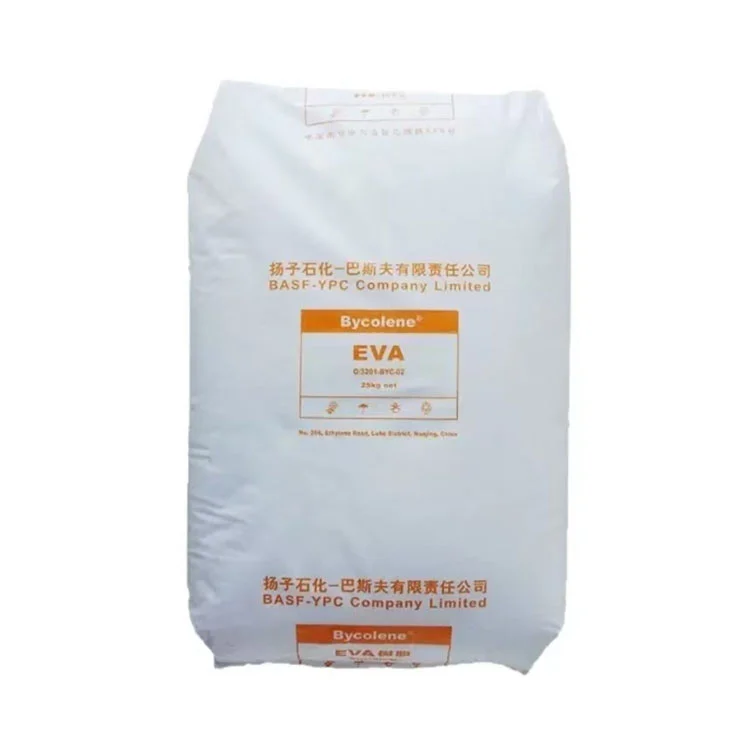
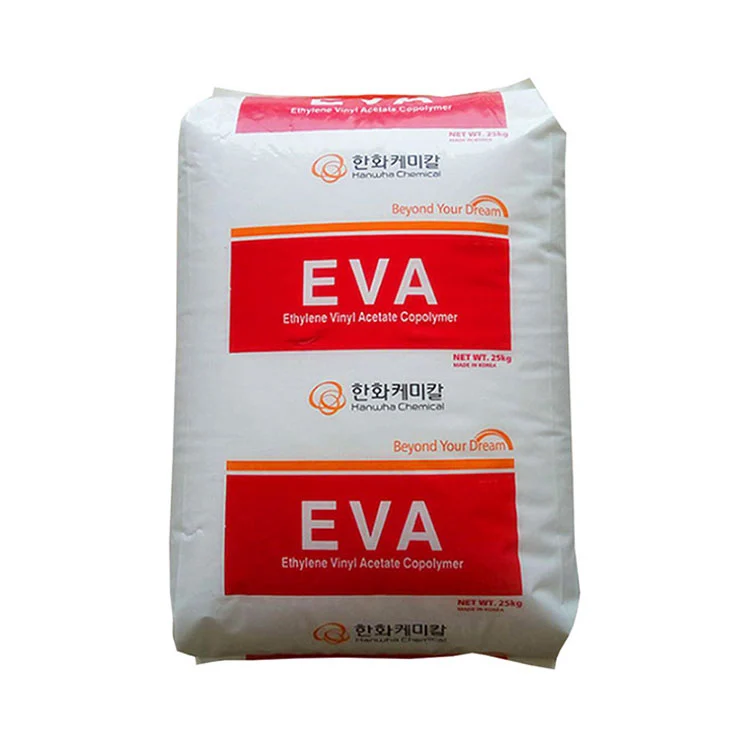
Ethylene-vinyl acetate (EVA) is another important polymer used in footwear, packaging, films, sheets, and flexible molded products. Its properties are influenced by vinyl acetate content, molecular structure, and the specific resin grade.
In footwear manufacturing, EVA is commonly used in cushioning and midsole applications because of its lightweight characteristics and flexibility. Manufacturers should consider density, hardness, resilience, compression set, and processing conditions when evaluating different EVA grades.
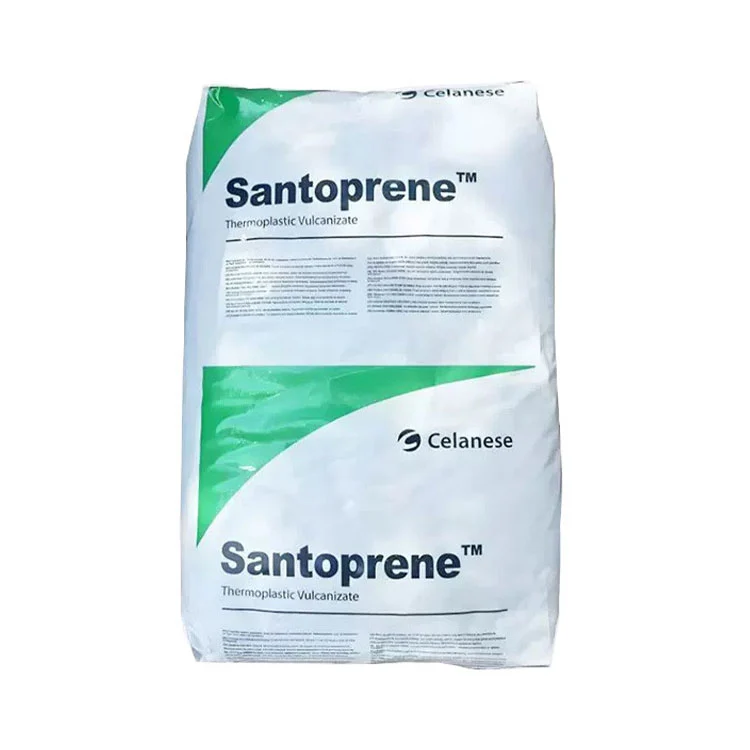
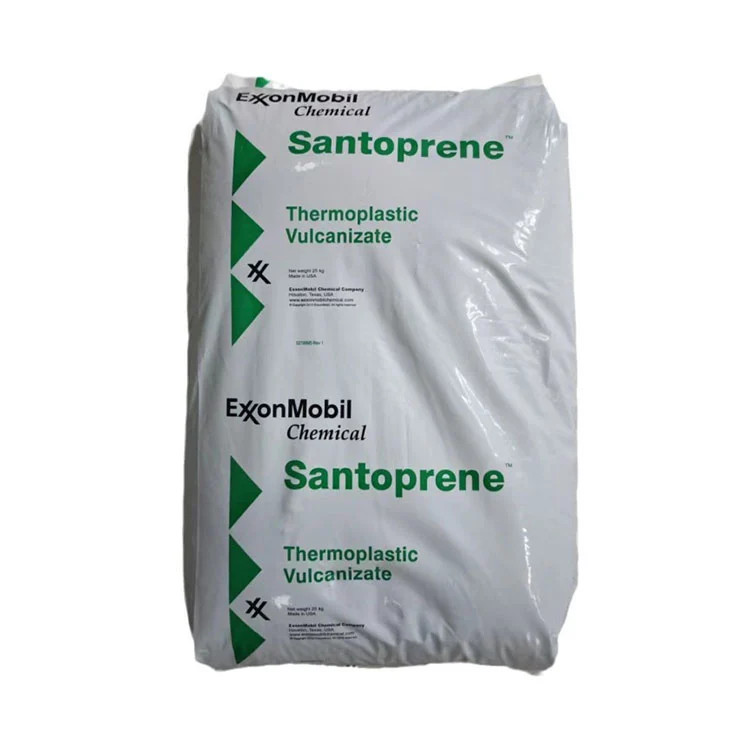
Thermoplastic vulcanizates (TPV) combine elastomeric characteristics with thermoplastic processing advantages. They are used in applications requiring flexibility, sealing performance, weather resistance, and repeated deformation.
Depending on the formulation, TPV materials can be suitable for automotive components, seals, flexible parts, and consumer products where consistent mechanical performance is important.
For manufacturers evaluating different polymer options, the appropriate choice depends on the required product properties, production method, operating environment, and cost considerations.
Another important aspect of the Arkema and Carbon collaboration is its connection to more resource-conscious product development.
Personalized production and digital manufacturing can help brands reconsider how products are designed, manufactured, and distributed. Producing closer to actual demand may reduce the need for excessive finished-goods inventories, while optimized component designs can potentially reduce material consumption.
Nevertheless, the environmental performance of a 3D-printed product should be evaluated across its entire life cycle. Material production, printing energy consumption, unused resin, post-processing, product durability, and end-of-life management all influence the overall environmental impact.
For polymer manufacturers and material suppliers, this creates additional opportunities to develop and source materials that meet increasingly specific performance and processing requirements.
The cooperation between Arkema and Carbon reflects a broader shift in the plastics industry. Manufacturers are moving beyond selecting materials based solely on price or general-purpose specifications. Instead, they increasingly evaluate resin grades according to application performance, processing compatibility, product lifespan, and manufacturing efficiency.
This trend is relevant not only to additive manufacturing but also to injection molding, extrusion, blow molding, and other established production processes.
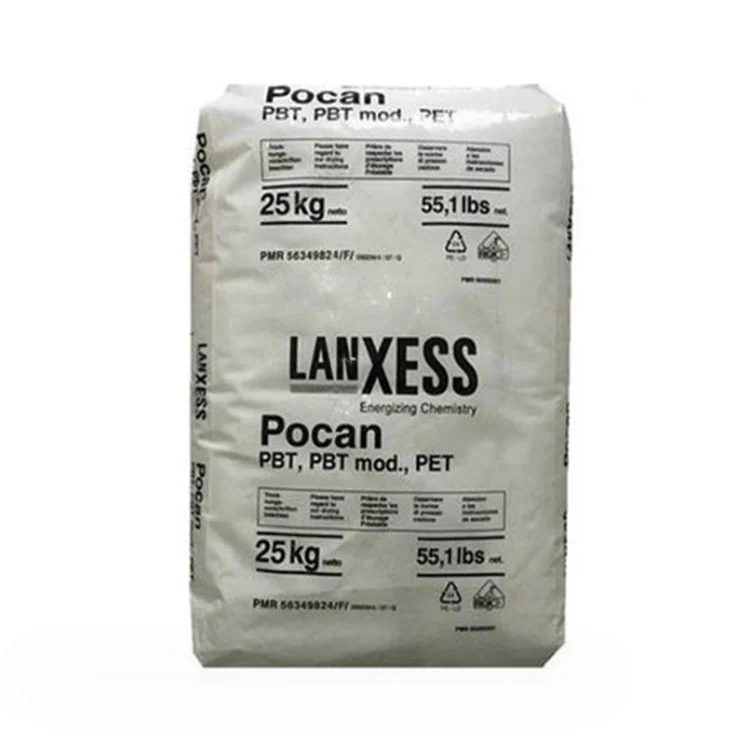
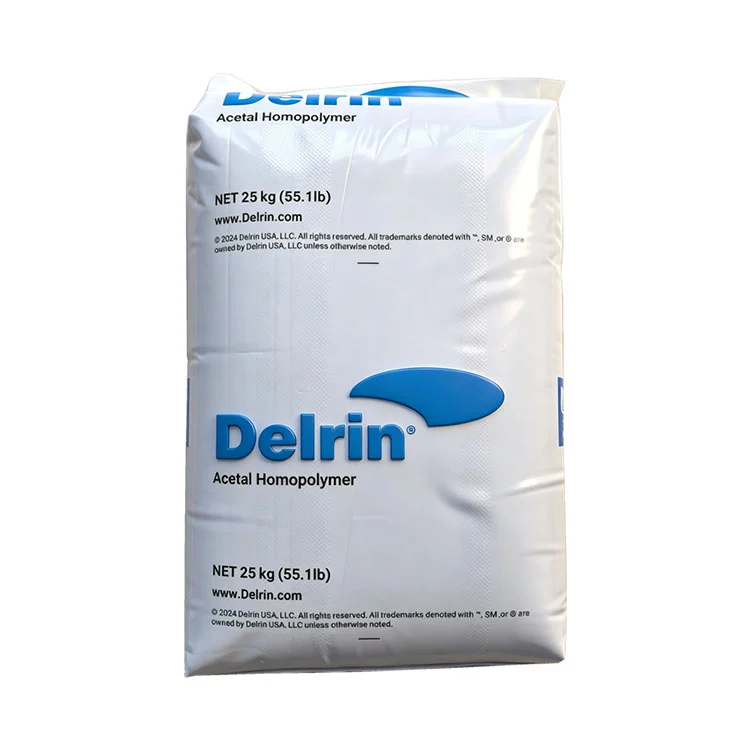
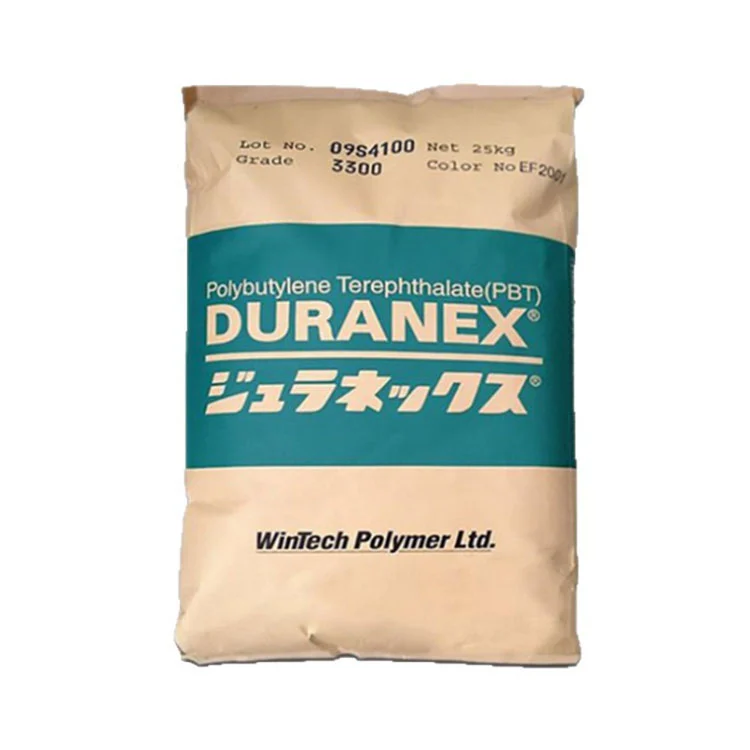
For example, TPU and other elastomer materials may be considered for flexible components, while engineering plastics such as PA66, PBT, POM, and PC are used in applications requiring different combinations of mechanical strength, dimensional stability, heat resistance, or electrical performance.
As a result, reliable material sourcing and accurate grade identification remain important parts of the manufacturing supply chain. Buyers need to consider the manufacturer, grade specification, processing conditions, and end-use requirements before selecting or replacing a resin.
At Yuyao Nianjing Import & Export Co., Ltd., plastic raw material sourcing is handled according to customers' material specifications, manufacturers, grades, applications, and purchasing quantities. Based in Yuyao, Zhejiang, China, the company supplies and sources a range of commodity plastics, engineering plastics, elastomers, and specialty materials for manufacturers, distributors, and trading companies.
Its product range includes TPU, EVA, and other elastomer materials, as well as engineering plastics and general-purpose resins for different manufacturing requirements.
The continued development of 3D printing is expected to create new opportunities for specialty polymer materials, particularly in applications where conventional manufacturing methods have limitations in design flexibility or customization.
The collaboration between Arkema and Carbon shows how material science and digital production technologies can contribute to new product concepts in footwear, sports equipment, and consumer goods. It also reinforces the importance of developing polymers with carefully controlled mechanical and processing properties.
For manufacturers, choosing the right resin remains a practical starting point for achieving consistent product quality and production efficiency. Whether sourcing TPU, EVA, engineering plastics, or general-purpose thermoplastics, buyers should evaluate the specific grade against their application and manufacturing requirements.
Companies looking for plastic raw material sourcing options from China can contact Nianjing with their required material, manufacturer, grade, application, and estimated quantity. The team can check relevant sourcing channels and supply conditions according to individual requirements.
For material inquiries and sourcing discussions, visit Contact Nianjing.