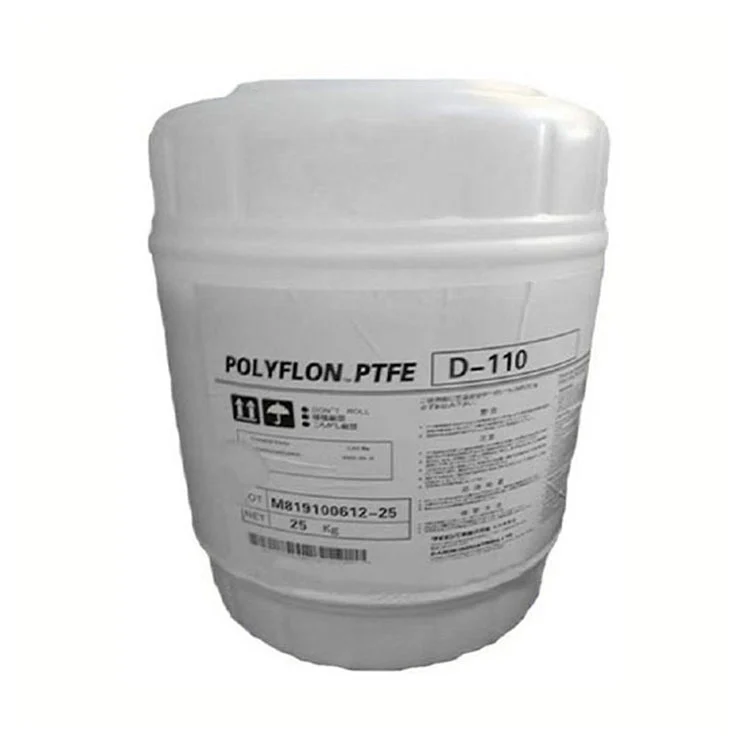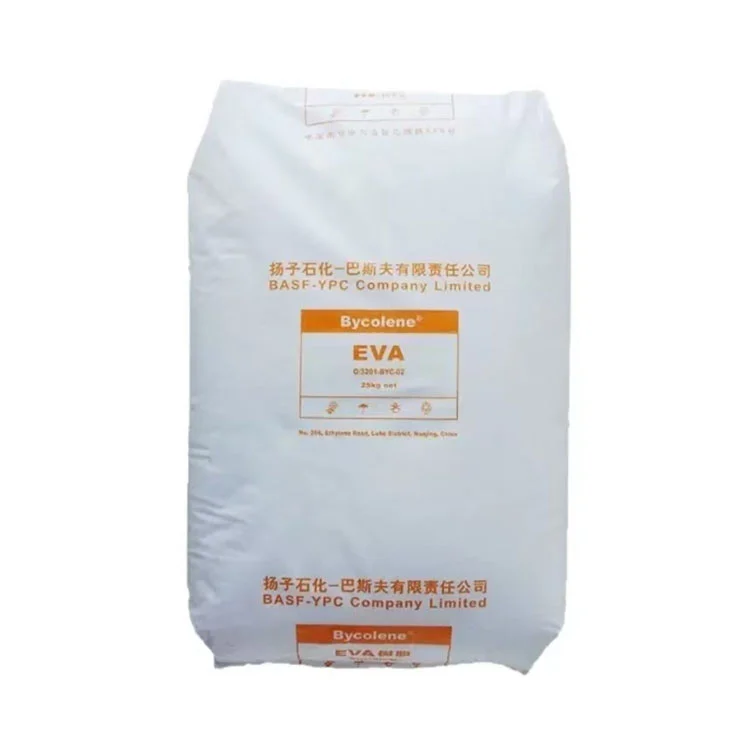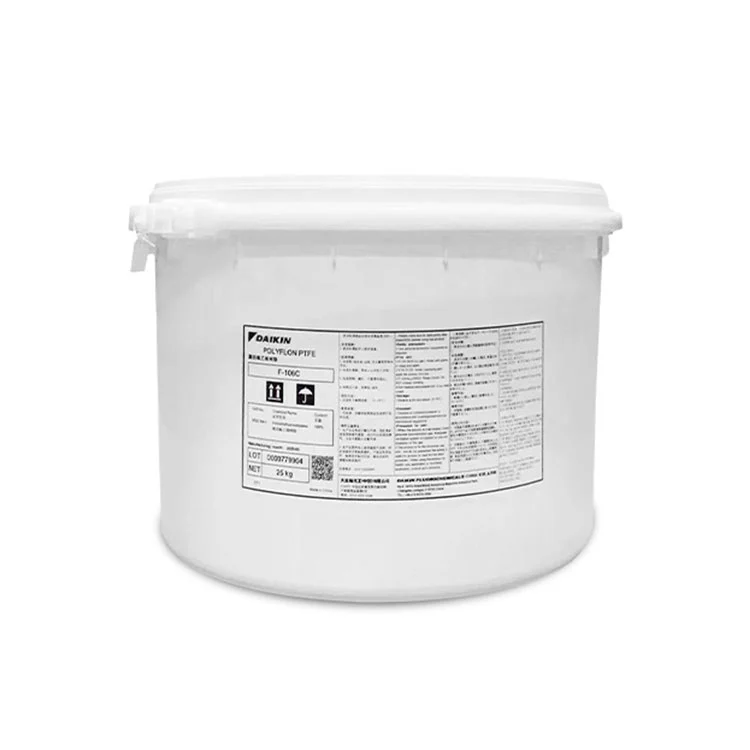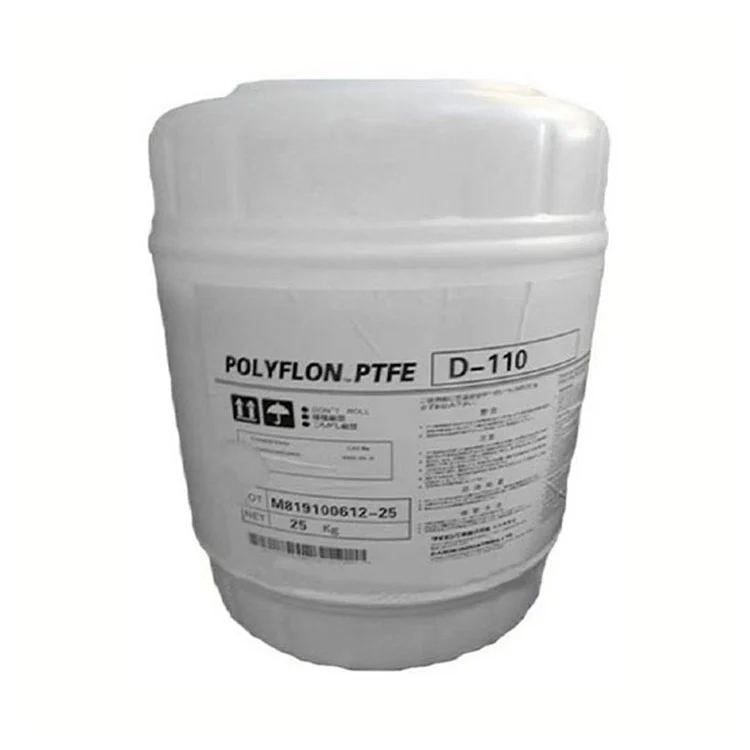

PTFE Suspension Resin from Nianjing is designed for industrial material sourcing where chemical resistance, low friction, electrical insulation, thermal stability, and consistent molding performance are important. By matching resin form, grade, SSG, processing method, and application requirements, buyers can select a PTFE material more accurately for compression molding, automatic molding, isostatic molding, or ram extrusion.
PTFE is a high-performance fluoropolymer widely used in chemical processing, fluid handling, electrical insulation, sealing, and mechanical components. Suspension-polymerized PTFE is particularly associated with molding and extrusion applications. However, selecting the right grade requires more than checking the polymer name. Particle characteristics, standard specific gravity (SSG), powder flow, processing method, thermal stability, mechanical requirements, and end-use conditions all influence material selection. This guide explains how PTFE suspension resin works, its major properties, common forms, processing considerations, technical data, applications, and practical sourcing criteria.
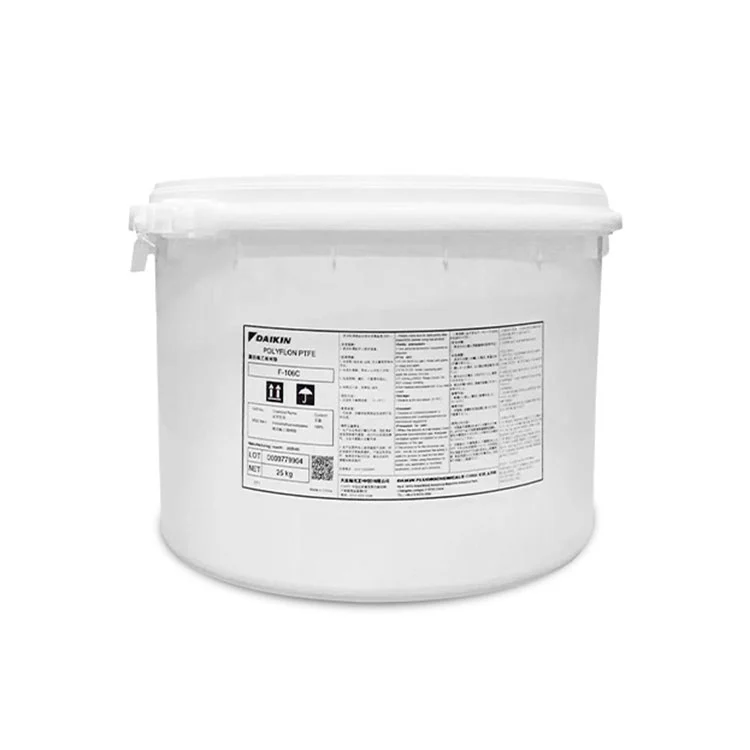
Table of Contents
- What Is PTFE Suspension Resin?
- What Are the Key Material Properties?
- What Resin Forms Are Available?
- How Should You Select the Right PTFE Grade?
- Which Technical Data Should Buyers Compare?
- Where Is PTFE Suspension Resin Used?
- How Do Virgin, Modified, and Filled PTFE Grades Differ?
- What Should Be Considered During Processing?
- How Can Buyers Source the Right Material?
- Frequently Asked Questions
What Is PTFE Suspension Resin?
PTFE, or polytetrafluoroethylene, is a fluoropolymer produced from tetrafluoroethylene. It is recognized for its strong resistance to many aggressive chemicals, low coefficient of friction, electrical insulation, and resistance to elevated operating temperatures.
Suspension-polymerized PTFE is commonly supplied as molding powder or granular material. Depending on the grade, it can be designed for compression molding, automatic molding, isostatic molding, or ram extrusion.
One important characteristic of PTFE is that it cannot normally be processed like conventional thermoplastics. Although PTFE has a melting point of approximately 327°C, its melt viscosity remains extremely high. Instead of conventional injection molding, many PTFE components are produced by compacting resin into a preform followed by controlled sintering.
Therefore, the processing method must be considered when selecting a resin. A grade suitable for compression molding should not automatically be assumed to provide the same processing performance in another forming process.
What Are the Key Material Properties?
The value of PTFE comes from the combination of several properties rather than a single performance characteristic.
Chemical Resistance
PTFE provides high resistance to many acids, alkalis, solvents, and aggressive chemical media. This makes it suitable for components such as seals, gaskets, valve parts, pump components, and corrosion-resistant linings.
However, chemical compatibility should always be evaluated according to the actual concentration, temperature, pressure, exposure time, and chemical environment.
Temperature Resistance
PTFE is commonly selected for applications involving continuous operating temperatures around 260°C, although the practical service limit depends on the specific grade, component design, and operating conditions.
It is important to distinguish service temperature from processing temperature. PTFE requires controlled heating and sintering, and the manufacturer's processing recommendations should be followed.
Electrical Insulation
PTFE offers strong electrical insulation and stable dielectric behavior. It is therefore used in insulating components, sleeves, wire and cable components, and selected high-frequency electrical applications.
Low Friction
The low-friction characteristics of PTFE make it useful for sliding and release applications. Typical components include bearings, guide parts, valve seats, piston rings, and other moving interfaces.
When an application requires greater wear resistance, creep resistance, or load capacity, a modified or filled PTFE grade may be more appropriate than unfilled material.
What Resin Forms Are Available?
The physical form of PTFE can directly influence powder handling, filling, preforming, and final processing behavior. Product terminology can vary among manufacturers, so the specific grade documentation should always be checked.
| PTFE Form | Typical Processing | Key Considerations | Common Uses |
|---|---|---|---|
| Molding Powder | Compression molding | Particle size, distribution, bulk density, preforming | Seals, gaskets, molded components |
| Free-Flowing Granular Grade | Automatic or compression molding | Powder flow and mold filling consistency | Automated production components |
| Extrusion Grade | Ram extrusion | Extrusion behavior and dimensional requirements | Tubes, rods, profiles |
| Presintered or Specially Treated Grade | Selected extrusion processes | Equipment compatibility and processing conditions | Specialized continuous-forming applications |
For automated production, consistent powder feeding and mold filling can be particularly important because variations in material behavior may affect density and dimensional consistency.
How Should You Select the Right PTFE Grade?
Material selection should begin with the finished component and its production process rather than with the resin name alone. A practical specification can follow this sequence:
- Manufacturer or preferred grade: Identify the current or required material reference.
- Resin form: Determine whether molding powder, granular material, or another form is appropriate.
- Particle characteristics: Review particle size and distribution where relevant.
- SSG: Use standard specific gravity as an important comparison parameter.
- Processing method: Confirm compression molding, automatic molding, isostatic molding, or ram extrusion requirements.
- Application: Define whether the finished part is used for sealing, electrical insulation, chemical handling, sliding, or another function.
- Critical properties: Identify mechanical, thermal, electrical, chemical, wear, or dimensional requirements.
- Quantity and delivery: Confirm the required volume, packaging, delivery schedule, and sourcing conditions.
For replacement projects, the existing manufacturer, grade number, technical data sheet, and processing history provide a useful starting point. Comparing a proposed material against the existing specification is generally more reliable than selecting a replacement based only on the general classification of PTFE.
Which Technical Data Should Buyers Compare?
Standard specific gravity (SSG) is widely used to identify and compare PTFE molding materials. ASTM D4894 covers granular PTFE molding and extrusion materials and addresses SSG together with characteristics such as particle size, bulk density, water content, thermal instability, and tensile properties.
However, SSG should not be treated as the sole indicator of processing behavior or finished-part performance. Depending on the application, buyers may also need to evaluate:
- Particle size and particle distribution
- Bulk density and powder flow
- Tensile strength and elongation
- Thermal stability
- Water content
- Dimensional shrinkage
- Electrical properties
- Recommended processing conditions
- Filler type and filler loading for filled grades
When comparing materials from different manufacturers, the applicable test method and test conditions should also be checked. Two numerical values may not be technically comparable if they were obtained under different testing conditions.
Where Is PTFE Suspension Resin Used?
PTFE molding materials serve a broad range of industrial applications where conventional plastics may not provide the required combination of chemical resistance, low friction, insulation, and temperature performance.
Chemical Processing
Common components include seals, gaskets, valve components, pump parts, and corrosion-resistant linings exposed to aggressive chemicals.
Fluid Handling
PTFE is used for tubes, diaphragms, valves, sealing components, and other parts that may contact chemically demanding fluids.
Electrical Applications
Electrical insulation components, sleeves, wire and cable parts, and selected high-frequency applications can take advantage of PTFE's dielectric characteristics.
Mechanical Equipment
Low friction makes PTFE suitable for bearings, guides, piston rings, valve seats, and other sliding components. Where mechanical loads or wear are higher, the grade formulation should be evaluated carefully.
How Do Virgin, Modified, and Filled PTFE Grades Differ?
Virgin PTFE is generally selected when the standard characteristics of unfilled PTFE satisfy the application requirements. It is useful when chemical resistance, electrical insulation, low friction, and temperature resistance are primary considerations.
Modified PTFE may be selected when additional control of properties such as creep, dimensional stability, or processing behavior is required.
Filled PTFE incorporates reinforcing or functional materials such as glass fiber, carbon, or graphite. Depending on the formulation, fillers can improve wear resistance, compression behavior, creep resistance, or dimensional stability.
Because fillers can substantially change processing and final performance, filler type and loading should be included in the material specification rather than treated as secondary details.
What Should Be Considered During Processing?
PTFE molding generally includes powder preparation, forming, and controlled sintering. The exact processing conditions depend on the resin grade, component geometry, wall thickness, equipment, and production method.
- Compression molding: Resin is compacted into a preform before controlled sintering.
- Automatic molding: Consistent powder feeding and mold filling become particularly important for repeatable production.
- Isostatic molding: Material behavior should be evaluated against the specific forming process and component requirements.
- Ram extrusion: The resin should be selected according to extrusion behavior, equipment, product dimensions, and required properties.
Sintering conditions should not be copied from one PTFE grade to another without verification. The manufacturer's technical documentation should be used to establish an appropriate processing profile.
Processing at elevated temperatures also requires appropriate ventilation and safety controls. Buyers and processors should review the applicable Safety Data Sheet and technical documentation before production.
How Can Buyers Source the Right Material?
For industrial procurement, providing detailed material information can significantly improve the accuracy of grade matching. A sourcing request should ideally include the following:
| Information | Why It Matters |
|---|---|
| Manufacturer / Grade | Helps identify the existing or preferred material |
| Resin Form | Determines compatibility with the intended process |
| Particle Size / SSG | Supports technical grade comparison |
| Processing Method | Separates molding and extrusion requirements |
| Application | Defines chemical, mechanical, thermal, or electrical priorities |
| Quantity | Supports bulk sourcing and supply planning |
| TDS / Specification | Allows technical comparison against the original material |
Nianjing can evaluate sourcing requirements according to the specified manufacturer, grade, resin form, particle characteristics, SSG, processing method, application, and quantity. For replacement projects, providing the original TDS or specification can make technical comparison more precise.
For regulated or application-specific projects, buyers may also need documents such as a Technical Data Sheet (TDS), Safety Data Sheet (SDS), Certificate of Analysis (COA), product specification, applicable ASTM or ISO test information, regulatory declarations, or application-specific certificates.
Relevant technical documents should always be checked for the exact grade rather than relying only on the general properties of PTFE.
Frequently Asked Questions
What is the difference between suspension PTFE and dispersion PTFE?
They differ in polymerization method, material form, and typical processing route. Suspension-polymerized PTFE is commonly associated with molding and ram extrusion, while fine-powder PTFE is widely used for paste extrusion. Aqueous PTFE dispersions are used for applications such as coatings and impregnation. These material forms should not be considered interchangeable without checking the processing requirements.
How do molding powder and granular PTFE differ?
The primary differences relate to particle morphology, powder flow, handling, and processing behavior. Granular materials may provide advantages in controlled feeding and automated mold filling, while other molding powders are developed for specific forming methods. The actual characteristics depend on the individual grade.
Why is SSG important when selecting PTFE?
SSG is a useful identification and comparison parameter for PTFE molding materials. However, it should be reviewed together with particle characteristics, mechanical properties, thermal behavior, and processing data rather than used as the only basis for material selection.
When should a filled PTFE grade be considered?
A filled grade may be considered when the application requires improved wear resistance, creep resistance, compression behavior, or dimensional stability. The specific filler system and loading should be evaluated together with the base PTFE resin.
What information is needed when sourcing PTFE resin?
Useful information includes the preferred manufacturer or grade, resin form, particle size, SSG, processing method, application, critical properties, quantity, and delivery requirements. For replacement projects, the existing grade number and TDS are particularly useful.
Can Nianjing help source an alternative PTFE grade?
Yes. Nianjing can screen potential alternatives according to an existing manufacturer and grade or evaluate available materials based on resin form, particle characteristics, SSG, processing method, application, and quantity. Any proposed replacement should be confirmed against current technical data and, where necessary, validated through production trials.
Conclusion: Choose PTFE Material Based on the Complete Application
Selecting a PTFE resin should involve more than comparing a polymer name or a single technical value. Processing method, resin form, particle characteristics, SSG, chemical environment, temperature, mechanical requirements, electrical performance, and finished-part specifications all contribute to the final material decision. For manufacturers and industrial buyers looking for reliable sourcing, Nianjing can help match requirements with suitable PTFE material options and supporting technical information. Share your required grade, application, quantity, and processing conditions with Nianjing today and contact us for professional PTFE material sourcing and grade-matching support.