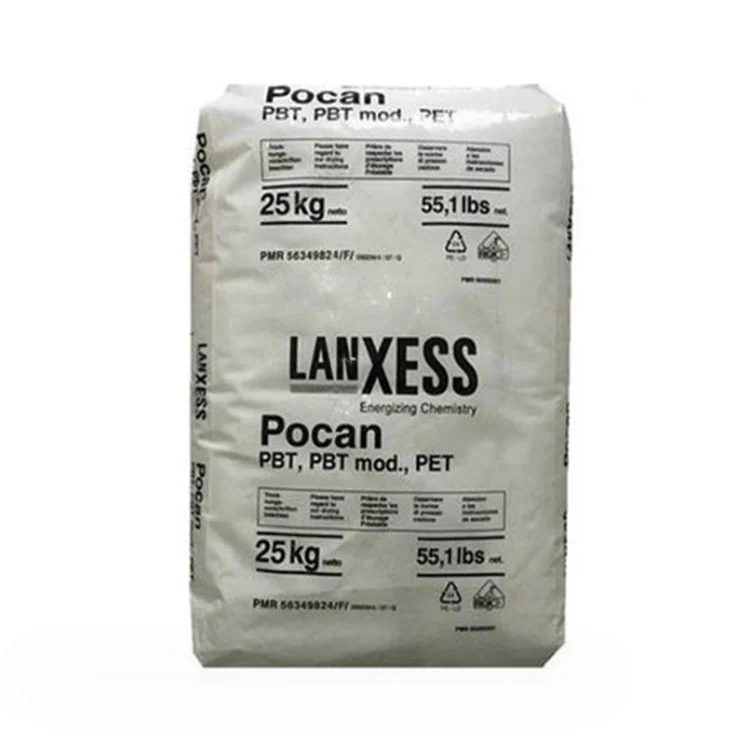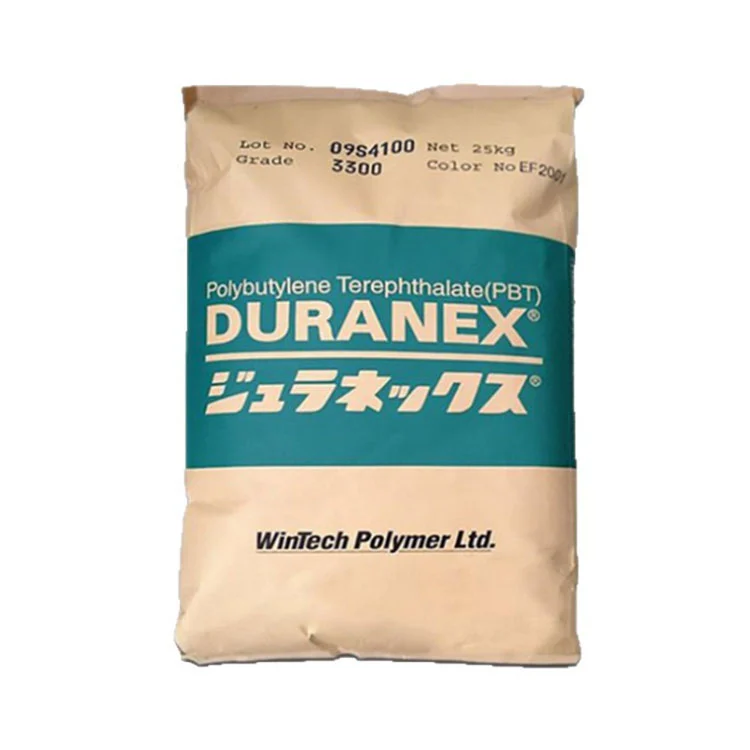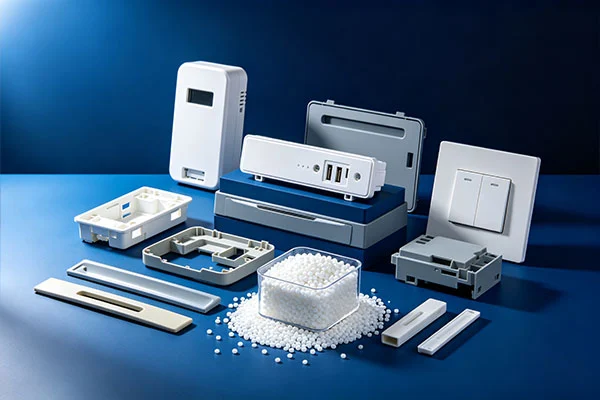
As industrial components face increasingly demanding thermal conditions, selecting a reliable engineering plastic becomes essential for long-term product performance. Nianjing provides Heat-Stabilized PBT solutions designed to help manufacturers improve thermal aging resistance, mechanical stability, and dimensional consistency in demanding applications. By combining the inherent advantages of polybutylene terephthalate (PBT) with specialized heat-stabilizing technology, this material offers a practical solution for automotive components, electrical connectors, electronic housings, and industrial equipment that must maintain reliable performance under elevated temperatures.
Article Summary: Heat-Stabilized PBT is a modified engineering thermoplastic developed to improve resistance to thermal degradation during prolonged exposure to elevated temperatures. This article explains its material characteristics, working principles, advantages, application areas, processing considerations, and differences from conventional PBT. It also provides practical guidance for selecting the appropriate grade for industrial manufacturing requirements.
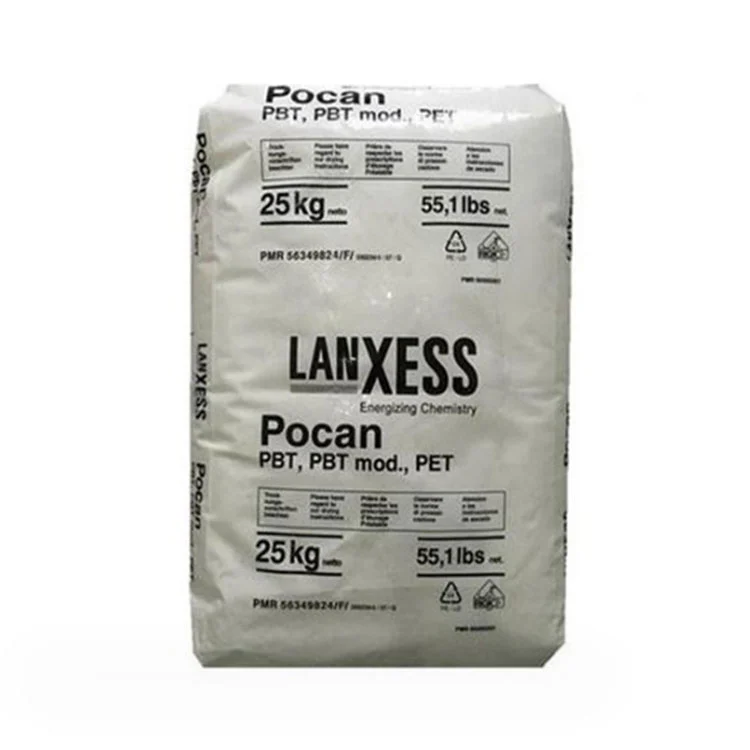
1. What Is Heat-Stabilized PBT?
2. How Does Heat Stabilization Improve PBT Performance?
3. What Are the Key Properties of Heat-Stabilized PBT?
4. What Are the Main Advantages of Heat-Stabilized PBT?
5. Where Is Heat-Stabilized PBT Commonly Used?
6. Heat-Stabilized PBT vs. Standard PBT: What Are the Differences?
7. What Should Manufacturers Consider During Processing?
8. How Can You Select the Right Heat-Stabilized PBT Grade?
Heat-Stabilized PBT is an enhanced form of polybutylene terephthalate, a semi-crystalline thermoplastic polyester widely used in engineering applications. Conventional PBT is already recognized for its good mechanical strength, dimensional stability, electrical insulation properties, and chemical resistance. However, components operating under continuous thermal stress may experience gradual material degradation over time.
To address this challenge, heat-stabilized formulations incorporate specialized stabilizing additives that help reduce thermal oxidation and preserve material properties during prolonged exposure to elevated temperatures.
Unlike ordinary PBT, which may gradually lose mechanical performance under demanding thermal conditions, heat-stabilized formulations are developed to improve long-term thermal aging behavior.
Depending on the formulation and reinforcement level, these materials can provide:
It is important to distinguish heat stabilization from other modification technologies. Heat stabilization primarily targets thermal aging, while glass-fiber reinforcement improves stiffness and strength, and flame-retardant modification addresses fire performance. These characteristics can be combined when the application requires multiple performance benefits.
Thermal degradation is an important consideration when engineering plastics are exposed to elevated temperatures for extended periods. Heat, oxygen, and other environmental factors can contribute to chemical changes within polymer structures, potentially affecting strength, toughness, color, and overall product reliability.
Heat stabilization helps control these degradation processes through carefully selected additive systems.
Antioxidant additives help interrupt oxidation reactions that can occur when polymer materials are exposed to heat and oxygen. This helps slow the deterioration of polymer chains and supports better mechanical property retention during thermal aging.
Industrial components often need to withstand repeated mechanical loading while operating near heat-generating equipment. Heat-stabilized formulations are designed to reduce the loss of strength and toughness associated with prolonged thermal exposure.
Changes in material structure during thermal aging can affect component dimensions and assembly accuracy. Properly formulated heat-stabilized PBT helps manufacturers maintain more consistent component performance over the intended service life.
The actual improvement depends on additive chemistry, polymer formulation, operating temperature, exposure duration, and environmental conditions. Therefore, manufacturers should evaluate technical data sheets and thermal aging test results before finalizing material selection.
Heat-Stabilized PBT combines the fundamental advantages of PBT polyester with improved resistance to thermal aging. Its specific properties vary according to the grade, glass-fiber content, additive package, and manufacturing conditions.
The following table summarizes the major performance characteristics that manufacturers should consider.
| Property | Performance Characteristics | Industrial Importance |
|---|---|---|
| Thermal Aging Resistance | Improved resistance to heat-related degradation | Supports longer service life under elevated temperatures |
| Mechanical Strength | Good tensile and flexural performance, depending on grade | Suitable for structural and load-bearing components |
| Dimensional Stability | Low moisture uptake and controlled dimensional changes | Benefits precision components and assembly applications |
| Electrical Insulation | Good dielectric characteristics | Suitable for electrical connectors and insulating housings |
| Chemical Resistance | Resistance to many oils, fuels, and industrial chemicals | Supports automotive and industrial applications |
| Processability | Suitable for injection molding | Enables efficient production of complex components |
For engineering projects, manufacturers should evaluate measurable indicators rather than relying on general material descriptions. Important parameters include tensile strength, flexural modulus, heat deflection temperature (HDT), melting temperature, thermal aging retention, and mold shrinkage.
For applications involving electrical safety, flame-retardant classification, or long-term thermal endurance, the relevant grade-specific certifications and test reports should also be reviewed.
The growing demand for compact, lightweight, and reliable industrial components has increased interest in engineering plastics with improved thermal performance. Heat-Stabilized PBT offers several advantages that make it attractive to manufacturers.
One of its most important benefits is improved thermal aging resistance. This characteristic is particularly valuable for components installed near motors, heating systems, electrical circuits, and other heat-generating equipment.
Material degradation can reduce the strength and reliability of plastic components. Heat-stabilized formulations help maintain mechanical performance after prolonged thermal exposure, supporting more consistent product quality.
PBT is widely used in electrical and electronic manufacturing because of its favorable electrical properties. Heat-stabilized grades can be particularly useful in components that experience both electrical loads and elevated operating temperatures.
Injection molding allows manufacturers to produce complex geometries, precise dimensions, and integrated structural features. Heat-Stabilized PBT can support these production requirements when the appropriate grade and processing conditions are selected.
In selected applications, glass-fiber-reinforced heat-stabilized PBT can provide an attractive combination of stiffness, strength, and reduced component weight. This creates opportunities to replace certain metal parts while maintaining functional performance.
Heat-Stabilized PBT is suitable for applications where conventional engineering plastics may face challenges associated with continuous thermal exposure. Its combination of thermal aging resistance, electrical performance, and mechanical stability makes it relevant to several manufacturing sectors.
Automotive systems contain numerous components exposed to heat generated by engines, motors, electrical systems, and surrounding equipment. Heat-stabilized PBT can be considered for:
For demanding automotive environments, hydrolysis resistance, vibration resistance, and thermal cycling performance may also need to be considered.
Electrical equipment requires insulating materials that can maintain their functional properties during continuous operation. Heat-Stabilized PBT is suitable for evaluating applications such as:
Household appliances frequently contain heating elements, motors, and electrical circuits. Heat-stabilized engineering plastics can help improve the durability of selected internal components exposed to elevated temperatures.
Examples include appliance connectors, electrical brackets, motor-related components, and selected structural housings.
Industrial machinery requires components that can withstand mechanical stress and fluctuating operating temperatures. Heat-Stabilized PBT may be used in electrical housings, equipment connectors, sensor supports, and other precision-molded components.
Material selection should always consider the actual operating environment, including temperature fluctuations, chemical exposure, mechanical loading, and expected service life.
Although both materials share the same basic PBT polymer structure, their formulations are designed to meet different performance requirements. Understanding these differences helps engineers choose an appropriate material without unnecessary specification costs.
| Comparison Factor | Standard PBT | Heat-Stabilized PBT |
|---|---|---|
| Base Polymer | Polybutylene terephthalate | Polybutylene terephthalate |
| Additive System | Standard formulation additives | Additional heat-stabilizing additives |
| Thermal Aging | Standard thermal aging resistance | Enhanced thermal aging resistance |
| Mechanical Retention | Depends on operating temperature and exposure time | Designed for improved retention after heat exposure |
| Typical Applications | General electrical, mechanical, and consumer components | Automotive, electrical, and industrial components exposed to heat |
| Material Cost | Generally more economical | May involve a higher formulation cost |
It is worth noting that heat stabilization does not automatically mean a higher heat deflection temperature or a higher melting point. These properties depend on the overall polymer formulation and reinforcement system. The primary purpose of heat stabilization is to improve resistance to thermal degradation over time.
For applications requiring both high stiffness and thermal aging resistance, manufacturers can investigate glass-fiber-reinforced heat-stabilized PBT grades.
Even a high-performance polymer requires appropriate processing conditions to achieve its expected properties. Injection molding parameters, raw material moisture, mold design, and cooling conditions can all influence the final component quality.
PBT is a polyester that can undergo hydrolytic degradation when excessive moisture is present during melt processing. This may result in reduced molecular weight and compromised mechanical properties.
Manufacturers should:
Processing temperatures must be selected according to the specific resin grade and molding equipment. Excessive melt temperatures or prolonged residence times can accelerate polymer degradation.
Mold temperature influences crystallization, shrinkage, surface appearance, and dimensional accuracy. Appropriate temperature control helps achieve consistent molding results and reduce internal defects.
Stable injection pressure, injection speed, cooling time, and mold conditions are important for repeatable production. Manufacturers should establish processing windows through material testing and production trials rather than applying one universal parameter setting to every PBT grade.
Choosing the right Heat-Stabilized PBT requires a clear understanding of the component's operating environment and performance requirements. A material that performs well in an electrical connector may not automatically be suitable for a heavily loaded automotive structural component.
Before purchasing, manufacturers should evaluate the following factors:
It is also advisable to request a technical data sheet (TDS), safety data sheet (SDS), and relevant test documentation from the supplier. For critical applications, thermal aging tests and component-level validation can provide additional confidence before mass production.
Heat-Stabilized PBT is commonly used in automotive electrical components, electronic connectors, relay housings, appliance components, and industrial equipment. It is particularly suitable for applications where plastic parts must retain their mechanical properties during prolonged exposure to elevated temperatures.
It depends on the application. Heat-stabilized grades generally offer improved thermal aging resistance, making them more suitable for demanding temperature environments. Standard PBT may remain a more economical choice for applications without significant long-term heat exposure.
Yes, specially formulated grades are designed for continuous elevated-temperature applications. However, the maximum service temperature varies by grade, reinforcement, mechanical loading, and environmental conditions. Manufacturers should consult the relevant technical data sheet and long-term thermal aging test results.
Yes. Heat-Stabilized PBT is generally suitable for injection molding. Proper resin drying, melt temperature control, mold temperature management, and cooling conditions are important for achieving consistent product quality.
Yes. Glass-fiber reinforcement can be incorporated into heat-stabilized formulations to improve stiffness, tensile strength, and dimensional performance. The appropriate reinforcement level depends on the mechanical requirements and component design.
Heat stabilization improves resistance to thermal degradation during prolonged heat exposure. Flame retardancy focuses on reducing ignition and flame propagation. These are different performance characteristics, although certain PBT formulations can incorporate both technologies.
Review the supplier's technical data sheet, batch consistency, thermal aging test results, mechanical properties, and applicable certifications. For critical applications, request additional test reports and conduct processing trials using the actual component design.
Heat-Stabilized PBT is an important engineering plastic solution for manufacturers seeking improved thermal aging resistance, dependable mechanical performance, and consistent dimensional stability. Its versatility makes it a valuable material option for automotive systems, electrical connectors, electronic housings, household appliances, and industrial machinery. By evaluating operating temperatures, mechanical requirements, environmental conditions, and processing compatibility, manufacturers can identify a suitable grade for their specific applications. Nianjing is committed to supporting industrial customers with material solutions that address practical manufacturing requirements. If you are looking for reliable Heat-Stabilized PBT resin, customized material recommendations, or technical assistance for your next engineering project, contact us today to discuss your requirements and explore the right material solution for your business.