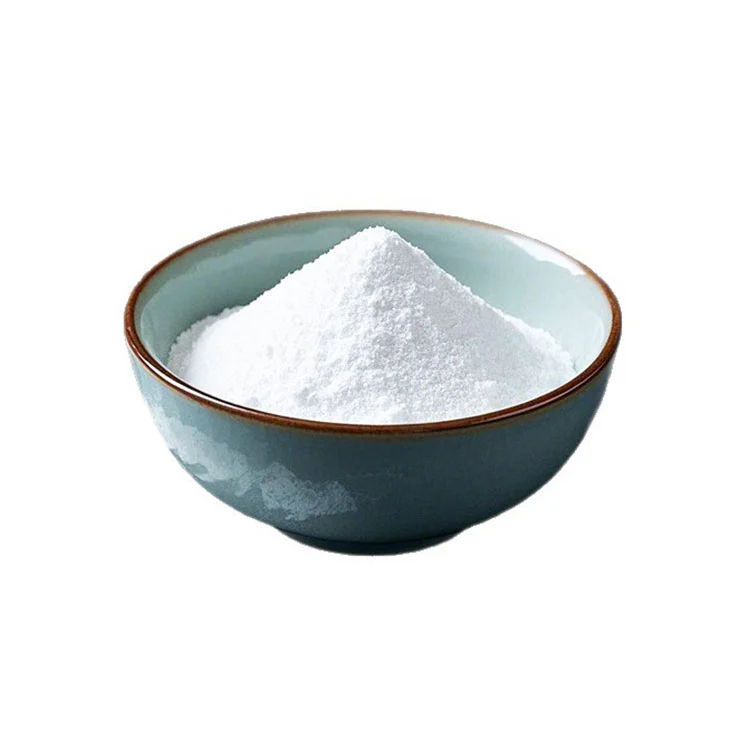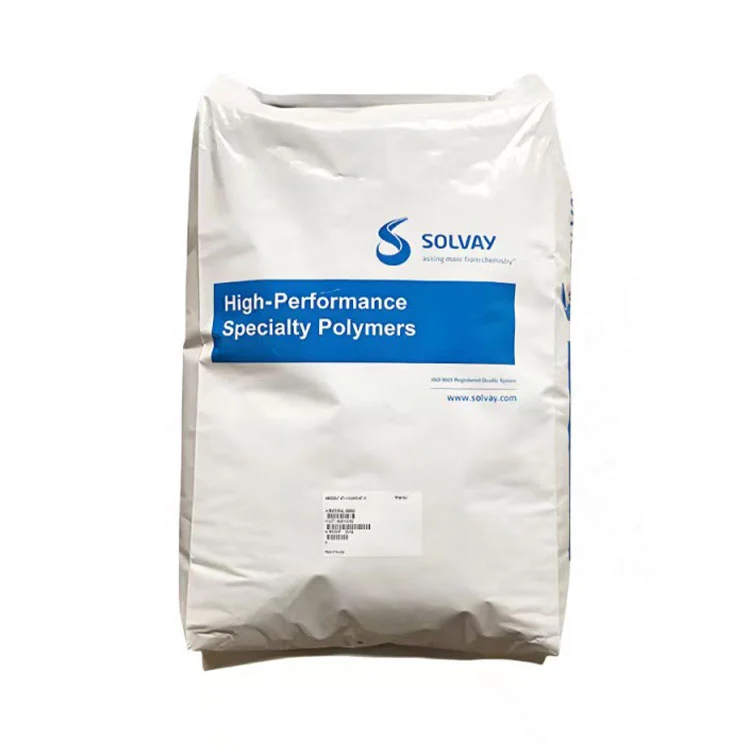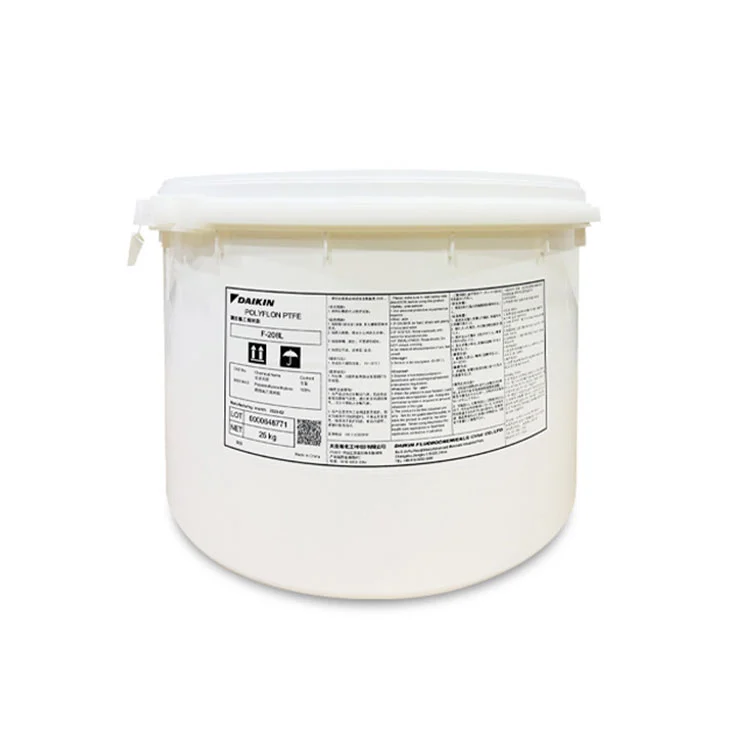
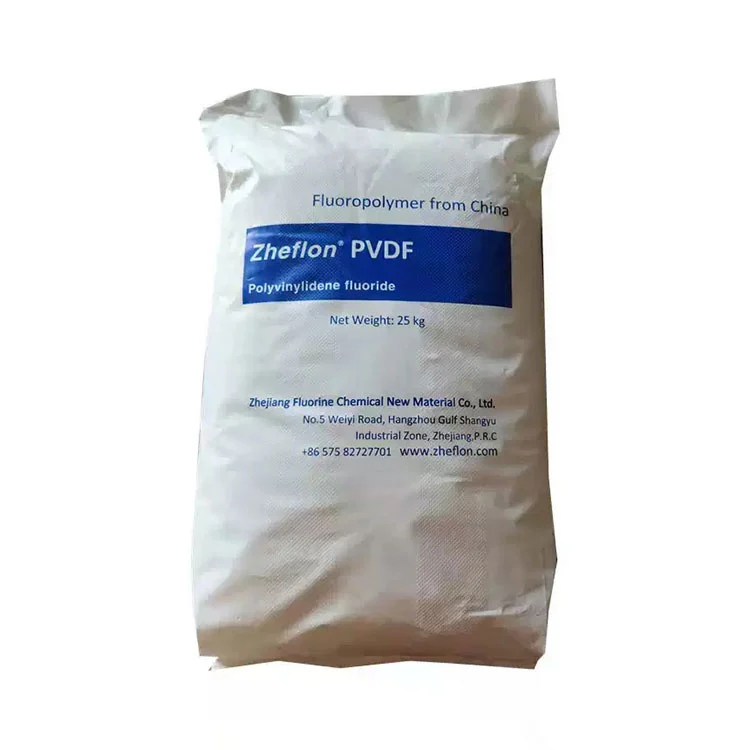
Membrane and Lithium Battery Grade PVDF is a polyvinylidene fluoride material used for lithium-ion battery electrodes, separator coatings and related membrane applications. Its chemical resistance, electrochemical stability, electrolyte compatibility and controlled molecular characteristics make it suitable for applications where material purity and consistent processing are important.
In lithium-ion batteries, PVDF is mainly used as a cathode binder and separator coating material. As a binder, it helps maintain the structure of the electrode coating and adhesion to the aluminum current collector. As a separator coating, PVDF can improve electrolyte wettability and retention while contributing to the thermal and mechanical stability of the separator structure.
Nianjing supplies PVDF according to grade, polymer characteristics, application, processing method, technical requirements and required quantity. For an existing material replacement, the original manufacturer, grade number and current TDS provide useful references for grade matching.
PVDF grades for lithium battery and membrane applications require material control beyond general-purpose industrial grades. Depending on the grade and end use, relevant factors may include molecular weight, solution viscosity, purity, moisture, particle characteristics, solvent compatibility and electrolyte interaction.
PVDF used in these applications can generally be divided into homopolymer and copolymer grades.
Homopolymer PVDF is produced primarily from vinylidene fluoride (VDF). Compared with many copolymer grades, it generally has higher crystallinity and mechanical strength and can provide good dimensional stability.
Homopolymer grades are commonly considered for cathode binder applications, including formulations based on lithium iron phosphate (LFP) and nickel-manganese-cobalt (NMC) cathode materials. The appropriate grade depends on the electrode formulation, solvent system, coating process and required electrode properties.
Copolymer PVDF incorporates comonomers such as hexafluoropropylene (HFP) or other fluorinated monomers. The modified molecular structure can provide different crystallinity, flexibility, solvent compatibility and electrolyte interaction compared with homopolymer grades.
Selected copolymer grades are used in separator coatings, gel polymer electrolyte systems and certain battery formulations where electrolyte affinity, flexibility or processing characteristics are important.
Homopolymer and copolymer should not be treated as fixed application categories. Final grade selection should be based on the manufacturer's technical data and the actual battery or membrane process.
PVDF is widely used as a binder for cathode formulations containing materials such as LFP and NMC. It helps maintain contact between active particles and the aluminum current collector during electrode preparation and subsequent battery operation.
Relevant characteristics for binder applications can include molecular weight, solution viscosity, purity, adhesion, electrochemical stability and compatibility with the selected solvent and electrode formulation.
Higher molecular weight can increase solution viscosity and may contribute to stronger binding, but excessive viscosity can make slurry preparation and coating more difficult. The appropriate grade therefore depends on the complete electrode formulation and coating process.
PVDF can be applied to conventional PE or PP separators as a coating layer. Its affinity for electrolyte can improve separator wettability and electrolyte retention.
The PVDF grade and coating formulation can also affect coating uniformity, adhesion, pore structure and mechanical properties. These factors should be evaluated together with the base separator and coating process.
Selected PVDF grades can be used to manufacture porous membranes through phase separation and other membrane-forming processes. The material combines chemical resistance with mechanical properties suitable for various membrane structures.
Final membrane performance depends on the PVDF grade, solvent system, polymer concentration, phase-separation conditions and post-treatment. Relevant specifications may include pore size, porosity, permeability, thickness and mechanical strength.
PVDF should be selected according to the intended process and finished-product requirements rather than a single material property.
| Technical factor | Relevance to selection |
| Molecular weight | Affects solution viscosity, adhesion and processing behavior |
| Solution or intrinsic viscosity | Important for slurry and coating formulation |
| Purity | Relevant to battery contamination control |
| Moisture content | Important for moisture-sensitive battery processes |
| Crystallinity | Influences mechanical and dimensional properties |
| Solvent compatibility | Important for binder and membrane formulation |
| Electrolyte compatibility | Relevant to battery and separator applications |
| Particle characteristics | Affect dissolution, dispersion and coating preparation |
| Electrochemical stability | Relevant to battery-specific applications |
| Thermal properties | Important for separator and membrane applications |
For general reference, PVDF typically has a density in the range of approximately 1.7–1.8 g/cm³, while thermal properties vary with polymer structure and grade. These values should not be treated as universal specifications.
For procurement, the manufacturer's current TDS should be used to confirm the actual specification of the selected grade.
For conventional PVDF cathode binder formulations, N-methyl-2-pyrrolidone (NMP) is commonly used as the solvent. Actual dissolution temperature, mixing speed, addition sequence and holding time depend on the PVDF grade and formulation.
A typical preparation sequence is:
PVDF addition → solvent mixing → controlled dissolution → slurry formulation → dispersion → deaeration → coating
PVDF powder should be added gradually under controlled agitation to reduce agglomeration. Adequate dissolution and dispersion are important because undissolved particles can affect slurry consistency and coating quality.
Processing conditions should be established from the selected grade's technical recommendations and validated against the customer's formulation and coating process.
Separator coatings and porous membranes can use different solvent systems and forming processes. Depending on the product, processing may involve coating, phase separation, stretching, drying or other membrane-forming methods.
The PVDF grade should be evaluated together with the processing route, target pore structure, thickness, mechanical properties and electrolyte requirements.
Battery-grade PVDF requires controlled material specifications and consistent batch quality. When evaluating a material, useful information includes:
For battery applications, metal-ion and moisture control can be important because unwanted impurities may affect electrode processing and electrochemical performance. Specific limits should be taken from the manufacturer's specification for the exact grade rather than treated as universal PVDF requirements.
Application-level evaluation may include:
| Application | Typical evaluation focus |
| Cathode binder | Slurry viscosity, coating uniformity, electrode adhesion and flexibility |
| Separator coating | Wettability, electrolyte retention, coating adhesion and thermal dimensional stability |
| Porous membrane | Pore structure, porosity, permeability, thickness and mechanical strength |
Peel-strength testing can be used to compare electrode adhesion, while surface and flexibility checks can help identify cracking or active-material loss after coating and drying.
There is no single peel-strength value or coating performance target applicable to all lithium battery systems. The appropriate specification depends on the electrode formulation, coating process, active material and battery design.
When sourcing PVDF for lithium battery or membrane applications, providing the end use and processing method is more useful than specifying only "battery-grade PVDF."
A practical sourcing specification can follow:
Manufacturer → Grade → Polymer Type → Application → Molecular / Viscosity Requirement → Solvent or Processing Method → Purity Requirements → Critical Properties → Required Documents → Quantity
For a cathode binder, useful information includes:
For a separator coating or membrane, provide:
For an existing grade replacement, the original manufacturer, grade number, TDS and COA provide the most useful starting point.
Nianjing can source Membrane and Lithium Battery Grade PVDF according to manufacturer, grade, application, processing requirements, technical documentation and required quantity.
Lithium battery grade PVDF is mainly used as a cathode binder and as a material for separator coatings. Selected grades are also used in gel polymer electrolyte systems and other battery-related membrane applications.
Homopolymer PVDF generally provides higher crystallinity and mechanical strength, while copolymer grades can offer different flexibility, solvent compatibility and electrolyte interaction. The appropriate type depends on the formulation and processing method.
Molecular weight affects solution viscosity, binding behavior and processing characteristics. Higher molecular weight can increase solution viscosity and may contribute to stronger binding, but excessive viscosity can make slurry preparation and coating more difficult. The appropriate range depends on the complete electrode formulation.
Important information may include the manufacturer, grade, molecular or viscosity data, purity, moisture, particle characteristics, thermal properties, processing recommendations and batch documentation. For battery applications, the exact limits should be confirmed against the manufacturer's current specification.
For a new requirement, provide the application, polymer type, battery chemistry or membrane structure, processing method, viscosity or molecular requirements, purity requirements and quantity. For a replacement project, the existing manufacturer, grade number, TDS and COA are the most useful references.
Address
China Plastics City, Yuyao City, Ningbo City, Zhejiang Province, China
Tel
Looking for a specific plastic material, brand, grade or quantity? Send your requirements to Nianjing for sourcing and availability confirmation.
Please include the material name, manufacturer or brand, grade, quantity, application and delivery requirements when available. If you are unsure about the grade, simply describe your application and requirements.
Nianjing will review your inquiry and check suitable sourcing options based on your requirements.