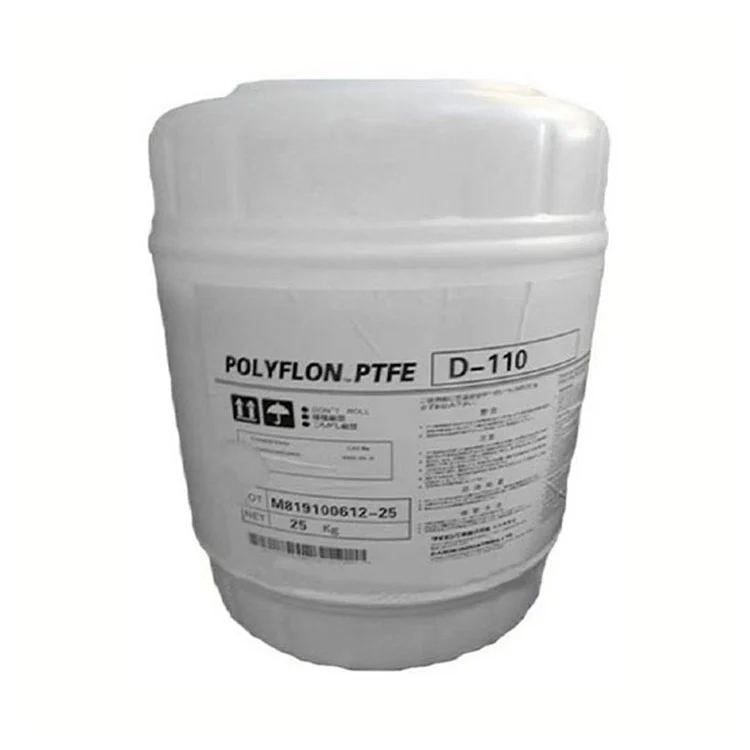

When manufacturers need a reliable water-based fluoropolymer for demanding coating and impregnation processes, Nianjing provides PTFE Emulsion solutions selected around application requirements, processing conditions, material specifications, and supply needs. Understanding how PTFE dispersion works can help buyers choose a grade that delivers consistent performance.
PTFE Emulsion, also known as aqueous PTFE dispersion, is a water-based system containing finely dispersed polytetrafluoroethylene particles. It provides a practical route for applying PTFE to fabrics, metals, industrial surfaces, and other substrates through processes such as spraying, dipping, roll coating, knife coating, and impregnation. Its combination of chemical resistance, thermal stability, low friction, release properties, electrical insulation, and weather resistance makes it valuable across industrial applications. However, not every PTFE dispersion is interchangeable. Solids content, particle size, pH, viscosity, surfactant system, substrate compatibility, and processing conditions all influence the final result. This guide explains the material characteristics, technical parameters, applications, processing considerations, and sourcing factors buyers should evaluate before selecting a PTFE dispersion.
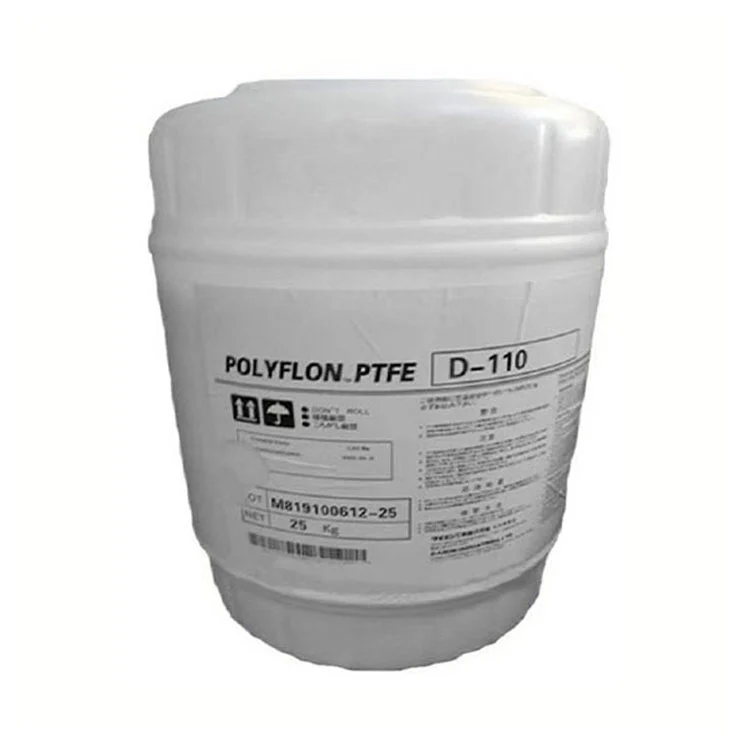
Table of Contents
What Are the Key Properties of PTFE Emulsion?
Which Technical Parameters Matter Most?
How Should PTFE Emulsion Be Processed?
How Should Buyers Select the Right Grade?
What Quality Documents Should Buyers Request?
What Is PTFE Emulsion?
PTFE Emulsion is an aqueous dispersion containing extremely fine PTFE particles suspended in a liquid phase. It is commonly used when manufacturers need to introduce PTFE through a wet-processing route instead of directly molding or machining solid PTFE resin.
The material is particularly useful for coating and impregnation. After application, the water phase is removed through drying, while subsequent thermal treatment allows the PTFE particles to develop the desired continuous structure. This makes the dispersion format suitable for substrates that require a thin functional PTFE layer.
Commercial grades are not identical. Manufacturers can vary the solids concentration, particle size, stabilizing system, pH, viscosity, and other formulation characteristics. Therefore, buyers should evaluate the complete grade specification instead of selecting a product only because it is labeled as PTFE dispersion.
What Are the Key Properties of PTFE Emulsion?
The performance of PTFE comes from the distinctive molecular structure of polytetrafluoroethylene. When properly processed, PTFE-based coatings and impregnated materials can provide several useful characteristics.
- Excellent chemical resistance: PTFE is highly resistant to many industrial chemicals and aggressive environments.
- High thermal stability: PTFE is widely selected for applications involving elevated temperatures, although the actual operating limit depends on the finished system.
- Low friction: Its low coefficient of friction is useful for reducing sticking and surface resistance.
- Release performance: Low surface energy makes PTFE suitable for applications where easy release is required.
- Electrical insulation: PTFE offers stable dielectric properties for selected electrical and high-frequency applications.
- Weather resistance: PTFE-based surfaces can provide strong resistance to outdoor environmental exposure.
These characteristics explain why aqueous PTFE systems are used in industrial fabrics, release surfaces, electrical structures, processing equipment, and specialized polymer formulations.
Which Technical Parameters Matter Most?
Choosing a suitable PTFE dispersion requires more than checking PTFE concentration. The following parameters should be evaluated against the application and production process.
| Parameter | Why It Matters | Buyer Consideration |
|---|---|---|
| PTFE Solids Content | Influences coating build-up, drying requirements, and formulation calculations. | Match the target coating weight and process requirements. |
| Particle Size | Affects dispersion stability, penetration, and coating behavior. | Confirm the specified range and test method. |
| pH | Can influence stability and compatibility with other formulation components. | Compare with the requirements of the production system. |
| Viscosity | Affects pumping, spraying, dipping, and roll-coating behavior. | Select according to application equipment and production speed. |
| Surfactant System | Influences dispersion stability, wetting, drying, and final film behavior. | Request grade-specific technical information. |
| Storage Conditions | Improper storage may affect dispersion stability and product quality. | Follow the current TDS and SDS requirements. |
As a practical sourcing principle, the material should be identified by its manufacturer, grade, technical parameters, application, processing method, and required quantity rather than by a general solids-content description.
Where Is PTFE Emulsion Used?
Glass Fiber and Fabric Impregnation
PTFE dispersion can penetrate and coat glass fabrics and other high-performance substrates. Following drying and appropriate thermal treatment, the resulting PTFE layer can provide release, chemical resistance, low friction, and temperature resistance. Typical products include PTFE-coated fabrics, industrial belts, release materials, and specialty textiles.
Industrial Release Coatings
Where sticking or adhesion creates production problems, PTFE-based release coatings can provide a low-energy surface. They may be used on selected processing surfaces, molds, cooking equipment, and industrial components.
Electrical and High-Frequency Applications
Selected PTFE grades can be incorporated into insulating coatings and impregnated structures where dielectric performance is important. The final product should always be evaluated according to its actual electrical requirements, coating thickness, substrate, and thermal processing.
Architectural and High-Temperature Fabrics
PTFE-coated fabrics can form part of composite structures used in architectural and industrial environments. The appropriate dispersion must be considered together with fabric construction, coating weight, processing equipment, and finished-product requirements.
Specialized Polymer Formulations
Certain PTFE dispersions are used as functional components in specialized formulations, including selected anti-dripping systems and polymer modification applications. These applications are highly grade-specific, so a general-purpose dispersion should not automatically be considered suitable for every formulation.
How Should PTFE Emulsion Be Processed?
A typical PTFE dispersion process involves substrate preparation, mixing or dilution when permitted, wet application, drying, and thermal treatment. Each stage can influence the final coating quality.
- Prepare the substrate: Remove oil, dust, rust, and other contaminants that could interfere with wetting or adhesion.
- Mix carefully: Follow the manufacturer's instructions. Excessive shear can negatively affect some dispersion systems.
- Apply the dispersion: Depending on the grade, methods may include spraying, dipping, roll coating, knife coating, or impregnation.
- Remove the water phase: Controlled drying is required before the material receives further thermal treatment.
- Complete thermal treatment: The appropriate temperature profile depends on the specific grade, substrate, coating structure, and equipment.
Manufacturers should avoid treating one fixed heating profile as suitable for every PTFE system. The current technical data sheet should be used as the primary reference for processing conditions.
How Should Buyers Select the Right Grade?
A reliable purchasing process begins with the application rather than the product name. Buyers should first define what the PTFE dispersion needs to accomplish and then compare available grades against those requirements.
- Identify the final application and expected service environment.
- Specify the substrate, such as glass fabric, metal, polymer, or textile.
- Define the preferred coating or impregnation method.
- Determine the required solids content and viscosity range.
- Check particle size and dispersion stability requirements.
- Evaluate release, dielectric, chemical, thermal, or friction requirements.
- Confirm packaging, storage, delivery quantity, and lead-time requirements.
- Request technical documentation before approving a substitute grade.
For replacement projects, providing the existing manufacturer's name, grade number, TDS, application, and process conditions can significantly improve material matching. Nianjing can use these details to help compare suitable PTFE dispersion options based on technical requirements rather than relying only on product-family names.
What Quality Documents Should Buyers Request?
Industrial buyers should establish documentation requirements before placing a large order. Depending on the application, useful documents may include:
- Technical Data Sheet (TDS)
- Safety Data Sheet (SDS)
- Certificate of Analysis (COA), where available
- Product specification
- Applicable test-method information
- Regulatory or compliance documentation
- Application-specific technical information
Important quality-control parameters may include solids content, pH, viscosity, density, particle size, and other grade-specific characteristics. However, meeting a nominal specification does not automatically guarantee performance on every production line. Application trials may still be necessary to verify wetting, coating uniformity, adhesion, drying behavior, thermal treatment, and final performance.
Frequently Asked Questions
Is PTFE Emulsion the same as PTFE Dispersion?
In commercial usage, PTFE Emulsion and PTFE Dispersion are often used to describe aqueous systems containing finely dispersed PTFE particles. However, exact terminology and formulation characteristics can differ between manufacturers and grades.
What is PTFE Emulsion mainly used for?
Common applications include glass-fiber impregnation, PTFE-coated fabrics, industrial release coatings, electrical insulation structures, high-temperature fabrics, and selected polymer-modification systems.
Can PTFE Emulsion be diluted with water?
Some grades can be diluted with water, but the permitted dilution ratio and mixing conditions are product-specific. Buyers should always follow the manufacturer's technical documentation rather than assuming that all PTFE dispersions can be diluted in the same way.
What factors affect PTFE Emulsion selection?
The most important factors include solids content, particle size, pH, viscosity, surfactant system, substrate, application method, target coating properties, thermal processing conditions, and final service environment.
How should PTFE Emulsion be stored?
Storage requirements vary by grade. In general, the product should be protected from freezing, excessive heat, contamination, and unsuitable storage conditions. The manufacturer's current TDS and SDS should always take priority.
Conclusion
PTFE Emulsion provides manufacturers with a flexible water-based route for applying the distinctive performance characteristics of PTFE to fabrics, industrial surfaces, electrical structures, and specialized formulations. Its value comes not simply from the PTFE polymer itself, but from selecting a dispersion whose solids content, particle characteristics, viscosity, stabilization system, and processing behavior match the intended application. For buyers evaluating grades, replacement materials, or long-term supply options, Nianjing can help identify suitable specifications and compare material choices according to real processing requirements. If you are sourcing a reliable PTFE dispersion for a new project or need help matching an existing grade, contact us to discuss your application, technical requirements, quantity, and sourcing expectations.