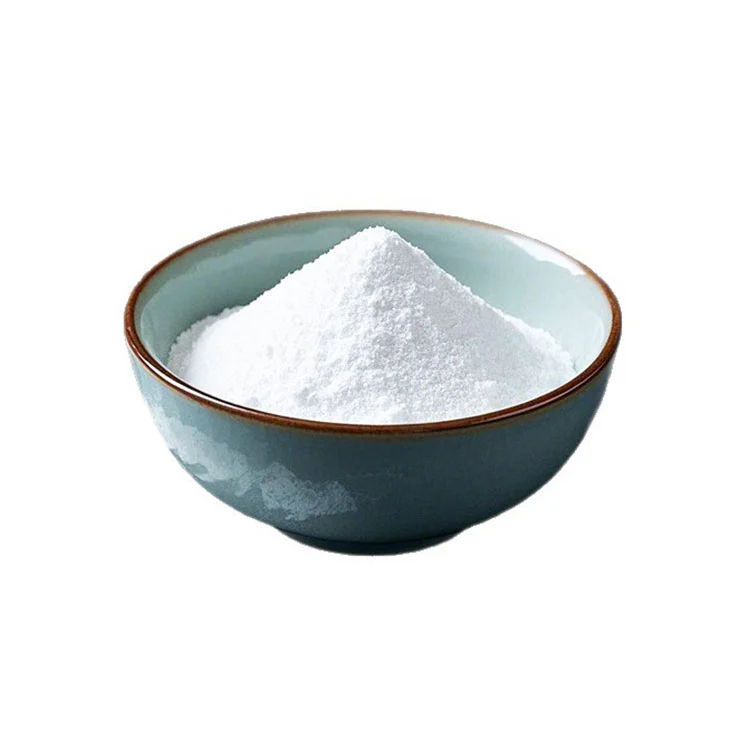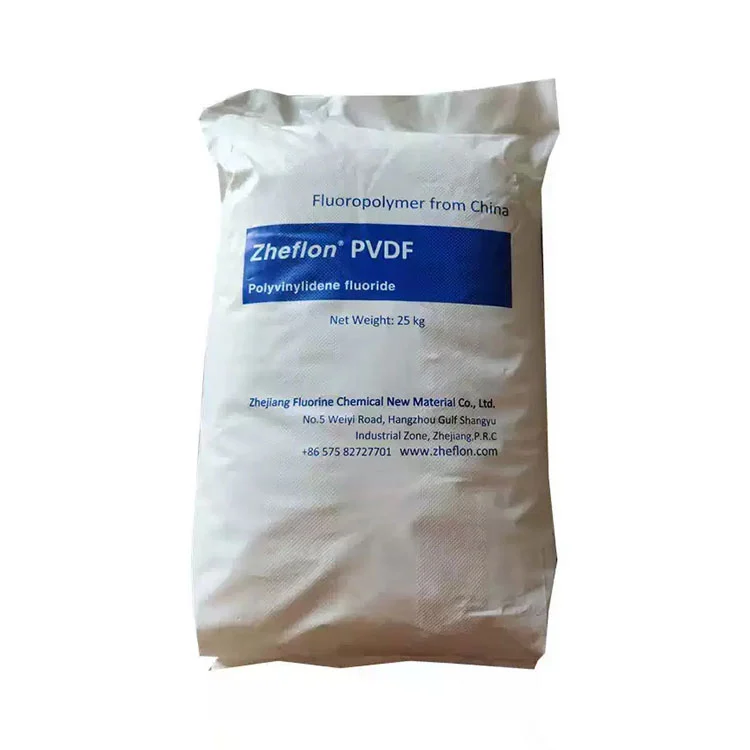
Industrial-Grade PVDF is a semi-crystalline fluoropolymer used for chemical-processing components, pipes, valves, fittings, linings, membranes, coatings and other industrial products. Grades differ in polymer structure, molecular weight, melt flow and processing characteristics, so material selection normally starts with the intended process and application. Nianjing can source PVDF according to manufacturer, grade, polymer type, processing method, application and required quantity.
PVDF, or polyvinylidene fluoride, is a fluoropolymer based on vinylidene fluoride. It combines chemical resistance with useful mechanical strength, temperature resistance and thermoplastic processability.
Unlike PTFE, PVDF can be processed by conventional methods such as injection molding and extrusion. It can also be welded for suitable applications, which makes it useful for fabricated piping systems, valves, fittings and other chemical-handling components.
Commercial PVDF grades are not interchangeable. Homopolymers and copolymers can differ in crystallinity, flexibility, mechanical properties and melt behavior. Molecular weight and polymerization method can also influence processing and end-use performance.
For this reason, the resin name alone is not enough when selecting a material. The manufacturer, grade and intended application should be identified before comparing alternatives.
PVDF has good resistance to many acids, salts, hydrocarbons and other chemical media. This property supports its use in chemical-processing equipment, piping, valves, fittings and protective linings.
Chemical compatibility should be checked against the actual medium, concentration, temperature and exposure time. The same PVDF grade should not be assumed suitable for every chemical environment.
PVDF provides a combination of strength, stiffness and toughness that is useful for industrial components and fluid-handling systems.
For pipes, valves and fittings, creep resistance and pressure performance are important in addition to tensile and flexural properties. The required mechanical performance should therefore be evaluated together with operating temperature, pressure and component geometry.
PVDF can be used in elevated-temperature environments, but the allowable temperature is application-specific.
For example, Syensqo states that selected Solef® PVDF materials can be used in non-load-bearing applications up to 150°C, while actual service conditions depend on stress and chemical exposure. The manufacturer's data for the specific grade should be used when defining the operating temperature.
PVDF has good resistance to UV exposure and outdoor weathering. This makes selected grades suitable for exterior coatings and other applications exposed to sunlight.
Coating performance depends on the complete coating system, including resin, formulation, substrate and processing conditions. Architectural coating grades should therefore be distinguished from conventional molding and extrusion grades.
PVDF is an electrical insulating material with useful dielectric properties. Selected grades are used in wire and cable, electronic components and other electrical applications.
PVDF also has piezoelectric and pyroelectric characteristics, but these are mainly relevant to specialized functional materials rather than general industrial grades.
PVDF properties vary with polymer type, molecular weight and grade. The following values are general reference information and should not be treated as a universal specification.
| Property | Typical Reference | Selection Consideration |
| Density | About 1.7–1.8 g/cm³ | Confirm the exact grade |
| Melting temperature | Commonly in the mid-160°C to 170°C range | Check the manufacturer's TDS |
| Tensile strength | Grade-dependent | Compare yield and tensile values |
| Flexural modulus | Grade-dependent | Important for structural applications |
| Melt flow | Grade-dependent | Match to the processing method |
| Chemical resistance | Resistant to many industrial chemicals | Check the actual medium and temperature |
| Service temperature | Application and grade dependent | Consider load and chemical exposure |
| Electrical properties | Grade-dependent | Check application-specific requirements |
For grade replacement, the test method and test conditions should also be compared rather than relying on the numerical value alone.
PVDF grades are commonly differentiated by polymer composition, molecular weight, melt flow, processing method and end use.
Homopolymer grades are produced from vinylidene fluoride and generally have higher crystallinity and rigidity than many copolymer grades.
They are commonly used where mechanical strength, chemical resistance and dimensional stability are important, including piping, valves, fittings and selected membrane applications.
Copolymer grades contain another monomer, such as hexafluoropropylene (HFP) or chlorotrifluoroethylene (CTFE).
Changing the polymer composition can reduce crystallinity and increase flexibility. These materials may be considered when flexibility, impact behavior, low-temperature performance or processing characteristics are more important than maximum rigidity.
The actual difference between a homopolymer and copolymer should be confirmed from the manufacturer's technical data.
Injection molding grades provide melt flow suitable for molding equipment and part geometry. They can be used for valves, fittings, housings and other molded chemical-processing components.
Melt flow should be matched to the mold design, wall thickness and processing conditions. A higher MFI is not automatically preferable.
Extrusion grades are used for pipes, tubes, sheets, profiles and selected wire and cable products.
For chemical-fluid handling, material selection should consider creep resistance, pressure requirements, chemical compatibility, temperature and joining method in addition to melt flow.
Selected PVDF materials can be processed by compression or transfer molding. These methods may be used when the part geometry, material viscosity or production requirements are not suitable for conventional injection molding.
The applicable processing conditions should be confirmed from the manufacturer's processing documentation.
PVDF is used for microfiltration, ultrafiltration and other membrane products. These grades have different requirements from ordinary molding materials.
Molecular weight, membrane-forming process, pore structure and mechanical properties can all affect the final membrane. A membrane grade should therefore be selected separately from standard injection or extrusion resin.
PVDF is also used in architectural and industrial coatings. Coating resins should not automatically be considered equivalent to thermoplastic molding grades.
For example, Kynar 500® is a PVDF resin used as the base resin in specified architectural coating systems. The final coating performance also depends on formulation, pigments, substrate and application conditions.
PVDF is used for pipes, valves, fittings, pumps, tanks and protective linings where resistance to chemical media is required.
The grade should be selected according to the chemical environment, temperature, pressure and fabrication method.
PVDF can be processed into pipes, fittings and valve components for chemical and water-handling systems.
Important selection factors include pressure rating, operating temperature, chemical compatibility, pipe dimensions, creep behavior and joining method.
PVDF is used for microfiltration and ultrafiltration membranes. The material's chemical resistance and film-forming characteristics make it suitable for selected water-treatment processes.
Membrane applications require separate consideration of molecular weight, pore structure, membrane-forming process and mechanical properties.
Selected PVDF grades are used as electrode binders and separator coating materials in lithium-ion batteries.
Battery-grade PVDF is a specialized material category. Solubility, adhesion, molecular characteristics, electrochemical stability and the use of solvent-based or water-based processing can affect grade selection.
High-purity PVDF grades are used in selected fluid-handling systems for ultrapure water and chemically pure fluids.
Material purity and contamination control are important in these applications, so high-purity grades should be specified separately from conventional industrial molding materials.
Selected PVDF grades are used for wire and cable insulation and jacketing where chemical resistance, temperature resistance and electrical properties are required.
The appropriate grade depends on the insulation design, processing method, flexibility requirements and applicable specifications.
Certain PVDF resins are used in protective coatings for metal substrates and other outdoor applications.
These materials should be evaluated as coating resins rather than treated as interchangeable with standard injection or extrusion grades.
PVDF and PTFE are both fluoropolymers, but their processing methods and performance profiles are different.
| Property | PVDF | PTFE |
| Conventional thermoplastic processing | Yes | Generally no |
| Mechanical properties | Higher stiffness and strength in many applications | Excellent chemical resistance, with generally lower stiffness |
| Chemical resistance | Excellent for many industrial media | Generally broader |
| Friction | Low | Very low |
| Weldability | Possible with suitable grades and methods | Not normally welded in the same way |
| Typical processing | Injection, extrusion, compression, transfer | Compression molding, ram extrusion, paste extrusion |
| Typical applications | Pipes, valves, fittings, membranes, batteries, coatings | Seals, bearings, linings, tubing, electrical insulation |
PVDF is often considered when chemical resistance needs to be combined with mechanical strength and conventional thermoplastic processing. PTFE is more commonly selected where very low friction, non-stick behavior or broader chemical inertness is the primary requirement.
Several established fluoropolymer manufacturers offer PVDF grades for different processing methods and applications. Product families should be compared by grade and technical data rather than treated as interchangeable.
Arkema's Kynar® portfolio includes PVDF materials for industrial applications and specialized coating systems. Kynar 500® is associated specifically with architectural PVDF coating systems rather than ordinary injection or extrusion resin.
Solef® includes PVDF homopolymers and copolymers with different molecular-weight and processing characteristics. The portfolio covers applications including chemical processing, membranes, semiconductor systems, lithium-ion batteries and wire and cable.
Other manufacturers also supply PVDF for molding, extrusion, membrane, coating and battery applications. When comparing materials from different manufacturers, the grade number, TDS and intended application provide a more useful basis than the brand name alone.
A practical sourcing specification can follow:
Manufacturer → Grade → Polymer Type → Processing Method → Melt Flow / Viscosity → Application → Critical Properties → Purity Requirement → Quantity
For a piping application, the specification may include:
PVDF → Homopolymer → Extrusion → Pipe Production → Chemical Resistance + Pressure Resistance → Specified Medium and Temperature → Required Quantity
A battery application requires a different set of criteria:
PVDF → Battery Grade → Electrode Binder → Solvent or Water-Based Process → Adhesion + Electrochemical Requirements → Required Quantity
For an existing material replacement, the original manufacturer, grade number and TDS should be provided. Processing method and actual service conditions are also useful when comparing alternatives.
PVDF can be processed by injection molding, extrusion, compression molding and transfer molding. Suitable grades can also be machined and welded using appropriate methods.
Processing conditions should be established from the selected grade and equipment. Important factors include:
High-purity applications also require appropriate controls to prevent contamination during storage, processing and assembly.
Industrial-Grade PVDF is used for chemical-processing components, pipes, valves, fittings, membranes, coatings, wire and cable products and selected high-purity and battery applications. The appropriate grade depends on the processing method and end-use requirements.
Homopolymer PVDF generally provides higher crystallinity and rigidity, while copolymer grades can provide greater flexibility or different processing characteristics. The actual properties depend on the comonomer, molecular weight and specific grade.
Yes. Selected PVDF grades are suitable for injection molding. Melt flow, part geometry, mechanical requirements and processing conditions should be considered when selecting the grade.
Yes. Extrusion grades are used for pipes, tubes, sheets, profiles and selected continuous products. For pressure or chemical-service applications, creep, temperature, chemical compatibility and joining requirements should also be considered.
Selected PVDF grades are used as electrode binders and separator coating materials. Battery grades should be selected according to the electrode formulation, processing medium, adhesion requirements and electrochemical conditions.
Useful information includes the manufacturer or reference grade, polymer type, processing method, melt flow or viscosity requirement, application, operating temperature, chemical medium, purity requirement, quantity and delivery requirements.
Nianjing can source PVDF according to manufacturer, grade, polymer type, processing method, application and required quantity. For grade replacement, the existing TDS, processing method and service conditions can be used to compare technically relevant alternatives.
Address
China Plastics City, Yuyao City, Ningbo City, Zhejiang Province, China
Tel
Looking for a specific plastic material, brand, grade or quantity? Send your requirements to Nianjing for sourcing and availability confirmation.
Please include the material name, manufacturer or brand, grade, quantity, application and delivery requirements when available. If you are unsure about the grade, simply describe your application and requirements.
Nianjing will review your inquiry and check suitable sourcing options based on your requirements.