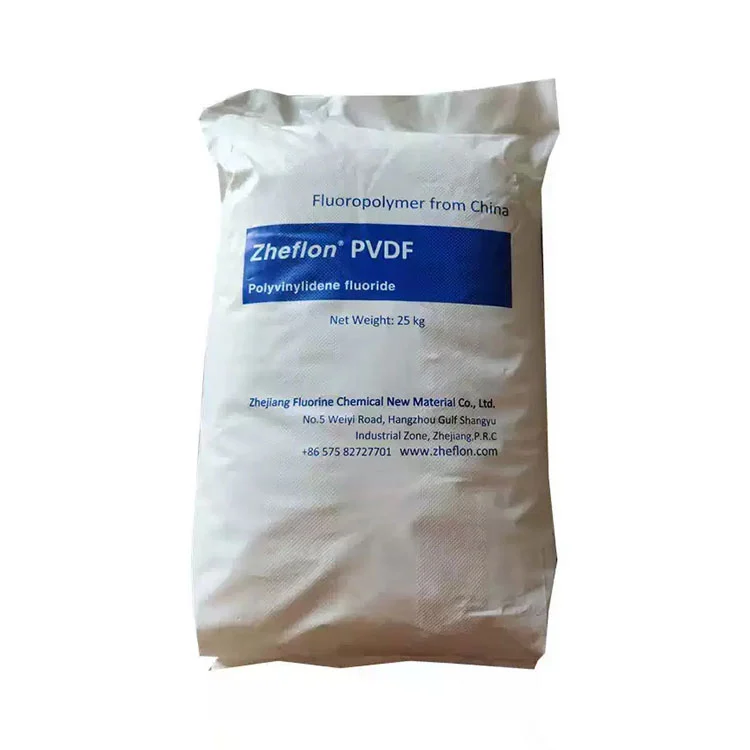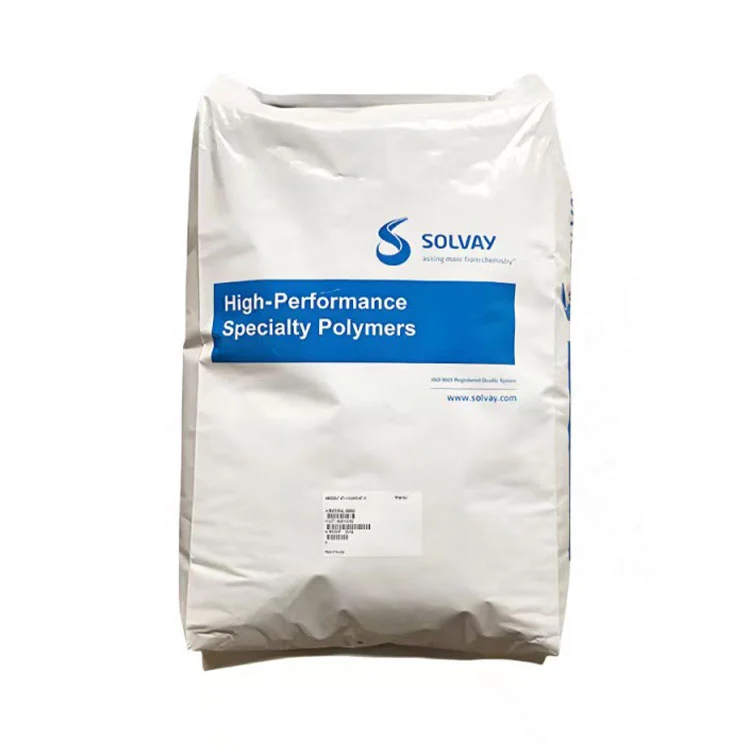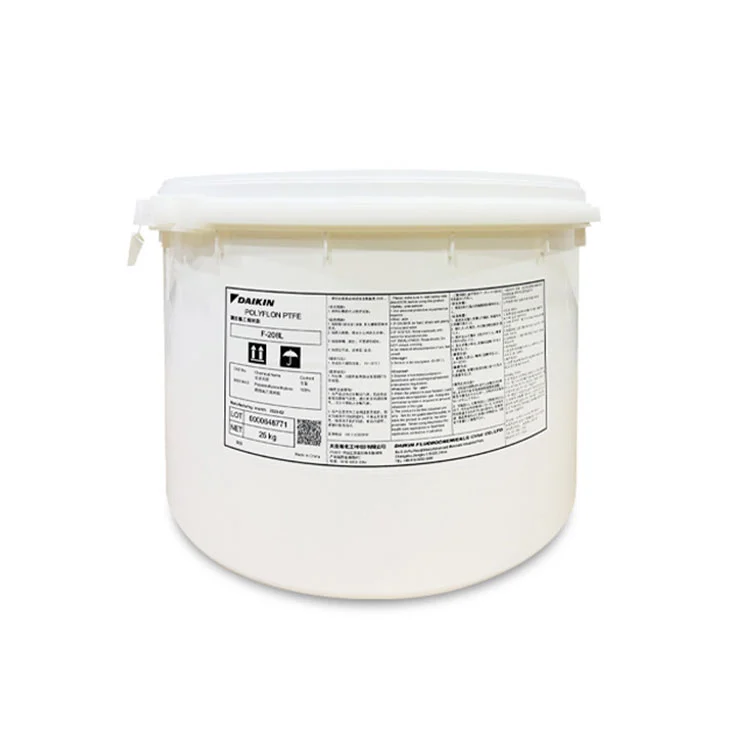
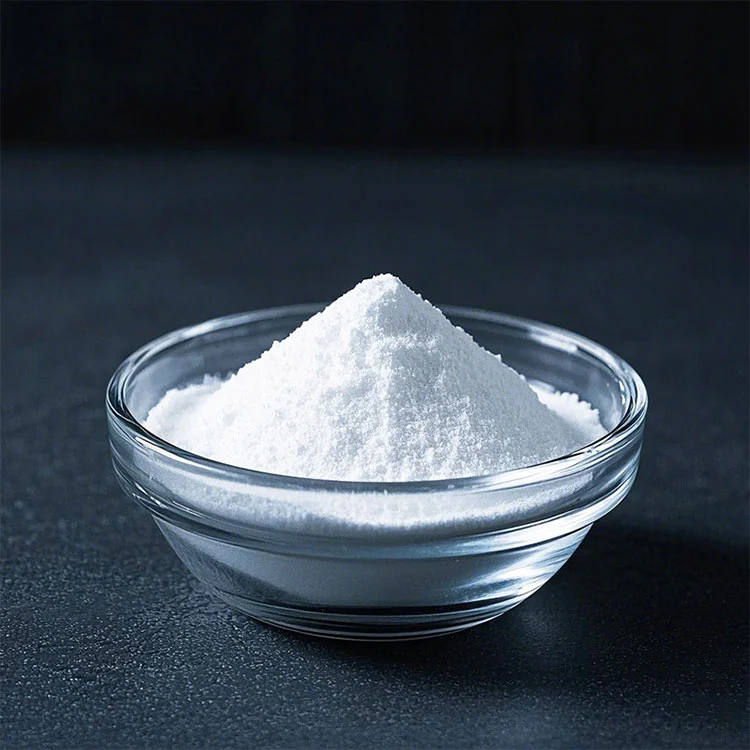
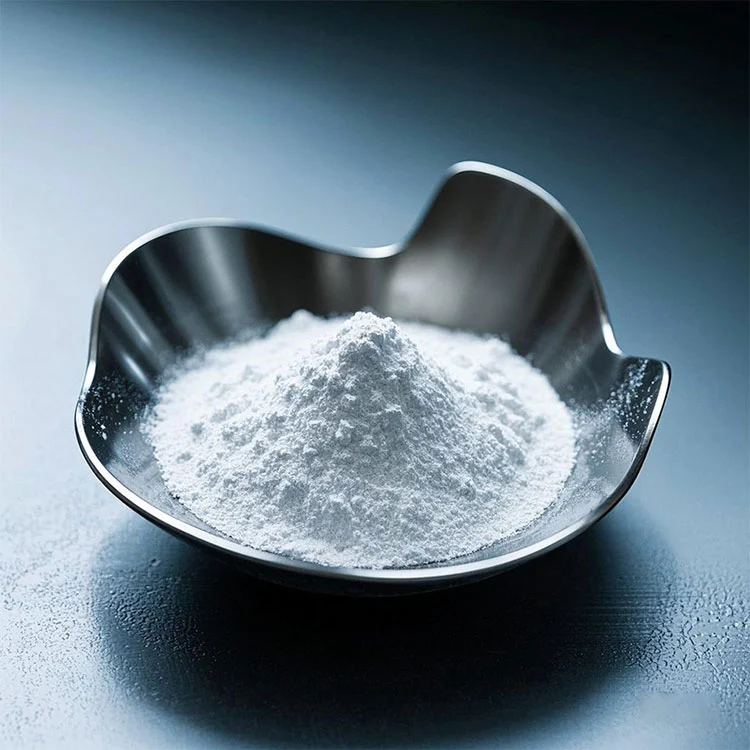
Coating and Powder Grade PVDF is used in coating formulations where weathering resistance, chemical stability and coating durability are required. Nianjing can source suitable grades according to manufacturer, grade, resin form, coating process, application and required quantity.

PVDF is a semi-crystalline fluoropolymer based on vinylidene fluoride. Compared with grades developed for injection molding or extrusion, coating grades are selected according to their solubility, dispersion behavior, molecular characteristics and film-forming requirements.
PVDF coating resins are used on metal substrates such as aluminum and steel when the coating needs to withstand outdoor exposure, moisture, chemicals or industrial environments. The final coating performance depends on more than the resin itself. Formulation, pigments, substrate preparation, film thickness and curing conditions all affect the finished surface.
For architectural coatings, Arkema's Kynar 500® FSF® is used as a base resin in coating systems formulated by licensed manufacturers. The resin should therefore be evaluated as one component of the complete coating system rather than as a finished coating.
PVDF coating materials can be broadly divided according to their processing route.
Liquid and dispersion coating grades are used to prepare liquid coating systems through suitable solvents, dispersion media or other formulation components. Depending on the resin structure, the material may be dissolved or dispersed before application.
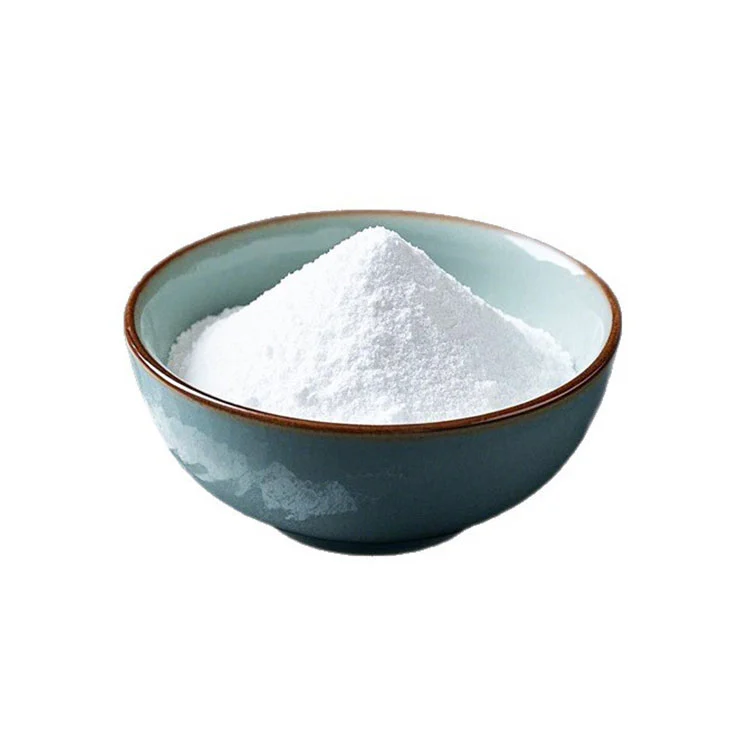
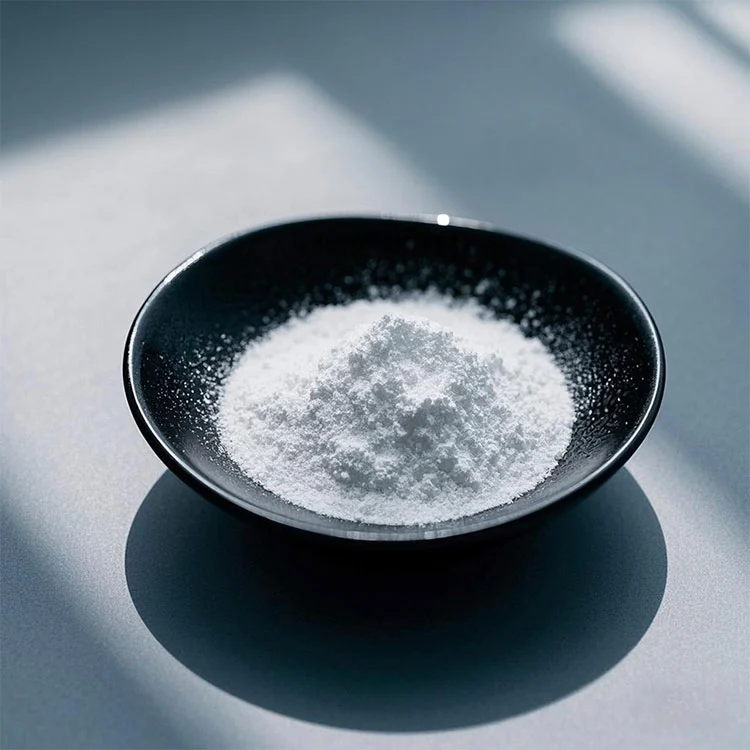
Powder grades are supplied for powder-based coating or dispersion applications. Particle size, molecular characteristics and melt behavior affect powder handling, dispersion and film formation.
Some PVDF materials are also supplied as water-based latexes for specific coating processes. These materials should not be treated as interchangeable with conventional molding or extrusion grades.
For sourcing, the coating method should therefore be identified before selecting a resin.
PVDF coating resin is generally selected for a combination of properties rather than one isolated parameter.
Weathering resistance is important for outdoor metal coatings exposed to sunlight and changing weather conditions. The actual durability depends on the complete coating formulation, pigment system, substrate and application quality.
Chemical resistance makes PVDF suitable for selected industrial environments involving acids, bases, salts, hydrocarbons and other chemicals. Compatibility should always be checked against the actual chemical, concentration, temperature and exposure period.
Film formation and adhesion depend on resin molecular characteristics and the coating formulation. For industrial applications, adhesion, flexibility, impact resistance and chemical exposure should be evaluated on the actual substrate.
Thermal behavior also varies by grade. Liquid, dispersion and powder coating systems can require different processing conditions, so the manufacturer's current processing instructions should be followed.
The following information is useful when comparing PVDF coating grades:
| Parameter | Relevance to Grade Selection |
| Polymer type | Affects crystallinity, flexibility and processing behavior |
| Molecular weight / viscosity | Influences solution behavior and film formation |
| MFR / MFI | Useful for comparing flow behavior when test methods are consistent |
| Particle size | Important for powder handling and dispersion |
| Particle-size distribution | Can influence powder flow and coating uniformity |
| Solubility / dispersion behavior | Determines compatibility with the intended formulation |
| Melting behavior | Relevant to powder processing and thermal film formation |
| Resin form | Distinguishes liquid, dispersion, latex and powder applications |
| Chemical resistance | Should match the actual service environment |
| Weathering data | Relevant to outdoor applications |
| Coating test data | Used to evaluate adhesion, color retention, gloss, impact or other project requirements |
MFR, viscosity, particle size and other numerical values should be compared using the same test method and the current manufacturer's TDS.
PVDF resin-based coatings are widely used on aluminum panels, aluminum profiles, roofing components and other exposed architectural metal surfaces. Kynar 500® FSF® is one example of a PVDF resin used in architectural coating systems designed around requirements such as AAMA 2605.
The performance requirement applies to the coating system, including the resin, formulation, pigment, substrate and application process.
Selected PVDF coating systems are used on metal equipment, structures and components exposed to moisture, chemicals and outdoor conditions. The appropriate grade depends on the chemical environment and coating process.
PVDF-based coating systems can also be used for selected pipeline and equipment protection applications where chemical resistance and environmental durability are required. The coating structure and processing method should be confirmed for the specific substrate and service conditions.
PVDF coatings may also be used on transportation, communication and other outdoor metal components where resistance to weathering and surface degradation is required.
Arkema -- Kynar®
Kynar 500® FSF® is a high-molecular-weight PVDF homopolymer used as the base resin for architectural coating systems. Arkema specifies its use in factory-applied, oven-baked coating systems for aluminum and coated steel.
Syensqo -- Hylar® and Solef®
Syensqo offers PVDF materials for different processing routes. Its product portfolio includes materials for coating applications, including fine PVDF powders for dispersion coating and water-based PVDF latex grades.
Other manufacturers
Regional PVDF manufacturers also supply coating and powder grades for different formulation and application requirements. When a specific replacement is required, the grade should be compared using the manufacturer's current TDS rather than the PVDF material name alone.
For procurement, the following information provides a practical basis for grade matching:
Manufacturer or preferred brand → Grade → Resin form → Coating process → Substrate → MFR / viscosity → Particle size if applicable → Required coating properties → Service environment → Quantity
For a powder coating project, particle characteristics, powder flow, curing conditions and substrate requirements are important.
For a liquid coating formulation, viscosity, molecular weight, solubility and compatibility with the selected formulation system may be more relevant.
If replacing an existing material, the original grade, TDS, coating process and application conditions are more useful than simply specifying "PVDF coating resin."
AAMA 2605 is a performance specification for high-performance organic coatings used on architectural aluminum and related metal substrates. It should not be described as a certification of the raw PVDF resin itself.
For example, Kynar 500® FSF® is used as a base resin in coating systems formulated by licensed manufacturers. The finished coating must meet the applicable requirements through its complete formulation and application process.
Depending on the project, relevant coating data may include adhesion, dry-film thickness, gloss retention, color change, chalking, impact resistance and resistance to environmental exposure.
Processing depends on the resin form and coating system.
For liquid or dispersion coatings, solvent or dispersion medium, resin concentration, mixing conditions and baking conditions affect film formation.
For powder applications, particle size distribution, powder flow, application method, substrate preparation, coating thickness and oven conditions are important.
A fixed curing temperature should not be applied to every PVDF powder grade. The required metal temperature, heating time and curing window should be taken from the specific product's processing guide.
For grade evaluation, the most useful documents are usually:
For replacement sourcing, an existing TDS or specification allows Nianjing to compare technically relevant grades more accurately.
PVDF coating resin is selected mainly for its combination of weathering resistance, chemical stability and coating durability. The final performance depends on the complete coating system.
Liquid grades are formulated using suitable solvents or dispersion systems, while powder grades are developed for powder handling, dispersion or powder coating processes. They should be selected according to the intended application process.
The main parameters include polymer type, molecular weight or viscosity, MFR/MFI, particle size where applicable, solubility or dispersion behavior, resin form and application-specific coating data.
Nianjing can source PVDF according to manufacturer, grade, resin form, coating process, application and quantity. For replacement requirements, an existing TDS or product specification can be used to identify technically comparable materials.
Nianjing supports Coating and Powder Grade PVDF sourcing for architectural and industrial coating applications. Provide the required grade, manufacturer, coating process, substrate, key specifications and quantity, and Nianjing can evaluate suitable material options based on current technical documentation.
Address
China Plastics City, Yuyao City, Ningbo City, Zhejiang Province, China
Tel
Looking for a specific plastic material, brand, grade or quantity? Send your requirements to Nianjing for sourcing and availability confirmation.
Please include the material name, manufacturer or brand, grade, quantity, application and delivery requirements when available. If you are unsure about the grade, simply describe your application and requirements.
Nianjing will review your inquiry and check suitable sourcing options based on your requirements.