Article Summary: This blog explores PTFE Emulsion, a versatile fluoropolymer dispersion used in coatings, textiles, and industrial applications. It explains what PTFE Emulsion is, why it matters, how to use it, which grades to choose, and when to consider it for your projects. The content includes practical tables, lists, and FAQs, with insights from Nianjing, a reliable supplier of specialty resins and emulsions.
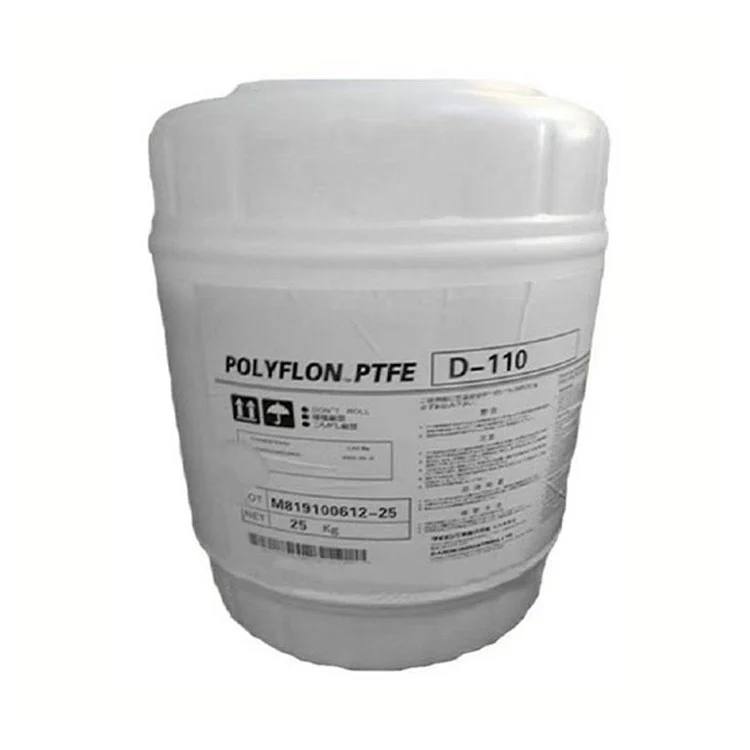
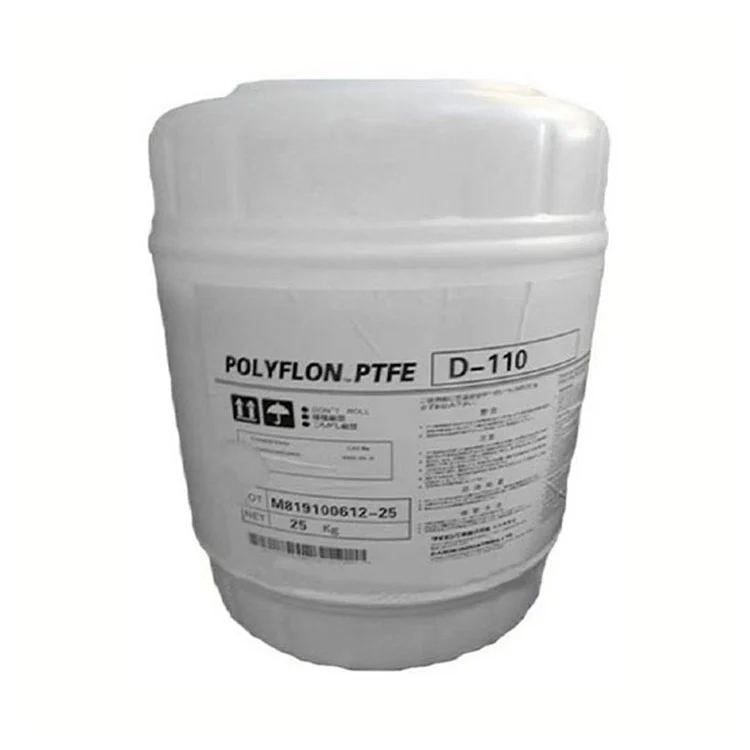
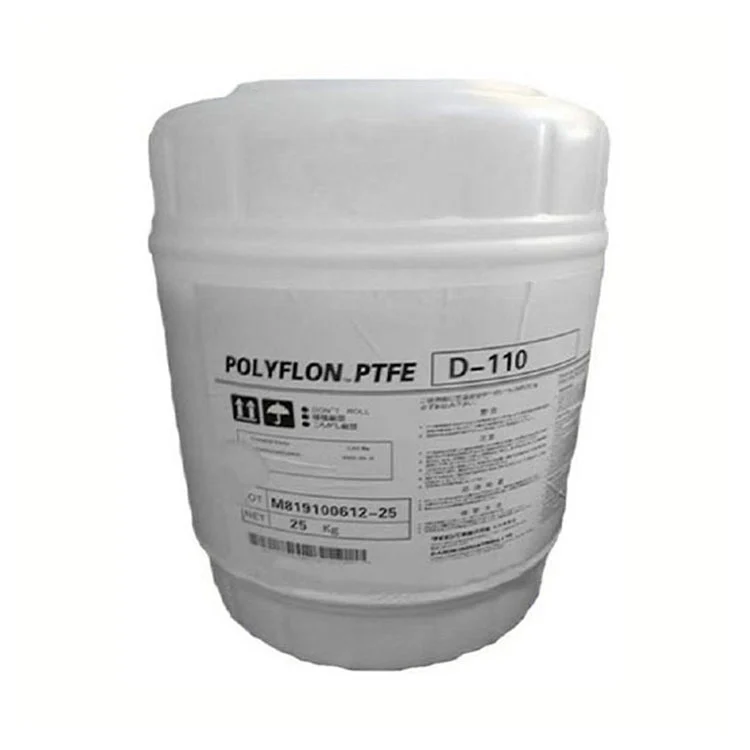
PTFE Emulsion is a stable aqueous dispersion of polytetrafluoroethylene (PTFE) particles, typically stabilized with non-ionic surfactants. It is widely used because it combines the exceptional properties of PTFE—chemical inertness, high thermal stability, low friction, and non-stick characteristics—with the ease of water-based processing. Unlike PTFE powders, the emulsion can be easily coated, impregnated, or sprayed onto substrates, making it ideal for applications ranging from non-stick cookware coatings to industrial release agents and high-performance textiles. As a trusted supplier in the industry, Nianjing offers high-quality PTFE Emulsion tailored to diverse manufacturing needs, ensuring consistent performance and reliable supply.
Choosing PTFE Emulsion brings multiple advantages that can elevate product performance and simplify processing:
These benefits make PTFE Emulsion a preferred choice for manufacturers aiming to balance performance, safety, and sustainability.
Proper handling and application are key to maximizing the benefits of PTFE Emulsion. Follow these steps for best results:
Selecting the correct grade depends on your specific application requirements. Key factors include particle size, surfactant type, solids content, and viscosity. Here is a comparison of typical grades:
| Grade Type | Solids Content | Particle Size | Typical Applications |
|---|---|---|---|
| Standard Coating Grade | 50–60% | 0.2–0.3 μm | Non-stick cookware, industrial bakeware, general coatings |
| High-Solids Grade | 60–70% | 0.2–0.4 μm | Thick film coatings, impregnation of fabrics and fibers |
| Fine Particle Grade | 40–50% | 0.1–0.2 μm | Textile finishes, release agents, thin coatings |
| Low-Surfactant Grade | 50–60% | 0.2–0.3 μm | Applications requiring minimal surfactant interference (e.g., electronics) |
| Custom Formulations | Variable | Custom | Specific industrial needs, co-formulations with other resins |
When in doubt, consult with a technical expert or your supplier—like Nianjing—to match the grade to your performance and processing needs.
PTFE Emulsion is particularly advantageous in the following scenarios:
However, for applications requiring melt-processability, other fluoropolymers like PFA or FEP may be more suitable. Always evaluate your specific requirements.
To help you make an informed decision, here is a comparison of PTFE Emulsion with other common fluoropolymer dispersions:
| Property | PTFE Emulsion | PFA Dispersion | FEP Dispersion | PVDF Dispersion |
|---|---|---|---|---|
| Continuous Service Temperature | 260°C | 260°C | 200°C | 150°C |
| Chemical Resistance | Excellent | Excellent | Excellent | Good |
| Non-Stick Properties | Excellent | Excellent | Very Good | Good |
| Melt Processability | No | Yes | Yes | Yes |
| Typical Applications | Coatings, textiles, release agents | High-purity coatings, chemical processing | Wire insulation, coatings | Architectural coatings, membranes |
Q1: Is PTFE Emulsion safe to handle?
A1: PTFE Emulsion is generally safe when used according to safety guidelines. Avoid inhalation of spray mist, and wear appropriate personal protective equipment. The dispersion is not flammable, but dried film can degrade at very high temperatures, releasing toxic fumes.
Q2: Can PTFE Emulsion be diluted with water?
A2: Yes, it can be diluted with deionized water to adjust viscosity or solids content. However, excessive dilution may affect film formation and adhesion. Always add water slowly with gentle mixing.
Q3: What is the shelf life of PTFE Emulsion?
A3: Typically 12 months from the date of manufacture when stored properly in sealed containers at recommended temperatures. Freezing should be avoided as it can irreversibly coagulate the dispersion.
Q4: Can PTFE Emulsion be mixed with other waterborne resins?
A4: Yes, it can be blended with many waterborne resins to improve properties like slip, release, or heat resistance. However, compatibility testing is essential before full-scale production. Consult your supplier for guidance.
Q5: What is the difference between PTFE Emulsion and PTFE dispersion?
A5: The terms are often used interchangeably. "Emulsion" typically refers to a dispersion of PTFE particles in water stabilized by surfactants. Some suppliers use "dispersion" to emphasize the fine particle nature. Always check the technical data sheet for specific properties.
Q6: How should I dispose of PTFE Emulsion waste?
A6: Dispose of according to local regulations. Coagulated or waste emulsion should be treated as industrial waste. Do not discharge into waterways. Incineration should be done in approved facilities with proper emission controls.
For more detailed technical information, custom formulations, or to request a sample, please contact us today. Our team at Nianjing is ready to assist you with expert advice and reliable supply of PTFE Emulsion to meet your specific needs. Let's work together to enhance your products with the power of PTFE.