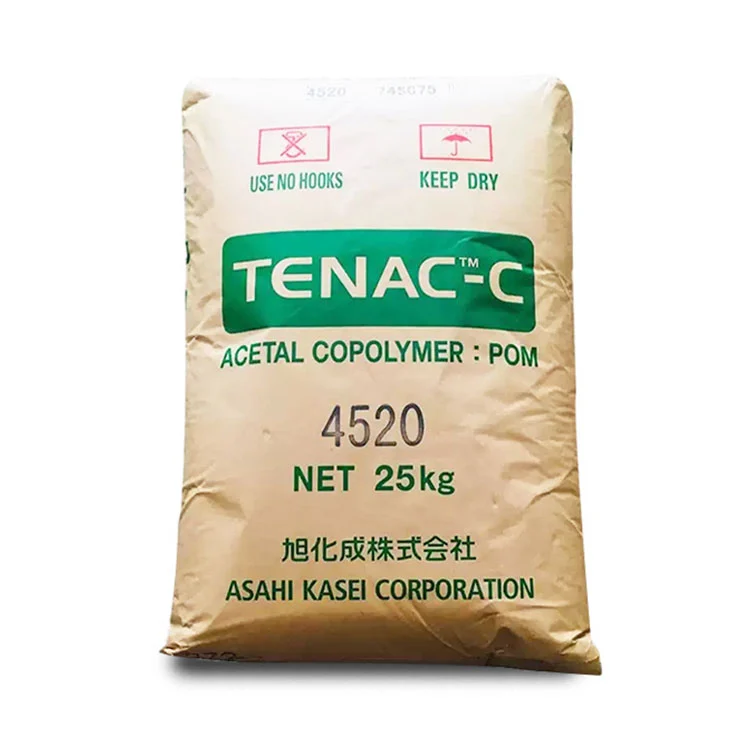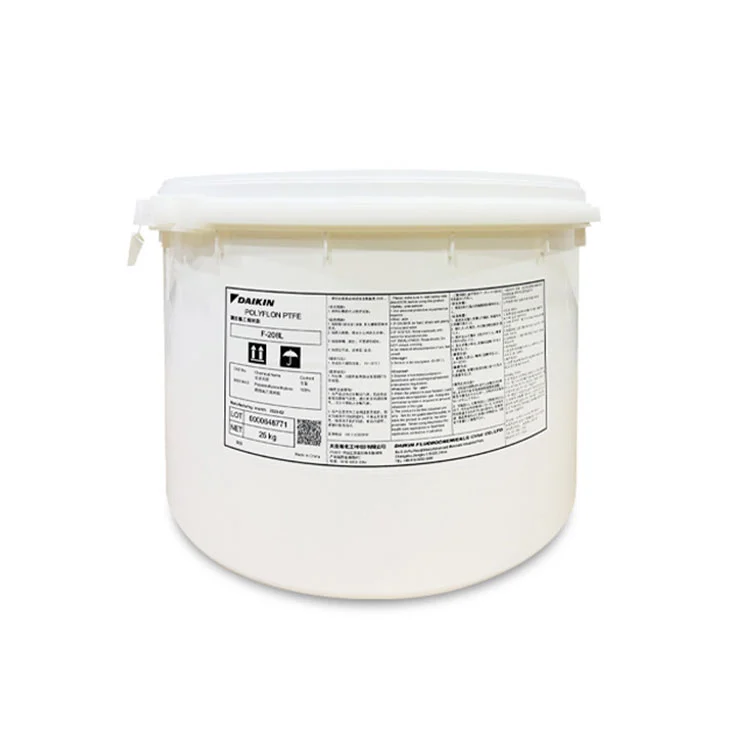
POM-H Resin, also known as homopolymer acetal or homopolymer POM, is a crystalline engineering thermoplastic used where high strength, stiffness, wear resistance, and dimensional stability are required. Compared with POM-C, POM-H generally provides higher mechanical strength and rigidity, while POM-C generally offers better thermal stability, chemical resistance, and hot-water resistance. Material selection should be based on the part design, operating conditions, and processing requirements.
Nianjing supplies and sources POM-H grades for injection molding and machining applications. Based in Yuyao, Zhejiang, China, Nianjing has been engaged in plastic raw material trading and sourcing since 2008. The company works with retailers, agents, and end-product manufacturers and handles commodity, engineering, and specialty plastic materials according to grade, application, quantity, and destination.

POM-H is one of the two main types of polyoxymethylene (POM), with POM-C being the other. Its relatively regular molecular structure contributes to good mechanical strength, stiffness, fatigue resistance, and creep resistance.
POM-H is commonly supplied as natural or colored pellets for injection molding. It also provides low-friction behavior and good wear resistance, making it suitable for gears, bearings, bushings, guides, and other moving components.
Typical reference properties include:
| Property | General Reference |
| Density | About 1.42–1.43 g/cm³ |
| Melting Point | About 175–181°C |
| Tensile Strength | About 60–70 MPa |
| Flexural Modulus | About 2700–3000 MPa |
| Friction Behavior | Low friction and good wear resistance |
These values are general references rather than universal specifications. Actual properties vary by grade, formulation, test method, and manufacturer. The current producer TDS should be used for material qualification.
POM-H generally provides higher tensile strength and stiffness than comparable POM-C grades. These properties are useful for components that need to maintain their shape under mechanical loads.
The material has good resistance to creep and repeated mechanical loading. This makes it a candidate for gears, bearings, bushings, guides, and other components exposed to continuous or cyclic loads.
POM-H provides good sliding properties and relatively low friction. Depending on the grade, mating material, load, and operating speed, it can be used for moving components where wear performance is important.
Special grades may contain lubricating additives such as PTFE to modify friction and wear behavior.
The crystalline structure provides good stiffness and dimensional stability after molding. However, POM also has relatively high molding shrinkage, so shrinkage, flow direction, cooling conditions, and part geometry should be considered during mold development.
POM-H and POM-C are both acetal materials, but differences in molecular structure result in different performance characteristics.
| Property | POM-H | POM-C |
| Polymer Type | Homopolymer acetal | Copolymer acetal |
| Strength and Rigidity | Generally higher | Generally lower than comparable POM-H grades |
| Creep Resistance | Generally good | Good |
| Thermal Stability | More sensitive to excessive processing temperature | Generally better |
| Hot Water Resistance | More limited | Generally better |
| Chemical Resistance | Good, depending on grade and environment | Generally broader resistance |
| Processing Window | More sensitive to processing conditions | Generally more forgiving |
| Typical Use | High-load mechanical and precision parts | General engineering and chemically demanding parts |
The comparison should be made between specific grades rather than between material families alone. Filler content, lubrication, impact modification, processing conditions, and manufacturer formulation can all affect the final properties.
Selected applications include fuel-system components, seat-belt guide components, door-system parts, gears, bushings, and other non-metallic mechanical components. The exact grade should be checked for compatibility with fuel, lubricants, temperature, and service conditions.
POM-H can be considered for gears, rollers, bearings, bushings, slides, and other transmission components where stiffness, fatigue resistance, wear performance, and low-friction behavior are required.
Applications can include guides, sliders, fasteners, valves, pump components, and other precision parts where dimensional stability and mechanical performance are important.
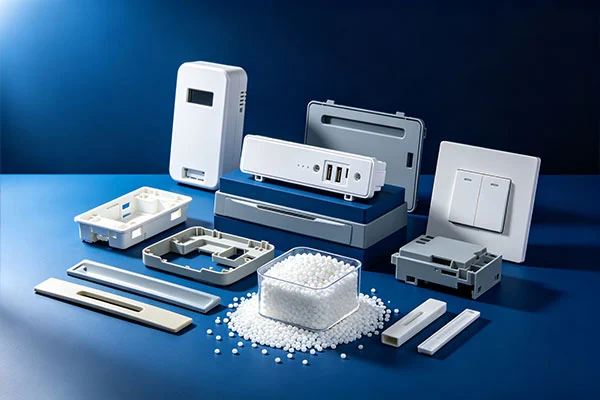
Selected grades can be used for switches, housings, clips, handles, rollers, zippers, and other molded components. Electrical applications may require additional requirements such as flame resistance, insulation performance, or regulatory compliance.
Homopolymer acetal is also available in semi-finished forms such as sheets, rods, and plates. These materials can be machined into bushings, gears, guides, wear strips, and other custom mechanical components.
Representative homopolymer acetal products include the following grades and product series. Selection should consider mechanical requirements, processing method, lubrication, color, and application.
| Brand / Producer | Representative Grade or Series | Typical Direction |
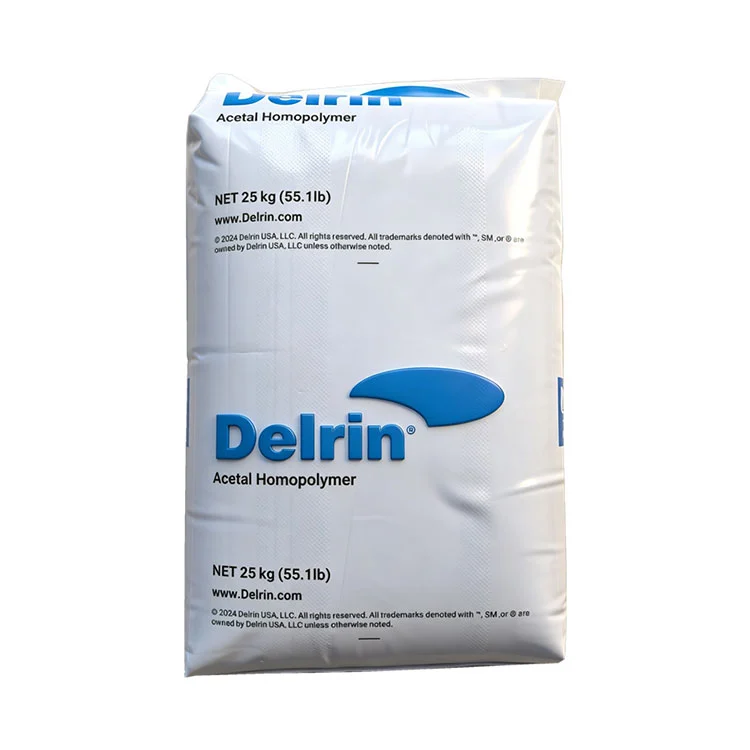
| Delrin® | 100 / 100P Series | High-strength injection molding applications |
| Delrin® | 500P | General-purpose injection molding |
| Delrin® | 525GR | Glass-fiber reinforced applications |
| TECAFORM® AD | Natural | Machined and semi-finished components |
| TECAFORM® AD AF | PTFE-modified | Applications requiring modified sliding properties |
| TECAFORM® AD EF | Bio-based / mass-balance option | Selected applications requiring an alternative feedstock approach |
The listed products are representative examples rather than a complete market list. Current grade names, technical specifications, product ownership, and availability should be confirmed against current producer information.
POM-H requires controlled processing because excessive temperature or prolonged residence time can cause thermal degradation and formaldehyde release.
General processing references include:
| Processing Factor | General Reference |
| Melt Temperature | Commonly around 190–220°C |
| Mold Temperature | Commonly around 80–100°C |
| Barrel Setting | Grade and machine dependent |
| Drying | Follow the producer's recommended conditions |
| Residence Time | Keep as short as practical |
| Processing Temperature | Avoid excessive temperatures |
The actual processing window varies between grades and equipment. The manufacturer's processing guide should take priority over general reference values.
POM-H should not be exposed to unnecessarily high melt temperatures. Excessive temperature can accelerate degradation and may result in discoloration, gas generation, surface defects, or changes in mechanical properties.
Adequate ventilation and appropriate molding conditions are important when processing acetal materials.
POM has relatively low moisture absorption compared with many engineering plastics, but moisture, contamination, and improper material handling can still affect molding quality.
Silver streaks, bubbles, discoloration, or other defects should be investigated by checking material condition, processing temperature, residence time, mold venting, and machine cleanliness rather than assuming a single cause.
POM is a crystalline material and therefore shows noticeable molding shrinkage. Part dimensions can also be affected by flow direction, cooling conditions, wall thickness, gate design, and processing parameters.
For precision components, the selected grade's shrinkage data should be reviewed during mold design.
The appropriate grade should be selected according to the actual operating conditions rather than tensile strength alone.
| Requirement | Factors to Check |
| High mechanical load | Tensile strength, flexural modulus, creep |
| Moving parts | Friction, wear, mating material |
| Repeated loading | Fatigue performance |
| Precision molding | Shrinkage, dimensional stability, flow |
| Higher temperature | Continuous-use temperature and thermal data |
| Chemical exposure | Compatibility with the actual medium |
| Injection molding | Melt flow, processing window, mold design |
| Machining | Semi-finished form, hardness, dimensional stability |
| Low-friction applications | Lubrication system and wear data |
When comparing grades, use the same test method and specimen conditions wherever possible. For gears, bearings, bushings, and other moving parts, friction and wear data should also be considered under the actual load, speed, temperature, and mating-material conditions.
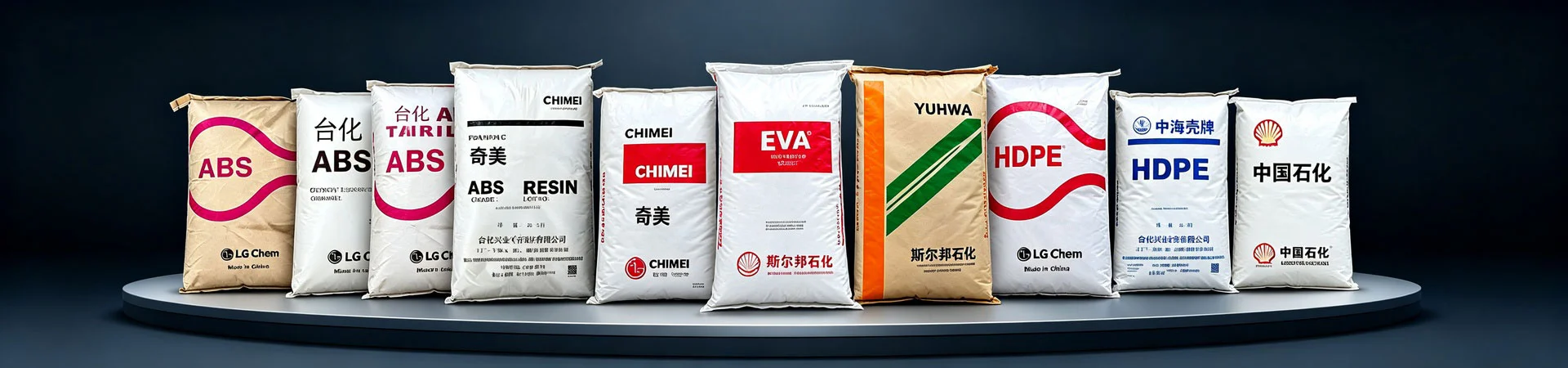
Nianjing is a plastic raw material trading and sourcing company based in Yuyao, Zhejiang, China. Founded in 2008, the company operates within China Plastics City and works with retailers, agents, and end-product manufacturers.
Its sourcing scope covers commodity, engineering, and specialty plastics, including POM, PA, PBT, PC, ABS, PP, PE, TPU, PPS, PVDF, PFA, and related materials. This broader material range can be useful when a POM-H requirement needs to be compared with POM-C or another engineering resin based on mechanical, thermal, chemical, or processing requirements.
For POM-H sourcing, buyers can provide the target producer and grade, required properties, processing method, application, quantity, and destination.
| Procurement Information | Example |
| Material | POM-H / Homopolymer POM |
| Target Grade | Delrin® 100P, 500P, or equivalent |
| Producer | Preferred manufacturer or open to alternatives |
| Processing | Injection molding or machining |
| Required Properties | Strength, stiffness, wear, friction, creep |
| Application | Gear, bearing, bushing, guide, automotive part |
| Color | Natural, black, or specified color |
| Quantity | Trial or production quantity |
| Destination | Delivery country or market |
| Documentation | TDS, COA, compliance documents where available |
Nianjing can review the requested grade or performance requirements and coordinate sourcing according to the specified quantity and destination. TDS and other technical documents can be requested where available, while batch COA documentation can be checked against the actual supplied grade when applicable.
For POM-H procurement, price should not be the only comparison point. Different grades can have different melt flow, reinforcement, lubrication systems, color, mechanical properties, and processing requirements even when they belong to the same material family.
Before placing a production order, buyers should confirm:
This information helps reduce the risk of substituting a technically different grade simply because it has the same POM-H classification.
POM-H is a homopolymer acetal and generally offers higher strength and stiffness, while POM-C generally provides better thermal stability, chemical resistance, and hot-water resistance. The best choice depends on the actual application conditions.
Typical applications include gears, bearings, bushings, guides, rollers, fuel-system components, door-system parts, precision mechanical components, and other wear or load-bearing parts.
Yes. Many POM-H grades are designed for injection molding. Processing conditions should follow the manufacturer's recommendations because excessive temperature and residence time can cause material degradation.
POM-H generally provides good wear resistance and low-friction behavior. For demanding sliding applications, performance should be evaluated using the specific grade and actual operating conditions.
Yes. Homopolymer acetal is available in semi-finished sheets, rods, and plates for machining. Grade selection should consider dimensional stability, hardness, friction, and the intended machining application.
A useful inquiry should include the target grade or required properties, processing method, application, color, quantity, destination, and any required TDS, COA, or compliance documentation.
POM-C Resin · PA66 Resin · PBT Resin · PC Resin · ABS Resin
Address
China Plastics City, Yuyao City, Ningbo City, Zhejiang Province, China
Tel
Looking for a specific plastic material, brand, grade or quantity? Send your requirements to Nianjing for sourcing and availability confirmation.
Please include the material name, manufacturer or brand, grade, quantity, application and delivery requirements when available. If you are unsure about the grade, simply describe your application and requirements.
Nianjing will review your inquiry and check suitable sourcing options based on your requirements.