Polyether TPU is commonly considered when a component needs a combination of flexibility, abrasion resistance and resistance to moisture or hydrolysis. Compared with polyester-based TPU, it is often used for products exposed to water, humidity, repeated flexing or lower temperatures. Nianjing can source grades according to manufacturer, hardness, processing method, application and required quantity.

The main reason to consider a polyether grade is usually the service environment. Water exposure, high humidity, repeated flexing and low-temperature operation can make hydrolysis resistance and flexibility more important than hardness or tensile strength alone.
| Property | Typical Consideration |
| Hydrolysis Resistance | Generally favorable for prolonged moisture and water exposure |
| Low-Temperature Flexibility | Selected grades can retain flexibility at lower temperatures |
| Abrasion Resistance | Relevant to wear-prone and dynamic components |
| Flexibility & Elastic Recovery | Important for repeated bending and deformation |
| Tear Strength | Relevant to flexible components under mechanical stress |
| Chemical Resistance | Depends on formulation and the chemicals involved |
| Processing | Selected grades are available for injection molding, extrusion and other thermoplastic processes |
The actual balance of mechanical properties, temperature performance and chemical resistance varies by grade, so the manufacturer's current technical data should be reviewed before production.
Material selection is closely related to the environment in which the finished component will operate. For polyether-based grades, moisture exposure, temperature and repeated mechanical movement are often important considerations.
Hydrolysis resistance is one of the main reasons to consider polyether-based grades. Compared with polyester-based polyurethane structures, the polyether soft segment generally provides better resistance to hydrolytic degradation.
This can be useful for products exposed to water, high humidity or repeated wet-dry cycles, including hoses, tubing, seals, cable-related components and other flexible products. Temperature, exposure time, mechanical stress and surrounding chemicals can still affect long-term performance.
Selected grades can maintain flexibility at lower temperatures, which can be useful when a finished component needs to bend, deform or recover without becoming excessively stiff. Potential applications include outdoor equipment, flexible tubing, cable components, cold-environment seals and sporting products.
There is no single minimum service temperature for all grades. Glass transition temperature, brittleness temperature and continuous-use requirements should be checked for the specific material.
Some formulations may provide resistance to microbial or fungal growth, which can be relevant to products used in humid environments. This property is formulation-specific and should be confirmed through the manufacturer's test data when it forms part of the material specification.
For components exposed to friction, bending or repeated deformation, abrasion resistance, tear strength, elastic recovery and fatigue behavior can be more important than hardness alone. These factors are relevant to belts, rollers, protective parts, flexible mechanical components and other products subject to repeated movement.
Polyether and polyester TPU can both provide strong mechanical performance, but their different polymer structures can make them more suitable for different service conditions.
| Selection Factor | Polyether-Based Grades | Polyester-Based Grades |
| Hydrolysis Resistance | Generally favorable | Requires more consideration in prolonged wet conditions |
| Moisture Exposure | Often considered for demanding wet environments | Grade dependent |
| Low-Temperature Flexibility | Often favorable in selected grades | Grade dependent |
| Abrasion Resistance | Generally good | Generally good |
| Mechanical Strength | Strong, depending on grade | Strong, depending on grade |
| Oil Resistance | Grade dependent | Often considered favorable in selected grades |
| Dynamic Applications | Suitable for many flexible and repeatedly loaded parts | Also widely used depending on grade |
| Typical Selection Focus | Hydrolysis, moisture, flexibility and low-temperature performance | Mechanical strength, wear and oil resistance |
Neither chemistry is universally better. Polyether grades are generally worth considering when hydrolysis, moisture or low-temperature flexibility is important. Polyester grades may be more suitable when the application places greater emphasis on mechanical strength, wear or oil resistance. The final choice should reflect the actual operating conditions and the technical data of the proposed material.
Hoses, tubing, water-related flexible parts and other components exposed to moisture can be evaluated using grades with suitable hydrolysis resistance and flexibility. Pressure, temperature, chemical exposure and expected service life should be considered together with hardness when selecting the material.
Cable jackets, robotics-related cable components, flexible connections, belts, rollers and protective parts may experience repeated bending or friction during operation. A suitable grade should provide an appropriate balance of flexibility, tear strength, abrasion resistance and fatigue performance.
Outdoor equipment, sports products, flexible accessories and selected industrial components may require flexibility over a wider temperature range together with resistance to moisture and weather exposure. The required operating temperature and environmental conditions should be defined before material selection.
Depending on the formulation and processing method, TPU can be used for flexible automotive parts, seals, protective components, tubing and other industrial products. Where the component is exposed to oils, chemicals, heat or continuous mechanical stress, these conditions should be included in the material specification.
Some manufacturers provide specially formulated grades for medical or food-contact applications. The exact material must be supported by the required regulatory and performance documentation. FDA, USP Class VI, ISO 10993 and other compliance claims should therefore be verified against the specific grade rather than assumed from the manufacturer or product family.
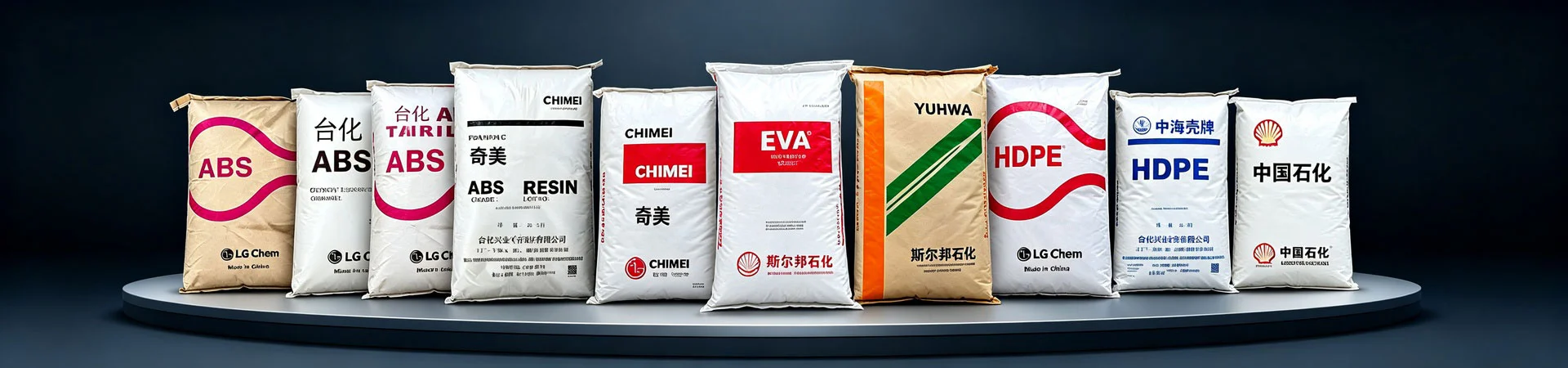
Representative TPU manufacturers include Lubrizol, Covestro, BASF, Wanhua Chemical and Huafon. Their TPU portfolios cover different chemistries, hardness levels, processing methods and application requirements, so the availability of a polyether formulation should be confirmed for the specific product reference.
For sourcing, the exact grade, polymer chemistry, hardness, processing method and compliance requirements should be checked against the manufacturer's current TDS and related documentation.
A practical material specification normally starts with the finished product rather than the resin itself. Hardness is one of the first parameters to define, followed by the mechanical properties required during use. Depending on the application, tensile strength, elongation, tear strength, abrasion resistance, compression set, elastic recovery and fatigue behavior may all be relevant.
The service environment should then be defined. Water, high humidity, outdoor exposure, low temperatures, repeated flexing and chemical contact can all influence the material choice. This information is more useful for sourcing than specifying only a general TPU category or hardness.
Processing is another important factor. Injection molding, extrusion, film extrusion, blow molding and profile extrusion can require different material characteristics. Melt flow or melt mass-flow rate may help compare processing behavior, but values from different manufacturers should only be compared when the test temperature, load and method are equivalent.
If a manufacturer or grade is already specified, Nianjing can work from that reference and check the corresponding supply requirements. If the grade is unknown, the application, hardness, processing method, operating environment and performance requirements can be used to identify suitable options.
Quantity and delivery requirements should also be included when the material is being sourced commercially, particularly when the required grade is not a standard stock item.
TPU is processed using conventional thermoplastic methods, with injection molding and extrusion being common routes. Depending on the grade, materials may also be available for film, profile or other specialized processes.
Moisture control is important before processing because excessive moisture can affect the material during melting and may influence the appearance and physical properties of the finished part. Drying temperature, drying time and allowable moisture content vary between formulations and should be taken from the manufacturer's processing recommendations.
For production trials, processing temperature, residence time, mold or die conditions, screw speed and material storage should also be reviewed before full-scale production.
For material sourcing and production approval, relevant documents may include the TDS, SDS, processing recommendations, mechanical and physical property data, hydrolysis or aging test results and applicable compliance documents.
For regulated applications, the required standard should be identified before sourcing. Food-contact, medical, flame-retardant, RoHS, REACH and antimicrobial requirements can be grade-specific, so the relevant declaration or test report should correspond to the material being supplied.
For a production-oriented inquiry, Nianjing can review the requirement based on the finished product and its working conditions rather than matching only a generic material name.
A useful specification can include the manufacturer or preferred brand, grade, hardness, processing method, application, operating environment, key performance requirements, quantity and delivery requirement.
For example:
Polyether-based TPU, Shore 90A, injection molding, flexible sealing component, high-humidity environment, initial quantity 500 kg.
If the exact grade is not known, the application and processing conditions can be provided instead. Nianjing can then check suitable manufacturers, grades and supply options according to the stated requirements.
The main difference is the soft-segment chemistry. Polyether-based grades generally provide better hydrolysis resistance and are often considered for humid, water-exposed or lower-temperature applications, while polyester-based grades may be selected where mechanical strength, wear or oil resistance is more important. Actual performance depends on the individual grade.
Suitable grades can be considered for prolonged exposure to water or high humidity because polyether-based TPU generally has good resistance to hydrolytic degradation. Service temperature, exposure time, mechanical stress and water chemistry should still be evaluated before final selection.
Some grades maintain good flexibility at relatively low temperatures. The actual operating limit depends on the formulation, so the manufacturer's low-temperature data should be checked rather than applying a general temperature value to all grades.
Depending on the grade, TPU can be processed by injection molding, extrusion, film extrusion, blow molding and other thermoplastic methods. The recommended process and drying conditions should be confirmed from the manufacturer's technical documentation.
The most useful information includes hardness, processing method, application, operating environment, required mechanical properties, preferred manufacturer or grade, quantity and delivery requirements. If the grade is unknown, a description of the finished product and its working conditions is usually enough to begin the material search.
Yes. If a manufacturer, grade or material reference is already known, Nianjing can check the corresponding sourcing and supply requirements. When the exact grade is not known, the material can be evaluated based on the application and technical requirements.
If you have a target grade, hardness or application requirement, send the specification to Nianjing. We can check the corresponding manufacturer, grade and supply requirements, or help narrow down suitable options when the exact grade has not yet been selected.
Address
China Plastics City, Yuyao City, Ningbo City, Zhejiang Province, China
Tel
Looking for a specific plastic material, brand, grade or quantity? Send your requirements to Nianjing for sourcing and availability confirmation.
Please include the material name, manufacturer or brand, grade, quantity, application and delivery requirements when available. If you are unsure about the grade, simply describe your application and requirements.
Nianjing will review your inquiry and check suitable sourcing options based on your requirements.