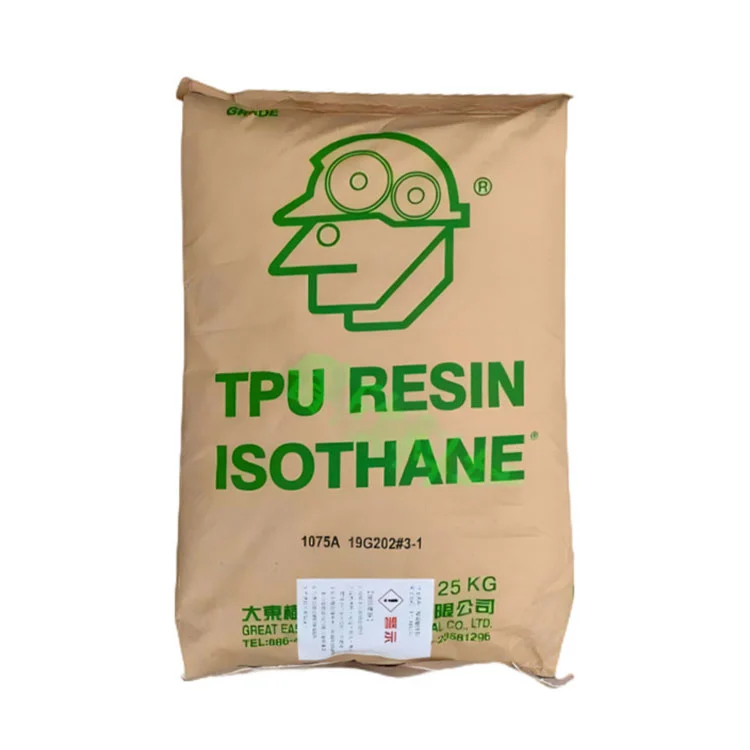
Specialty-Modified TPU is used when a standard TPU grade cannot provide the required combination of flexibility, strength, flame resistance, electrical control, weatherability, transparency or other application-specific properties.
Thermoplastic polyurethane (TPU) is a thermoplastic elastomer whose properties are influenced by its soft and hard segments, isocyanate chemistry, chain extender and formulation. Different TPU chemistries can therefore provide quite different combinations of flexibility, mechanical strength, abrasion resistance, hydrolysis resistance and temperature performance.
Modified TPU grades are developed when these standard property combinations are not sufficient for a particular application. The modification may involve additives, fillers, polymer chemistry or a combination of formulation approaches. Depending on the grade, the purpose may be to improve flame performance, stiffness, electrical properties, UV stability, transparency or suitability for a regulated application.
For material sourcing, the modification should be linked to the actual requirement of the finished part. A request such as "modified TPU" is usually not enough to identify a suitable grade. Processing method, hardness, operating environment, required performance and applicable standards are also important.
Flame-retardant TPU is considered for applications where the material must meet a specified flammability requirement. Depending on the formulation, flame-retardant systems can use different additives or polymer designs, so the resulting processing behavior and mechanical properties may vary between grades.
Typical applications include cable jackets, electrical components, connectors and selected transportation or industrial parts. UL 94 can be relevant for molded plastics, but the rating should always be checked for the actual material, specimen thickness and test configuration.
Wire and cable applications may involve additional requirements, such as flame propagation, smoke, halogen content or project-specific cable standards. A material described simply as "flame retardant" should not be assumed to meet all of these requirements.
Glass-fiber reinforcement can be used when an unfilled TPU does not provide sufficient stiffness or dimensional stability. Adding reinforcement changes the balance between rigidity, strength and elongation, so the appropriate formulation depends on the part design and mechanical requirements.
These grades can be considered for housings, brackets, protective components and other molded parts where more structural support is required while some of the processing characteristics of TPU remain useful.
The reinforcement also affects processing. Glass fiber can increase equipment wear and may influence flow, surface appearance and shrinkage. The selected manufacturer's processing recommendations should therefore be followed during molding trials.
Aliphatic TPU is often selected when resistance to yellowing and color change under light exposure is important. This makes suitable grades useful for applications where the material remains visible during service, including certain outdoor components, films, protective covers and consumer products.
Weatherability depends on more than the TPU chemistry itself. UV exposure, temperature, humidity, pigments, additives, part thickness and surface conditions can all affect long-term appearance. When color retention is important, accelerated weathering data for the actual grade is more useful than a general claim of "UV resistance."
Electrical properties can be modified when ordinary insulating TPU does not provide the required level of static control. Antistatic and conductive materials are not interchangeable: an application may require controlled static dissipation, electrostatic discharge protection or a substantially lower electrical resistance.
Depending on the target performance, different additives or conductive fillers may be used. These can also affect color, mechanical properties, surface appearance and processing.
When sourcing this type of material, the required surface resistance or volume resistance, measurement method and operating environment should be stated. The resistance requirement of the finished component is more useful than simply specifying "conductive TPU."
Transparent TPU grades are used when flexibility and impact resistance need to be combined with a clear or visually stable appearance. The material formulation, processing conditions and part design can all influence the final optical result.
For applications involving transparent films, covers or visible components, useful specifications may include light transmittance, haze, color stability, surface quality and resistance to yellowing. Moisture and processing conditions should also be controlled because they can affect the appearance of molded or extruded parts.
Some TPU grades are developed for applications with additional regulatory, biological or sustainability requirements. Medical applications may involve biocompatibility and sterilization requirements, while food-contact applications depend on the regulations applicable to the intended market and use.
Bio-based TPU may incorporate renewable feedstocks or a mass-balance approach, depending on the manufacturer's product. Bio-based content should be evaluated separately from mechanical performance and regulatory compliance.
For these applications, documentation must be checked against the exact grade. FDA, EU food-contact requirements, GB 4806, ISO 10993 or other regulatory references should not be assumed simply because a manufacturer supplies TPU for medical or food-related applications.
The base chemistry should be considered together with the modification. Polyester-, polyether- and polycarbonate-based TPU grades can have different performance profiles before additional modification is introduced.
| TPU Base Chemistry | Typical Selection Considerations |
| Polyester-based | Often considered for mechanical strength, abrasion resistance and resistance to oils or solvents |
| Polyether-based | Often considered for hydrolysis resistance, moisture exposure and low-temperature flexibility |
| Polycarbonate-based | Used in applications requiring a combination of hydrolysis resistance, heat resistance, weatherability and mechanical performance |
These are general tendencies rather than fixed rules. The actual grade, formulation and processing method determine the final performance. For this reason, a material comparison should be made using manufacturer TDS data rather than chemistry names alone.
The required modification usually comes from the conditions under which the finished part will operate.
Automotive components may require a combination of flexibility, dimensional stability, resistance to oils or chemicals, weatherability and appearance. The appropriate requirements vary considerably between a protective component, cable-related part, seal and visible trim.
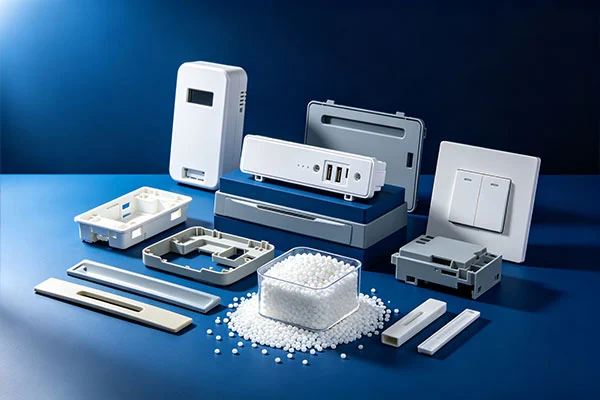
Electrical and electronic components may place greater emphasis on flame performance, static control, insulation-related properties, dimensional stability or surface appearance. The applicable electrical or fire standard should be identified before selecting a grade.
Wire and cable products generally require a balance of flexibility, abrasion resistance and environmental resistance, while some constructions also require specific flame or halogen performance. The cable standard should be identified at the beginning of the material selection process.
Outdoor and consumer products may prioritize color retention, flexibility, surface appearance and resistance to UV or weather exposure. Aliphatic or otherwise weather-stabilized grades can be considered where these properties are important.
Medical products require a more specific evaluation of the intended contact, sterilization method, mechanical requirements and regulatory documentation. Hardness alone is not sufficient for selecting a medical-use TPU grade.
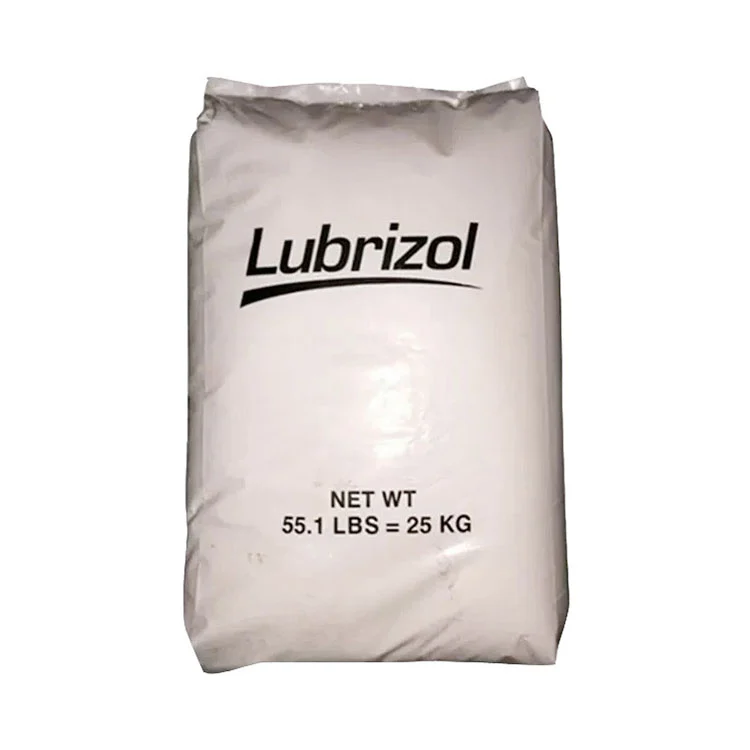
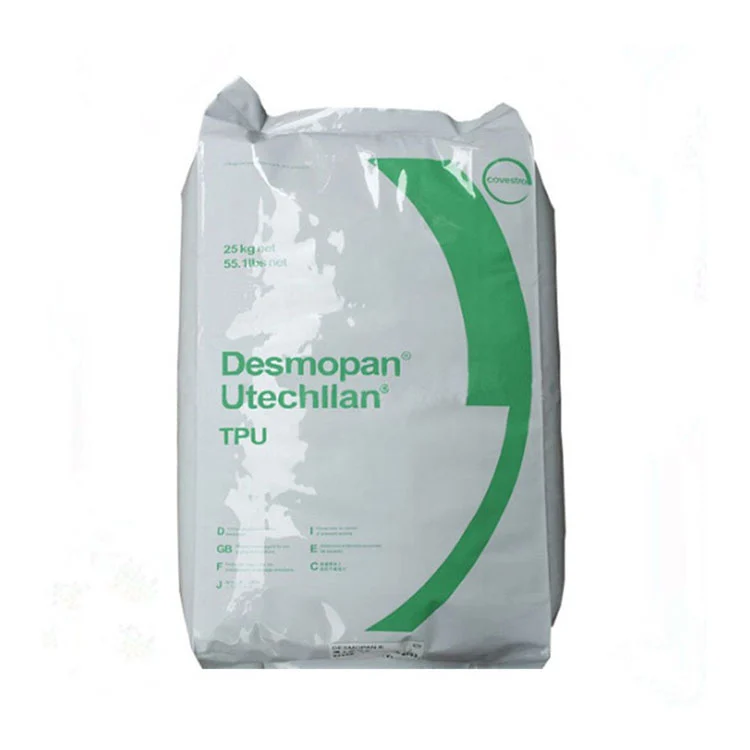
Nianjing can work with TPU products from established manufacturers, including BASF Elastollan®, Covestro Desmopan® and TEXIN®, Lubrizol ESTANE® and Tecothane™, Huntsman IROGRAN® and other regional TPU producers.
These manufacturers offer different TPU chemistries, hardness levels and specialty grades. BASF, for example, identifies both aromatic and aliphatic grades, ether- and ester-based TPU, as well as specialty products such as flame-retardant and glass-fiber-reinforced grades within its Elastollan portfolio.
A product family should not, however, be treated as a single material. The chemistry, hardness, processing method, additives and compliance status can differ between grades. Current manufacturer technical documentation should therefore be checked before a grade is selected for production.
A clear material requirement normally starts with the problem that the finished component needs to solve.
If the existing material is too soft or lacks dimensional stability, reinforcement or a higher-modulus grade may be considered. If the part fails a flammability requirement, the relevant fire standard should be identified before looking for a flame-retardant grade. If outdoor discoloration is the problem, weathering and color-retention requirements become more important. For static-control applications, the required resistance range and test method should be defined.
Processing is another key part of the specification. The supplier should know whether the material will be injection molded, extruded, film processed, blow molded or used in another thermoplastic process.
A practical sourcing request could be:
Glass-fiber-reinforced TPU, injection molding, Shore 90A, protective housing, improved rigidity and dimensional stability, initial requirement 500 kg.
Another example:
Halogen-free flame-retardant TPU, Shore 85A, extrusion, EV charging cable jacket, required flame-performance and cable compliance documentation, annual demand 5 tons.
If an existing material is being replaced, providing the manufacturer, grade number and current TDS is usually more useful than describing the material only by hardness.
The relevant parameters depend on the modification and application.
For reinforced TPU, useful data may include tensile strength, elongation, flexural modulus, dimensional stability, shrinkage, heat resistance and reinforcement content.
For flame-retardant grades, the required classification, specimen thickness and applicable cable or product standard should be checked together. A fire rating without its test conditions does not provide enough information for material selection.
For antistatic or conductive grades, surface resistance, volume resistance and the applicable test method should be specified according to the finished product requirement.
For weather-resistant materials, accelerated UV or weathering data, color change and mechanical-property retention can provide more useful information than a general UV-resistance statement.
For medical and food-contact applications, the relevant declaration, test report, migration information or biocompatibility documentation should correspond to the actual grade and intended application.
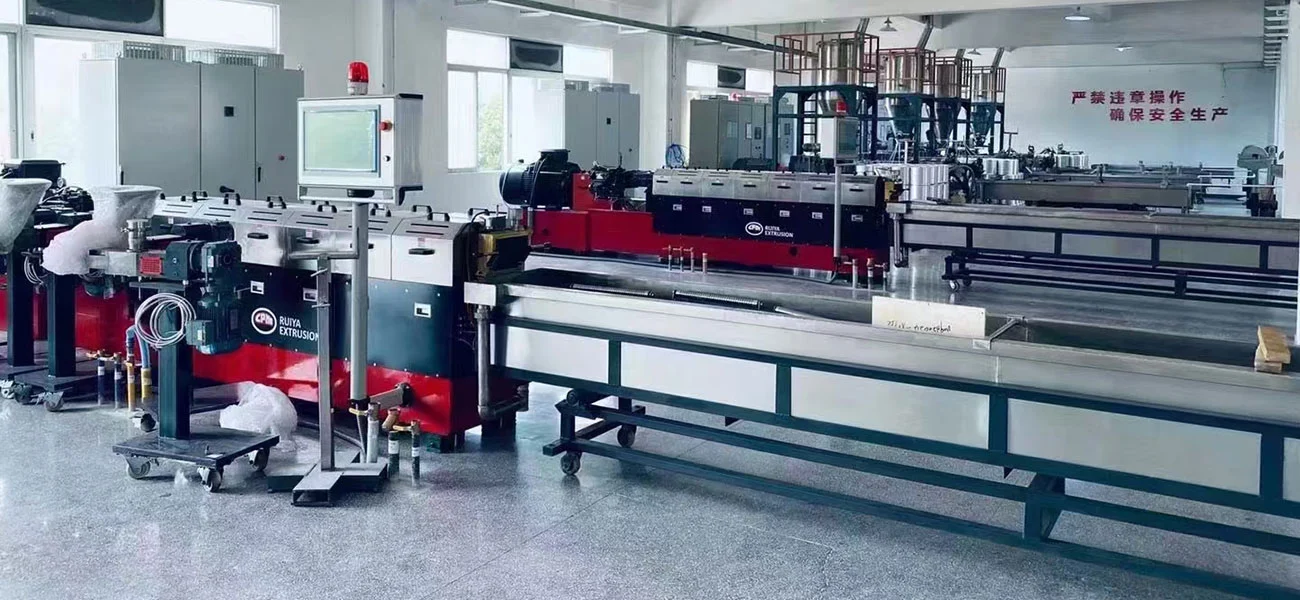
TPU is sensitive to moisture during processing. Excess moisture can affect melt behavior and finished-part quality, which is why manufacturers commonly specify drying requirements before molding or extrusion. BASF's processing guidance, for example, provides different drying conditions for different TPU categories and hardness levels rather than one universal condition.
Covestro likewise specifies drying requirements for individual Texin grades, with conditions varying between products. Lubrizol's TPU processing documentation also identifies moisture as a factor affecting molten TPU properties and provides grade-specific drying and processing recommendations.
For this reason, drying temperature, drying time, allowable moisture level and melt temperature should be taken from the current TDS or processing guide for the selected grade rather than applied as a general TPU formula.
During production trials, processing temperature, residence time, screw speed, mold or die conditions, material storage and part geometry should also be considered. Actual conditions may need adjustment according to the machine and finished-part requirements.
The documents required depend on the material, application and destination market. Depending on the project, sourcing may involve:
Compliance should always be checked against the specific grade. A manufacturer's general product portfolio or company-level certification does not automatically establish compliance for every TPU grade.
It is generally a TPU grade formulated or engineered for a particular performance requirement that is not adequately addressed by a conventional grade. The difference may involve flame performance, reinforcement, electrical properties, weatherability, transparency or requirements associated with a specific application.
The application requirement should normally come first. Once the required performance and processing method are understood, suitable modification directions and manufacturer grades can be compared.
It can be suitable where additional stiffness or dimensional stability is required. However, reinforcement changes elongation, flow and other processing characteristics, so the required formulation should be evaluated against the part design.
The required standard should be stated instead of simply requesting flame-retardant TPU. Depending on the application, this may include a UL 94 classification, specimen thickness, cable flame requirements, halogen restrictions or other project-specific standards.
Useful information includes the manufacturer or preferred brand, grade if known, modification direction, hardness, processing method, application, operating environment, key performance requirements, quantity and delivery destination. If the grade is unknown, the existing material and application requirements can be used as the starting point.
Yes. If the manufacturer and grade are known, Nianjing can work from the existing reference and check the corresponding sourcing requirements. For alternative-grade evaluation, the original TDS, processing method, application and key performance requirements provide a practical basis for comparison.
If you are sourcing a modified TPU grade, send Nianjing the required modification, hardness, processing method, application and quantity. If you already have a manufacturer or grade reference, include it with the inquiry so the material can be checked against the required specifications and supply conditions.
Address
China Plastics City, Yuyao City, Ningbo City, Zhejiang Province, China
Tel
Looking for a specific plastic material, brand, grade or quantity? Send your requirements to Nianjing for sourcing and availability confirmation.
Please include the material name, manufacturer or brand, grade, quantity, application and delivery requirements when available. If you are unsure about the grade, simply describe your application and requirements.
Nianjing will review your inquiry and check suitable sourcing options based on your requirements.