Polyester TPU is a thermoplastic polyurethane resin valued for its combination of mechanical strength, abrasion resistance, tear strength and resistance to oils and industrial fluids. Compared with polyether-based TPU, it is often considered for applications where wear resistance, mechanical durability and oil resistance are more important than long-term hydrolysis resistance.
Nianjing supports plastic raw material sourcing based on manufacturer, grade, hardness, processing method, application and quantity. Depending on the requirement, polyester-based TPU can be sourced for injection molding, extrusion, film production, footwear components, seals, hoses, belts and other industrial or consumer applications.

The performance of polyester thermoplastic polyurethane varies according to molecular structure, hardness, formulation and processing grade. For procurement purposes, technical properties should be evaluated against the intended application rather than treated as universal values.
| Property | Typical Characteristics |
| Mechanical Strength | High tensile and tear strength across many commercial grades |
| Abrasion Resistance | Excellent for many dynamic and wear-prone applications |
| Oil Resistance | Generally favorable resistance to oils, greases and selected hydrocarbons |
| Heat Resistance | Suitable for elevated-temperature service, depending on grade, load and exposure conditions |
| Hydrolysis Resistance | Generally lower than polyether TPU, particularly under prolonged heat and humidity |
| Elasticity | Good resilience and recovery across a broad range of hardness levels |
| Hardness | Available in soft Shore A and harder Shore D grades, depending on the product family |
| Processing | Selected grades are suitable for injection molding, extrusion, film production and other processes |
The polyester-based structure contributes to the material's mechanical performance and resistance to oils and many industrial fluids. At the same time, hydrolysis resistance should be considered carefully when the finished product will experience prolonged exposure to water, humidity or elevated temperature.
The material is commonly considered for products where strength, wear resistance, flexibility or resistance to oils are important.
Selected grades can be used for seals, gaskets, hoses, belts, protective components, cable jackets and other parts exposed to repeated mechanical stress or contact with oils and lubricants.
For automotive applications, material selection should consider temperature exposure, hardness, compression behavior, chemical resistance and long-term aging in addition to basic mechanical properties.
The combination of abrasion resistance, tear strength and elasticity makes polyester-based TPU suitable for selected footwear components, outsoles, protective parts and sports products.
Hardness can be adjusted according to the required balance between flexibility, cushioning, wear resistance and structural support.
Certain grades are used for grips, straps, protective parts, electronic accessories and overmolded components where flexibility, durability and surface feel are important.
For electrical or electronic applications, requirements for flame retardancy, insulation performance or regulatory compliance should be confirmed against the specific grade.
Some grades are developed for extrusion and film processing. They can be considered for flexible films, protective layers, inflatable structures and other products requiring a combination of elasticity, strength and abrasion resistance.
The suitable grade should be matched to the intended processing method because injection, extrusion and film grades may have different processing requirements.
The choice between polyester and polyether TPU is largely determined by the service environment and the required balance of properties.
| Consideration | Polyester TPU | Polyether TPU |
| Mechanical Strength | Generally strong | Strong, grade dependent |
| Abrasion Resistance | Generally excellent | Generally excellent |
| Oil Resistance | Generally favorable | Grade dependent |
| Hydrolysis Resistance | Generally lower | Generally better |
| Humid or Wet Conditions | Requires careful grade selection | Often preferred |
| Low-Temperature Performance | Grade dependent | Often favorable |
| Dynamic Applications | Widely used | Widely used |
| Main Selection Focus | Strength, wear and oil resistance | Hydrolysis resistance, flexibility and low-temperature performance |
This comparison provides a general selection framework. For applications involving prolonged exposure to hot water, steam or high humidity, the hydrolysis data of the specific grade should be reviewed before purchase.
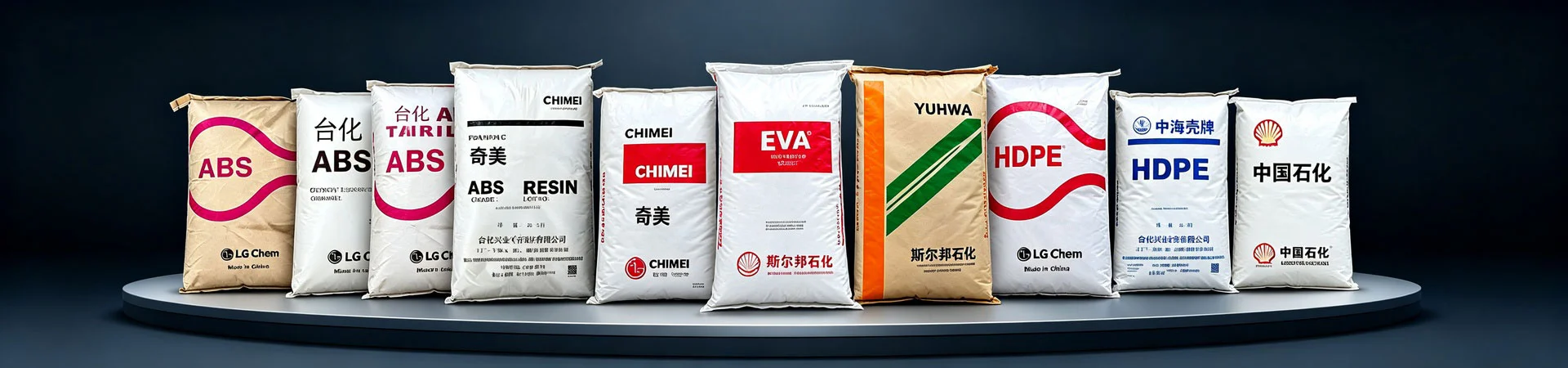
Commercial TPU is supplied by manufacturers in China and overseas, with different product families developed for specific hardness levels, processing methods and performance requirements. The exact polyester chemistry and grade availability should be confirmed against current manufacturer documentation.
| Manufacturer / Brand | Representative Family | Selection Considerations |
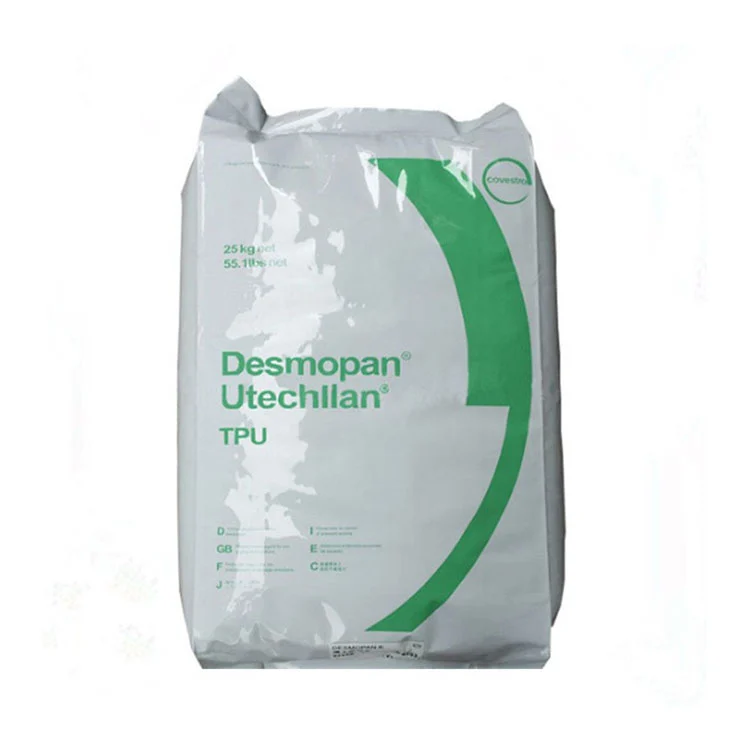
| Covestro | Utechllan® | TPU grades for industrial and consumer applications; polyester chemistry and specifications should be confirmed by grade |
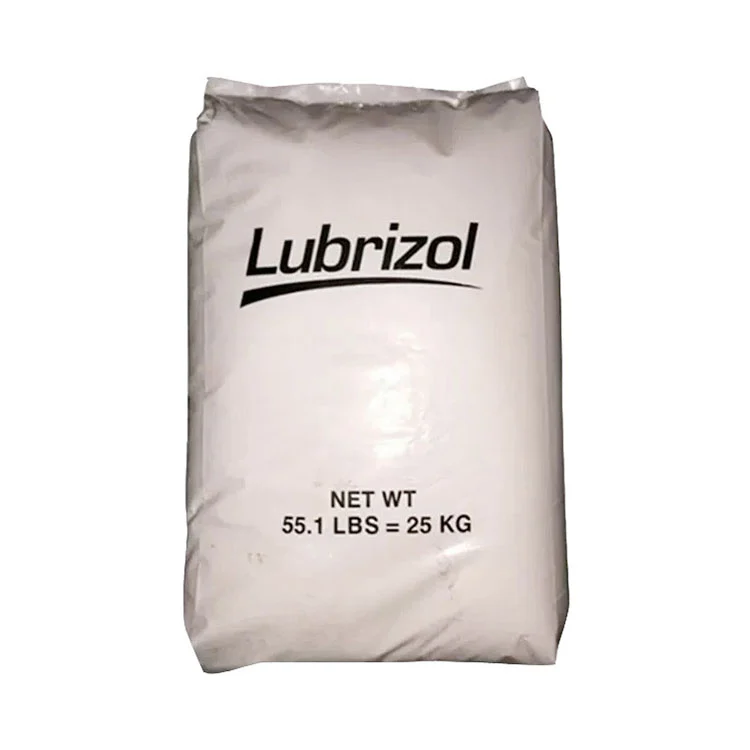
| Lubrizol | ESTANE® | Broad TPU portfolio covering different hardness, mechanical and processing requirements |
| SK Chemicals | SKYTANE® | TPU materials developed for different mechanical and processing requirements |
| Wanhua Chemical | TPU product families | Grades serving footwear, industrial, film and other applications |
| Huafon | TPU product families | Product options covering different hardness and processing requirements |
When requesting a specific material, providing the manufacturer and grade number is preferable to specifying only the material family. This allows the technical specification, applicable documents and supply options to be checked more accurately.
Hardness is one of the first parameters to establish. Softer TPU grades are generally specified using Shore A, while harder grades may be specified using Shore D.
The required hardness should be determined according to the finished product's flexibility, compression behavior, impact resistance and load requirements.
For dynamically loaded or wear-prone components, relevant data may include:
A single property should not determine the material choice. For example, a sealing component, transmission belt and footwear part can require very different combinations of strength, elasticity and wear resistance.
Oil, grease, water, humidity, temperature, UV exposure and repeated mechanical loading can all affect long-term performance.
For applications involving prolonged heat and moisture, hydrolysis resistance should be specifically evaluated rather than assumed from the material family alone.
The intended manufacturing process should be identified before selecting the grade. Common processes include:
Drying requirements, melt temperature, residence time and other processing conditions should follow the manufacturer's TDS for the selected grade.
For food-contact, medical, automotive or electrical applications, the applicable regulatory or industry requirements should be established before purchasing.
FDA compliance, medical suitability, flame retardancy or other regulatory characteristics should only be claimed when supporting documentation is available for the specific grade.
When sourcing polyester-based TPU, providing detailed requirements helps narrow down suitable manufacturers and grades more efficiently.
Nianjing can evaluate sourcing requirements according to:
Manufacturer → Grade → Hardness → Processing Method → Application → Quantity → Delivery Requirement
For example, a sourcing request may specify:
Polyester TPU, Shore 85A, injection molding, oil-resistant sealing component, trial quantity 500 kg.
If the exact grade is not known, the application, required hardness, processing method and key performance requirements can be provided instead. Nianjing can then check suitable material options according to the available specifications and supply requirements.
Polyester TPU generally offers a strong combination of mechanical strength, abrasion resistance and oil resistance. Polyether TPU is often preferred where hydrolysis resistance, wet-environment durability or low-temperature performance is more important.
The final choice should be based on the actual service environment and grade-level technical data.
Selected grades are commonly considered for seals, gaskets, hoses, belts and other industrial components where mechanical durability, wear resistance and oil resistance are required.
Hardness, compression set, temperature exposure and chemical compatibility should be checked for the intended application.
In general, its hydrolysis resistance is lower than that of polyether TPU. However, performance varies between grades, and some materials are formulated for improved resistance. Applications involving prolonged heat and humidity should therefore be evaluated using grade-specific hydrolysis data.
Depending on the grade, TPU resin can be processed by injection molding, extrusion, film extrusion and other thermoplastic processing methods. Drying and processing conditions should follow the manufacturer's TDS.
Commercial TPU is available across a broad hardness range, from soft Shore A grades to harder Shore D materials. The actual range depends on the manufacturer and product family.
Some specific grades may be developed for food-contact, medical or other regulated applications. Compliance must be verified against the exact grade and applicable regulation rather than assumed for an entire product family.
The most useful information includes the manufacturer or preferred brand, grade, hardness, application, processing method and quantity. If the grade is unknown, provide the finished product, operating conditions and main performance requirements.
Nianjing can check sourcing options based on the requested manufacturer, grade, hardness, quantity and application requirements. Providing an existing grade number or TDS can make the sourcing and specification check more direct.
Nianjing supports plastic raw material sourcing based on manufacturer, grade, specification, application and quantity. If you are sourcing polyester-based TPU, you can provide the required hardness, processing method, target application and estimated quantity so that suitable material and supply options can be checked.
Address
China Plastics City, Yuyao City, Ningbo City, Zhejiang Province, China
Tel
Looking for a specific plastic material, brand, grade or quantity? Send your requirements to Nianjing for sourcing and availability confirmation.
Please include the material name, manufacturer or brand, grade, quantity, application and delivery requirements when available. If you are unsure about the grade, simply describe your application and requirements.
Nianjing will review your inquiry and check suitable sourcing options based on your requirements.