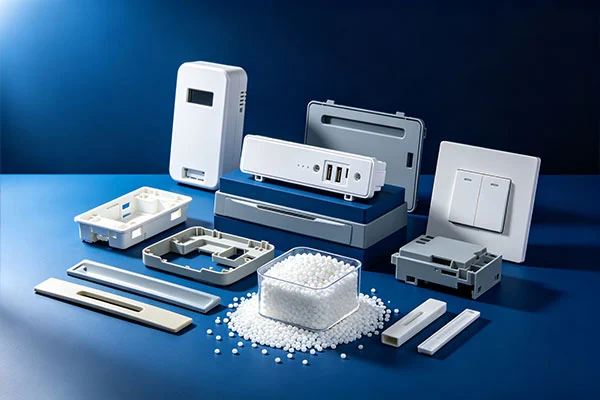
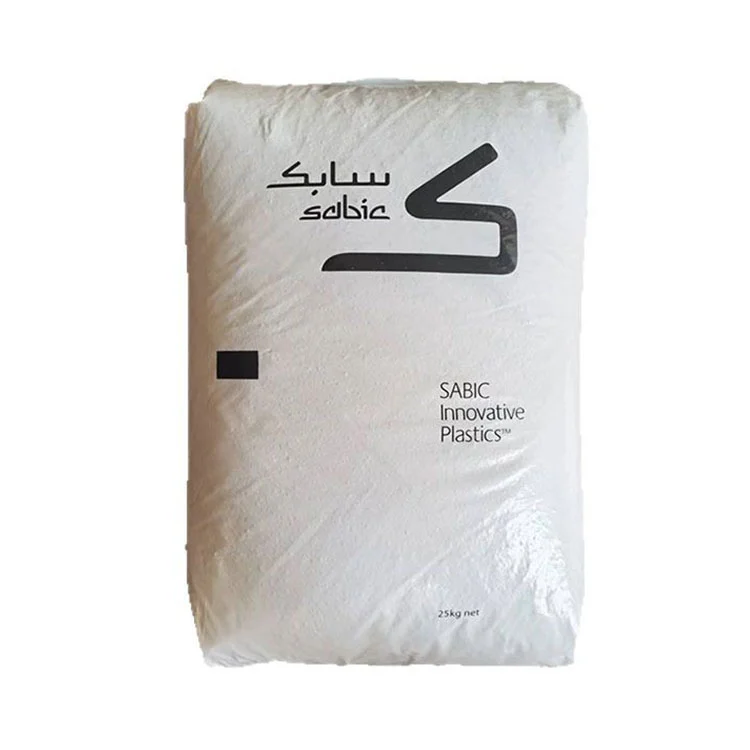
Flame Retardant Glass Fiber Reinforced PBT is a glass fiber reinforced PBT compound with a flame-retardant formulation. Common grades contain 15% to 30% glass fiber and are used for injection-molded electrical, electronic and automotive components where stiffness, dimensional stability, heat resistance and flame retardancy are required.
Depending on the grade, available options may include UL 94 V-0, halogen-free, hydrolysis-resistant, high-flow and low-warping formulations. Glass fiber content, flame-retardant system and resin formulation affect the final mechanical, thermal, electrical and processing properties.
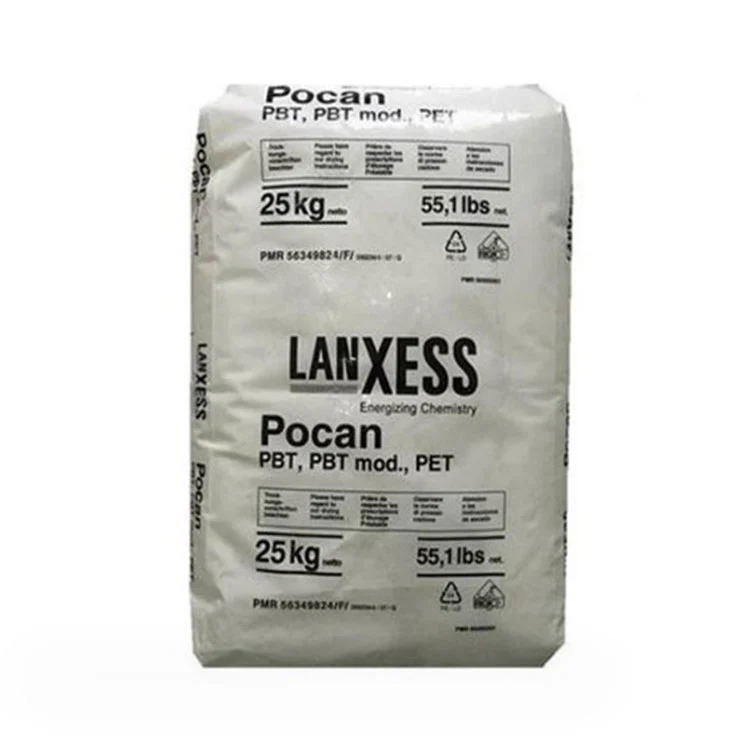
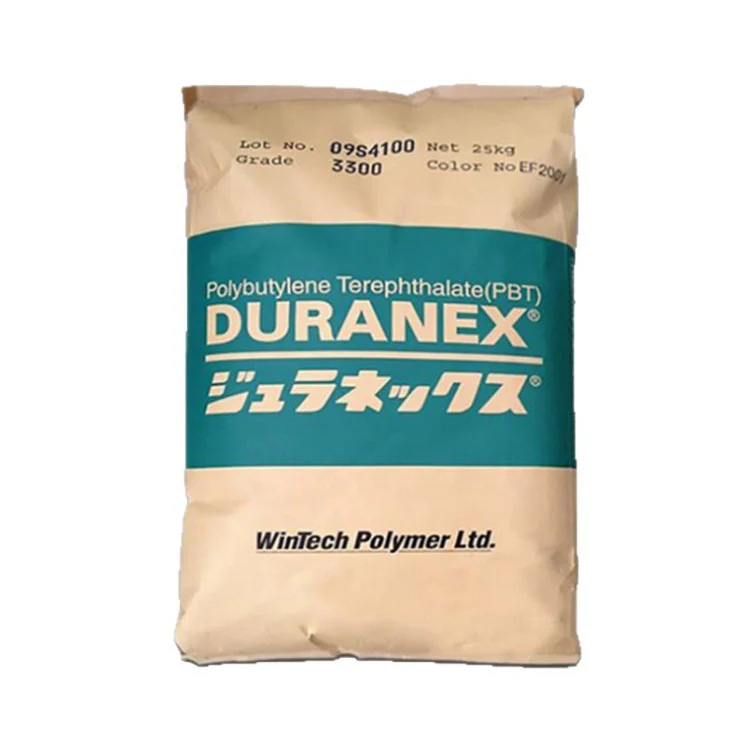
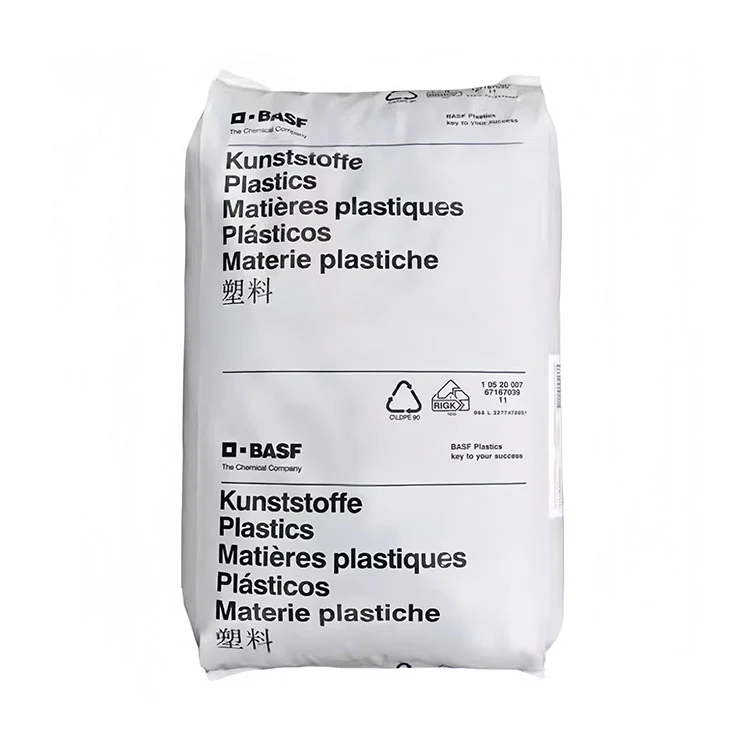
Representative product families include SABIC VALOX™, Envalior Pocan®, BASF Ultradur®, Mitsubishi Engineering-Plastics NOVADURAN™ and selected Chinese PBT grades. Sourcing can be matched according to manufacturer, grade, glass fiber content, flame-retardant rating, color, application, quantity and delivery requirements.

Properties vary according to the PBT formulation, glass fiber content, flame-retardant system and manufacturer. The following values are general references for selected reinforced grades and should not be treated as specifications for every material.
| Property | Typical Reference |
| Glass Fiber Content | 15%–30% |
| Tensile Strength | Approx. 90–137 MPa for selected reinforced grades |
| Flexural Modulus | Approx. 8,000–10,500 MPa for selected 30% GF grades |
| HDT | Approx. 200–220°C at 1.82 MPa for selected grades |
| Density | Approx. 1.50–1.63 g/cm³, depending on formulation |
| Water Absorption | Selected grades may have values around 0.1% |
Flame-retardant classification and electrical properties vary by grade. The manufacturer's latest TDS, UL documentation and other applicable technical documents should be used for final specification and approval.
15% glass fiber provides moderate reinforcement while maintaining relatively good processability and surface characteristics. It can be considered for housings, covers and structural or electrical parts where very high stiffness is not required.
20% GF grades provide a balance between rigidity, strength and processing performance. They can be used for general structural and electrical components requiring more reinforcement than unfilled or lightly reinforced PBT.
25% glass fiber provides higher stiffness and dimensional stability for components with increased mechanical requirements. Flow behavior, flame-retardant rating and molding conditions should be considered when selecting a specific grade.
30% GF PBT provides higher rigidity, strength and dimensional stability and is commonly considered for connectors, relays, coil components and other demanding injection-molded parts.
Higher glass fiber content is not necessarily better for every application. Reinforcement level should be matched with the required strength, toughness, surface appearance, flow and dimensional tolerance.
Halogenated flame-retardant systems are used in applications where their flame-retardant performance and material composition meet the applicable product and environmental requirements.
Halogen-free grades are used where material-composition or environmental requirements restrict the use of halogen-containing flame-retardant systems. Depending on the formulation, they may also be available with hydrolysis resistance, high flow or other application-specific properties.
The required flame-retardant system should be determined by the finished component, applicable regulations, electrical requirements and certification conditions.
Applications include connectors, relays, switches, coil bobbins, motor components and electrical housings.
Grade selection generally depends on the required flame-retardant rating, wall thickness, dimensional requirements, electrical performance and molding conditions.
Selected grades can be used for ignition-related components, lamp housings, wiper components, brackets and other injection-molded automotive parts.
For components exposed to high temperatures, humidity or chemicals, the selected grade should be evaluated against the actual operating environment and expected service life.
Applications may include lamp holders, electrical housings, ballast-related components and selected parts used in household appliances.
The required flame-retardant classification, operating temperature, wall thickness and applicable safety requirements should be confirmed before material selection.
| Manufacturer / Brand | Representative Grade | Reference Characteristics |
| Envalior | Pocan® BFN4232HR | 25% GF / V-0 / halogen-free / hydrolysis-resistant |
| Envalior | Pocan® ECOB4239 | 30% GF / V-0 / recycled-content grade |
| Envalior | Pocan® DP4035 | PBT+PET / 30% GF / V-2 / halogen-free |
| SABIC | VALOX™ 420SE0 | 30% GF / V-0 and 5VA |
| BASF | Ultradur® B-4520 | 20% GF / HB / medium-viscosity grade |
| Mitsubishi Engineering-Plastics | NOVADURAN™ 5010GN6-15 | 30% GF / V-0 / high-strength grade |
| Nantong Zhonglan | BLUESTAR® 201G30 | 30% GF / V-0 at 0.8 mm / high-flow characteristics |
| SINOPEC Research Institute of Chemical Industry | 302-G10 | 10% GF / V-0 at 0.8 mm / high-flow characteristics |
The characteristics above are provided for grade comparison. Specific properties, certifications and availability should be confirmed against the latest manufacturer's technical documentation.
If an exact manufacturer or grade is required, the required specification can be provided for sourcing confirmation.
Material selection should be based on the requirements of the molded component rather than simply choosing the highest glass fiber content or flame-retardant rating.
The required UL 94 classification depends on the finished component, wall thickness and applicable safety requirements.
Where V-0 is required, the selected grade should have the relevant test data or certification for the intended material and thickness.
Thin-wall parts, complex geometries and long flow paths may require a higher-flow PBT grade.
Flow should be considered together with mechanical requirements, glass fiber content, flame retardancy and the actual wall thickness of the part.
Glass fibers tend to orient in the melt-flow direction during injection molding. This can produce different shrinkage behavior along and across the flow direction.
Gate location, mold design, cooling balance and processing conditions also affect warpage. For precision parts, a low-warping grade may be considered together with appropriate mold and process design.
Electrical, automotive and export applications may have requirements related to halogen content, RoHS, REACH, hydrolysis resistance, UL recognition or other standards.
These requirements should be confirmed before finalizing the material specification.
PBT is sensitive to moisture during processing. Insufficient drying can cause hydrolytic degradation, silver streaks, bubbles and reduced mechanical performance.
Drying conditions should follow the selected manufacturer's TDS. Depending on the grade, drying temperatures may be around 120–140°C for several hours. Actual drying time and allowable moisture content should be based on the manufacturer's recommendations.
Mold temperature affects crystallization, surface appearance, shrinkage and dimensional stability.
Some reinforced PBT grades may use mold temperatures in the approximate range of 80–120°C. This is a general reference; the actual setting should be determined according to the selected material and mold design.
Glass fiber orientation, gate position, uneven cooling, filling conditions and packing pressure can all affect warpage.
For parts with tight dimensional tolerances, gate design, cooling balance, processing conditions and material grade should be evaluated together.
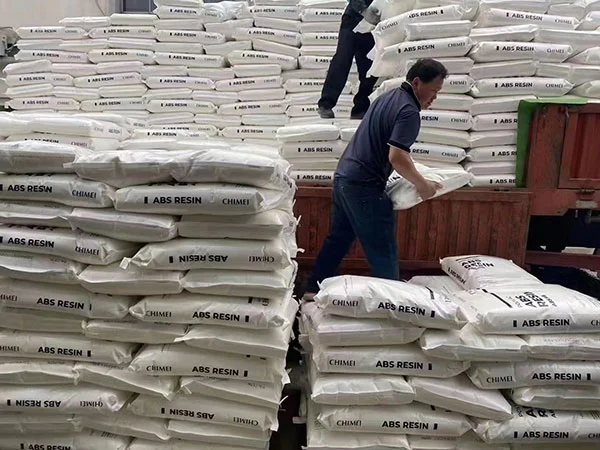
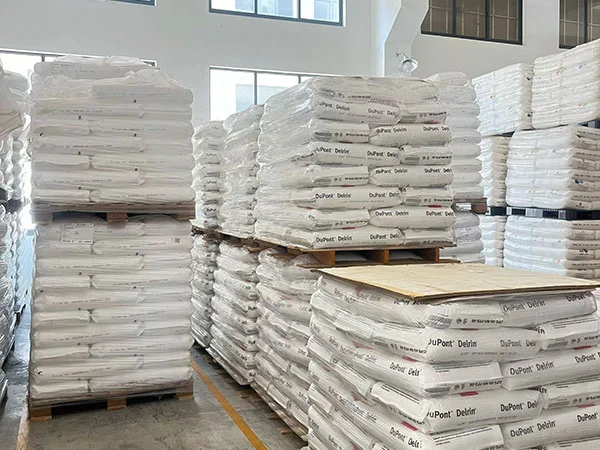
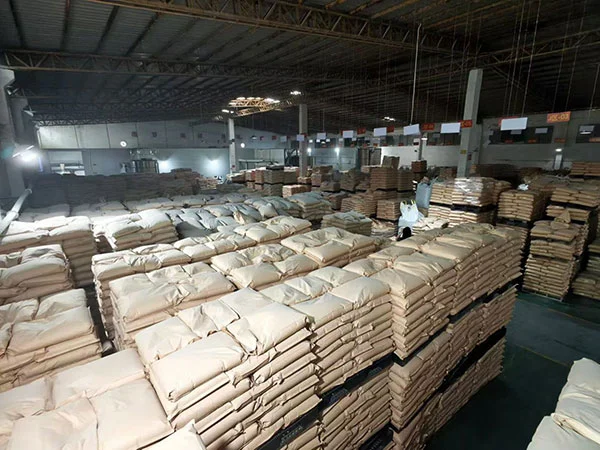
For sourcing, the following information helps identify the appropriate grade:
| Requirement | Information to Provide |
| Material | PBT, PBT+PET or other required formulation |
| Glass Fiber Content | 15%, 20%, 25%, 30% or another specified level |
| Flame Retardancy | UL 94 V-0, V-2 or another required classification |
| Manufacturer / Grade | Preferred brand, manufacturer or exact grade |
| Color | Natural, black or specified color |
| Flow Requirement | Standard flow, high flow, thin-wall molding or other requirement |
| Environmental Requirements | Halogen-free, RoHS, REACH, hydrolysis resistance, etc. |
| Application | Connector, relay, automotive component, housing or other end use |
| Processing | Wall thickness, injection molding requirements or other relevant conditions |
| Quantity | Trial quantity, initial order quantity or regular demand |
| Delivery | Required delivery location and schedule |
Nianjing can check sourcing options according to the required material, manufacturer, grade, specification, quantity, application and delivery requirements. If the exact grade has not yet been selected, the application and key performance requirements can be provided to narrow down suitable material options.
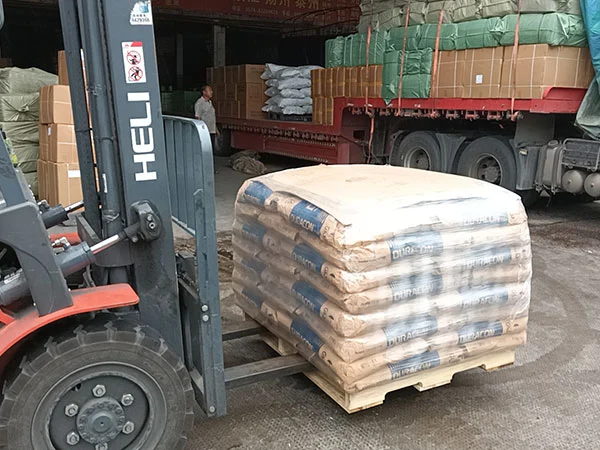
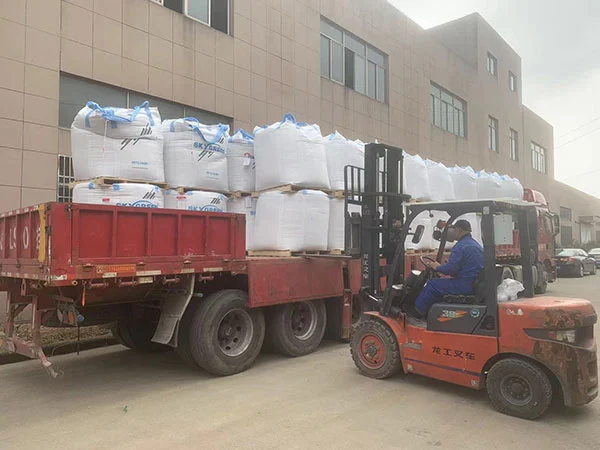
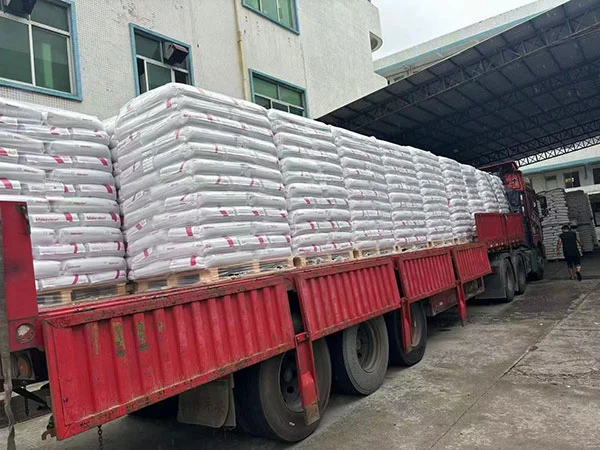
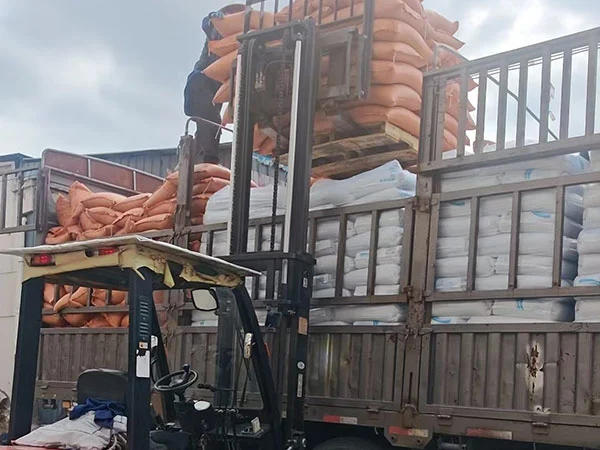
It is a PBT compound reinforced with glass fiber and formulated with a flame-retardant system. It is used for injection-molded components where mechanical reinforcement and specified flame-retardant performance are required.
The choice depends on the required stiffness, strength, dimensional stability, toughness, surface appearance and processing behavior.
Higher glass fiber content generally provides greater rigidity and strength, but it can also affect flow, surface appearance and anisotropic shrinkage. The required performance of the finished component should therefore be considered before selecting 30% GF or another reinforcement level.
The required rating depends on the component design, wall thickness and applicable product or safety standard.
If V-0 is specified, the selected grade should have relevant test data or certification for the required thickness and application.
Glass fibers tend to align with the melt-flow direction, which can create different shrinkage behavior in different directions.
Gate location, cooling conditions, packing pressure, mold design and processing parameters can also contribute to warpage. These factors should be evaluated together when dimensional tolerances are tight.
Selected high-temperature PBT grades can be used for components exposed to soldering or reflow processes when the material has been qualified for the intended thermal profile.
HDT should not be treated as the maximum reflow temperature. The selected grade's thermal data and processing recommendations should be checked against the actual soldering conditions.
PBT should be dried according to the manufacturer's processing instructions because excessive moisture can cause hydrolysis during molding.
Some grades may use drying temperatures around 120–140°C for several hours, but the actual temperature, drying time and allowable moisture level depend on the specific grade.
Representative product families include SABIC VALOX™, Envalior Pocan®, BASF Ultradur®, Mitsubishi Engineering-Plastics NOVADURAN™ and selected Chinese PBT materials.
Different grades may differ in glass fiber content, flame-retardant rating, flow, hydrolysis resistance, warpage characteristics and other properties. Availability should be confirmed for the required grade.
Useful information includes the manufacturer or grade, glass fiber content, flame-retardant rating, color, application, wall thickness, processing requirements, environmental requirements, certification requirements and quantity.
If the exact grade is unknown, the application and required performance can be provided first for material matching.
Provide the required manufacturer or grade, glass fiber content, flame-retardant rating, application, quantity and delivery requirements. Nianjing can check the corresponding material and supply options based on the specifications.
Address
China Plastics City, Yuyao City, Ningbo City, Zhejiang Province, China
Tel
Looking for a specific plastic material, brand, grade or quantity? Send your requirements to Nianjing for sourcing and availability confirmation.
Please include the material name, manufacturer or brand, grade, quantity, application and delivery requirements when available. If you are unsure about the grade, simply describe your application and requirements.
Nianjing will review your inquiry and check suitable sourcing options based on your requirements.