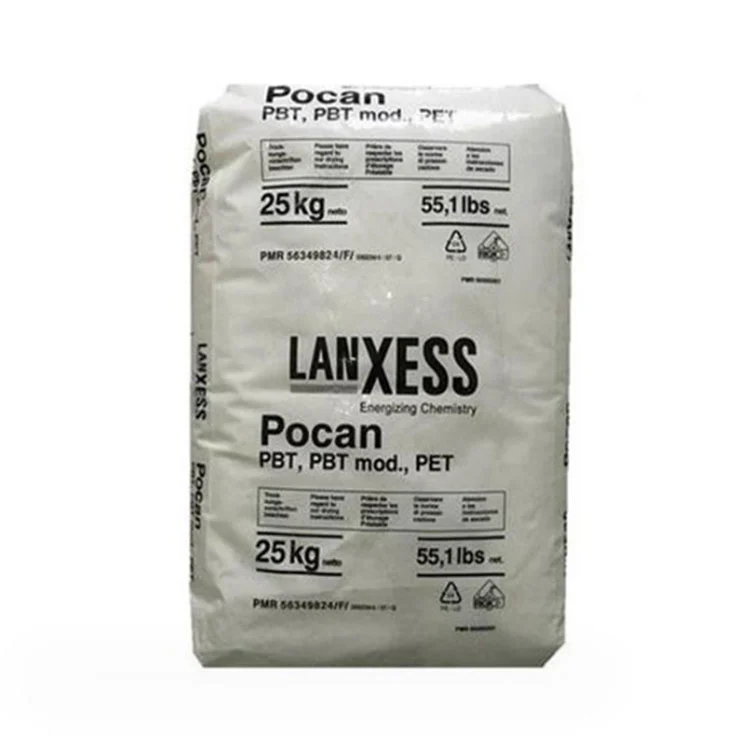
Heat-Stabilized PBT is a modified polybutylene terephthalate material developed to retain mechanical properties and dimensional stability during elevated-temperature service. Depending on the formulation, it can also combine glass fiber reinforcement with flame retardancy, hydrolysis resistance, electrical insulation or other application-specific characteristics.
Heat stabilization does not represent one fixed PBT formulation or performance level. HDT, tensile strength, RTI, flame-retardant rating, CTI and GWIT vary according to the manufacturer and individual grade. Selected reinforced grades can provide HDT above 210°C under specified test conditions and are used for automotive, electrical, electronic and appliance components exposed to heat.
Nianjing can source PBT grades according to manufacturer, grade, glass fiber content, thermal requirements, flame-retardant requirements, application, quantity and delivery conditions.
The following information provides general references for selected reinforced grades. It should not be treated as a specification for the entire PBT material category.
| Property | Typical Reference |
| Glass Fiber Content | Available in different reinforcement levels, commonly including 20%, 30% and 40% GF |
| HDT | Grade-dependent; selected reinforced grades can exceed 210°C under specified test conditions |
| Tensile Strength | Depends on glass fiber content and formulation |
| Flexural Modulus | Increases with reinforcement; selected high-GF grades can exceed 12,000 MPa |
| RTI | Grade-specific and based on applicable UL recognition |
| Flame Retardancy | Selected grades available with UL 94 V-0 classification |
| CTI | Grade-specific; higher-CTI options are available for electrical applications |
| GWIT | Available in selected grades for electrical and appliance applications |
For material approval, the manufacturer's latest Technical Data Sheet, UL recognition information and applicable test documentation should be reviewed. HDT, RTI and GWIT describe different aspects of material performance and should not be used interchangeably.
Heat stabilization can be combined with different reinforcement and functional modifications. A single grade may therefore provide more than one of the characteristics below.
Glass fiber reinforcement increases stiffness, strength and dimensional stability. Common reinforcement levels include 20%, 30% and 40% GF, depending on the product family.
Higher glass fiber content generally provides greater rigidity and modulus, but it can also affect melt flow, surface appearance, shrinkage and anisotropic warpage. The appropriate reinforcement level should be selected according to the molded part and its mechanical requirements.
Flame-retardant grades are used for components that must meet a specified flammability classification.
Selected PBT grades are available with UL 94 V-0 ratings. The actual classification depends on the material grade and test thickness, so the manufacturer's grade-specific data should be checked before material approval.
Hydrolysis-resistant grades are intended for applications involving prolonged exposure to moisture, humidity and elevated temperatures.
Heat stabilization and hydrolysis resistance address different degradation mechanisms. A material designed for thermal aging does not necessarily provide the hydrolysis resistance required for hot and humid service conditions. Some formulations combine both properties.
Certain grades are developed for electrical and appliance applications where glow-wire performance is part of the component requirement.
The required GWIT should be determined according to the applicable product standard and component design rather than treated as a general requirement for all PBT materials.
Some formulations are designed to provide a controlled balance of stiffness, shrinkage, flow and dimensional stability.
These grades can be considered for precision molded components where glass fiber orientation, thermal cycling or tight dimensional tolerances affect the final part.
The material is used for selected connectors, fuse-box components, motor-related parts, lamp components and other molded parts exposed to elevated temperatures.
Key selection factors: service temperature, thermal aging, hydrolysis resistance, dimensional stability, chemical exposure and mechanical load.
Typical applications include connectors, relays, transformer bobbins, coil components, motor end caps and electrical housings.
Key selection factors: CTI, insulation performance, flame retardancy, dimensional stability, operating temperature and applicable electrical standards.
Selected grades are used for lamp bases, appliance components, power-tool parts, housings, gears and other molded components exposed to heat or repeated thermal cycling.
Key selection factors: flame retardancy, GWIT, thermal aging, dimensional stability, processing characteristics and required service life.
Nianjing can source PBT grades from established material manufacturers according to the required technical properties and application. Representative product families include the following.
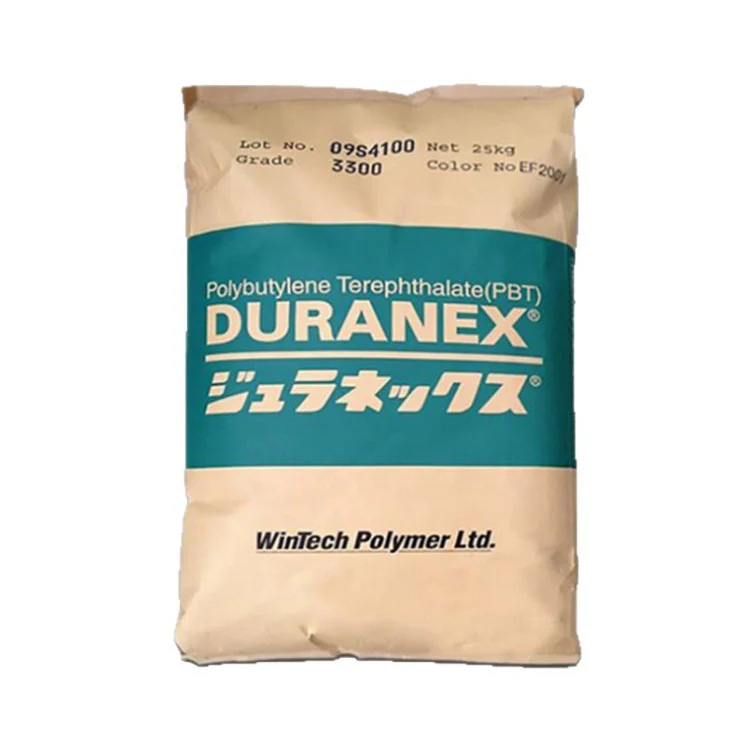
DURANEX® includes reinforced PBT grades covering different requirements for stiffness, heat resistance, flame retardancy, hydrolysis resistance and electrical applications.
Representative grades or product groups include:
| Grade / Series | Reference Characteristics |
| DURANEX® 3300 | 30% GF reinforced PBT for applications requiring stiffness and heat resistance |
| DURANEX® 330GW | Grade developed for glow-wire-related electrical and appliance applications |
| DURANEX® LT Series | Grades designed for specific thermal-shock and hydrolysis-related requirements |
| DURANEX® 3400 | 40% GF reinforced PBT with high stiffness |
Exact mechanical, thermal, electrical and flammability properties should be confirmed against the current manufacturer documentation for the selected grade.
Pocan® includes reinforced, flame-retardant, hydrolysis-resistant and specialty PBT grades for electrical, automotive and industrial applications.
Representative product groups include:
| Grade / Series | Reference Characteristics |
| Pocan® B3235 / B3225 | Reinforced PBT grades for structural molded components |
| Pocan® XHR Series | Grades developed for improved hydrolysis resistance |
| Pocan® BFN Series | Flame-retardant PBT options, including selected halogen-free grades |
The actual glass fiber content, flame rating, hydrolysis performance and electrical properties depend on the individual grade.
Ultradur® includes PBT grades developed for reinforced, flame-retardant, hydrolysis-resistant and other application-specific requirements.
Representative product groups include:
| Product Group | Typical Focus |
| Ultradur® FR Grades | Flame-retardant applications |
| Ultradur® HR Grades | Hydrolysis-resistant applications |
| Ultradur® FR HR Grades | Combined flame-retardant and hydrolysis-resistant requirements |
The appropriate grade should be selected according to the current manufacturer's technical data and the actual requirements of the component.
Material selection should begin with the actual service conditions of the molded component rather than a single headline property.
Determine the normal operating temperature, peak temperature and expected exposure time.
HDT measures deformation under a defined test condition and should not be treated as the continuous operating temperature. For long-term thermal service, RTI and other thermal-aging data should also be considered.
Higher glass fiber content generally increases stiffness and dimensional stability but can also affect flow, surface appearance and anisotropic shrinkage.
The required GF level should therefore be determined by the mechanical and dimensional requirements of the component.
If flame retardancy is required, confirm the applicable UL 94 classification and test thickness.
A V-0 grade should be selected only when the component requirement calls for this classification and the selected grade has the corresponding test data.
For connectors and other electrical components, CTI, insulation resistance, dielectric performance and the applicable electrical standard should be reviewed.
Higher CTI may be useful where surface tracking resistance is important, but the required value depends on the component design and operating conditions.
For components exposed to hot water, humidity or prolonged high-temperature moisture, hydrolysis resistance should be evaluated separately from thermal stabilization.
This is particularly relevant when long-term mechanical or dimensional performance must be maintained in hot and humid environments.
For precision injection molding, melt flow, glass fiber orientation, shrinkage, gate design and cooling conditions can affect the final component.
A higher-GF material is not automatically the best option for every precision part, especially where thin walls, complex geometry or tight dimensional tolerances are involved.
When requesting this type of PBT material, the following information can help identify suitable grades:
| Requirement | Information to Provide |
| Material Type | Heat-stabilized PBT, reinforced PBT, FR PBT or other required formulation |
| Manufacturer | Preferred manufacturer or open to equivalent brands |
| Grade | Exact grade if known |
| Glass Fiber | Required GF content, such as 20%, 30% or 40% |
| Heat Requirement | Operating temperature, peak temperature or required HDT |
| Flame Retardancy | UL 94 V-0, V-2 or other requirement |
| Electrical | CTI, insulation or other electrical requirements |
| Hydrolysis | Required resistance to hot and humid conditions |
| GWIT | Required glow-wire performance, where applicable |
| Color | Natural, black or specified color |
| Application | Connector, relay, automotive component, appliance part, etc. |
| Quantity | Trial quantity, initial order or regular demand |
| Delivery | Destination and required delivery schedule |
Nianjing can check sourcing options according to the required manufacturer, grade, specification, quantity, application and delivery requirements. If the exact grade is not known, the operating conditions and key performance requirements can be provided for initial material matching.
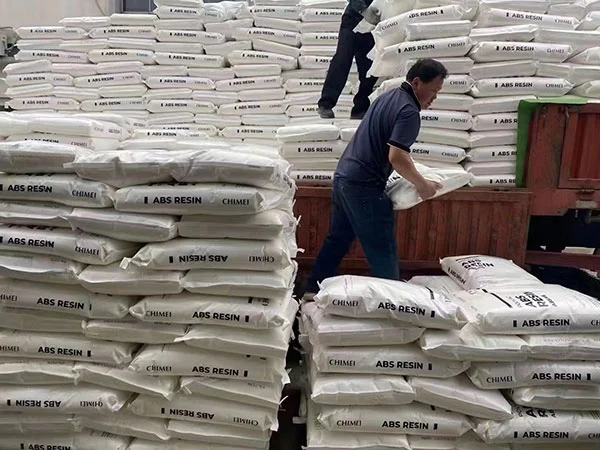
Depending on the selected grade and application, the following documents may be relevant:
These documents should be checked against the specific material grade. Different grades within the same product family may have different flame-retardant ratings, electrical properties and regulatory documentation.
Heat stabilization refers to material modification intended to improve property retention during prolonged exposure to elevated temperatures. Depending on the formulation, the material may also contain glass fiber reinforcement, flame retardants or other additives.
No. Heat stabilization primarily addresses property retention during thermal aging, while hydrolysis resistance addresses degradation caused by moisture, particularly under elevated-temperature and humid conditions.
Some grades combine both characteristics, but the two requirements should be verified separately.
Selected glass fiber reinforced grades can provide HDT above 210°C under specified test conditions. Actual performance depends on the grade, glass fiber content, formulation and test method.
HDT measures deformation under a specified temperature and mechanical stress during a standardized test.
RTI is a long-term temperature rating associated with retention of specified material properties under UL evaluation.
They provide different information and should not be treated as equivalent indicators of continuous service temperature.
CTI is relevant when an electrical component needs resistance to surface tracking under specified test conditions.
For connectors and other electrical parts, the required CTI depends on working voltage, creepage distance, component design and the applicable standard.
Hydrolysis-resistant PBT should be considered when a component will experience prolonged exposure to moisture combined with elevated temperatures.
The requirement is particularly relevant where hydrolytic degradation could affect long-term mechanical or dimensional performance.
Yes. The manufacturer, grade, required quantity and delivery destination can be provided for sourcing. If the exact grade is unavailable or unknown, the application and required material properties can also be used to identify suitable sourcing options.
The most useful information includes the manufacturer or grade, GF content, operating temperature, flame-retardant or electrical requirements, application, quantity and delivery destination.
Provide the required manufacturer or grade, glass fiber content, operating temperature, application, quantity and delivery requirements. Nianjing can check corresponding PBT grades and current sourcing options according to your specifications.
Address
China Plastics City, Yuyao City, Ningbo City, Zhejiang Province, China
Tel
Looking for a specific plastic material, brand, grade or quantity? Send your requirements to Nianjing for sourcing and availability confirmation.
Please include the material name, manufacturer or brand, grade, quantity, application and delivery requirements when available. If you are unsure about the grade, simply describe your application and requirements.
Nianjing will review your inquiry and check suitable sourcing options based on your requirements.