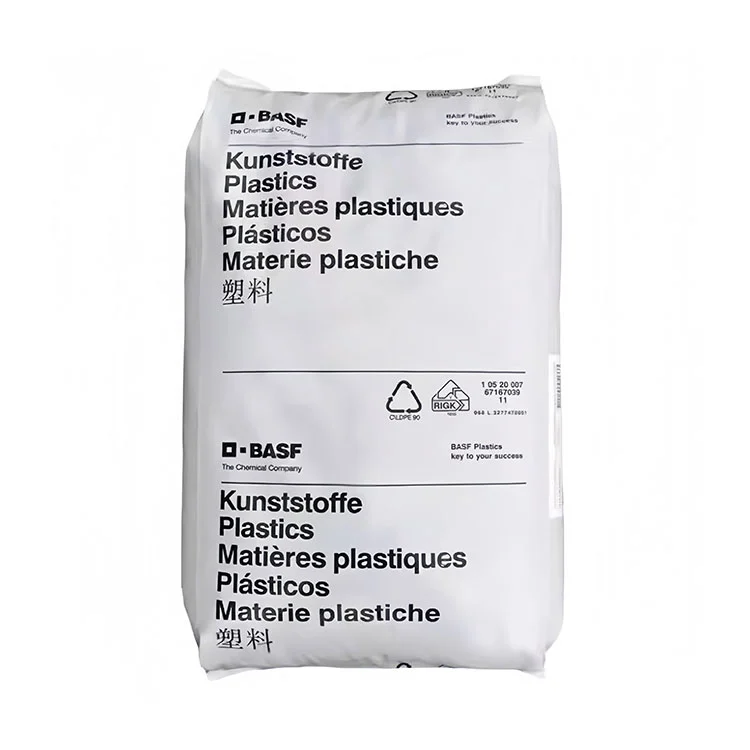
PBT Resin, also known as polybutylene terephthalate, is a semi-crystalline engineering thermoplastic used for injection-molded electrical, automotive, appliance, and industrial components. Low moisture absorption, good electrical insulation, chemical resistance, and relatively fast crystallization make it suitable for parts requiring dimensional control and efficient molding.
Nianjing supplies PBT materials for industrial and engineering applications, including unfilled, glass-fiber reinforced, flame-retardant, hydrolysis-resistant, and low-warpage grades. Sourcing can be based on a specified producer and grade or on the technical requirements of the finished component.
PBT is a thermoplastic polyester with a semi-crystalline structure. It combines relatively low moisture absorption with good dimensional stability, electrical properties, chemical resistance, and injection molding behavior.
Its crystallization characteristics make it suitable for producing molded components with relatively short cycles when the material and processing conditions are properly matched.
Commercial grades differ considerably in formulation. Glass fiber, mineral fillers, flame-retardant systems, impact modifiers, hydrolysis stabilizers, and other additives can change mechanical, thermal, electrical, and processing properties.
For this reason, material selection should be based on the specific grade rather than the PBT designation alone.
| Property | General Characteristics | Selection Consideration |
| Dimensional Stability | Relatively low moisture absorption and controlled molding shrinkage | Important for precision parts |
| Electrical Insulation | Good insulation performance in suitable grades | Used for connectors and electrical housings |
| Chemical Resistance | Good resistance to many oils, greases, and chemicals | Confirm compatibility with the actual medium |
| Processing | Relatively rapid crystallization and good injection molding behavior | Suitable for many molded components |
| Thermal Performance | Suitable for a range of engineering applications | Reinforcement and formulation affect heat resistance |
| Creep Resistance | Good in appropriate reinforced grades | Consider load and temperature together |
| Surface Quality | Can provide a good molded surface | Grade, filler, mold, and processing all matter |
These are general characteristics of the material family. Exact performance values should be taken from the TDS of the selected grade.
PBT grades vary in polymer formulation, reinforcement, additives, and processing characteristics. The following information is provided as a general reference for initial material selection.
| Parameter | General Reference | Notes |
| Material | Semi-crystalline engineering thermoplastic | Polybutylene terephthalate |
| Appearance | Natural pellets, translucent to opaque | Color varies by grade |
| Density | Approximately 1.3–1.6 g/cm³ | Reinforcement and fillers affect density |
| Melting Temperature | Commonly around 220–230°C | Exact value varies by formulation |
| Glass Transition Temperature | Around room temperature to several tens of °C | Grade and test method affect the result |
| Water Absorption | Generally low | Conditioning and test method affect the value |
| Processing | Injection molding | Follow the processing guide for the selected grade |
These figures are general references rather than guaranteed purchasing specifications.
PBT can be modified to meet different mechanical, thermal, electrical, dimensional, and environmental requirements.
Unfilled PBT retains the basic characteristics of the polymer and can be used where moderate mechanical performance is sufficient.
Typical uses include selected electrical parts, optical fiber components, housings, and molded products where processing behavior and surface quality are important.
Glass fiber reinforcement increases rigidity, strength, and resistance to deformation. It also changes shrinkage behavior and can create directional differences in mechanical properties.
Common reinforcement levels include GF15, GF30, GF40, and higher contents. The appropriate level depends on part geometry, mechanical loading, dimensional requirements, and processing conditions.
Flame-retardant formulations are used for components with defined fire-performance requirements.
Depending on the application, buyers may need to specify UL 94, glow-wire performance, CTI, or other electrical safety requirements. Halogenated and halogen-free formulations are available.
The required rating should be confirmed for the exact grade and test thickness.
PBT can be affected by prolonged exposure to hot water, humidity, and water-glycol fluids. Hydrolysis-resistant grades use stabilization systems intended to improve property retention under these conditions.
They are commonly considered for automotive connectors, sensors, housings, and other components exposed to heat and moisture.
Glass fiber orientation during injection molding can create differences in shrinkage along and across the flow direction. This can contribute to warpage in dimensionally demanding parts.
Low-warpage formulations can be considered where dimensional consistency is important. Mold design, gate position, cooling conditions, and wall thickness still need to be considered during development.
Other formulations are available for applications requiring specific combinations of impact resistance, wear resistance, surface appearance, laser marking, or chemical resistance.
The modification should correspond to a defined application requirement rather than being selected simply because it offers more features.
The service conditions of the finished component provide the starting point for grade selection.
| Requirement | Grade Direction |
| Higher rigidity | Glass fiber reinforced PBT |
| Dimensional control | Low-warpage or dimensionally stable grade |
| Hot and humid environment | Hydrolysis-resistant grade |
| Defined fire performance | Flame-retardant grade |
| Electrical safety | Grade with the required CTI and electrical properties |
| Higher impact resistance | Impact-modified formulation |
| Wear resistance | Tribological or wear-modified grade |
| General molded parts | Unfilled or standard reinforced grade |
For replacement materials, the original producer, grade number, application, processing conditions, and required properties provide a useful basis for comparison.
PBT is used in connectors, sensor housings, electrical housings, control-unit components, and other molded automotive parts.
Components exposed to coolant, hot water, humidity, or elevated temperatures may require hydrolysis-resistant or heat-stabilized formulations.
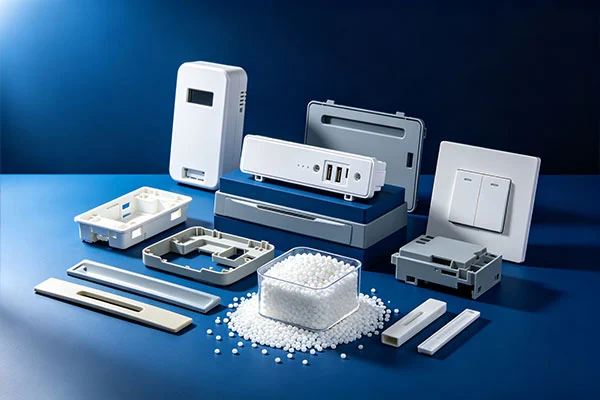
Connectors, switches, sockets, relay components, coil formers, and electrical housings can use PBT where dimensional stability and insulation performance are required.
Depending on the component, CTI, UL 94, dielectric properties, temperature resistance, and electrical property retention may need to be specified.
PBT is used in selected fan components, housings, control components, appliance parts, and industrial molded products.
Grade selection depends on mechanical loading, operating temperature, chemical exposure, surface requirements, and production conditions.
Specialized grades are used for some optical fiber components where dimensional control and processing characteristics are important.
The material should be matched to the component design and production process rather than selected as a general-purpose grade.
PBT is commonly processed by injection molding. Resin moisture, melt temperature, mold temperature, residence time, cooling conditions, and part geometry can all affect the molded part.
PBT pellets can absorb moisture during storage even though the polymer has relatively low moisture absorption.
Drying temperature, drying time, and allowable moisture content should follow the producer's processing recommendations for the selected grade.
Processing conditions vary between unfilled, reinforced, flame-retardant, and other modified grades.
The producer's processing guide should be used when establishing the molding window.
PBT crystallizes relatively quickly during cooling. Cooling conditions influence crystallinity, shrinkage, warpage, and final properties.
Mold temperature should therefore be considered together with part geometry and cycle requirements.
In glass-fiber reinforced grades, fibers tend to orient with melt flow. This can affect mechanical properties and shrinkage in different directions.
For precision parts, gate position, wall thickness, flow length, and cooling balance should be considered during mold development.
PBT and PET are both thermoplastic polyesters, but their processing and application characteristics differ.
| Characteristic | PBT | PET |
| Polymer | Polybutylene terephthalate | Polyethylene terephthalate |
| Crystallization | Relatively rapid | Generally slower |
| Injection Molding | Common engineering molding material | Depends strongly on grade and application |
| Moisture Absorption | Low | Low |
| Common Uses | Connectors, housings, automotive and industrial parts | Packaging, fibers, films, bottles, and engineering applications |
When considering substitution, compare the actual grades and processing requirements rather than the polymer names alone.
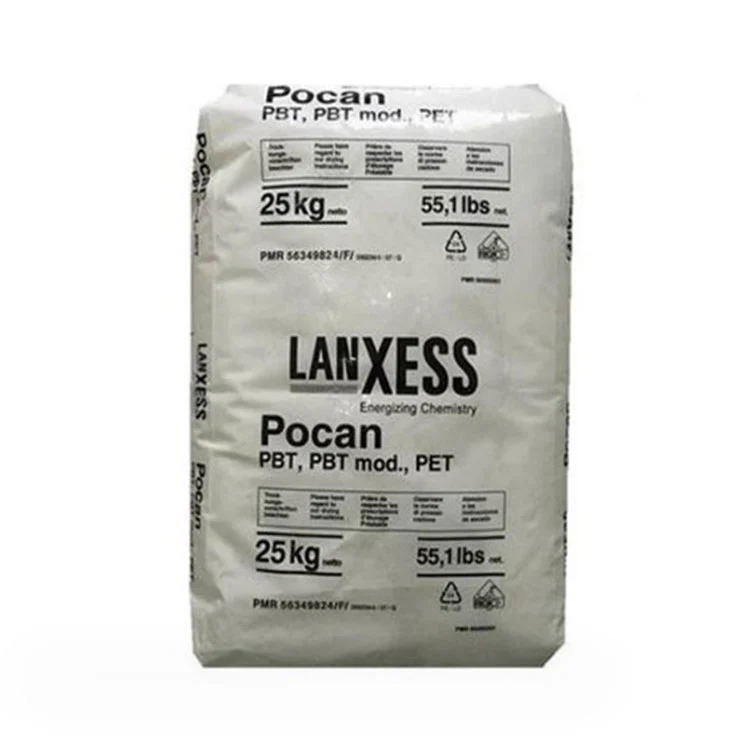
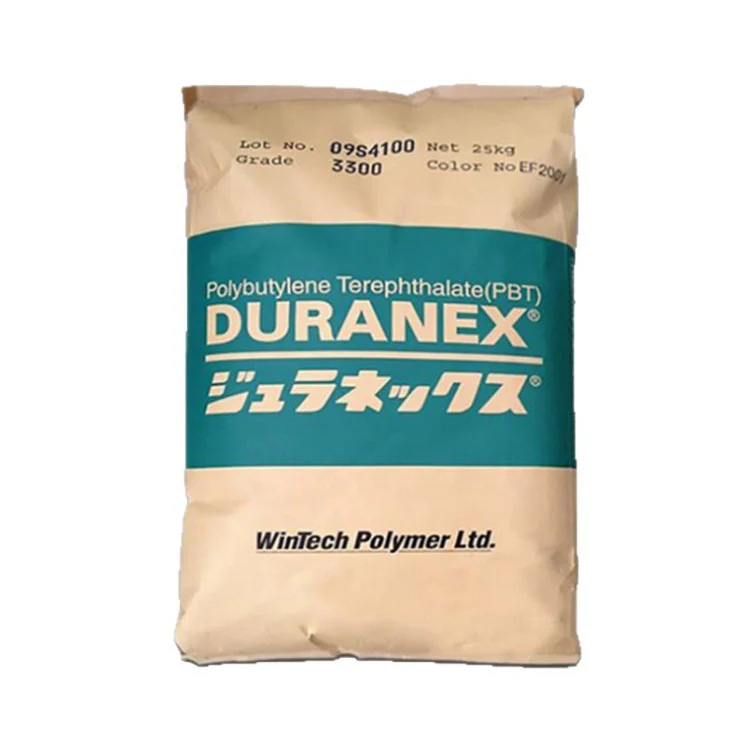
Commercial PBT is available from established resin producers with different product families and grade structures.
| Producer | Brand / Family | General Scope |
| Toray | TORAYCON™ | PBT and reinforced PBT grades |
| Polyplastics | DURANEX® | Unfilled, reinforced, flame-retardant, and modified grades |
| BASF | Ultradur® | Reinforced, low-warpage, hydrolysis-resistant, and other grades |
| Celanese | Crastin® / Celanex® | Unfilled, reinforced, flame-retardant, hydrolysis-resistant, and other grades |
A product family does not represent one fixed set of properties. The exact producer grade, reinforcement, color, modification, and current TDS should be checked before purchase.
A useful purchasing specification should identify the characteristics that affect the finished component.
| Specification | Information to Confirm |
| Producer | Required brand or acceptable alternatives |
| Grade | Exact grade number |
| Polymer | PBT / polybutylene terephthalate |
| Reinforcement | Unfilled, GF15, GF30, GF40, GF50, mineral filled, etc. |
| Flame Performance | UL 94, glow-wire, or other required standard |
| Electrical Performance | CTI, dielectric strength, insulation resistance |
| Hydrolysis Resistance | Standard or stabilized grade |
| Thermal Requirements | Operating temperature and heat-aging requirements |
| Mechanical Requirements | Tensile, flexural, impact, creep, or fatigue data |
| Flow | MFR/MVR or producer-specific flow data |
| Color | Natural, black, or specified color |
| Processing | Injection molding conditions |
| Documents | TDS, SDS, COA, and compliance documents |
| Quantity | Trial and regular order volume |
For an existing molded component, the original grade number and TDS are particularly useful when evaluating alternatives.
Nianjing is a plastic raw material trading and sourcing company established in 2008 and based in Yuyao, Zhejiang, China. Located in China Plastics City, the company handles sourcing across commodity plastics, engineering plastics, and specialty engineering plastics.
For PBT projects, Nianjing can source according to a specified producer and grade or work from the technical requirements of the application. This may include grade identification, specification comparison, technical document coordination, order requirements, and delivery arrangements.
For an existing component, buyers can provide the original resin grade and TDS. For new projects, useful information includes the application, processing method, required properties, reinforcement level, color, estimated quantity, and destination.
Nianjing also works with different types of B2B customers, including manufacturers, retailers, and agents, where material requirements and order quantities may differ.
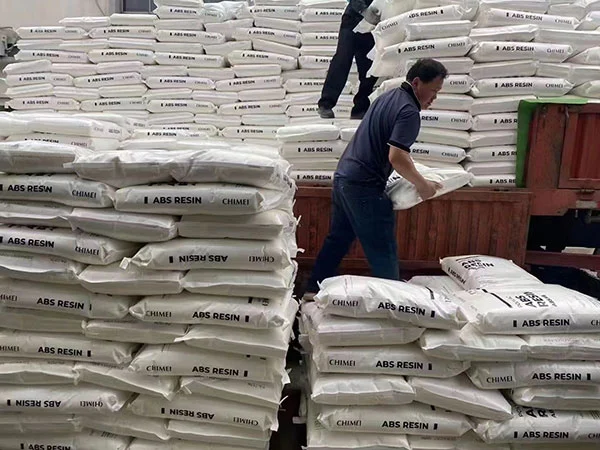
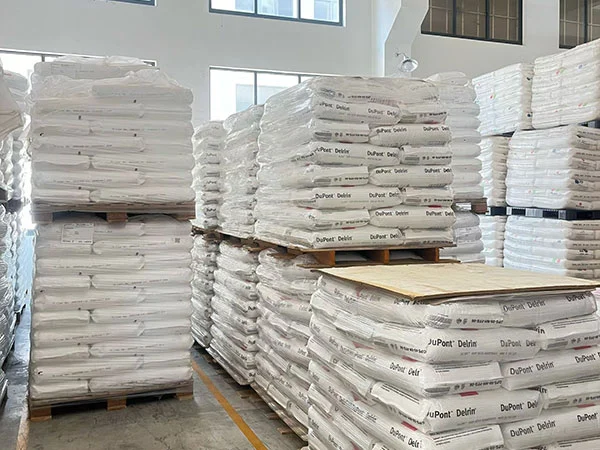
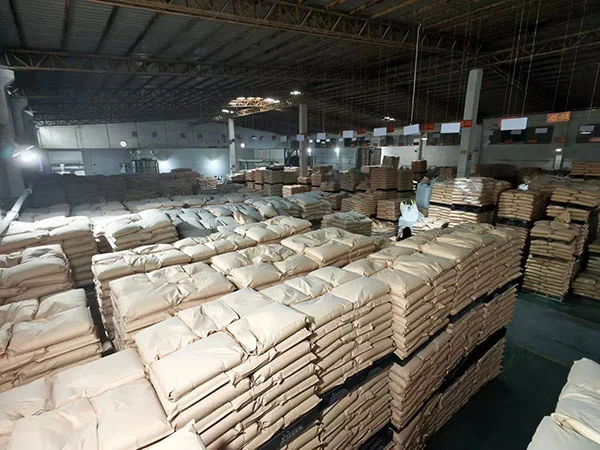
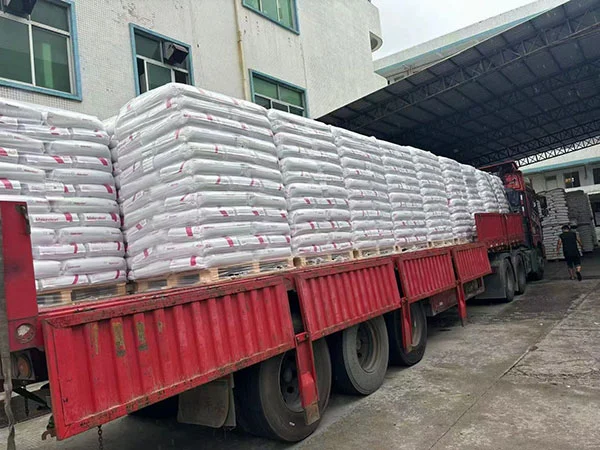
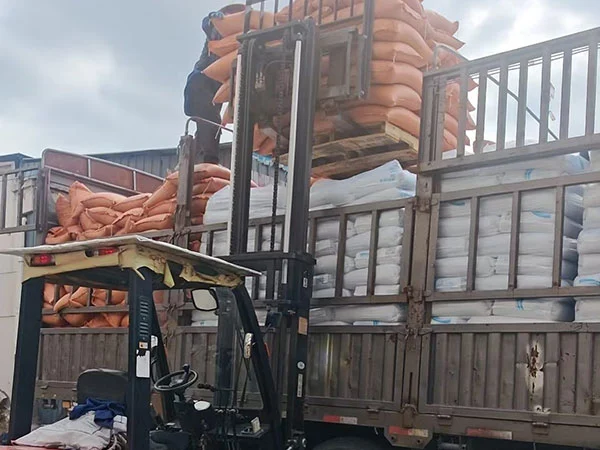
Shipping arrangements can be selected according to order quantity, destination, delivery terms, and material availability.
| Shipping Method | Typical Use |
| Sea Freight | Container orders and regular commercial shipments |
| Air Freight | Smaller commercial quantities or time-sensitive orders |
| Express Delivery | Samples and small-volume shipments |
| Container Shipment | Larger regular orders |
| Port-to-Port Shipping | Orders where the buyer manages destination-side logistics |
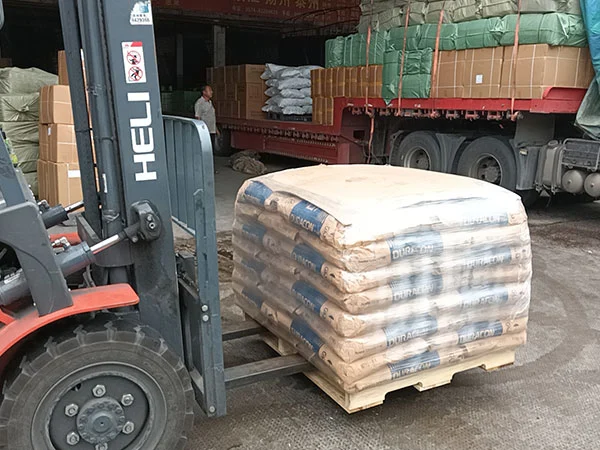
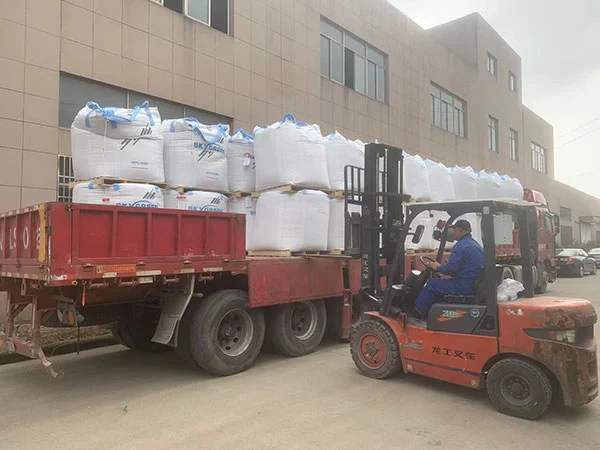
Shipping terms, available routes, documentation, and delivery arrangements are confirmed according to the individual order.
PBT Resin is polybutylene terephthalate, a semi-crystalline engineering thermoplastic commonly used for injection-molded electrical, automotive, appliance, and industrial components.
PBT offers relatively low moisture absorption, good electrical insulation, chemical resistance, dimensional stability, and suitable injection molding behavior. Modified grades can provide additional mechanical, flame, hydrolysis, or dimensional performance.
PBT GF30 generally refers to a PBT formulation containing approximately 30% glass-fiber reinforcement. The actual mechanical, thermal, electrical, and processing properties depend on the specific producer grade.
Yes. PBT is widely processed by injection molding, and its relatively rapid crystallization can support efficient production. The appropriate molding conditions depend on the grade and part design.
Hydrolysis-resistant PBT is formulated to retain its properties more effectively under prolonged exposure to heat and moisture. It can be considered for automotive and electrical components exposed to hot water, coolant, or humid conditions.
Start with the component's mechanical load, operating temperature, moisture and chemical exposure, dimensional requirements, electrical requirements, flame rating, and processing method. The producer's TDS can then be used to compare suitable grades.
Useful information includes the producer or grade, application, reinforcement, color, processing method, operating environment, technical requirements, quantity, destination, and required documents. For an existing material, the original grade number and TDS are especially useful.
PA66 Resin · PA6 Resin · POM Resin · PC Resin · ABS Resin · PPS Resin · PPA Resin
Address
China Plastics City, Yuyao City, Ningbo City, Zhejiang Province, China
Tel
Looking for a specific plastic material, brand, grade or quantity? Send your requirements to Nianjing for sourcing and availability confirmation.
Please include the material name, manufacturer or brand, grade, quantity, application and delivery requirements when available. If you are unsure about the grade, simply describe your application and requirements.
Nianjing will review your inquiry and check suitable sourcing options based on your requirements.