
LG Chem and Volkswagen Group have signed a memorandum of understanding (MoU) in Seoul to explore the joint development of next-generation automotive materials based on acrylonitrile butadiene styrene (ABS) and engineering plastics (EP). A key focus is evaluating opportunities to expand the use of post-consumer recycled (PCR) materials across interior and exterior components for major Volkswagen Group brands.
The collaboration will examine potential applications such as side-mirror components and radiator grilles, with the goal of balancing lightweight design, functional performance, and recycled content. The agreement also includes feasibility studies for selected materials and the exchange of technical trends and global market information.
- Joint development of next-generation ABS and engineering plastic materials.
- Evaluation of PCR materials for automotive interior and exterior components.
- Focus on lightweighting, material performance, and cost competitiveness.
- Growing emphasis on material validation and traceability in automotive applications.
From Material Development to Automotive Applications
The MoU has two complementary priorities. On the technical side, LG Chem and Volkswagen Group intend to explore plastic and composite solutions that support vehicle lightweighting and performance improvements. On the application side, they will assess the feasibility of using LG Chem's PCR materials and cost-competitive solutions in interior and exterior components across major Volkswagen Group brands.
This cooperation reflects a wider industry trend: recycled polymers are increasingly being evaluated for demanding automotive applications. However, feasibility studies and development agreements do not necessarily mean that a material has already received production approval for a specific vehicle. Final adoption depends on application-specific testing and qualification.
White PCR ABS: Opportunities and Technical Challenges
LG Chem has reported combined ABS production capacity of approximately 2.35 million tonnes per year and a leading position in the global ABS resin market. Its ABS portfolio includes grades designed for high gloss, heat resistance, and paint-free applications, properties that may be relevant to visible automotive components such as mirror housings and radiator grilles.
White PCR ABS presents particular formulation challenges because recycled feedstock may vary in colour and contain impurities. LG Chem has stated that its white PCR ABS can deliver impact resistance, heat resistance, and processability comparable to virgin material. The material has previously been used in home appliances.
Moving from appliance housings to automotive trim requires additional validation. Automotive applications may impose stricter requirements for weatherability, volatile organic compound (VOC) emissions, long-term durability, appearance consistency, and traceability. These factors are essential when assessing whether recycled polymers are suitable for specific vehicle components.
PCR Engineering Plastics Are Moving Closer to Automotive Production
Activity across the materials supply chain suggests that PCR engineering plastics are progressing from general sustainability commitments toward application-specific qualification and production use.
At Fakuma 2026, HEXPOL presented automotive thermoplastic options, including PCR-containing PC/ABS and ABS grades, with reported PCR content ranging from 10% to more than 80%. Anjacom PC/ABS R050/75S, containing 30% PCR, has been reported as being used in series production in a CUPRA model within the Volkswagen Group.
Covestro has also been validating PCR polycarbonate recovered from end-of-life vehicle headlamps with automotive customers, including Volkswagen and NIO. Such initiatives illustrate how material suppliers and automakers are working in parallel on recycled feedstocks, technical validation, and potential vehicle applications.
Market forecasts also point to continued growth in automotive recycled materials. IndexBox has estimated a compound annual growth rate of approximately 9.2% for the global market for impact-tested PCR automotive materials over 2026–2035. Market estimates vary according to scope and methodology and should be interpreted accordingly.
What This Means for Polymer Material Sourcing
As recycled content becomes more important in automotive material development, buyers and product engineers need to evaluate more than PCR percentage alone. Colour consistency, mechanical performance, heat and weather resistance, processing behaviour, regulatory requirements, supply continuity, and material traceability can all influence whether a polymer is suitable for a particular application.
For manufacturers and purchasing teams, selecting the right polymer requires matching material properties with the technical requirements, operating conditions, and cost targets of the finished product.
Polymer Material Solutions from Yuyao Nianjing Import & Export Co., Ltd.
Yuyao Nianjing Import & Export Co., Ltd. focuses on polymer materials and supports sourcing needs across a range of plastics and specialty material categories. Depending on the application and technical specifications, our product categories include:
General Plastics
Plastic materials for a wide range of industrial, consumer, and everyday manufacturing applications.
Engineering Plastics
Materials for applications where mechanical strength, heat performance, dimensional stability, and durability are important.
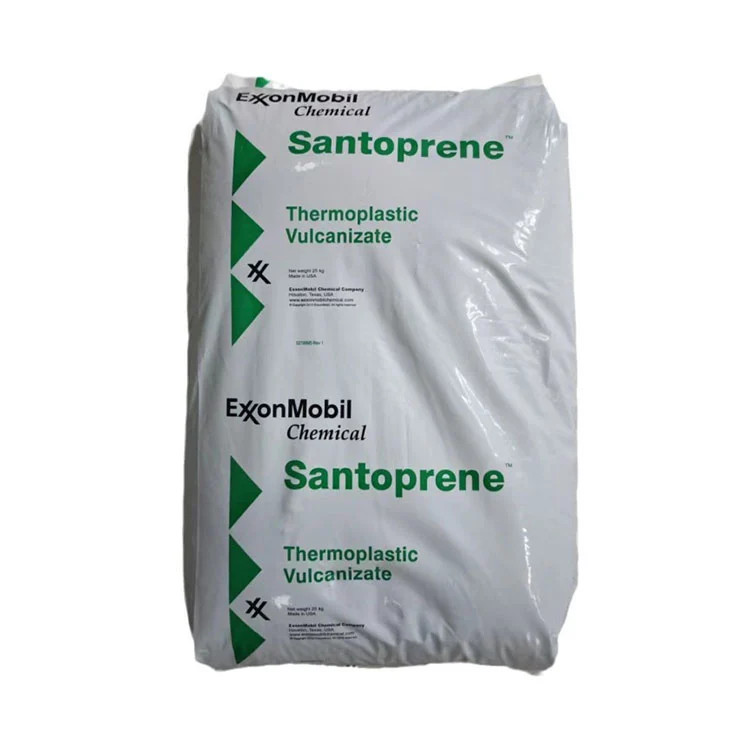
Elastomer Materials
Flexible polymer materials for applications requiring elasticity, resilience, sealing, or cushioning performance.
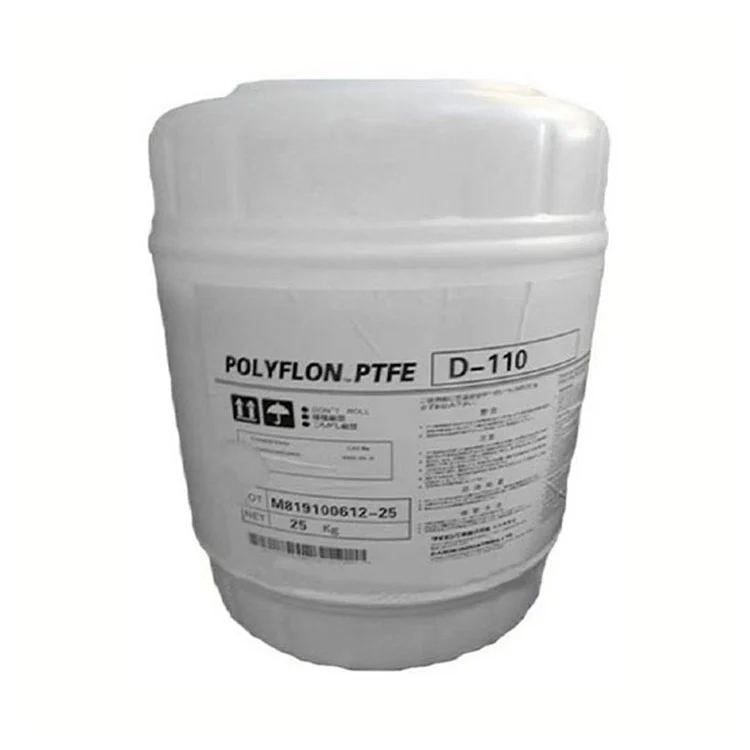
Fluoropolymer Materials
Specialty polymer materials considered for applications requiring chemical resistance and other demanding performance properties.
Whether you are evaluating materials for automotive components, industrial products, or other manufacturing applications, material selection should be based on the required grade, technical data, applicable standards, and supplier confirmation. PCR availability and performance can vary by polymer grade and recycled feedstock.
Looking for Suitable Polymer Materials?
Yuyao Nianjing Import & Export Co., Ltd. provides a portfolio spanning General Plastics, Engineering Plastics, Elastomer Materials, and Fluoropolymer Materials.
Contact our team with your application, required specifications, and target performance to discuss suitable material options.
Editorial disclaimer: This article is an industry-news summary for informational purposes. The cooperation described above is between LG Chem and Volkswagen Group. No partnership or commercial relationship between those companies and Yuyao Nianjing Import & Export Co., Ltd. is implied.