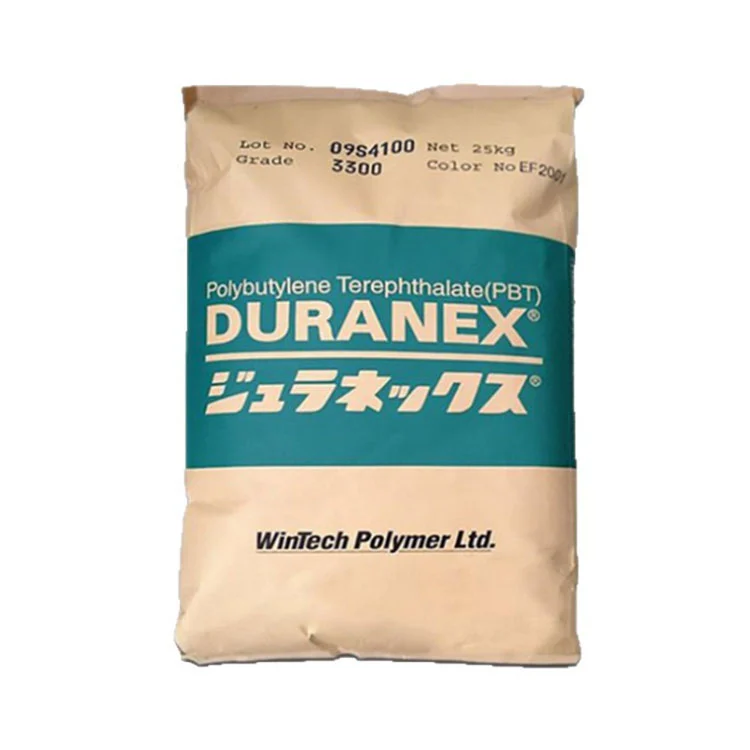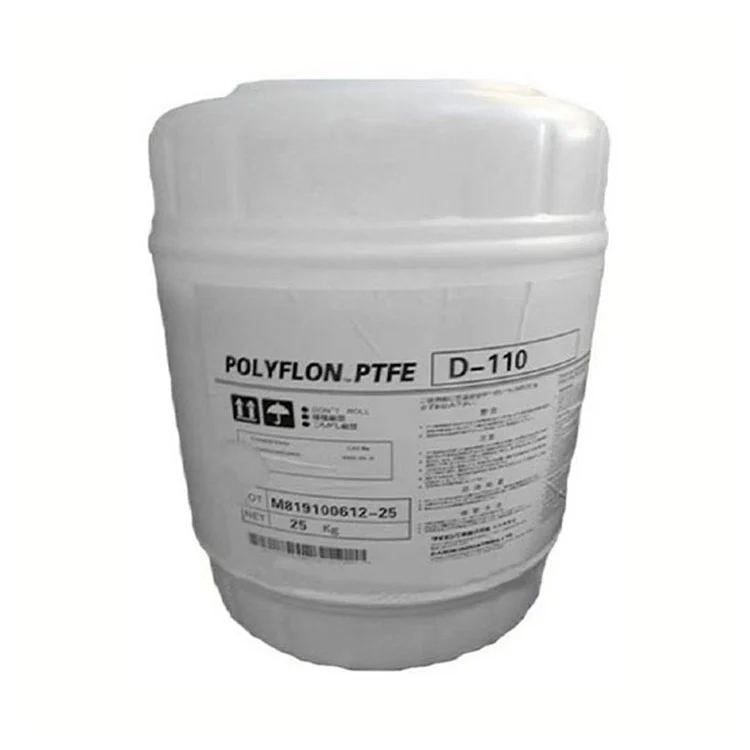
In modern architectural and industrial coating applications, selecting the right fluoropolymer resin is essential for achieving long-term surface protection and reliable performance. Nianjing provides Coating and Powder Grade PVDF sourcing solutions for manufacturers seeking excellent weather resistance, chemical stability, and durable coating performance. Whether used in architectural aluminum panels, industrial metal structures, or specialized protective coatings, choosing an appropriate PVDF grade can significantly influence coating quality, processing efficiency, and long-term application value.
Coating and Powder Grade PVDF (Polyvinylidene Fluoride) is a specialized fluoropolymer material designed for coating formulations that require outstanding weatherability, chemical resistance, and surface durability. Available in different forms, including liquid, dispersion, powder, and latex, PVDF materials serve a wide range of architectural and industrial applications. This article explains their characteristics, processing differences, technical selection criteria, major applications, and purchasing considerations to help manufacturers identify suitable materials for demanding coating projects.
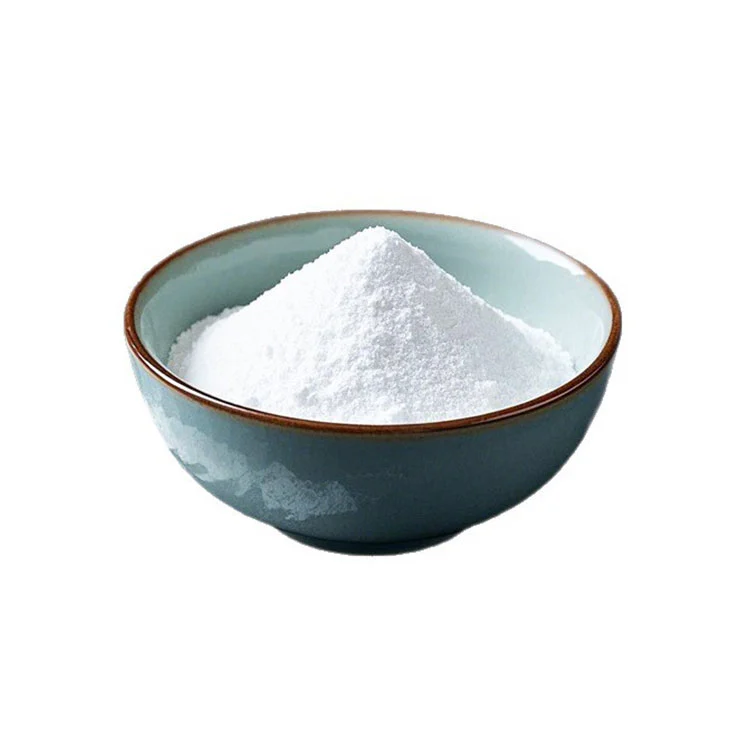
PVDF, or Polyvinylidene Fluoride, is a semi-crystalline fluoropolymer produced from vinylidene fluoride monomers. Its molecular structure provides a combination of chemical stability, weather resistance, thermal performance, and mechanical properties that makes it valuable in demanding industrial environments.
Unlike conventional injection molding or extrusion grades, coating-grade PVDF is selected according to specific requirements such as molecular characteristics, solubility, dispersion behavior, particle size, and film-forming performance.
These materials are commonly used in coating formulations for metal substrates, including aluminum and steel. They help protect surfaces against:
However, the actual performance of a finished PVDF coating depends on the complete formulation, substrate preparation, pigment selection, film thickness, and curing conditions rather than the resin alone.
For manufacturers sourcing specialized fluoropolymer materials, Nianjing's Coating and Powder Grade PVDF solutions offer grade-matching and material-sourcing support according to different application requirements.
PVDF coating materials can be classified according to their physical form and processing requirements. Understanding these differences is essential because different coating technologies require different resin characteristics.
Liquid and dispersion-based PVDF materials are used in coating formulations prepared with suitable solvents or dispersion media. Their viscosity, molecular characteristics, and compatibility with other formulation components influence application behavior and final film formation.
These materials are particularly relevant to manufacturers producing liquid coating systems for architectural and industrial metal surfaces.
Powder-grade PVDF is supplied in solid particulate form for specific powder-based coating or dispersion processes. Particle size distribution, powder flowability, melting behavior, and dispersion characteristics are important considerations during formulation and application.
Proper grade selection helps improve material handling, coating uniformity, and processing consistency.
Some manufacturers also offer PVDF latex products designed for specialized water-based coating systems. These materials have different formulation and processing requirements compared with conventional powder and solvent-based grades.
Therefore, buyers should identify the intended coating technology before purchasing to avoid compatibility problems.
The popularity of PVDF coating materials comes from their balanced performance characteristics. Several important properties make them suitable for applications where ordinary coating materials may not provide sufficient protection.
PVDF-based coating systems are widely selected for outdoor applications because of their resistance to environmental exposure. Properly formulated systems can maintain their appearance and protective performance under prolonged sunlight, humidity, and changing weather conditions.
PVDF offers excellent resistance to many chemical substances, making it suitable for selected industrial environments. It can be considered for applications involving acids, alkalis, salts, and other potentially corrosive substances. Specific chemical compatibility should always be verified before application.
Coating formulations based on suitable PVDF grades can provide durable surface protection. Their performance is especially valuable for metal products exposed to outdoor conditions, industrial pollution, and repeated environmental stress.
PVDF has useful thermal properties, although its processing window varies according to the specific grade and coating technology. Following the manufacturer's technical recommendations is essential for achieving consistent coating quality.
These advantages make PVDF an important material choice for manufacturers prioritizing long-term coating performance rather than initial material cost alone.
Before purchasing Coating and Powder Grade PVDF, manufacturers should evaluate technical specifications rather than relying exclusively on product descriptions. Different grades can exhibit significantly different processing characteristics even when they belong to the same polymer family.
The following table summarizes the major parameters that should be considered during material evaluation.
| Technical Parameter | Function | Selection Consideration |
|---|---|---|
| Polymer Type | Determines fundamental material characteristics | Check homopolymer or other specified polymer structures |
| Molecular Weight | Influences viscosity and film formation | Match the requirements of the coating formulation |
| Melt Flow Rate (MFR/MFI) | Indicates material flow behavior | Compare using consistent test methods and conditions |
| Particle Size | Affects powder handling and dispersion | Confirm compatibility with the application process |
| Particle Size Distribution | Influences powder uniformity | Evaluate flowability and coating consistency |
| Solubility and Dispersion | Determines formulation compatibility | Verify compatibility with the selected coating system |
| Melting Behavior | Affects thermal processing and film formation | Follow grade-specific processing recommendations |
| Chemical Resistance | Indicates suitability for chemical exposure | Evaluate actual chemicals and service conditions |
One important purchasing principle is that MFR, viscosity, particle size, and thermal properties should always be compared using the same test methods. Buyers should request the latest Technical Data Sheet (TDS) to ensure that the selected resin meets their actual production requirements.
Because of its combination of weather resistance, chemical stability, and coating durability, PVDF resin is used in various industries. Its application depends on the coating formulation, substrate, and operating environment.
Architectural applications represent one of the most important markets for PVDF coating systems. Typical products include:
These applications require coatings that can maintain their appearance while protecting the underlying metal from prolonged outdoor exposure.
Selected PVDF coating formulations are used on industrial equipment, metal structures, and components exposed to moisture, chemicals, and environmental pollution. The appropriate grade should be determined according to the actual service conditions.
PVDF-based coating systems may be considered for selected pipeline and equipment protection projects where chemical resistance and environmental durability are important. Compatibility with the substrate and operating medium must be verified before implementation.
Transportation equipment, communication infrastructure, and other outdoor metal components may also benefit from PVDF coating technology. Its weathering resistance helps manufacturers address demanding surface protection requirements.
Choosing the correct PVDF grade requires a systematic evaluation of processing conditions, technical specifications, and final application requirements. A material that performs well in one coating system may not be suitable for another.
Manufacturers and purchasing professionals should consider the following factors:
For replacement projects, providing the original product grade and technical documentation is particularly helpful. This allows suppliers to identify technically comparable alternatives instead of recommending materials based only on general product descriptions.
AAMA 2605 is an important performance specification for high-performance organic coatings used on architectural aluminum and related metal substrates.
PVDF-based coating systems are frequently associated with demanding architectural coating requirements because of their weathering performance and long-term appearance retention.
However, buyers should understand one critical distinction: AAMA 2605 applies to the finished coating system, not automatically to the raw PVDF resin itself.
When evaluating a coating project, manufacturers should review:
For example, Arkema Kynar 500® FSF® PVDF resin is used as a base material in architectural coating systems formulated by licensed manufacturers. The complete coating system must meet the applicable performance requirements through appropriate formulation, application, and testing.
Proper material handling and processing are essential for maintaining consistent coating quality. Different PVDF grades have different processing requirements, so manufacturers should always follow the latest technical instructions provided for the specific product.
PVDF resin should generally be stored in its original sealed packaging in a clean, dry, and suitable environment. Moisture contamination, packaging damage, and improper storage conditions may affect material handling and processing consistency.
For quality management, purchasing teams should maintain batch identification, COA records, and incoming material inspection documentation.
It is primarily used in coating formulations for architectural aluminum panels, steel structures, industrial equipment, and other metal components requiring weather resistance, chemical stability, and durable surface protection.
Coating-grade PVDF describes material intended for coating applications, while powder-grade PVDF identifies a physical form designed for particular powder handling, dispersion, or coating processes. The two descriptions are not necessarily mutually exclusive. Selection should be based on the actual processing technology.
Important parameters include polymer type, molecular weight, viscosity, MFR/MFI, particle size, particle size distribution, solubility, dispersion behavior, and thermal properties. Buyers should also review application-specific coating test data.
Yes. Suitable PVDF resins can serve as base materials in coating systems designed to meet AAMA 2605 requirements. However, compliance must be demonstrated by the complete formulated and applied coating system rather than the raw resin alone.
Manufacturers should provide the existing product brand, grade number, TDS, application method, substrate, and processing conditions. Comparing these details helps suppliers identify technically comparable materials and reduce potential production compatibility issues.
Commonly requested documents include the Technical Data Sheet (TDS), Safety Data Sheet (SDS), Certificate of Analysis (COA), product specifications, processing guidelines, particle-size information, and relevant coating performance reports.
Nianjing supports customers in sourcing Coating and Powder Grade PVDF according to manufacturer, product grade, resin form, coating process, application requirements, and purchasing quantity. Customers can provide an existing specification or describe their project requirements to receive assistance with material matching.
Coating and Powder Grade PVDF plays an important role in modern architectural and industrial surface protection. Its excellent weathering resistance, chemical stability, and coating durability make it a valuable material for demanding applications. Nevertheless, achieving consistent results requires more than selecting a PVDF resin by name. Manufacturers must evaluate the resin form, technical specifications, formulation compatibility, processing conditions, and final coating performance together.
Working with an experienced material sourcing partner can simplify grade comparison, replacement evaluation, and procurement planning. Nianjing is committed to helping customers identify suitable PVDF materials for different industrial and architectural coating requirements. Whether you need liquid-grade resin, powder-grade PVDF, a specific manufacturer, or a technically comparable replacement, contact us today to discuss your specifications, request product information, and explore suitable sourcing solutions for your next coating project.