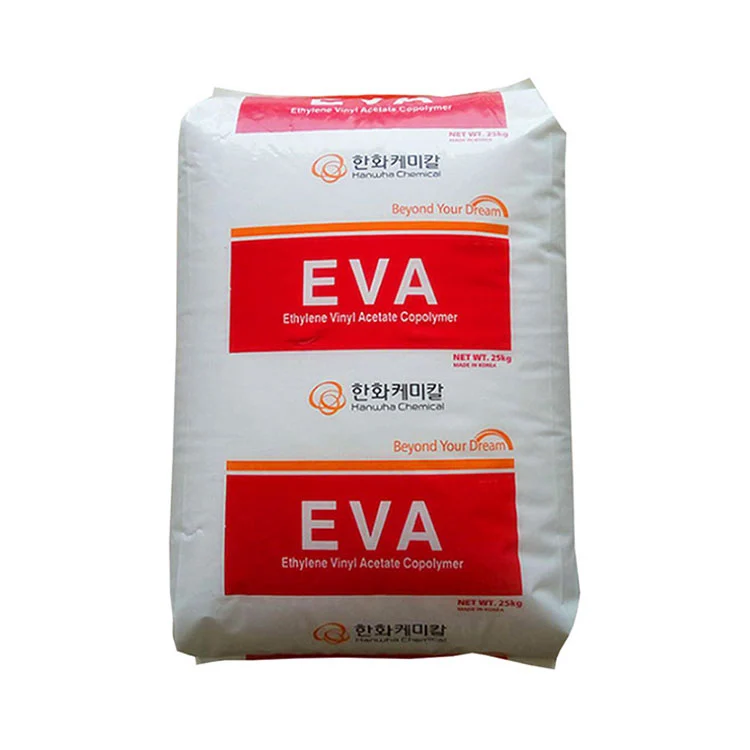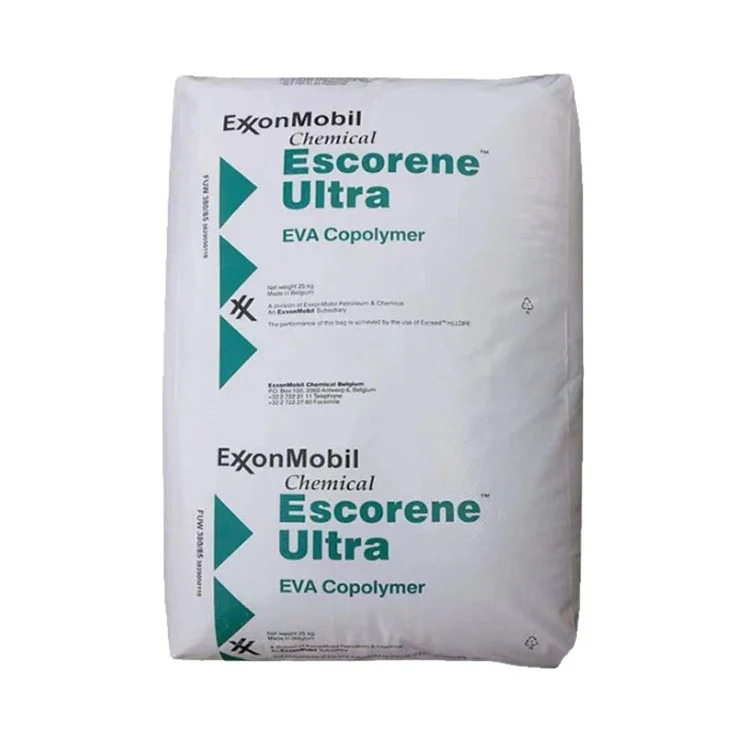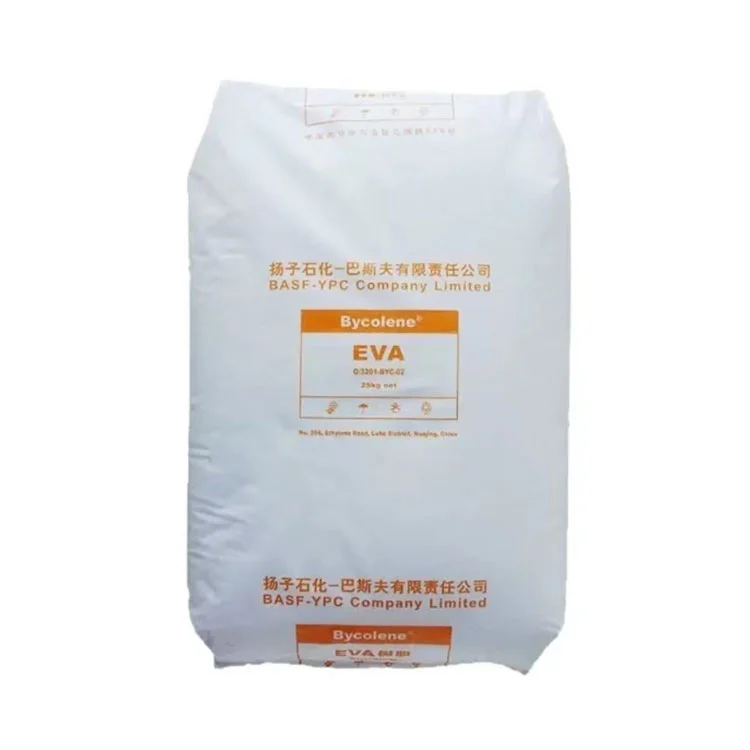
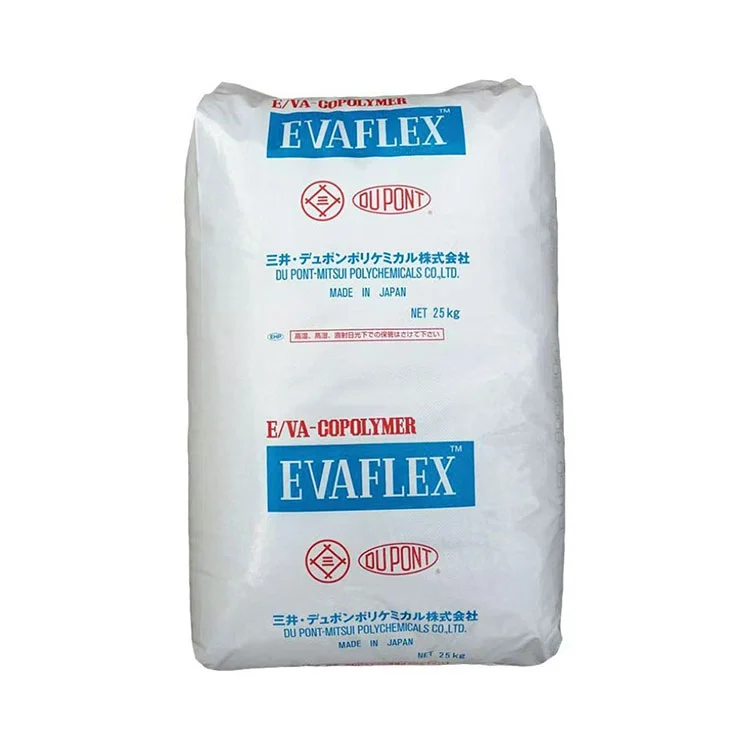
High VA EVA (18–28%) is an ethylene-vinyl acetate copolymer with a relatively high vinyl acetate content. Compared with lower-VA EVA, it generally has lower crystallinity and greater flexibility, softness and polarity. Selected grades are used for hot-melt adhesive formulations, flexible films, extrusion coating, foam, footwear components and other applications requiring a softer thermoplastic material.
Commercial grades within this range can differ considerably in melt index, density, molecular characteristics, additives and processing recommendations. VA content is therefore only one part of the grade specification.


EVA is a copolymer of ethylene and vinyl acetate. As the vinyl acetate content increases, the regularity and crystallinity of the polymer structure generally decrease, resulting in greater flexibility and softness.
At 18–28% VA, the material has a higher degree of polarity than lower-VA grades. This can be useful for applications requiring flexibility, adhesion, heat sealing or compatibility with selected formulation components.
The 18–28% range should not be treated as a single standardized material grade. Two products with the same nominal VA content may have different melt indexes, densities, additive systems and processing characteristics. Mechanical properties such as tensile strength, elongation, hardness and low-temperature flexibility should therefore be taken from the technical data of the specific grade.
Melt index is an important parameter when selecting High VA EVA because it indicates material flow under a defined test condition. A higher value generally indicates greater flow under the specified conditions, while a lower value indicates greater resistance to flow.
Melt index alone, however, does not determine the suitable processing method. Equipment, product geometry, formulation, processing temperature, required output and finished-product requirements should also be considered.
EVA is widely used as a base polymer in hot-melt adhesive formulations. Higher-VA grades can provide useful flexibility and polarity and can be combined with tackifying resins, waxes and other formulation components.
Grade selection may depend on melt viscosity, softening behavior, adhesion, open time, application temperature and compatibility with the adhesive formulation. High-melt-index grades may be considered where higher flow is required, but the actual grade should be selected according to the formulation and manufacturer's technical recommendations.
EVA can also be used in extrusion coating and lamination where adhesion, flexibility or heat-sealing performance is required. Substrate type and processing conditions need to be considered together with the EVA grade.
Selected High VA EVA grades are used in foam formulations for footwear, sports products, mats and other flexible components.
VA content affects the flexibility and softness of the polymer, while finished foam properties depend on the complete formulation and foaming process. Blowing and crosslinking systems, cell structure and molding conditions can influence density, hardness, rebound, compression set and dimensional stability.
For footwear and other foam applications, the grade should therefore be selected according to the required finished-product properties rather than VA content alone.
Certain grades in the 18–28% range can be used for film, extrusion and other flexible structures where sealing, adhesion or flexibility is required. Depending on the grade, EVA can also be processed into molded products, profiles and other flexible components.
High-VA EVA may be used as a modifier in selected polymer blends. Compatibility and the resulting mechanical properties depend on the base resin, EVA grade, loading level and processing conditions.
Specialty applications such as photovoltaic encapsulation or electrical compounds require grades developed and tested for the specific application. The VA range alone does not establish suitability.
The main information used to compare High VA EVA grades includes:
Melt index values should only be compared when the test temperature, applied load and test method are equivalent. A high melt index does not automatically make a grade better; it indicates greater flow under the specified test conditions.
Commercial grades around 18–28% VA can therefore have very different processing characteristics. Some grades around 28% VA are available with relatively low melt index values, while others have much higher flow rates for adhesive or coating applications.
For material replacement, the current manufacturer, grade number and TDS are useful starting references. When no specific grade is available, the material requirement can be defined by:
VA Content → Melt Index → Processing Method → Application → Required Properties → Quantity → Delivery Requirement
This provides a practical basis for comparing commercial grades.
Common documents for EVA sourcing include the Technical Data Sheet (TDS), Safety Data Sheet (SDS), Certificate of Analysis (COA), product specification and processing recommendations. Additional regulatory or compliance documentation may be required for specific applications and destination markets.
For food-contact, medical, photovoltaic, electrical or other regulated applications, compliance should be verified for the specific commercial grade and intended use. It should not be inferred from VA content or the general EVA material category.
Nianjing sources High VA EVA (18–28%) according to the required grade and application. For a specified material, the manufacturer, grade number and TDS provide a clear starting point. For specification-based sourcing, Nianjing can work from VA content, melt index, processing method, application, required properties and quantity to identify suitable commercial grades.
When replacing an existing EVA grade, providing the current TDS can make the material comparison more precise. Final selection should be based on the manufacturer's current technical documentation and the actual production requirements.
If you are sourcing High VA EVA (18–28%), provide the target VA content, melt index, processing method, application and required quantity. A manufacturer or grade reference and current TDS can also be provided when available.
Address
China Plastics City, Yuyao City, Ningbo City, Zhejiang Province, China
Tel
Looking for a specific plastic material, brand, grade or quantity? Send your requirements to Nianjing for sourcing and availability confirmation.
Please include the material name, manufacturer or brand, grade, quantity, application and delivery requirements when available. If you are unsure about the grade, simply describe your application and requirements.
Nianjing will review your inquiry and check suitable sourcing options based on your requirements.