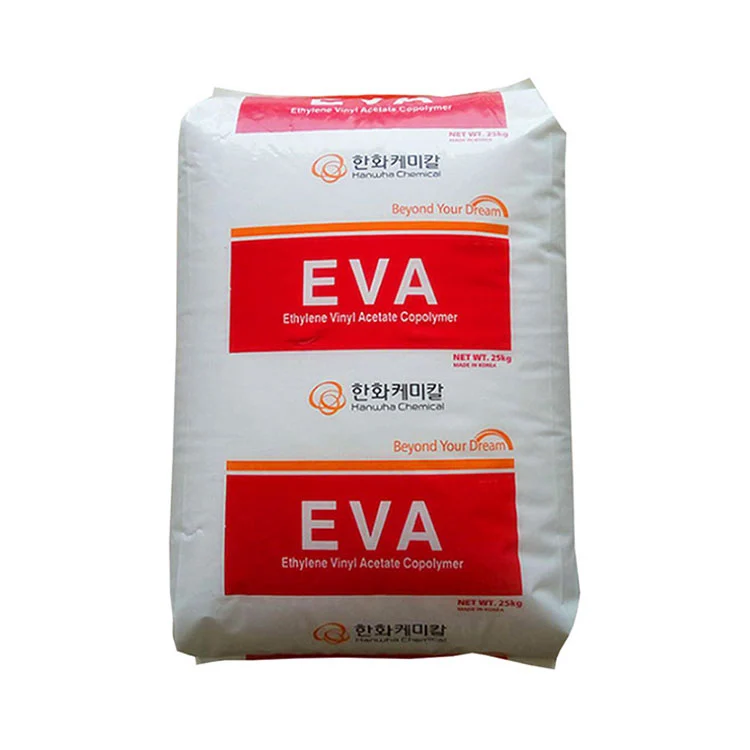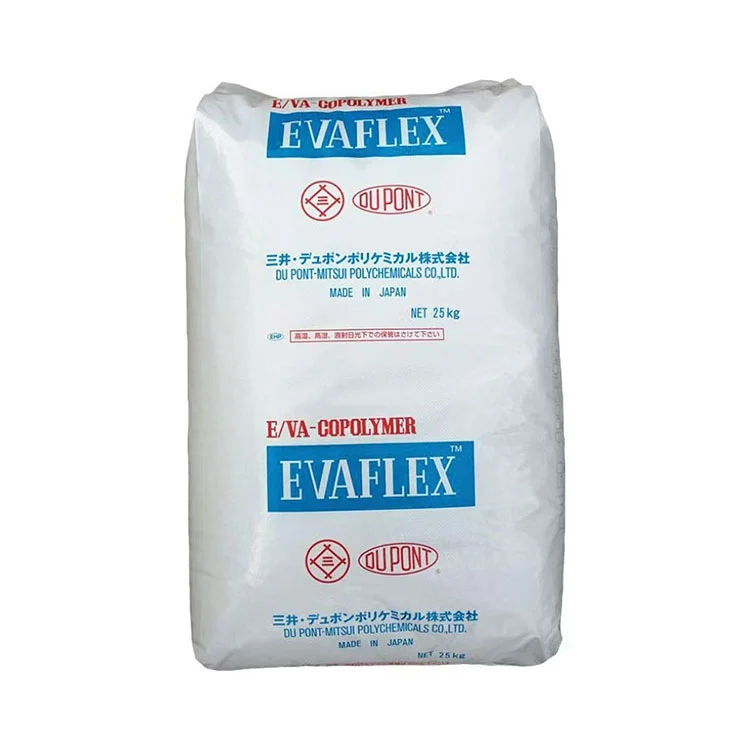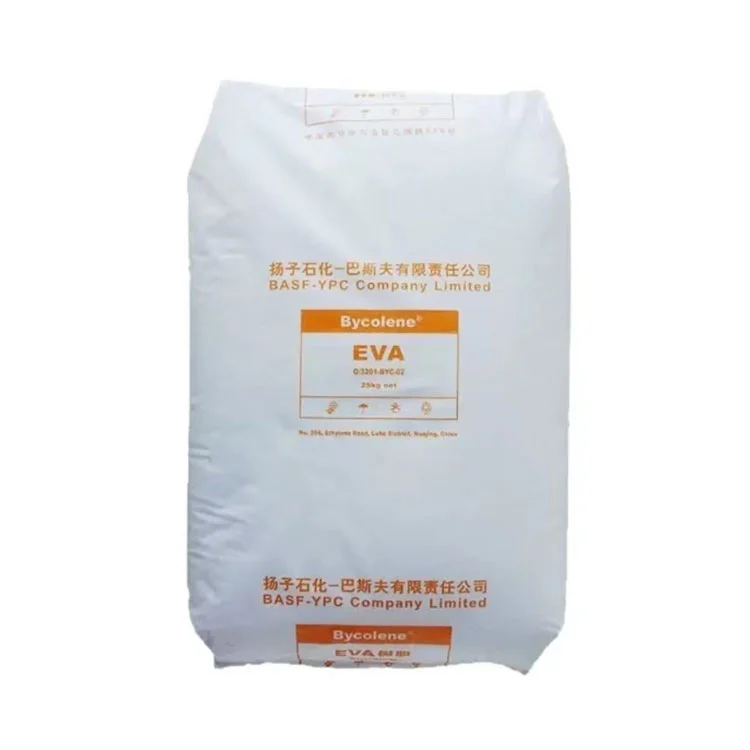
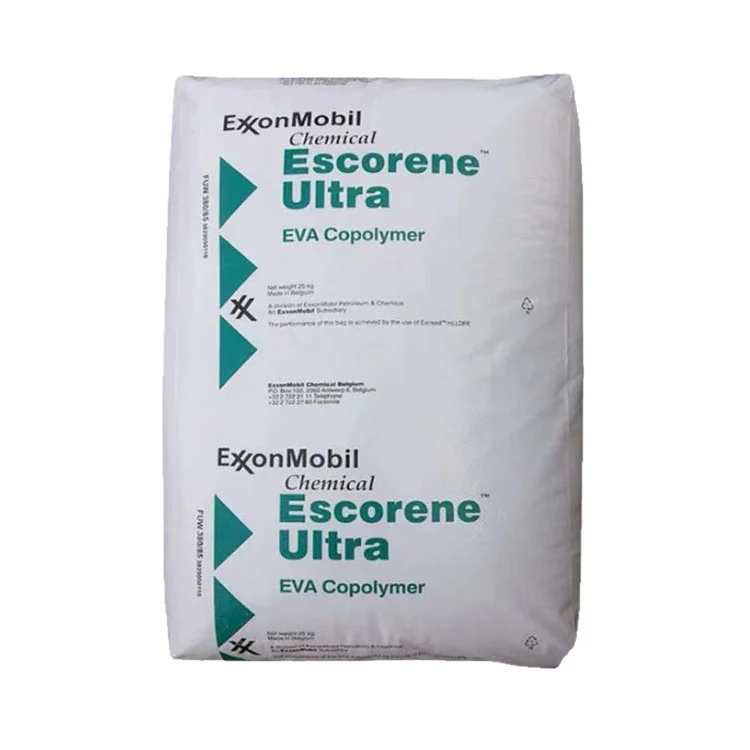
Medium VA EVA (12–18%) is an ethylene-vinyl acetate copolymer with a vinyl acetate content of approximately 12–18%. Compared with lower-VA EVA, it generally has lower crystallinity and greater flexibility, softness and polarity. These characteristics make selected grades suitable for film, extrusion coating, heat-seal layers, molded or extruded products, adhesives and foam applications.
Nianjing sources EVA from established manufacturers based on the required grade, VA content, melt index, processing method, application and quantity. Grade selection is based on the manufacturer's technical data rather than VA content alone.


EVA is produced by copolymerizing ethylene with vinyl acetate. The addition of vinyl acetate changes the regularity of the polymer structure and reduces the crystallinity associated with polyethylene.
Within the 12–18% range, increasing VA content generally results in a softer and more flexible material with greater polarity. It can also affect adhesion, heat sealing, melting behavior and compatibility with other materials. The actual properties, however, depend on the complete commercial grade.
Two EVA grades with similar VA content can have different melt indexes, densities, molecular characteristics, additive systems and processing recommendations. For this reason, VA content is useful for narrowing the material range, but it is not sufficient for selecting a production grade.
Low-temperature flexibility should also be evaluated using the technical data of the specific grade. A general temperature value should not be assigned to the entire 12–18% range.
Medium-VA EVA is available in grades designed for different processing methods. Melt index is one of the main parameters used when comparing grades, but it should be considered together with the processing equipment, product geometry and required output.
Melt index describes material flow under a specified test condition. Values from different grades should only be compared when the test temperature, load and method are equivalent. A higher melt index indicates greater flow under the specified test conditions, but it does not by itself determine whether a material is suitable for injection molding or extrusion.
Selected grades are used in film extrusion, coextrusion and extrusion coating. Depending on the structure and end use, relevant requirements may include tensile strength, elongation, tear resistance, sealing performance, hot tack, adhesion and processing stability.
Other grades can be processed into molded parts, profiles or tubing. In these applications, melt behavior, dimensional stability, cooling conditions, shrinkage and the required hardness or flexibility need to be considered together.
EVA is also used in selected foam and footwear formulations. Foam properties are affected by the complete formulation and processing conditions, including blowing agents, crosslinking systems, fillers and cell structure. VA content alone does not determine finished foam density, hardness, rebound or compression behavior.
For hot-melt adhesives, EVA can serve as a base polymer in formulations containing tackifiers, waxes and other components. VA content, melt index, melt viscosity, softening behavior and adhesion requirements are normally considered when selecting a suitable grade.
The appropriate EVA grade depends on the application rather than on VA content alone. Typical information used for grade comparison includes:
Commercial grades around 12–18% VA are available from different manufacturers with different melt indexes and application recommendations. For example, Celanese's Ateva portfolio includes grades around 12%, 16% and 18% VA, while ExxonMobil offers 18% VA grades for applications including film, extrusion coating and tubing.
These examples show why a material should be identified by its manufacturer and grade number as well as its VA content and melt index. Current specifications and application recommendations should always be checked against the manufacturer's documentation.
For an existing material replacement, the current grade number and TDS are useful starting points. If no reference grade is available, the specification can be defined by:
VA Content → Melt Index → Processing Method → Application → Required Properties → Quantity → Delivery Requirement
This provides a more practical basis for comparing commercial grades than using the VA range alone.
Common documents for EVA sourcing include the Technical Data Sheet (TDS), Safety Data Sheet (SDS) and Certificate of Analysis (COA). Depending on the application and destination market, additional regulatory or compliance documentation may also be required.
Food-contact, medical, electrical and other regulated applications require verification of the specific commercial grade and intended use. Compliance should not be assumed from the EVA material type or VA content.
When comparing grades from different manufacturers, the test methods and conditions should also be checked. Numerical values that appear similar may not be directly comparable if they were measured under different standards or conditions.
Nianjing supplies EVA materials according to the actual grade and production requirements. For a specified material, the manufacturer, grade number and TDS can be used to identify the required product. For specification-based sourcing, Nianjing can work from the target VA content, melt index, processing method, application and quantity.
This is particularly relevant when an existing EVA grade needs to be replaced or when several manufacturers offer grades within a similar VA range. Available technical and compliance documents can be checked against the required specification before supply is confirmed.
If you are sourcing Medium VA EVA (12–18%), please provide the target VA content, melt index, processing method, application and required quantity. A current grade reference or TDS can also be provided if available.
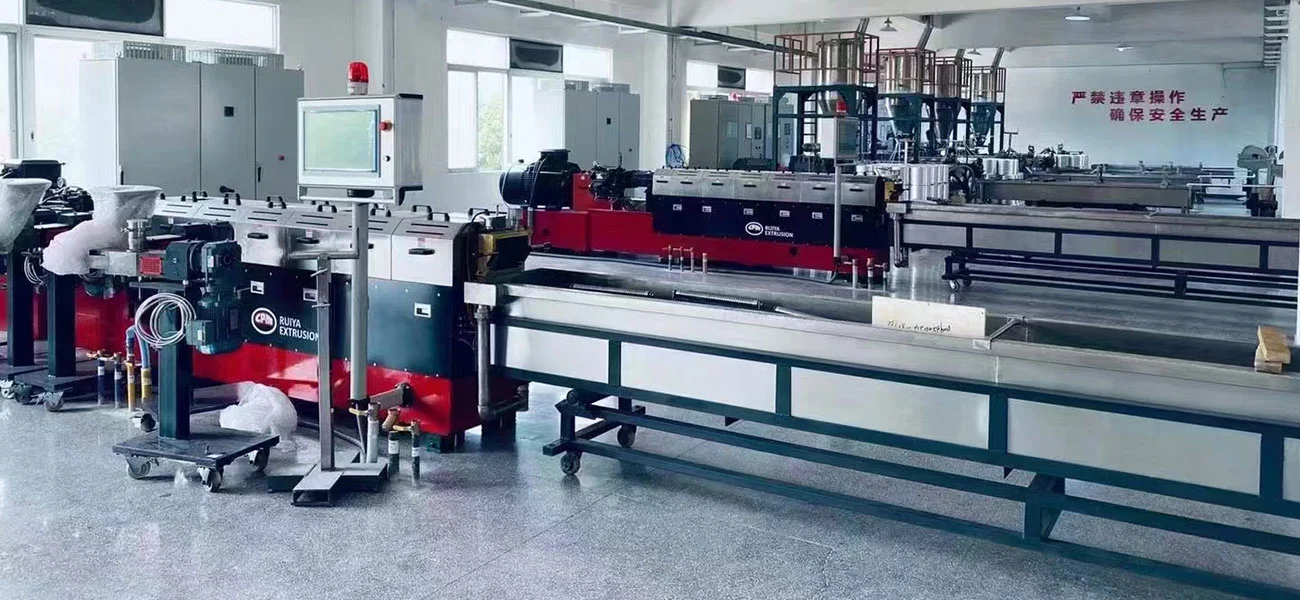
Increasing VA content generally reduces crystallinity and increases flexibility and softness while also changing melting, sealing and adhesion behavior. The actual difference between commercial grades depends on their complete formulation, molecular characteristics and melt index.
Selected EVA grades can be used as base polymers in hot-melt adhesive formulations. The appropriate grade depends on VA content, melt index, melt viscosity, formulation components, adhesion requirements and processing conditions.
Selected EVA grades can be used in footwear and foam applications, but finished foam performance depends on the complete formulation and foaming process. VA content alone cannot determine hardness, rebound, density or compression-set performance.
Some specific EVA grades may be supplied with food-contact compliance for defined applications. However, compliance cannot be inferred from the VA range. The exact grade, formulation, destination market and intended use must be checked against the manufacturer's current documentation.
No. Grades with similar VA content may differ in melt index, density, molecular characteristics, additives, mechanical properties and processing recommendations. Substitution should therefore be based on the complete technical specification.
The most useful information includes VA content or target range, melt index, processing method, application, required mechanical or sealing properties, additive requirements, manufacturer or grade number if known, quantity and delivery requirements. An existing TDS is particularly useful when looking for a replacement.
Yes. Nianjing can work from a specified manufacturer and grade when the reference is available, or evaluate alternatives based on VA content, melt index, application, processing method and quantity. Final material selection should be confirmed against the manufacturer's current technical documentation and actual production requirements.
Address
China Plastics City, Yuyao City, Ningbo City, Zhejiang Province, China
Tel
Looking for a specific plastic material, brand, grade or quantity? Send your requirements to Nianjing for sourcing and availability confirmation.
Please include the material name, manufacturer or brand, grade, quantity, application and delivery requirements when available. If you are unsure about the grade, simply describe your application and requirements.
Nianjing will review your inquiry and check suitable sourcing options based on your requirements.