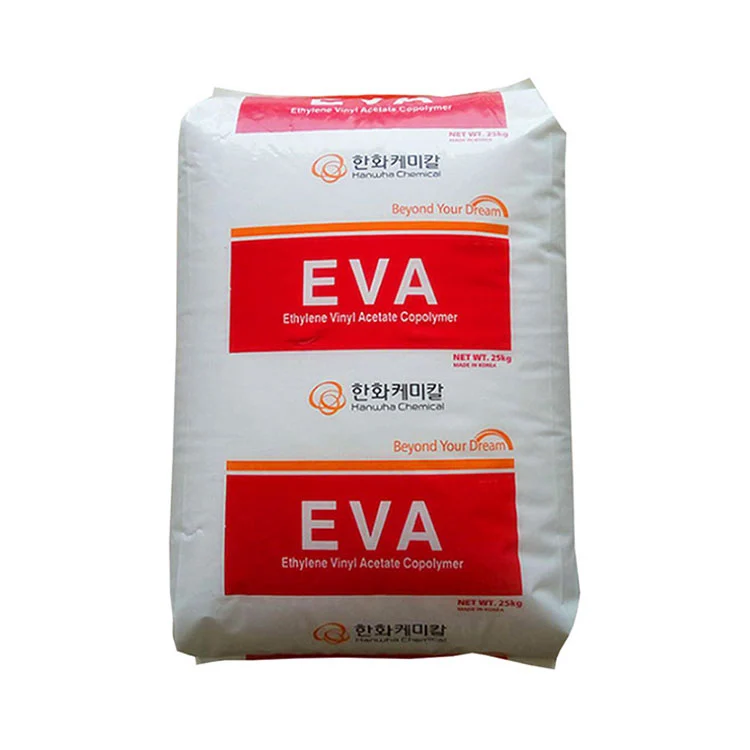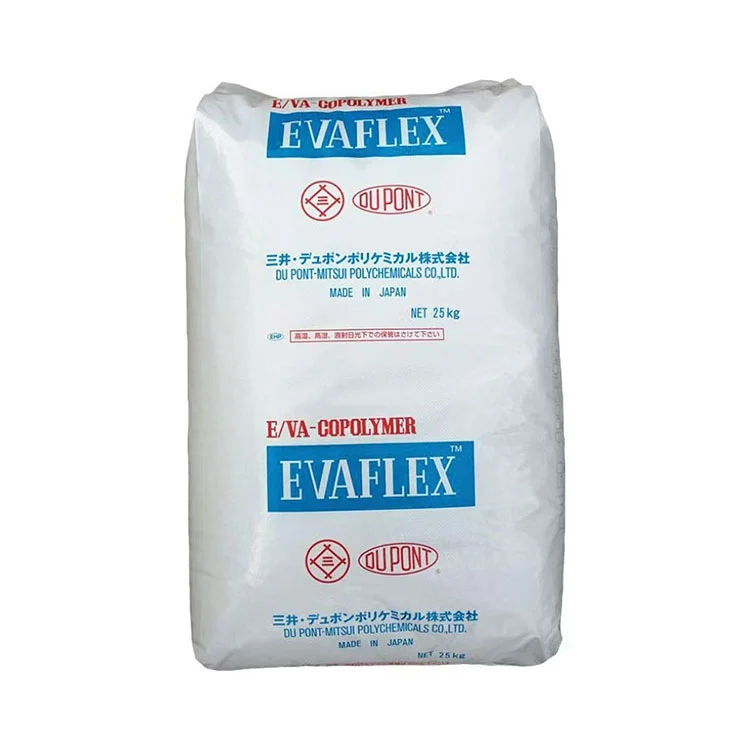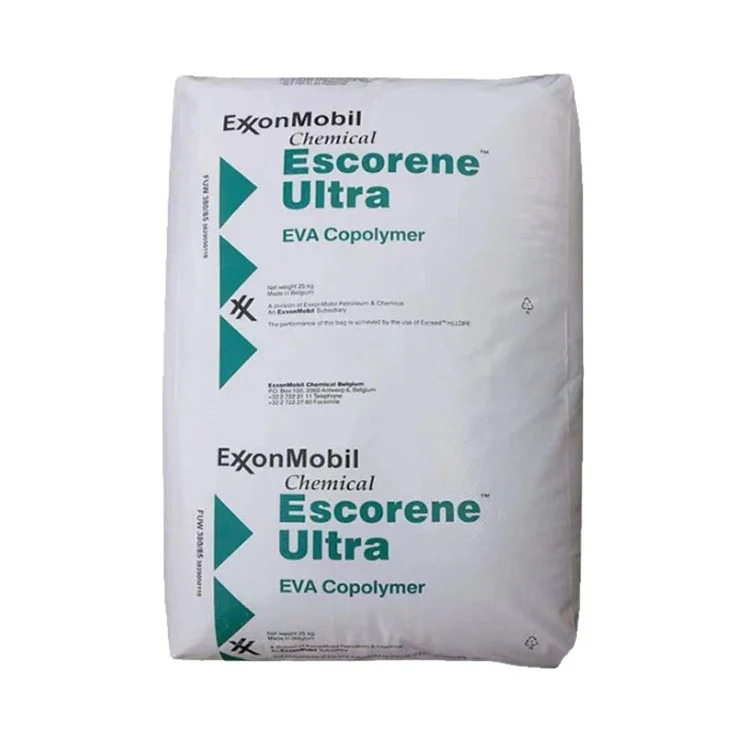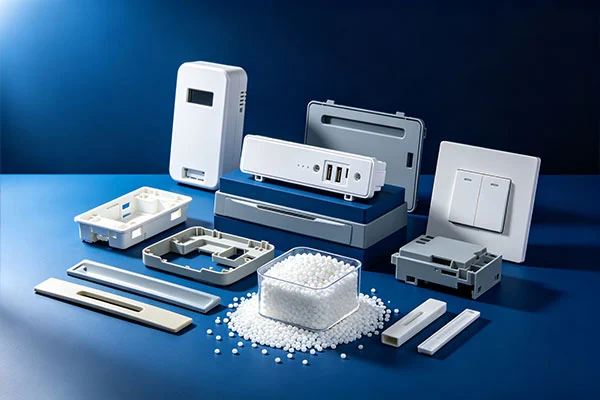
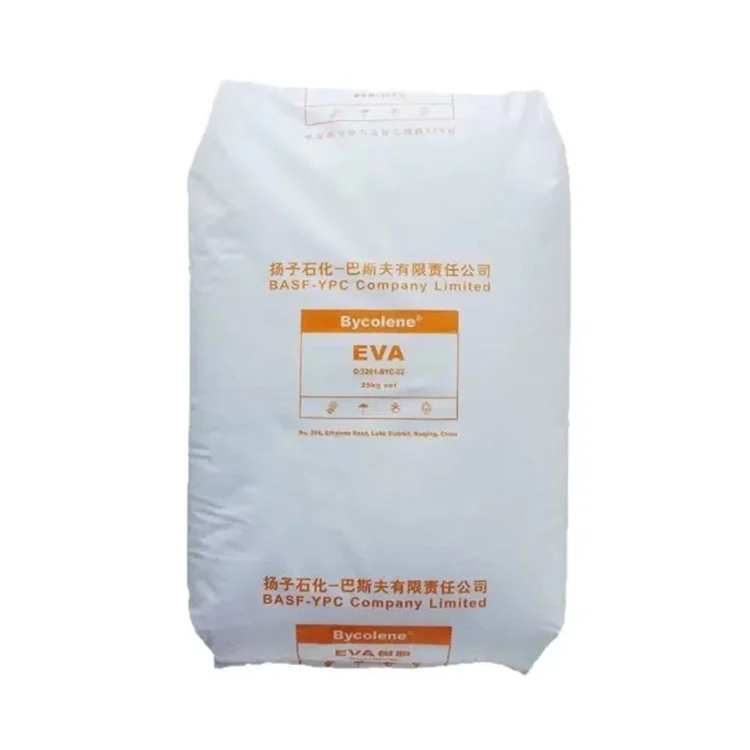
Low VA EVA (5–10%) is an ethylene vinyl acetate copolymer with a vinyl acetate content in the 5–10% range. Compared with higher-VA EVA, it retains more polyethylene-like characteristics while introducing the flexibility and toughness associated with the EVA structure.
This VA range can be considered when a material requires a combination of rigidity and moderate flexibility. However, VA content alone does not determine the performance of a commercial grade. Melt flow rate, density, molecular structure, additives and grade formulation can all affect material behavior during processing and in the finished product.
Nianjing sources EVA resin from established manufacturers according to the required grade, VA content, processing method, application and quantity. The manufacturer's current technical documentation is used to verify the properties and recommended processing conditions of the selected grade.

VA content refers to the proportion of vinyl acetate incorporated into the EVA copolymer. It is an important parameter because it influences the balance between crystallinity, rigidity and flexibility.
As VA content increases, the polyethylene component generally becomes less crystalline, while flexibility, resilience and softness increase. At 5–10% VA, EVA remains relatively close to polyethylene in material behavior compared with higher-VA grades, while offering more flexibility than conventional polyethylene.
VA content is therefore useful for narrowing the material range, but it should not be used as the sole basis for grade selection. Commercial grades with similar VA content may have different melt flow rates, mechanical properties and processing recommendations.
The material characteristics of low-VA grades are influenced by both the vinyl acetate content and the design of the individual commercial grade.
Depending on the selected grade, relevant characteristics may include:
These characteristics describe general material behavior rather than fixed specifications. Specific performance values should be taken from the TDS of the actual grade.
The main difference across EVA grades is the balance between polyethylene-like crystallinity and EVA-related flexibility.
| VA Range | General Material Behavior |
| Lower VA | More polyethylene-like characteristics and relatively higher rigidity |
| 5–10% VA | A balance of rigidity and moderate flexibility |
| Higher VA | Lower crystallinity with greater flexibility and softness |
These are general trends rather than fixed performance boundaries. Other factors, including MFR and grade formulation, can affect the behavior of an individual material.
The processing method should be matched with the melt behavior and product requirements of the selected grade. EVA grades may be developed for different thermoplastic processing conditions, so material selection should be based on the intended production process rather than VA content alone.
For injection molding, melt flow needs to be suitable for the mold, part geometry and machine conditions while maintaining the required properties of the finished component.
MFR is therefore an important selection parameter, but there is no universal MFR value that defines an injection-molding grade. Wall thickness, mold design, processing conditions and finished-product requirements should be considered together.
Extrusion grades need to provide suitable melt behavior for the equipment, die design, output rate and product structure.
For film production, additional properties may include tensile performance, tear resistance, optical characteristics, sealing behavior and processing stability. These properties vary by grade and should be confirmed from the manufacturer's technical documentation.
Processing temperatures, screw conditions and other machine settings should follow the recommendations for the selected grade rather than being determined from VA content alone.
Depending on the specific grade, formulation and processing requirements, low-VA EVA can be used for films and flexible packaging, sheets and extruded products, selected injection-molded components, tubing and profiles, as well as polymer blends and compounds where a balance of rigidity and flexibility is required. Certain grades are also formulated for wire and cable compounds and other application-specific uses.
The appropriate grade should be selected according to the manufacturer's application recommendations and the requirements of the finished product. For food-contact, electrical, automotive or other regulated applications, the relevant performance specifications and compliance documentation should be confirmed for the actual grade and end use.
A practical material selection should begin with the processing method and finished-product requirements, then use VA content and other technical parameters to narrow the available grades.
Confirm whether the required VA range provides the desired balance of rigidity and flexibility for the product.
Match melt flow behavior with the intended process, such as injection molding, film extrusion, sheet extrusion or profile extrusion. Similar VA content does not necessarily mean similar processing behavior.
Compare density and relevant mechanical properties with the requirements of the finished product. Depending on the application, tensile strength, elongation, hardness, modulus and other properties may need to be reviewed.
Consider product geometry, dimensional stability, flexibility, impact requirements, temperature exposure, chemical contact and other conditions that may affect service performance.
For regulated applications, identify any required food-contact, electrical, automotive, medical or other compliance documentation before confirming the grade.
When comparing grades from different manufacturers, the following information should be checked against the current TDS and other applicable documentation:
Not every grade will have the same set of reported properties. The relevant data should therefore be reviewed according to the intended application.
Low-VA EVA and LDPE share some polyethylene-like characteristics, but they are not interchangeable materials.
The vinyl acetate component gives EVA different crystallinity, polarity and flexibility from LDPE. EVA can be incorporated into selected polyethylene-based formulations when a change in processing or finished-product properties is required.
There is no standard replacement ratio that applies to all LDPE formulations. The appropriate EVA grade and blend level depend on the original LDPE, target properties, formulation and processing conditions. Any substitution should therefore be evaluated against the complete formulation rather than based only on VA content.
Nianjing sources Low VA EVA (5–10%) according to the actual material specification rather than treating all grades within this range as equivalent.
The sourcing process can be based on:
Manufacturer → Grade → VA Content → MFR → Processing Method → Application → Quantity → Delivery Requirement
For a known grade, the manufacturer and grade number provide the starting point. For an application-based requirement, Nianjing can use the required VA range, processing method, product type and target quantity to compare available grades.
When several grades meet the basic specification, the available manufacturer documentation can be reviewed against the stated production requirement before confirming the material. This helps ensure that the selected grade is appropriate for the intended process and application rather than being chosen only because its VA content falls within the requested range.
Yes. When a manufacturer and grade number are already specified, these details can be used as the starting point for sourcing. If the exact grade is not known, the required VA range, processing method, application and quantity can be used to identify suitable grades for comparison.
The most useful information includes the target VA range, intended processing method, application, required manufacturer or grade if known, estimated quantity and any existing material specification.
It can be used in selected polyethylene-based formulations, depending on the target properties and processing conditions. The appropriate grade and blend level need to be determined for the specific formulation.
No. Grades with similar VA content may differ in MFR, density, molecular characteristics, additives, mechanical properties and processing recommendations. The complete technical specification should be reviewed before substitution.
The TDS and SDS are commonly used for technical and safety review. Depending on the application and supply arrangement, a COA and applicable compliance documentation may also be required.
Address
China Plastics City, Yuyao City, Ningbo City, Zhejiang Province, China
Tel
Looking for a specific plastic material, brand, grade or quantity? Send your requirements to Nianjing for sourcing and availability confirmation.
Please include the material name, manufacturer or brand, grade, quantity, application and delivery requirements when available. If you are unsure about the grade, simply describe your application and requirements.
Nianjing will review your inquiry and check suitable sourcing options based on your requirements.