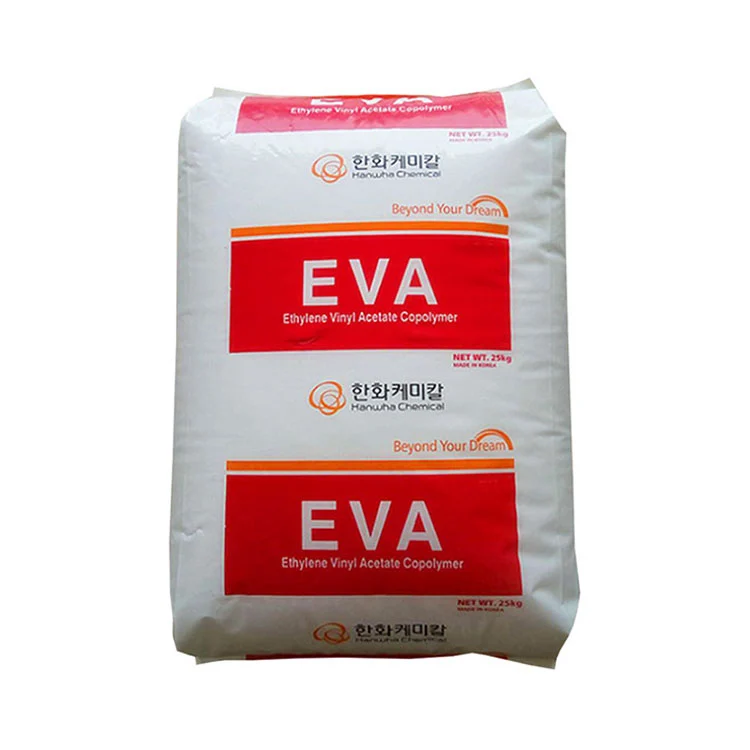
As a China-based EVA material sourcing supplier, Nianjing helps manufacturers identify suitable Very High VA EVA (28–40%) grades for applications requiring specific flexibility, adhesion, polarity, and melt-flow characteristics. By evaluating vinyl acetate (VA) content alongside processing conditions and end-use requirements, buyers can make more informed resin purchasing decisions and reduce the risk of selecting an unsuitable commercial grade.
Very High VA EVA (28–40%) is a category of ethylene-vinyl acetate copolymer designed for applications that benefit from increased vinyl acetate content. Compared with lower-VA grades, these materials generally offer greater flexibility, lower crystallinity, and improved suitability for certain adhesive and flexible-compound formulations. Typical applications include hot-melt adhesives, selected foam products, specialty films, coatings, and application-specific electrical or photovoltaic compounds. However, VA content alone does not determine overall performance. Melt index, manufacturer grade, formulation compatibility, thermal properties, and processing conditions must also be evaluated. This guide explains the material's characteristics, major applications, selection criteria, and procurement considerations for industrial buyers.
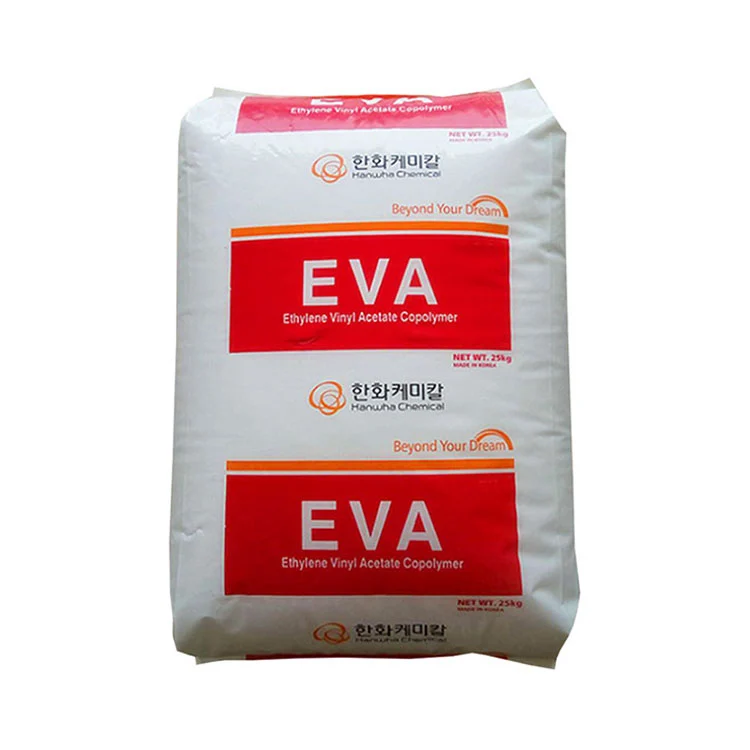
Ethylene-vinyl acetate (EVA) is a thermoplastic copolymer produced from ethylene and vinyl acetate monomers. The proportion of vinyl acetate influences the polymer's crystallinity, flexibility, polarity, and interaction with other formulation ingredients.
Very High VA EVA (28–40%) refers to commercial EVA grades with nominal vinyl acetate contents within this range. The category covers multiple grades rather than one universal resin formulation. Products with similar VA percentages can differ significantly in melt index, molecular characteristics, density, additive systems, and recommended processing methods.
As VA content increases, the polymer generally becomes less crystalline and more flexible. Its increased polarity can also improve compatibility with selected tackifiers, substrates, and other formulation components. These characteristics make high-VA EVA particularly relevant to manufacturers that need a balance of softness, adhesion, and processing performance.
Nevertheless, the correct grade depends on the finished product. A resin suitable for an adhesive formulation may not automatically meet the requirements of a specialty film, foam product, or electrical compound. Buyers should therefore evaluate the complete commercial grade rather than relying on VA content alone.
The appeal of high-VA EVA comes from the combined effects of its chemical composition and grade-specific characteristics. Understanding these factors helps manufacturers match the material to their production objectives.
Higher VA content generally reduces polyethylene-like crystalline behavior, contributing to a softer and more flexible polymer. This characteristic can benefit formulations that require bending, conformability, or a flexible finished structure. Actual softness still depends on the specific grade, additives, fillers, and processing conditions.
The acetate groups in EVA contribute to its polarity. In suitable formulations, high-VA grades can support adhesion to selected substrates and improve compatibility with tackifying resins and other adhesive ingredients. Adhesive performance depends on the complete formulation, substrate surface, application temperature, and bonding conditions.
Melt index provides a standardized indication of polymer flow under specified test conditions. It helps buyers compare grades for extrusion, adhesive compounding, coating, and other melt-processing operations. However, melt index is not a direct measurement of finished-product quality, and values should only be compared when the test temperature, applied load, and method are equivalent.
High-VA EVA can serve as a flexible base polymer in different formulations. Depending on the commercial grade, manufacturers may prioritize sealing behavior, optical performance, elasticity, thermal stability, or electrical properties. These requirements must be confirmed through technical documentation and application testing.
Very High VA EVA (28–40%) is used in several industrial sectors, but the most suitable grade varies with the final product and manufacturing process.
Hot-melt adhesive manufacturers use selected high-VA EVA grades as base polymers in formulations for packaging, woodworking, bookbinding, and other bonding applications. VA content can influence flexibility and compatibility with tackifiers, while melt index and softening behavior help determine application characteristics.
Important selection factors include adhesive viscosity, open time, setting behavior, bond strength, substrate compatibility, and the operating temperature of the application equipment.
Selected EVA grades can be used in foam formulations and flexible products where softness, resilience, or impact absorption is required. Finished performance is influenced by the foaming system, crosslinking chemistry, fillers, molding conditions, and cooling process. Buyers should evaluate density, hardness, rebound, compression behavior, and dimensional stability instead of assuming that VA content alone guarantees a particular result.
High-VA EVA may be incorporated into selected films, coatings, and flexible compounds when adhesion, flexibility, or sealing performance is important. Substrate compatibility and processing stability are essential considerations, particularly when the material is combined with other polymers or functional additives.
Some application-specific EVA grades are developed for photovoltaic encapsulation or wire and cable compounds. These applications may require controlled optical properties, crosslinking behavior, electrical insulation, thermal stability, and aging performance. A VA specification of 28–40% does not independently confirm that a material is suitable for these uses. Buyers must verify the exact grade's technical data and relevant compliance requirements.
EVA grades are often grouped by VA content to simplify initial material selection. The following table provides a general comparison. The ranges are indicative classifications, not universal industry standards, and application suitability must be confirmed for the specific grade.
| VA Content | General Material Characteristics | Potential Applications | Key Selection Considerations |
|---|---|---|---|
| 5–10% | More polyethylene-like behavior and relatively higher stiffness | Selected films, molded products, and compounds | Rigidity, strength, and processability |
| 12–18% | Balanced flexibility and structural properties | Selected packaging, extrusion, and flexible products | Mechanical performance and processing stability |
| 18–28% | Increased flexibility and reduced crystallinity | Selected footwear foams, flexible products, and compounds | Hardness, resilience, and molding behavior |
| 28–40% | Higher polarity and generally greater flexibility | Hot-melt adhesives, specialty films, flexible compounds, and selected foam formulations | Melt index, adhesion, thermal properties, and application requirements |
The main distinction is not that one range is universally better than another. Instead, each range offers a different balance of properties. Higher VA content may benefit adhesive or flexible applications, while lower-VA materials may be more appropriate when greater stiffness is required.
For additional material options, buyers can explore Nianjing's plastic resin sourcing services and compare EVA resin material options according to their technical requirements.
Choosing the right high-VA EVA grade requires a structured evaluation of the application, processing equipment, and finished-product specifications. A resin that performs well in one production line may require substantial reformulation or prove unsuitable in another.
Before requesting a quotation, buyers should establish the following information:
When introducing a new grade, request a sample if available and perform controlled trials before full-scale production. Testing under actual operating conditions provides a more reliable basis for selection than comparing a single specification value.
Although VA content is an important indicator of EVA behavior, it does not describe the resin's complete processing profile. Melt index is particularly useful when comparing commercial grades, but it must be interpreted in context.
Under equivalent test conditions, a higher melt index generally indicates that more polymer flows through the test apparatus over a specified period. This can help distinguish grades with different flow characteristics. However, the ideal value depends on the manufacturing process and desired product performance.
For example, an adhesive formulation may require a particular balance of melt viscosity, wetting behavior, open time, and final bond strength. An extrusion application may place greater emphasis on stable melt behavior, output consistency, and the geometry of the finished product.
Before approving a grade, manufacturers should evaluate:
Processing recommendations from the resin manufacturer should guide initial trials. Temperature and operating parameters should be adjusted according to the actual grade, formulation, and equipment rather than copied indiscriminately from another EVA product.
Technical documentation helps procurement teams verify material identity, compare commercial grades, and assess suitability for the intended application. This is especially important when several products share a similar VA content.
| Document | Purpose | What to Verify |
|---|---|---|
| Technical Data Sheet (TDS) | Describes typical properties and technical specifications | VA content, melt index, density, thermal properties, and test methods |
| Safety Data Sheet (SDS) | Provides handling, storage, and safety information | Hazards, protective measures, storage conditions, and emergency guidance |
| Certificate of Analysis (COA) | Records test results for a specific production lot | Lot identification and measured values against applicable specifications |
| Compliance Documentation | Supports application-specific regulatory or customer requirements | Exact grade, intended use, applicable standards, and certification scope |
For photovoltaic, electrical, food-contact, medical, or other regulated applications, buyers should confirm the compliance status of the exact commercial grade and its intended use. General statements about EVA as a polymer are not a substitute for product-specific documentation.
Nianjing provides sourcing support for commercial EVA grades from established manufacturers. Rather than treating Very High VA EVA (28–40%) as a single standardized formulation, Nianjing helps buyers identify potential material options based on their existing grade, technical specifications, intended application, and order quantity.
This approach is useful for manufacturers that need to replenish an established material, compare alternative grades, or begin sourcing before a specific commercial grade has been selected.
To make a sourcing inquiry more efficient, prepare the following details:
If you are replacing an existing resin, sharing its current TDS and COA can help establish a clearer comparison basis. Any proposed alternative should be checked against the original specifications and validated through appropriate production testing before substitution.
Learn more about the product on the Very High VA EVA (28–40%) product page.
It refers to ethylene-vinyl acetate copolymer grades with nominal vinyl acetate content between 28% and 40%. These grades are generally considered for applications requiring increased flexibility, polarity, or adhesion, although the precise properties depend on the individual commercial grade.
Potential applications include hot-melt adhesives, selected foam formulations, specialty films, coatings, flexible compounds, and certain photovoltaic or electrical formulations. Suitability must be confirmed for the exact grade and application.
No. Higher VA content can improve polarity and may support adhesion in suitable formulations, but actual bonding performance depends on the substrate, formulation ingredients, melt viscosity, application conditions, and testing requirements.
Melt index indicates flow under specified test conditions and helps buyers compare grades for processing. It should be evaluated alongside the manufacturing method, formulation, and required finished-product performance. Values measured under different conditions should not be compared directly.
Some EVA grades within this range may be developed for photovoltaic encapsulation. However, VA content alone does not establish suitability. Buyers must verify the exact grade's optical properties, crosslinking behavior, electrical insulation, aging performance, and applicable qualification requirements.
Useful information includes the target VA content, manufacturer or grade number, melt index, intended application, processing method, required properties, order quantity, and delivery requirements. A current TDS or COA is especially helpful when sourcing a replacement material.
Yes. Nianjing can support sourcing inquiries based on an existing manufacturer grade or defined technical requirements. Potential alternatives should be compared using current manufacturer documentation and validated for the intended production process before use.
Very High VA EVA (28–40%) offers manufacturers a range of material options for applications that require flexibility, polarity, and specific adhesion or processing characteristics. Its value depends on selecting the right commercial grade, understanding melt-flow behavior, verifying technical documentation, and testing the material under actual production conditions. By considering the complete specification instead of VA content alone, buyers can make better-informed sourcing decisions and improve material consistency.
If you are looking for a suitable EVA grade for adhesives, flexible products, specialty films, or another industrial application, contact us at Nianjing to discuss your target VA content, preferred grade, melt index, technical requirements, and order quantity. Our team can review your sourcing needs and help identify suitable commercial material options based on current availability and manufacturer documentation.